Your muscles do more than move you; they communicate.
Here’s how this muscle–brain conversation works
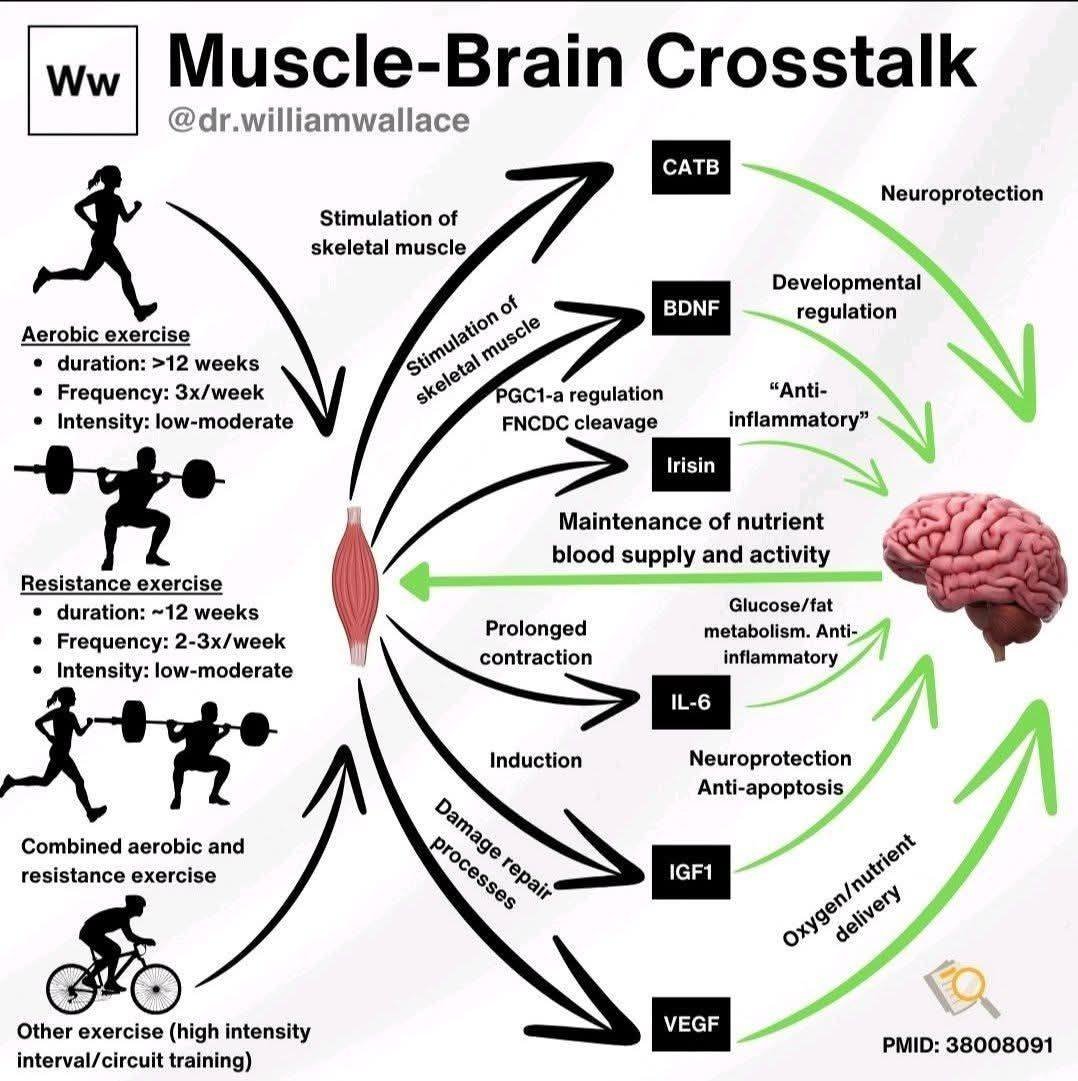
1️⃣ Muscles Release Myokines When You Move
Every time you contract a muscle — whether walking, lifting, or cycling — your body releases myokines into the bloodstream.
These molecules travel to the brain, heart, liver, and other organs, fine-tuning metabolism, immune function, and repair.
🟢 Think of myokines as your muscles’ “text messages” to the rest of your body.
2️⃣ Myokines Protect and Energize the Brain
Different myokines perform specialized jobs:
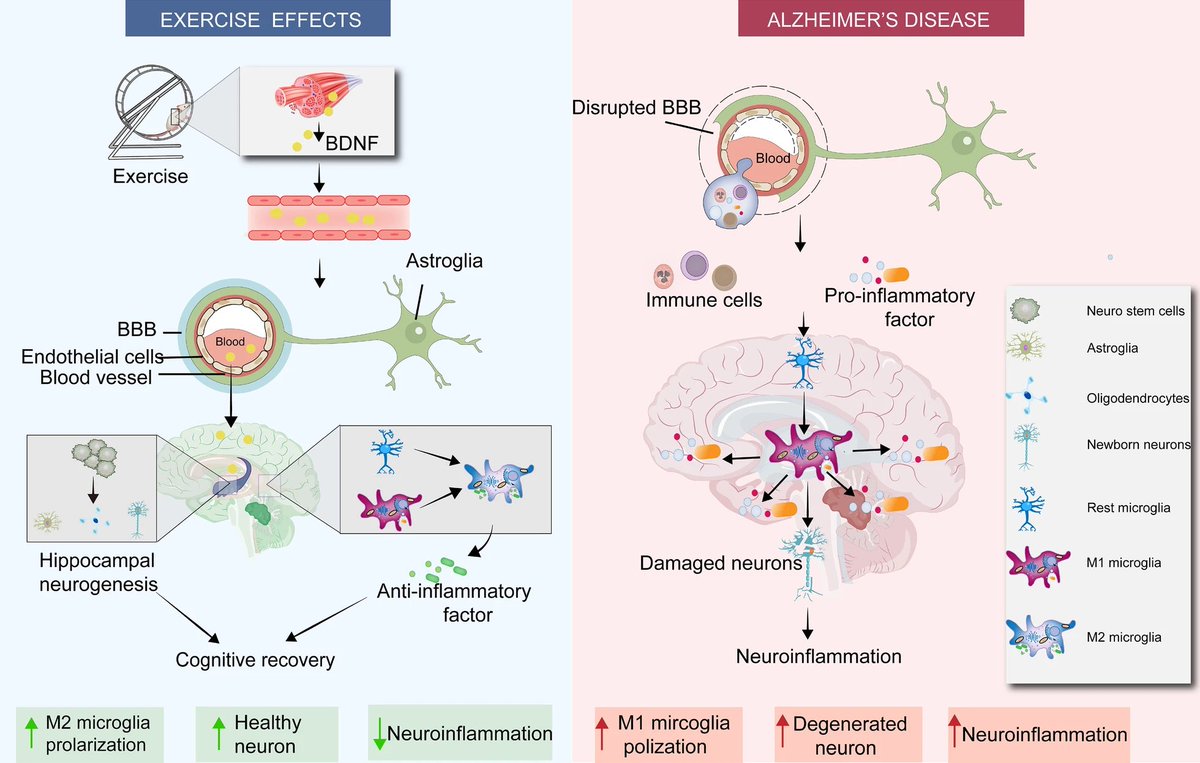
BDNF (Brain-Derived Neurotrophic Factor): Grows new neurons and strengthens existing connections — essential for learning and memory.
IGF-1 (Insulin-Like Growth Factor 1): Supports neuron survival and brain plasticity.
VEGF (Vascular Endothelial Growth Factor): Builds new blood vessels to deliver oxygen and nutrients.
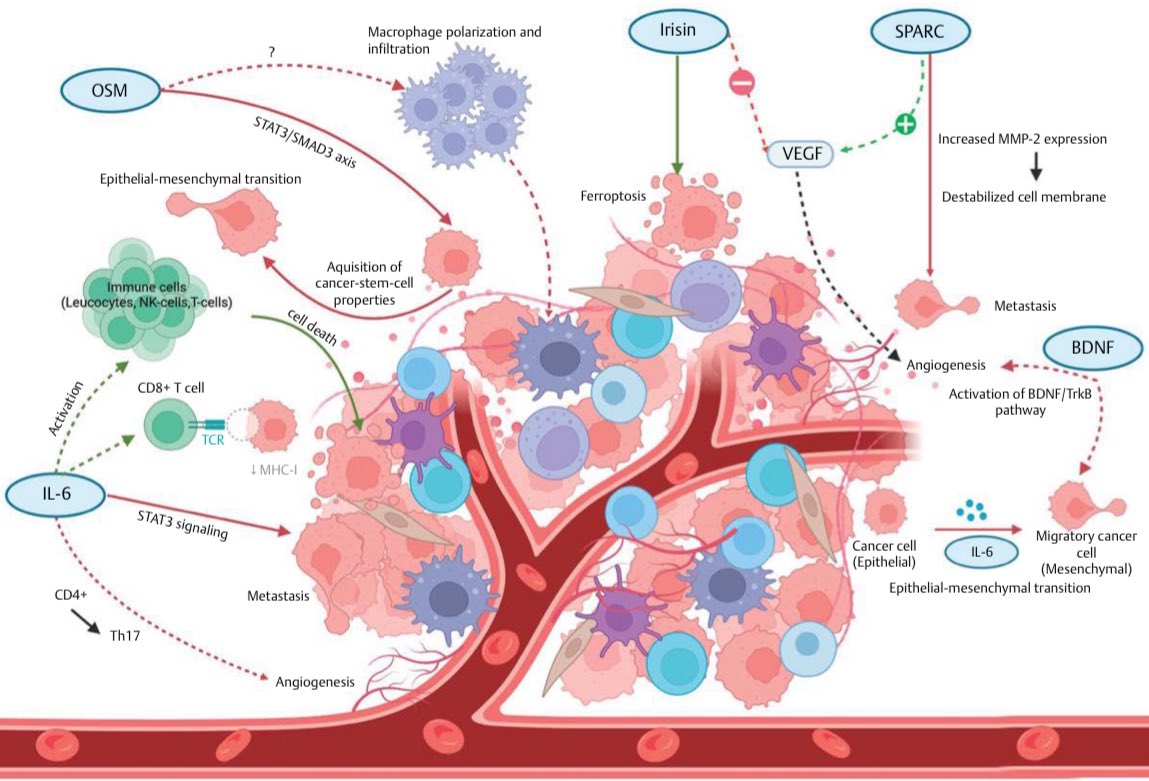
Irisin: Regulates brain metabolism and reduces inflammation.
IL-6: Signals energy balance and helps modulate the immune system.
🟢 Example: Regular aerobic training increases BDNF, which correlates with improved memory and cognitive function.
3️⃣ Different Exercises Trigger Different Myokines
The type of exercise you do shapes your myokine profile:
Aerobic training (e.g., running, cycling): Broadly increases BDNF, VEGF, and CATB — boosting neuroplasticity and blood flow.
Resistance training: Elevates IGF-1 and IL-6 - improving muscle strength, insulin sensitivity, and energy regulation.
Combined or HIIT training: Merges both effects - supporting endurance, cognition, and metabolic health.
🟢 Example: 12 weeks of mixed aerobic and resistance training enhanced memory and energy metabolism in older adults.
4️⃣ Myokines Slow Aging from the Inside Out
With age, myokine release declines, contributing to weaker muscles and slower brain function.
Exercise restores this molecular communication - improving mitochondrial health, reducing oxidative stress, and protecting against neurodegenerative disease.
🟢 Studies show that consistent physical activity can delay Alzheimer’s- and Parkinson’s-related changes via myokine signaling.
5️⃣ Why It Matters
This science reframes muscle as more than a mechanical tissue — it’s an endocrine organ that speaks to the brain.
Through myokines like BDNF, IGF-1, and irisin, every workout sends signals that promote growth, repair, and longevity.
🟢 In simple terms: when you move your body, you literally feed your brain.
Exercise isn’t just about strength. It’s about communication.
Your muscles release molecular messengers that protect your brain, balance your metabolism, and slow the biological clock.
Movement isn’t just medicine; it’s messaging for longevity.
@ChristophBurch It's so great to see you posting again @ChristophBurch - Long time follower. Thank you for your contribution to serving mankind. From the USA.
The Molecule Behind Exercise’s Anti-Aging Effects
*Today's letter (link in 6/6) reviews a new paper in @CellCellPress published 2 days ago. And includes a shoutout to someone special.
💪1/6) Nothing matches the health benefits of exercise. It’s the closest thing we have to a universal prescription for healthy aging.
But have you ever wondered how movement actually slows aging?
Movement isn’t magic. Exercise initiates a complex cascade of biochemical events that lead to adaptations designed to improve whole-body health. By identifying what those adaptations are, we can tap into the systems nature has evolved to optimize our health.
That’s the question the researchers behind today’s study explored. They weren’t trying to replace exercise — but they were curious if they could “bottle up” part of its benefits.
Method: In this study, 13 relatively sedentary men were instructed to exercise by running 5 kilometers — first every other day, then every day — for 25 days. The researchers measured a broad suite of metabolites in their bodies before and after the exercise regimen...
#exercise #healthspan #longevity #staycurious
🌲 Our immune systems evolved in nature.
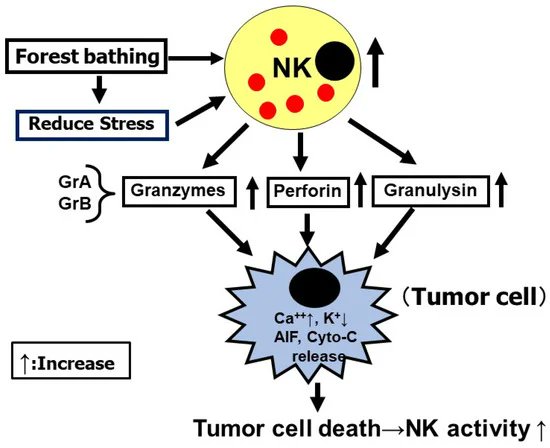
This might explain why 3 days in the forest boosts natural killer (NK) cell activity by up to 50% and increases the expression of anti-cancer proteins.
Phytoncides—compounds released by trees but absent in cities—may be the key. 🧵1/10
Combining omega-3s, vitamin D, and regular exercise may reduce biological aging far beyond the impacts of these interventions in isolation, a new study indicates.
Specifically, supplementing with omega-3s alone reduced biological age on several next-generation epigenetic clocks during the 3-year study. It also slowed the pace of biological aging.
Omega-3s combined with vitamin D or exercise had an even greater benefit on phenotypic age when compared to any singe intervention. The biggest benefit for phenotypic age—a nearly 4-month reduction—was observed when omega-3s, vitamin D, and exercise were combined.
This aligns with what we know about the individual effects of these interventions. Having a low omega-3 index is more strongly associated with all-cause mortality than smoking. Vitamin D plays a critical role in modulating several mechanisms associated with the "hallmarks of aging." Being sedentary is one of the strongest predictors of an early death—and exercise is one of the most powerful ways to delay it.
These results suggest that while omega-3s have powerful anti-aging effects, they also enhance the benefits of supplementing with vitamin D and engaging in regular exercise. There is a synergy among healthy lifestyle habits.
Study PMID: 39900648
Molecular mechanisms of mitochondrial dynamics
we aim to present a valuable framework reflecting current perspectives on how mitochondrial membrane remodelling is regulated.
https://t.co/ZDk6VwzMzC
BREAKTHROUGH: The Spike Protein, via the Endothelium (SPED), Induces A State of Systemic, Chronic ROS Production Leading to Multiple Pathologies
Ribeiro, et al. demonstrate how the Spike Protein may induce a state of systemic, chronic elevated ROS production which satisfactorily explains post-Covid/Spike Protein exposure pathology.
https://t.co/fKn6FcOu2p
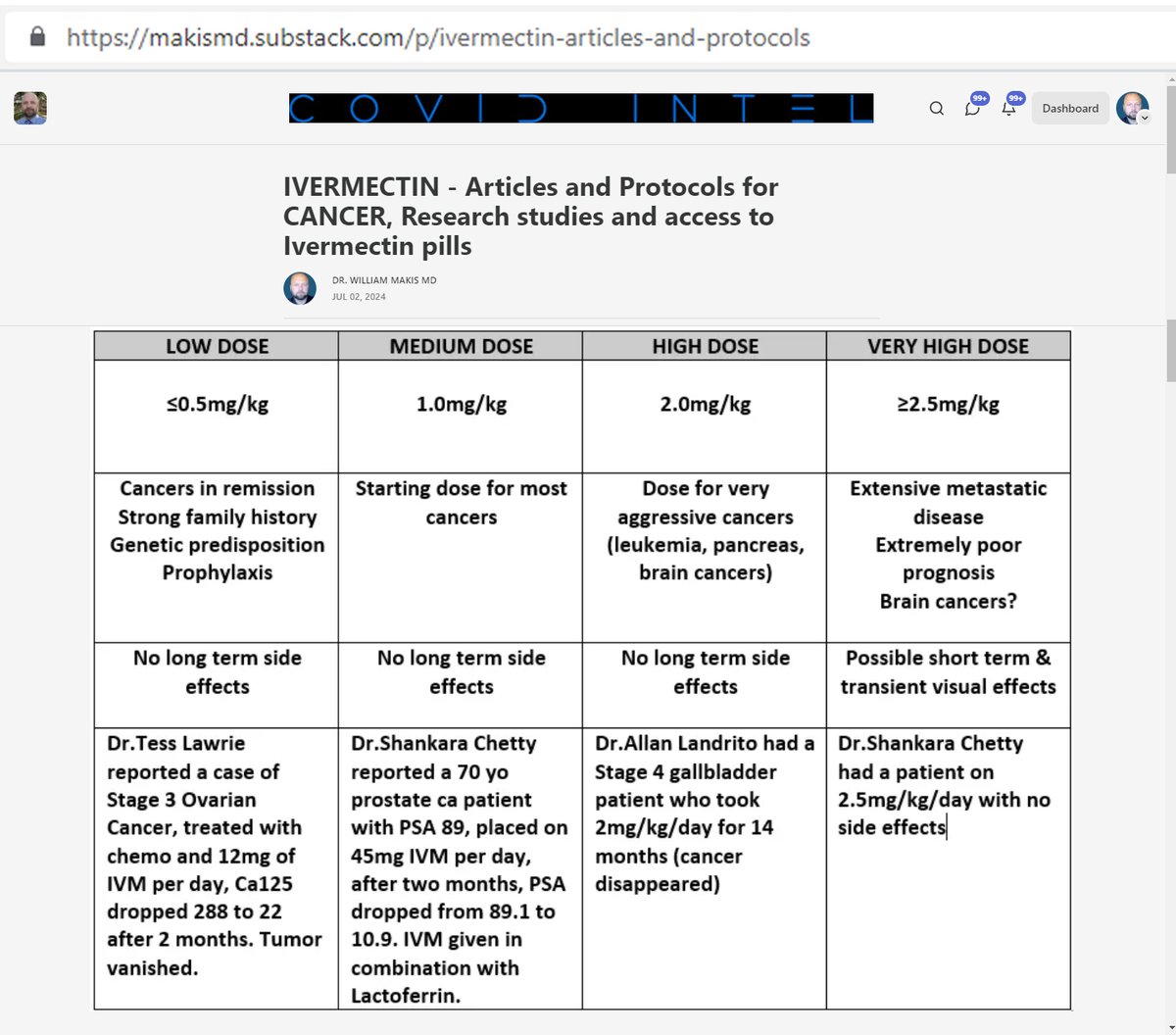
NEW ARTICLE: IVERMECTIN - Articles and Protocols for CANCER, Research studies and access to Ivermectin pills
Recently, I have seen tremendous demand for some sort of initial guidance “WHERE TO START” with High Dose Ivermectin for CANCER.
So I'm reposting my Ivermectin Cancer Protocol.
It's very simple to use.
Did you know that Ivermectin is annually taken by close to 250 million people?
Ivermectin has a dozen anti-cancer mechanisms but they can be summarized into two main ones:
1. Inhibits cancer proliferation signaling pathways (Akt, mTOR, Wnt)
2. Inhibits Cancer Stem Cells
IVERMECTIN will act against regular CANCER as well as Pfizer and Moderna COVID-19 mRNA Vaccine Induced TURBO CANCER (which is highly resistant to chemo)
Here are recent studies on IVERMECTIN use in certain types of cancer:
BLADDER CANCER - (2024 Fan et al) - Ivermectin Inhibits Bladder Cancer Cell Growth and Induces Oxidative Stress and DNA Damage
LUNG CANCER - (2024 Man-Yuan Li et al) - Ivermectin induces nonprotective autophagy by downregulating PAK1 and apoptosis in lung adenocarcinoma cells
GLIOMA - (2024 Xing Hu et al) - Ivermectin as a potential therapeutic strategy for glioma
MULTIPLE MYELOMA - (2024 Yang Song et al) - Gene signatures to therapeutics: Assessing the potential of ivermectin against t(4;14) multiple myeloma
OVARIAN CANCER - (2023 Jawad et al) - Ivermectin augments the anti-cancer activity of pitavastatin in ovarian cancer cells
PROSTATE CANCER - (2022 Lu et al) - Integrated analysis reveals FOXA1 and Ku70/Ku80 as targets of ivermectin in prostate cancer
COLON CANCER - (2022, Alghamdi et al) - Efficacy of ivermectin against colon cancer induced by dimethylhydrazine in male wistar rats
PANCREATIC CANCER - (2022 Lee et al) - Ivermectin and gemcitabine combination treatment induces apoptosis of pancreatic cancer cells via mitochondrial dysfunction
MELANOMA - (2022 Zhang et al) - Drug repurposing of ivermectin abrogates neutrophil extracellular traps and prevents melanoma metastasis
IVERMECTIN has proven anti-cancer activity against some 20 cancer types, although these are pre-clinical studies. We will never see clinical studies because Ivermectin is off patent and cheap.
Merck, which used to have a patent on Ivermectin, has partnered with Moderna on mRNA Cancer Vaccines.
IVERMECTIN is so safe, that in much of the civilized world, it is available over the counter, no prescription needed. That’s how it should be.
I recently wrote about how a doctor in Saskatchewan, Canada was just given a $44,800 penalty by the College of Physicians and Surgeons for prescribing Ivermectin to a few patients during 2020-2022.
The Ontario College of Physicians even had an Investigator go undercover and dress up as a Canadian Trucker to ensnare a young doctor prescribing Ivermectin in Ottawa in 2022 during the Trucker Convoy.
Canadians must realize that the Colleges of Physicians and Surgeons are private corporations, fully bought off by big pharma and run by mafia lawyers who are putting pressure on doctors to comply or else
No healthcare bureaucrat or lawyer has the right to deny anyone access to life saving medication. And if they do, they are committing a very serious crime.
It's time for Canadians to bring the Colleges of Physicians and Surgeons to Justice for their many COVID-19 crimes, take them over, dissolve them, and start over.
I now have a trusted, affordable source for Ivermectin, so if you need access to Ivermectin, please email me.
Article Link in photo to avoid shadowban, just re-type the URL in the 1st photo at the top, into your browser to access
@JoeRogan@TuckerCarlson@ABDanielleSmith
#DiedSuddenly
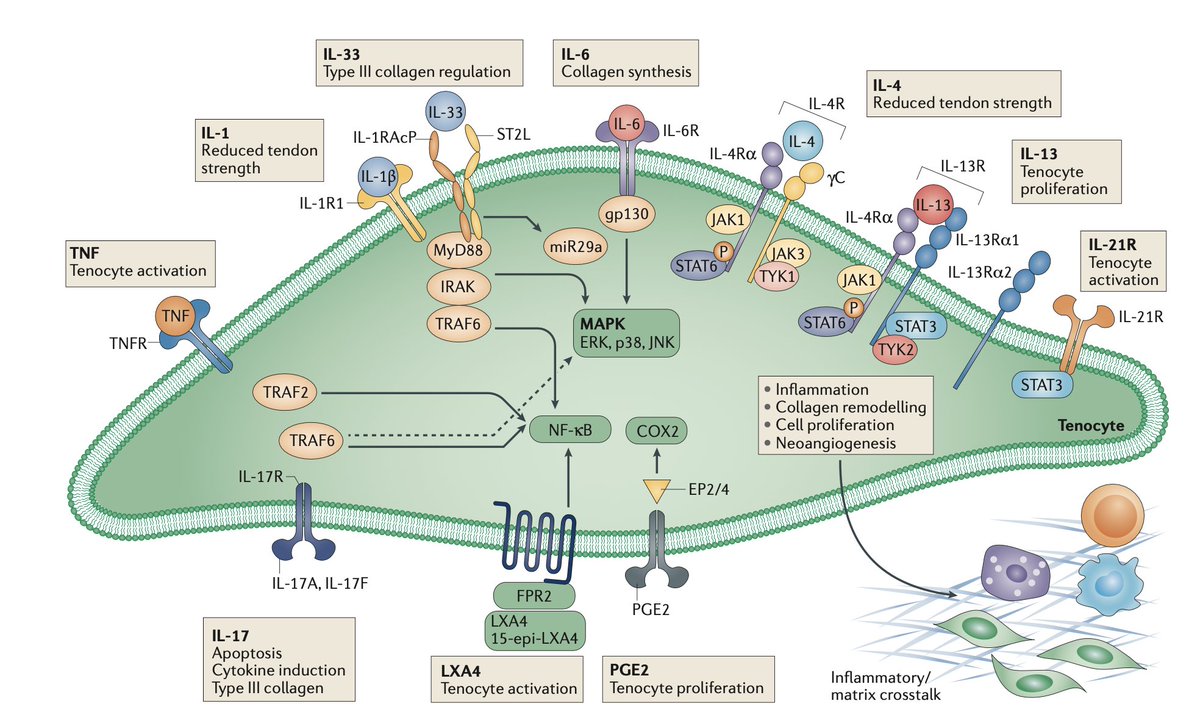
Tendinopathy is often seen as a degenerative issue that doesn't involve inflammatory processes & sparks controversy
However, there seem to be a bunch of different processes occurring
"Inflammatory mechanisms in tendinopathy – towards translation"
https://t.co/KpdGBOdYFb
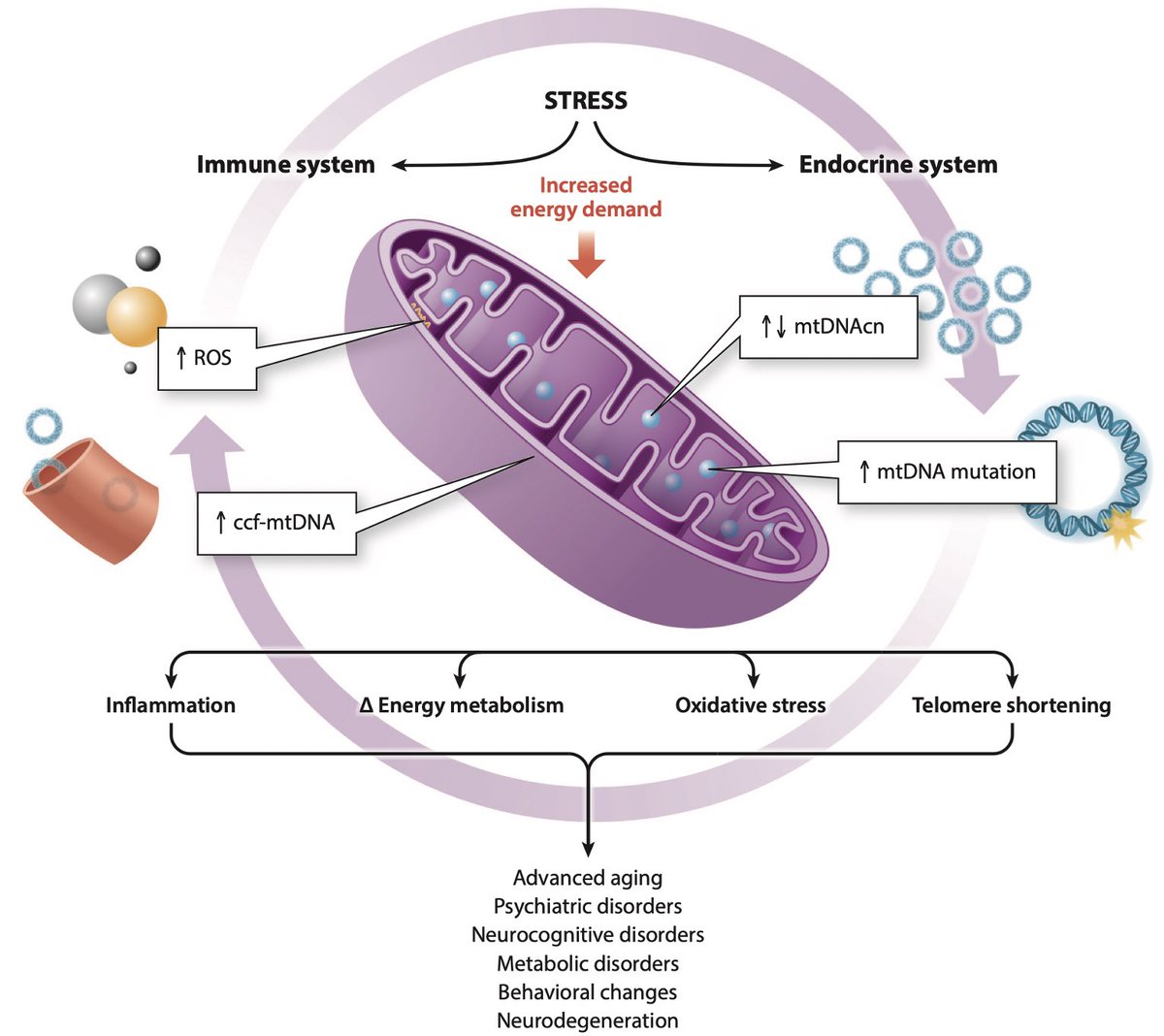
Mitochondria play a key role in the physiologic stress response through dynamic interactions with stress-associated pathways. Chronic stress can alter mitochondrial DNA and mitochondrial function, increasing the risk for pathological conditions…
https://t.co/f6VKrAhHRh
New study published in #Vaccine shows concerning rate of serious adverse events after mRNA vaccination, but estimates are limited b/c @pfizer & @moderna_tx won't release patient-level trial data.
Why are doctors blindly following Big Pharma?
https://t.co/M2QAoUsf5J
@AnatomyStandard Thanks for the response. Does that mean that as of now, we do not have access to the videos for education purposes? I am a clinician and think that this would be useful in the clinical setting. Thank you again for your time.