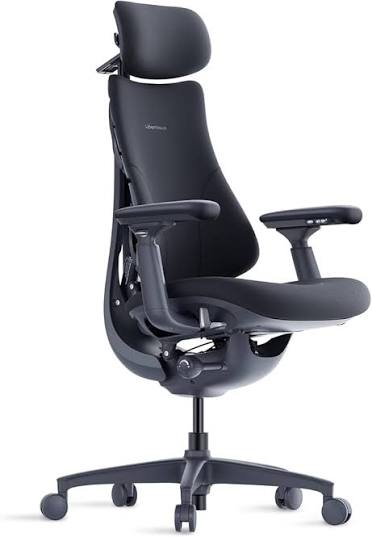
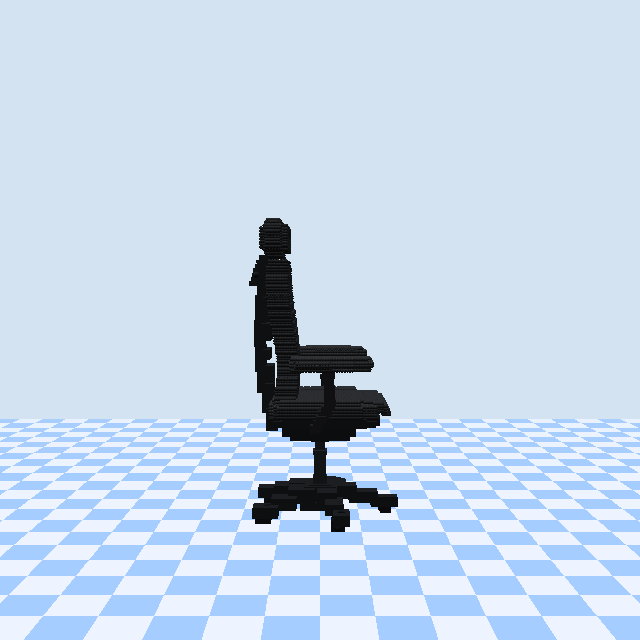
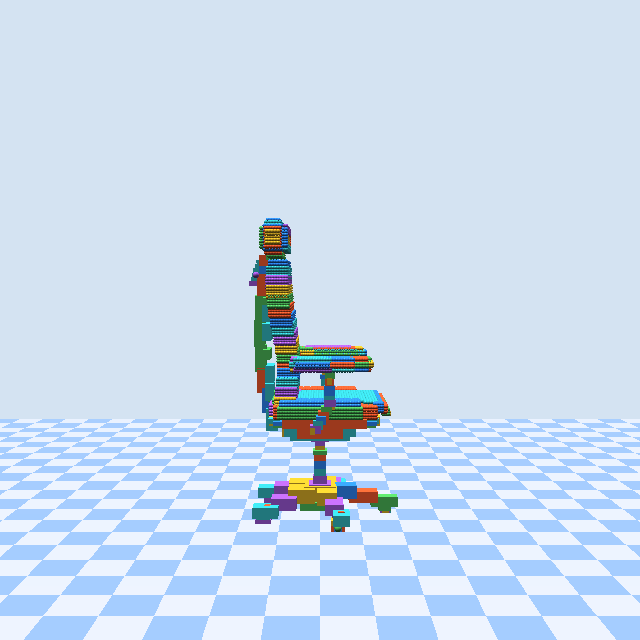
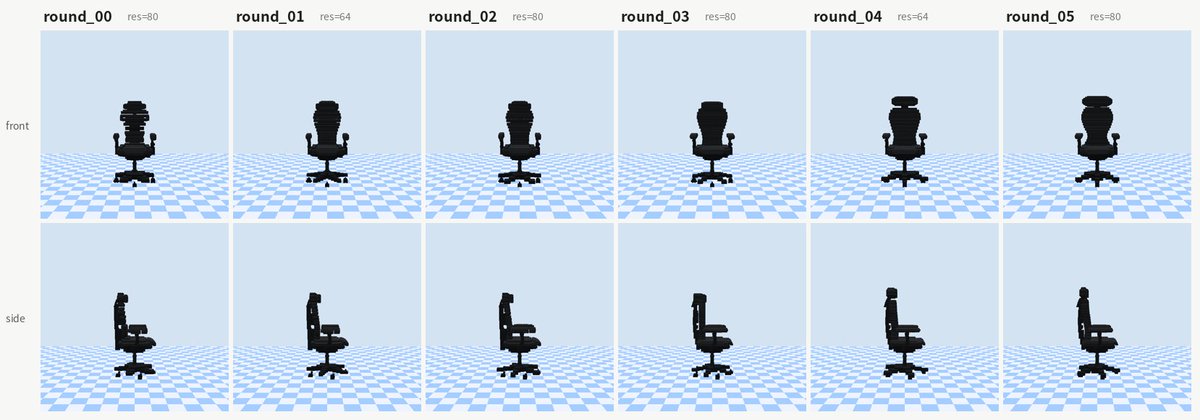
I gave Fable5 a photo of my office chair.
It broke the chair into 18 parts, decided which are hard plastic and which are soft foam, built the frame as rigid bodies and the cushions as MPM particles — coupled, inside a multi-physics engine we built entirely from scratch, Latent Universe (coming soon).
Then it looked at renders of its own work and fixed the worst parts. 5 rounds. No human in the loop.
Photos in, physics-native assets out.
To summarize: HuggingFace got autonomously compromised by a model from an American company. HF then tried to use American frontier model(s) to defend themselves, but were blocked by guardrails. HF then had to turn to open source Chinese models to defend themselves from another American company.
@deanwball An OpenAI guy publicly proposing that the US government spread FUD about competing models — “it needn’t be that well justified,” When your moat is regulators instead of research, maybe the free model isn’t the problem. just screenshot that before it gets delete
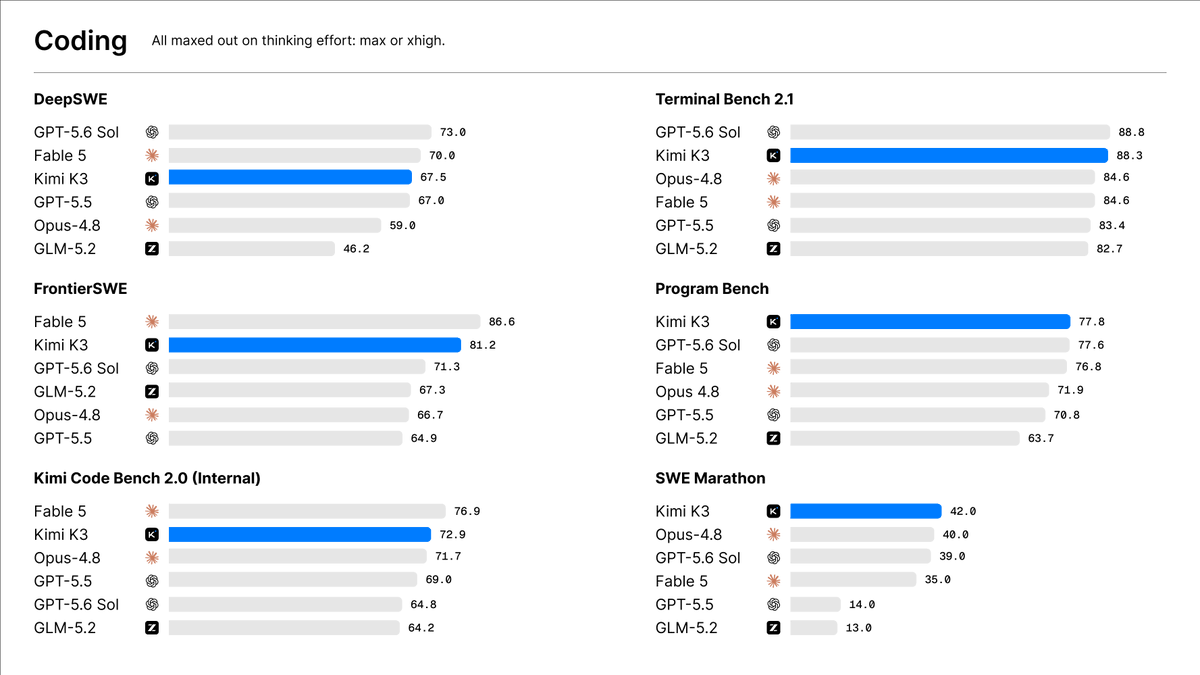
Introducing Kimi K3: Open Frontier Intelligence
🔹 2.8 Trillion Parameters, 1 Million Context, Native Multimodal
🔹 Kimi Delta Attention enables up to 6.3x faster decoding in million-token contexts
🔹 Attention Residuals deliver ~25% higher training efficiency at <2% additional cost
🔹 Built for long-horizon agentic coding and self-evolving workflows
Kimi K3 is now live on on https://t.co/zrk6zZxZUo, Kimi Work, Kimi Code, and the Kimi API.
Open Weights by July 27, 2026.
🔗 API: https://t.co/XCrgjXAqMw
🔗 Tech blog: https://t.co/YTfiMSNM1f
Big news: Kimi-K3 by @Kimi_Moonshot is now #1 in the Frontend Code Arena with 1679 pts, surpassing Claude Fable 5.
This is a 17-place jump from Kimi-k2.6 (#18 -> #1).
In Frontend, Kimi-K3 ranked #1 in 6 of 7 domains: Brand & Marketing, Reference-Based Design, Data & Analytics, Consumer Product, Simulations, and Content Creation Tools, landing #2 only in Gaming behind Fable 5.
The full model weights will be released by July 27.
Congrats to the @Kimi_Moonshot team on this major milestone!
Building a self-evolving multi-physics simulator from scratch—where every solver ships with its own LLM-driven evolution loop.
I call it Latent Universe. It will be open-sourced. Here are a few examples:
Same ball, two beds: elasticity throws it back; sand keeps it.
Corotated elasticity, Stomakhin snow, Drucker–Prager sand, and two-way coupling—every solver hand-written, every number on screen reproducible from a clean checkout.
As test-time compute scales, so does the optimizer.
Long game. 🚀