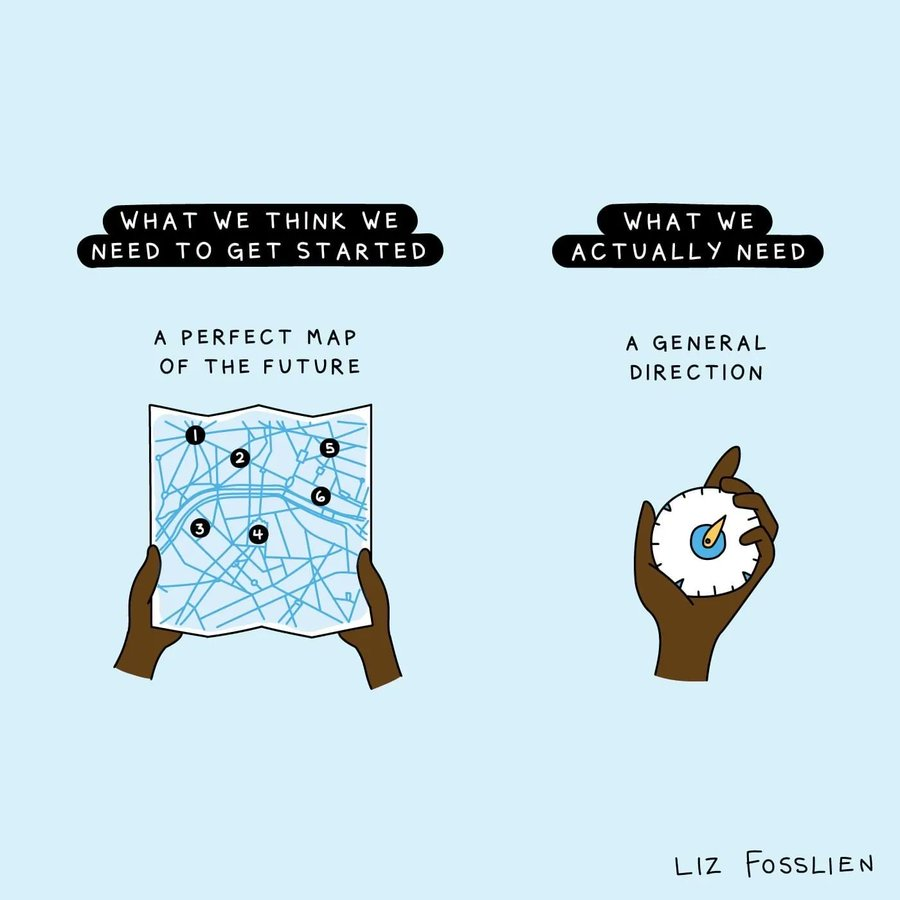
One thing I've learnt over the years is that it's usually a good idea to have a plan for change. The plan gathers people and shows the way. But lasting change is inherently emergent so don’t expect the change to exactly match the plan. The plan needs to be just “good enough” at the start, allowing room for tensions, uncertainties, and learning. Graphic by @lizandmollie
When designing performance metrics, we should follow the rule of the golden thread: align strategic organisational priorities to NHS national priorities, and improvement goals to strategic priorities
@DrNicolaBurgess https://t.co/BQ2cQsZ1ME
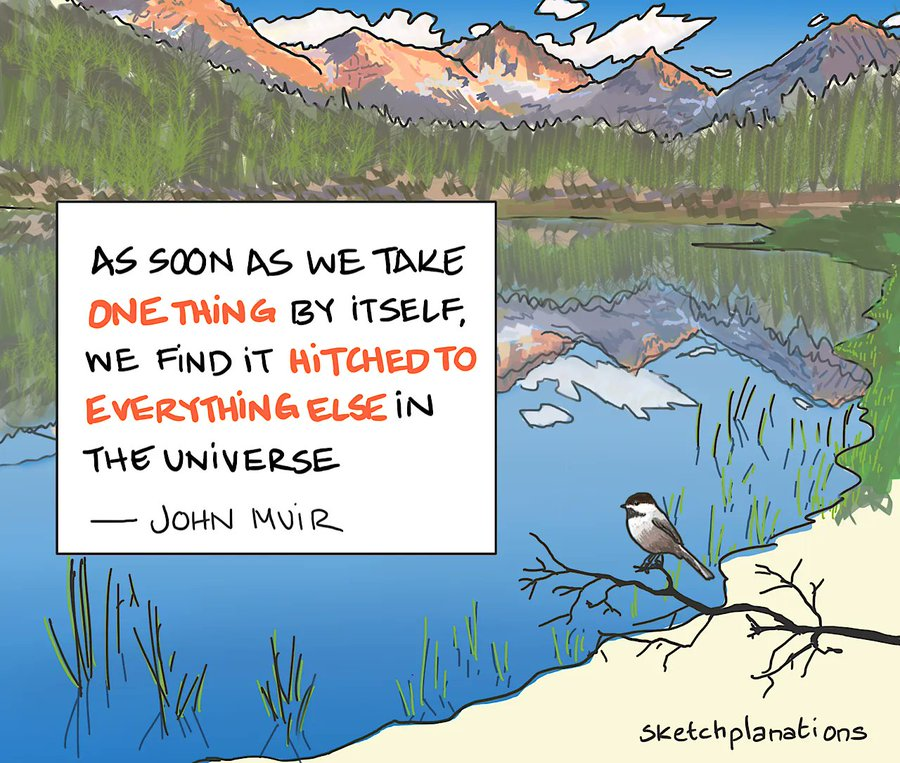
Many of the best examples of organisational/system change I've seen involve leaders creating the conditions for change so many people can test & learn through small scale changes. But there's a risk of "a thousand flowers blooming" separately & sub optimally if we don't see the small changes within the context of the larger system & help join them all up. Graphic: @sketchplanator
Our next donation drive is this Saturday! 🩳👕🧢🥫
Check out the list of items we need most and if you have anything you can spare, please visit us on Saturday 11am to 1pm at our storage site!
We rely on donations and are so grateful for anything you can provide 😊
#loveleam
Leading a team is much like conducting an orchestra. Its about building team cohesion based on a collective vision & shared goals & ensuring each person is valued for the unique contribution they make. We seek a synchronised effort that leaves a lasting impact: https://t.co/GgEDh7ofyN By @MarianTemmen Graphic: @tnvora
Have you seen our #CAAW23 magazine that showcases our Trust wide audits for improvement? Some wholesome lunch time reading celebrating our audit hero's here at @SWBHnhs
I've just booked to listen in to this virtual session from @theQCommunity on using social media to reach out to people who use health and care services & improve their health outcomes. It's free & open to non-members of Q. Q's virtual sessions are excellent. Book here: https://t.co/PGRceU5nwI
The One Stop Lung Cancer Clinic launched by @GM_Cancer has enabled patients to get better support, advice and guidance from a range of different specialists in one place and reduced unnecessary delays.
Learn more
https://t.co/dk8FUHQC1K
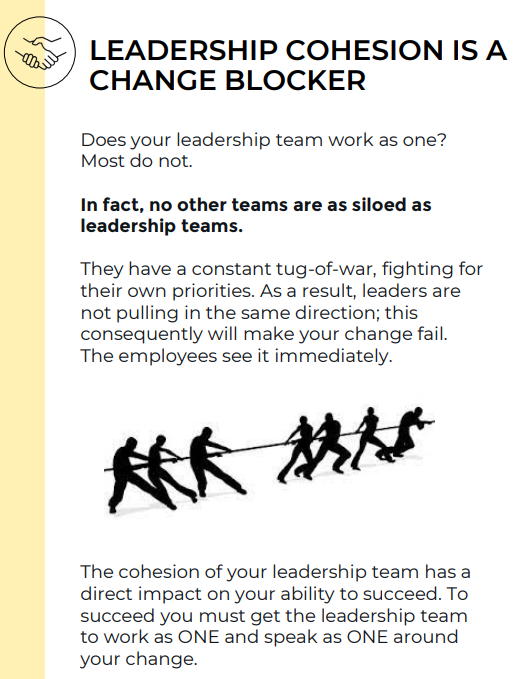
The Danish group @InnovisorInc has identified "6 change blockers" based on analysis of networks/influence/change with organisations in 70+ countries. The 6 blockers are:
1) Leadership cohesion - leadership teams are more siloed than any other kind of team
2) The fragmentation or even disconnection of internal teams
3) Misalignment between the senior team & the people in the organisation who are most influential
4) Disengagement & lack of commitment to the change from employees
5) Lack of leadership follow through
6) A project team that has not been set up for success
https://t.co/jgfrUse99U Thank you @JeppeHansgaard
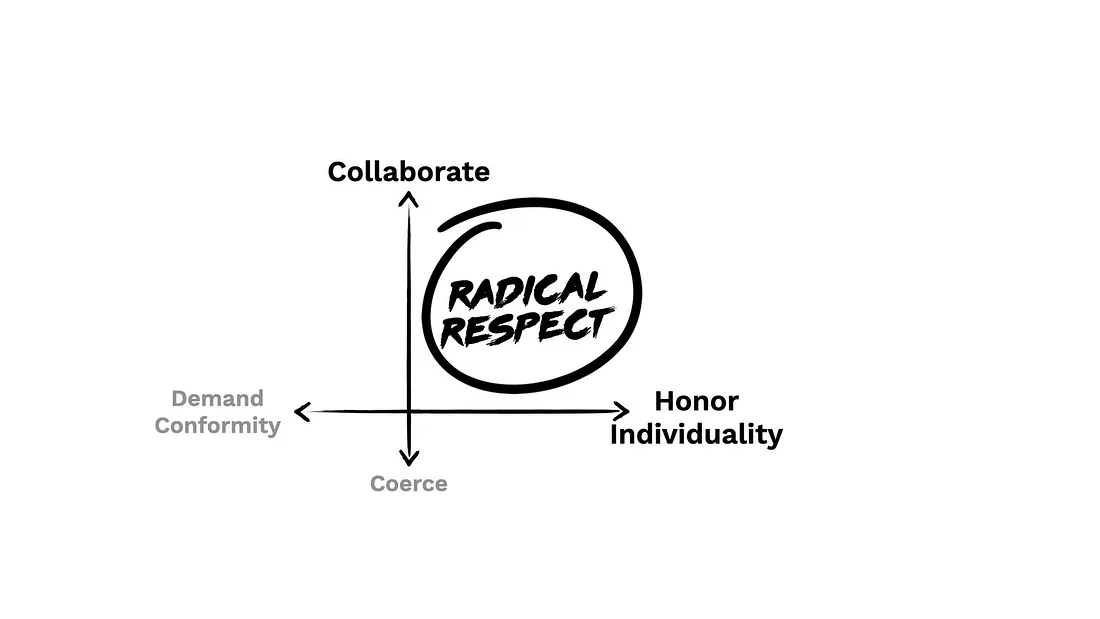
New from the author of "Radical Candor": We should seek to build "radical respect" at work. There are two elements:
1) We have to honour individuality (rather than demand conformity) if we want every person in our team or collaboration to bring their full potential
2) We have to work on the basis of healthy collaboration (not coercion which doesn't improve results and blocks innovation)
https://t.co/7A7zck41Zp By @kimballscott
Do YOU work for the @NHSUK? Or know someone who does?💙
@JamiesMOF are offering all #NHS workers a FREE online cookery class with our expert chefs as a little thank you for everything you do. There's 3 dates to choose from, please RT to spread the word! > https://t.co/Mshmy5rtBC
It makes such a difference to the culture transformation journey when the organisation’s CEO is actively engaged and supportive of the programme, as evidenced in our independent evaluation (https://t.co/QGY7VqIyyz) and demonstrated by @Mel_Pickup @BTHFT
Before jumping into improvement, the right environment is needed to ensure it has the best possible chance of being successful. Here are key conditions that need to be present for carrying out improvement: #QI