🚨Results of our large single center cohort of recurrent RPS!!!
👍Primary surgery = best chance of cure (Median OS- 137 m)
👍Meaningful survival even in recurrent disease
👍Well selected patients… OS > 57m even up to 4th recurrence
@drmgoel@Shraddha_234
https://t.co/RSPYTJzshp
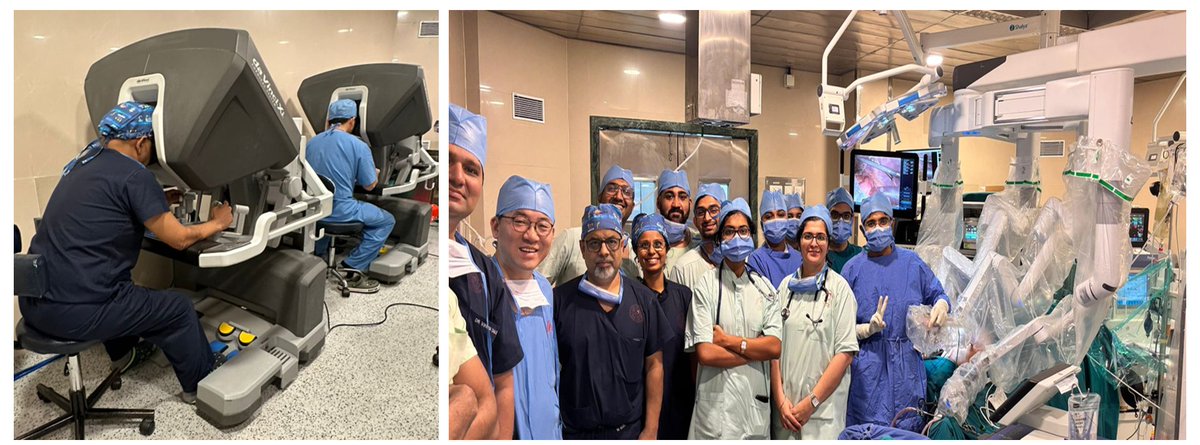
IVC sarcomas... Involving Bilateral renal ostia!!!
Do we really need to reconstruct???
Resection without reconstruction... our standard procedure
Left renal vein drainage🤔 Collaterals almost always reliable👍
More than 50 cases.. Excellent outcomes!!
3 cases over last 2 weeks!
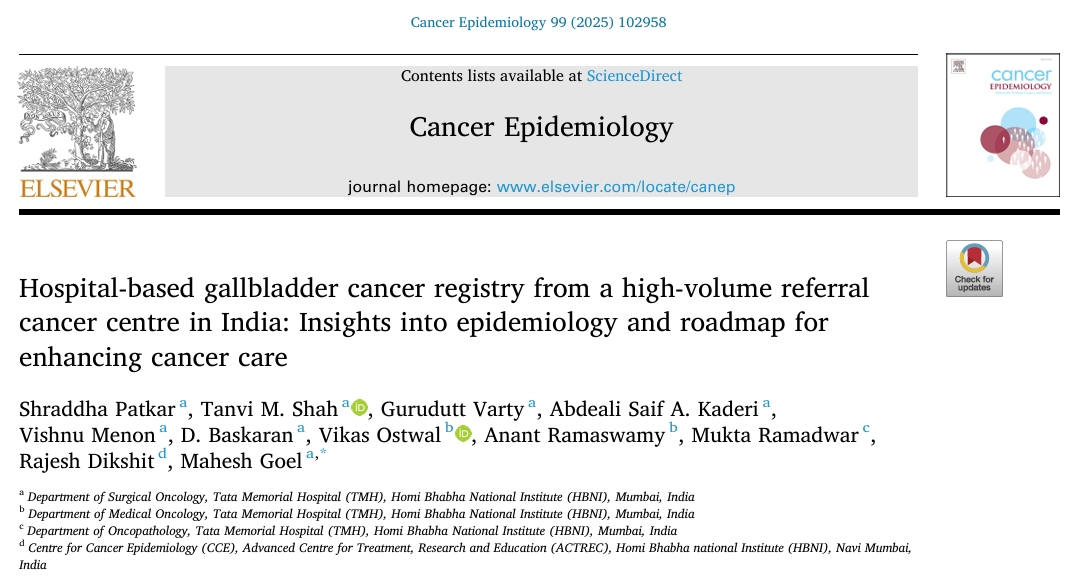
Gallbladder cancer registry…
The 1st from India…🇮🇳 and largest in the world!!!
1950 patients over 3 years!!!
Insights into epidemiology and roadmap for enhancing care….
@drmgoel@Shraddha_234@cspramesh
Check the link below👇
https://t.co/dv5f1Dajco
India must lead the way in GB cancer research. Congratulations to the team on the successful completion of this trial and win! @TataMemorial@ACTREC_TMC
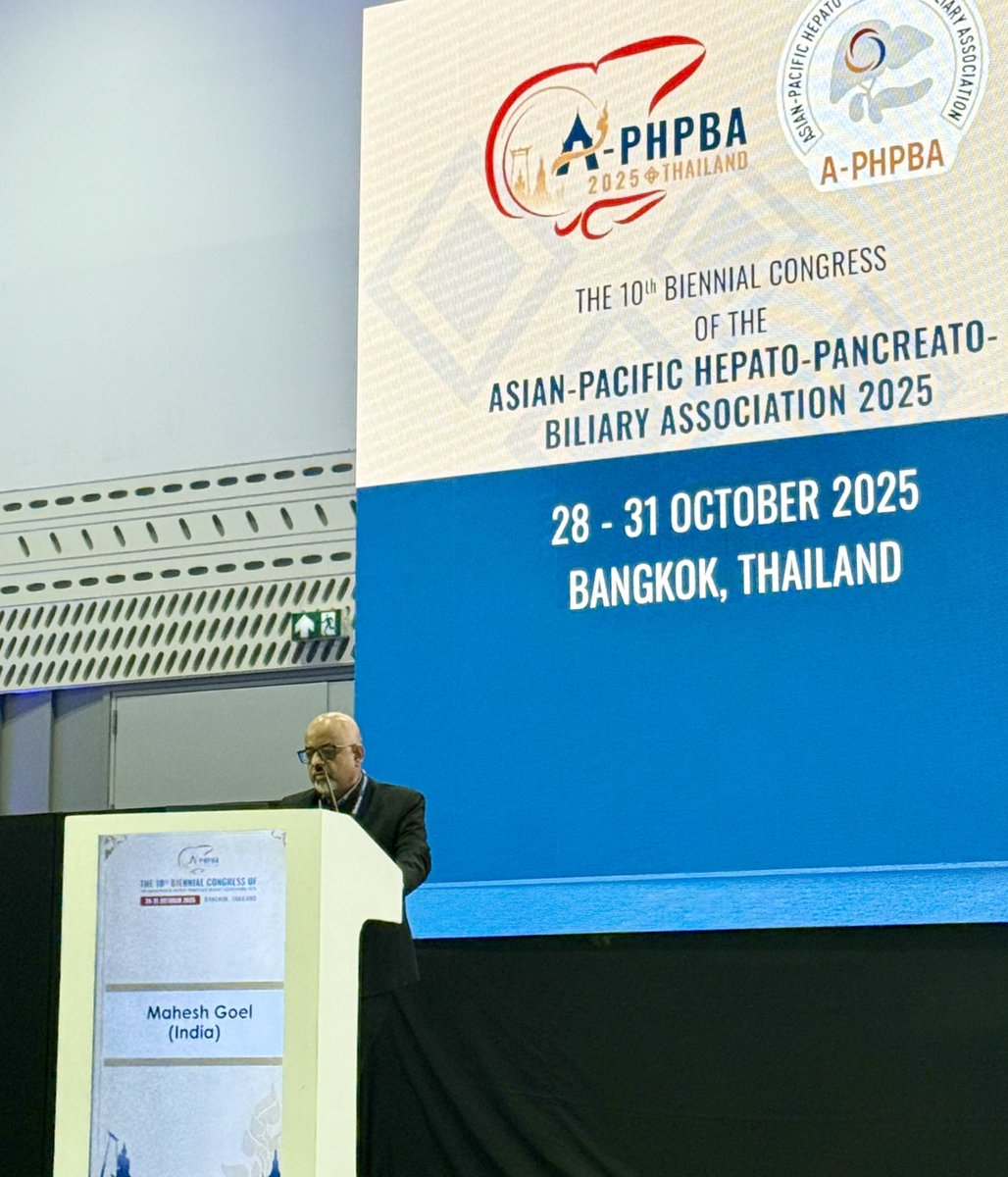
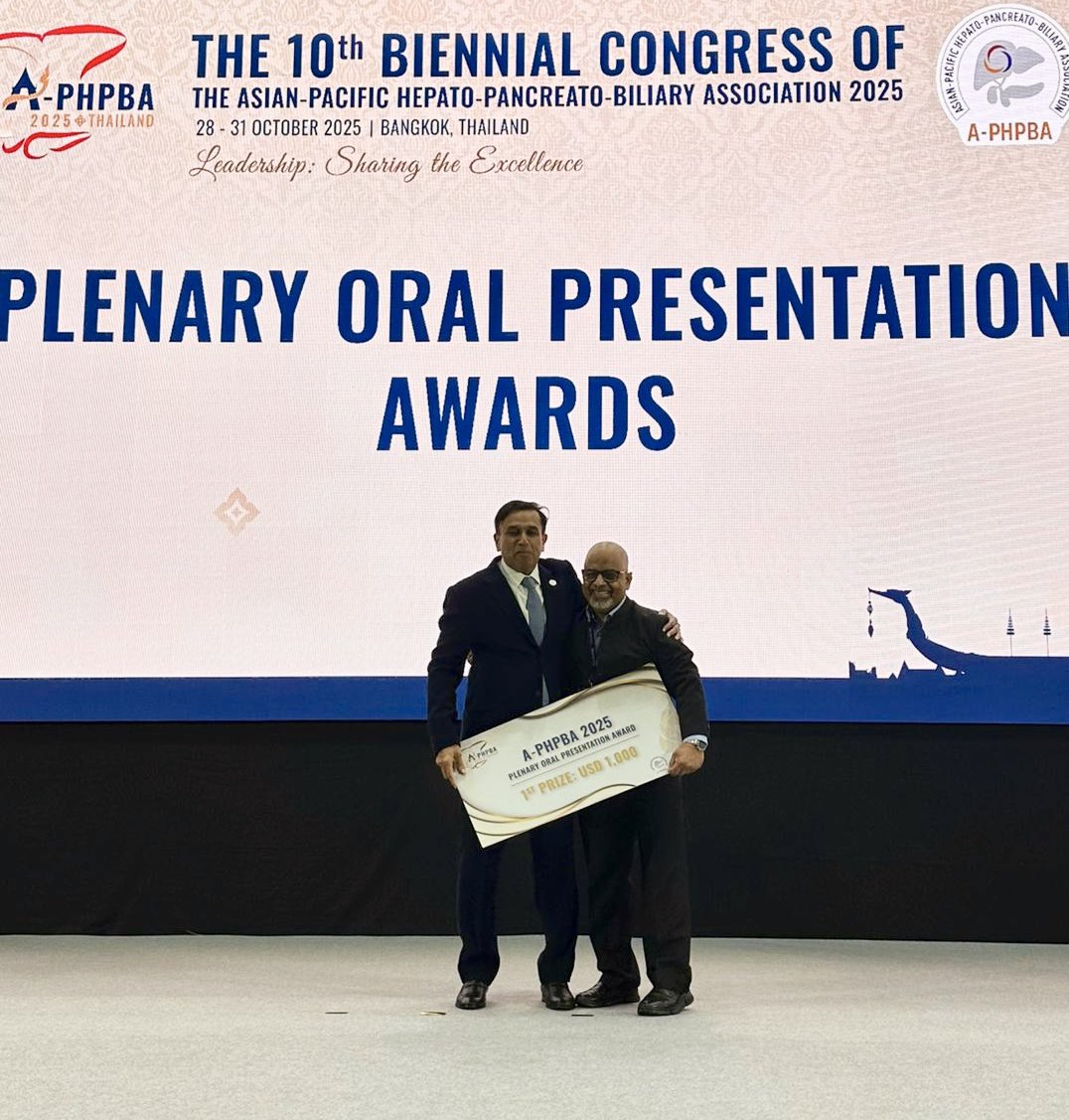
🏆 Big win at #APHPBA2025!
The POLCAGB Trial clinches Best Paper Award at the Plenary Session!
💡 Concurrent chemoradiation + chemotherapy shows improved survival & resection outcomes in locally advanced gallbladder cancer.
@shraddha_234@APHPBA
In summary:
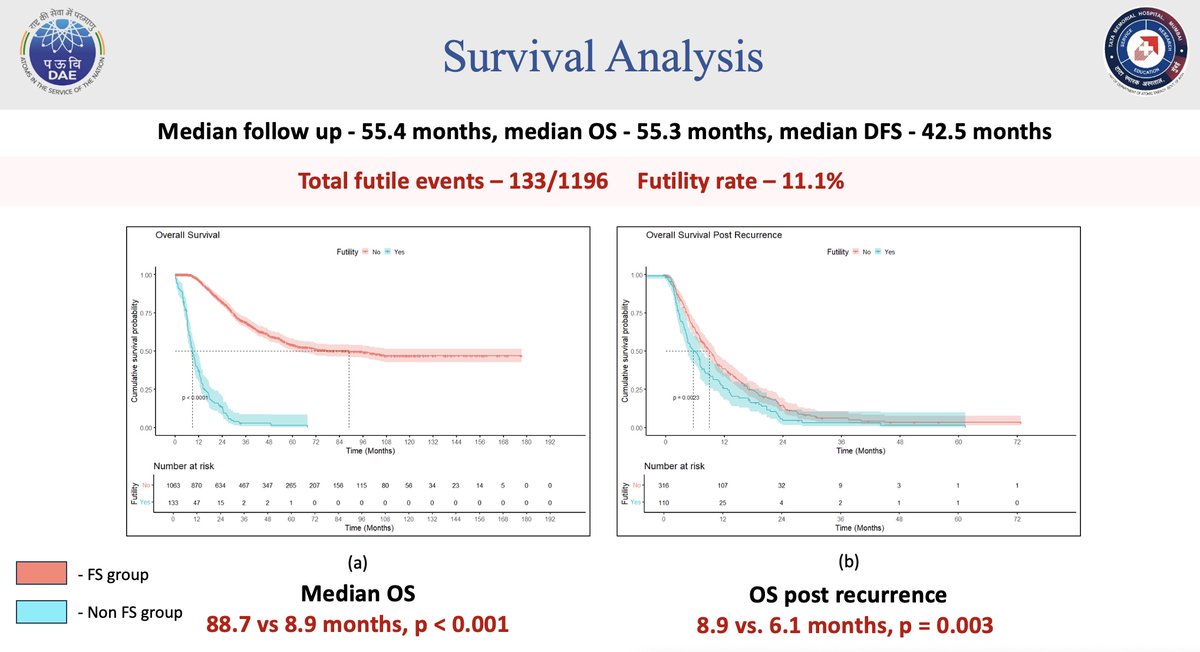
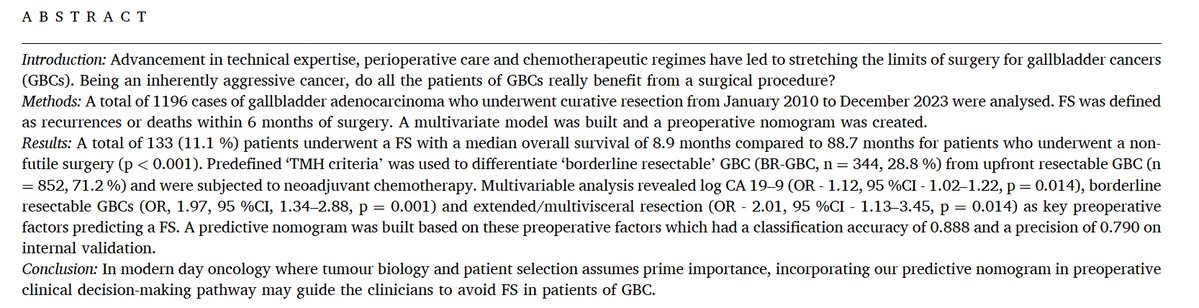
11% of resections were futile
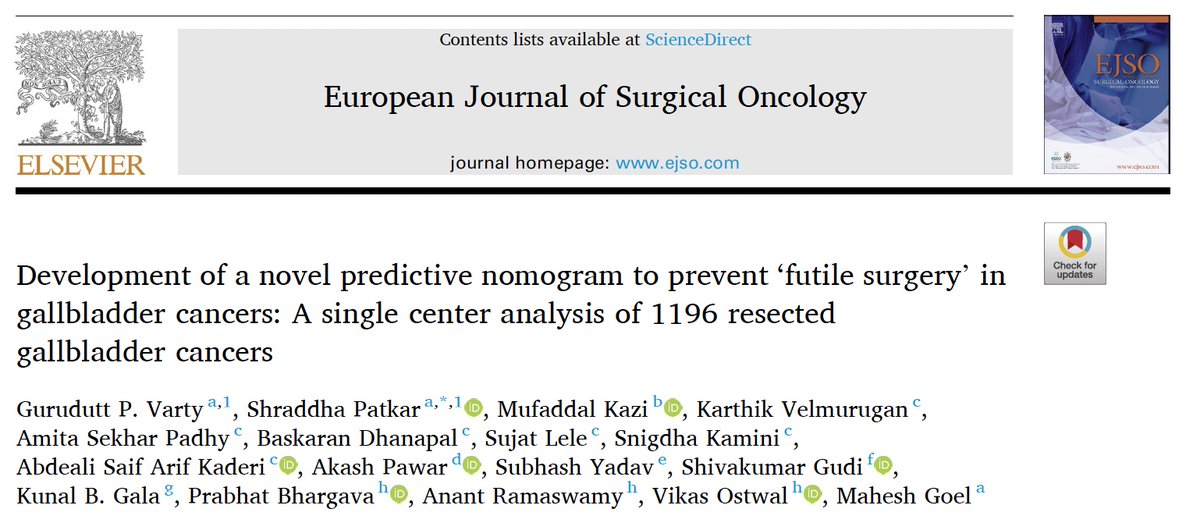
High CA19–9, BR-GBC, and extended resections predict futility
Nomogram helps preoperatively identify patients unlikely to benefit
“Primum non nocere” — first, do no harm
⚠️ How common is Futile Surgery?
👉 133 of 1196 patients (11.1%)
Median OS:
FS = 8.9 months
Non-FS = 88.7 months
(p < 0.001)
Even among recurrences, OS was worse after FS (6.1 vs 8.9 months).
Slide summary👇🏽
@APHPBA@AHPBA@EAHPBA
💡 Why this matters:
GBC is an aggressive disease.
Despite “curative” resection, many patients recur or die within months — questioning the value of surgery.
We defined “Futile Surgery (FS)” as recurrence or death within 6 months after resection.
@EAVegaMD@timpawlik@ItaruEndo
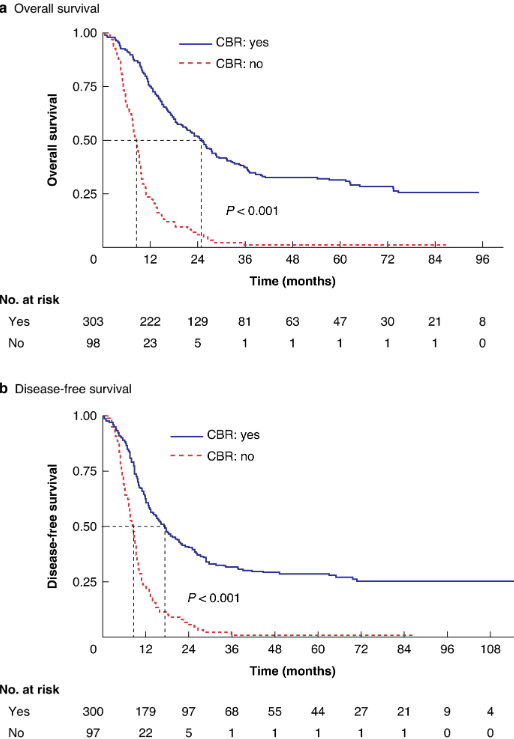
Predicting clinical benefit response after neoadjuvant chemotherapy in locally advanced gallbladder cancer: retrospective analysis
➡️https://t.co/LE3hxMHrOC
A clinically beneficial response (CBR) to neoadjuvant chemotherapy is associated with significantly improved survival. Factors associated with a worse CBR rate include age at diagnosis ≥ 55.5 years, Eastern Cooperative Oncology Group performance status ≥ 1, a platelet count ≥ 468 × 109/l, tumour size ≥ 2.1 cm, T stage ≥ T3 and a systemic immune-inflammation index ≥ 1265.90. Patients with a score of > 25.2 on the nomogram developed to predict a CBR in this study are less likely to achieve a CBR.
👏👏👏@Shraddha_234, Kaival Gundavda , Kaushik Polusany , Raghav Yelamanchi , Gurudutt P Varty , Niket Shah , Akash Pawar , Vikas Ostwal , Anant Ramaswamy , Prabhat Bhargava , Mahesh Goel
#SoMe4Surgery #MedTwitter #SurgEd #Surgery @BJSAcademy@BJSurgery@young_bjs@juliomayol@JJEarnshaw @OUPMedicine #cholangiocarcinoma #gallbladder #some4hpb #some4tpl @hpb_so