Prime Minister @andyburnham and Foreign Secretary @Ed_Miliband : how much longer will Britain remain silent?
For three years the father of my two sons, and Pakistan’s former Prime Minister, Imran Khan, has been brutally penalised by his political opponents, in a personal vendetta by Army Chief, Asim Munir, which according to the UN, amounts to torture and which is now taking a potentially fatal toll on his physical and mental health.
He has endured 3 years of solitary confinement. For nearly ten months now his family has been denied contact with him. He has been deprived of the most basic human contact, denied access to books, lawyers and doctors.
The international human-rights standards are unequivocal. Under the UN’s Nelson Mandela Rules, solitary confinement lasting more than 15 consecutive days is prohibited and amounts to torture.
He has endured this treatment not for 15 days, but for three years.
Pakistan’s own Supreme Court has now intervened: ordering comprehensive medical treatment, access to his personal doctor, regular family visits and twice-weekly calls with his sons.
Yet those orders are being defied.
This is no longer simply a Pakistani political matter. It is a human-rights emergency.
He has deep and lifelong ties to Britain. He studied at Oxford University, captained Oxford University cricket and spent years playing county cricket in England. His relationship with this country stretches back more than half a century. His charitable activities were internationally recognised, and include building the only free cancer hospital in Pakistan as well as a university.
His sons, my two boys, Sulaiman and Kasim, are British citizens. They have been forced to watch their father’s health decline from thousands of miles away, prevented from visiting him, denied visas, publicly threatened by government officials with arrest themselves, and even denied court-mandated regular phone calls.
I have repeatedly appealed to the UK government to intervene. Purported attempts at back channelling have evidently failed. The previous Foreign Secretary @DavidLammy informed me in writing that Britain would not intervene if my sons, British citizens, are arrested when they travel to Pakistan to visit their father.
@FCDOGovUK: Britain must now speak out publicly and unequivocally. Demand that Pakistan comply with its own Supreme Court; restore Imran Khan’s medical access, his right to see his family, end his prolonged isolation and uphold his fundamental human rights.
Pakistan is a Commonwealth country. Britain has a long and proud tradition of standing against arbitrary detention, inhumane treatment and the denial of fundamental rights. Those principles mean very little if we invoke them only selectively and neglect them when inconvenient.
This an appeal to the new Burnham government to please now do the right thing.
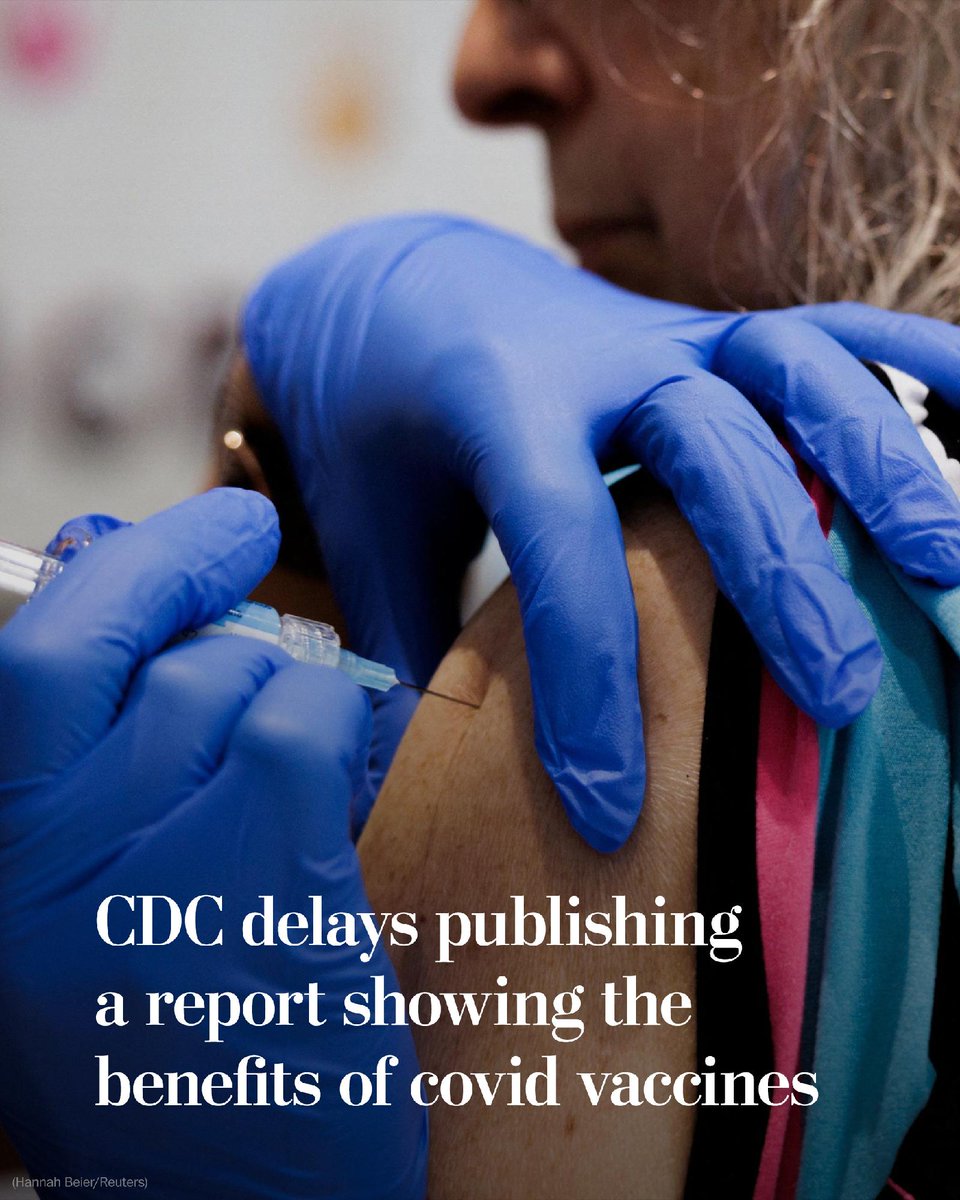
Exclusive: The CDC delayed a report showing covid-19 vaccines reduced emergency visits and hospitalizations in healthy adults by half.
The move raises concerns about the Trump administration downplaying vaccine benefits. https://t.co/p1zapRIpxj
Aga Khan University Hospital made history today! The AKU CABG Program has achieved Joint Commission International accreditation — a first in the country. This landmark reflects years of dedication, rigorous preparation, and teamwork and THOREESEEHIMMAT @AKUGlobal@cscaku
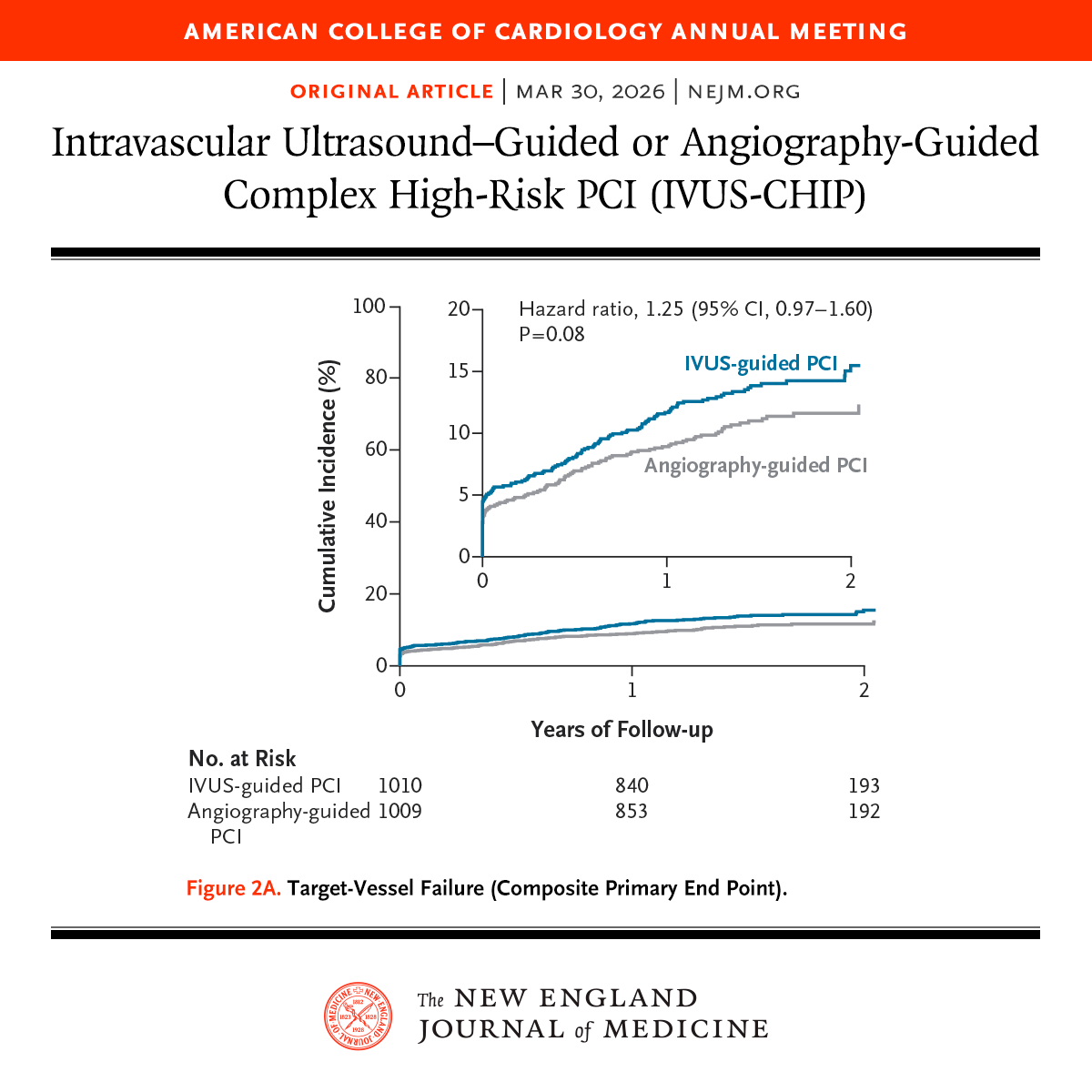
Presented at #ACC26:
In the IVUS-CHIP trial involving patients undergoing complex high-risk PCI, the risk of target-vessel failure (a composite outcome) was not lower with intravascular ultrasound guidance than with angiography guidance. Full trial results: https://t.co/oqHofLJUi6
Editorial: IVUS — A Zigzag Path to Success https://t.co/hb7PwRPlR3
@ACCinTouch
Presented at #ACC26:
In the phase 3 SCOUT-HCM trial, among adolescents with obstructive hypertrophic cardiomyopathy, the cardiac myosin inhibitor mavacamten led to a significantly greater reduction in left ventricular outflow tract obstruction than placebo. Full trial results: https://t.co/R7qJyV6CEA
@ACCinTouch
ACC 2026 | Two Trials, One Message: Lower LDL-C Targets Deliver Superior CV Outcomes
👉Two landmark trials presented today at #ACC26 in New Orleans converge on the same conclusion: being aggressive with LDL-C lowering saves lives and prevents events — whether in secondary or high-risk primary prevention.
📌 VESALIUS-CV Diabetes Subgroup (JAMA, March 28, 2026)
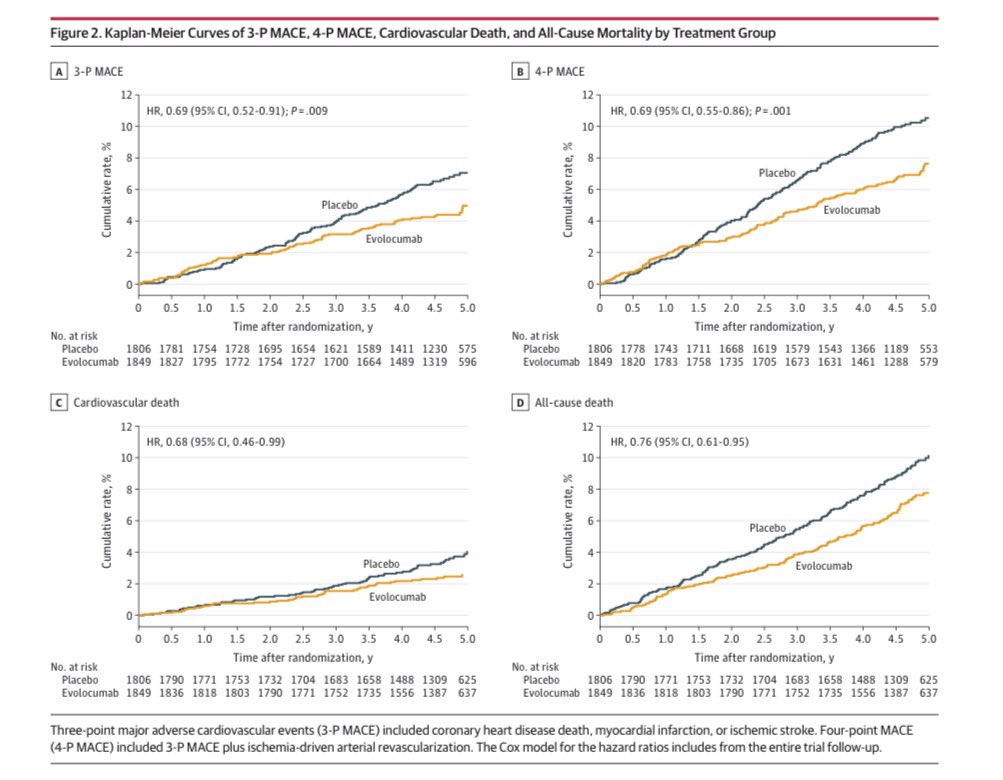
👉Evolocumab in high-risk primary prevention — no prior MI/stroke, no known significant atherosclerosis, diabetes
∙3,655 patients, median follow-up 4.8 years
∙LDL-C achieved: 52 mg/dL (evolocumab) vs. 111 mg/dL (placebo) at 48 weeks
∙3-P MACE: 5.0% vs. 7.1% — HR 0.69 (95% CI 0.52–0.91), p=0.009
∙4-P MACE: 7.6% vs. 10.5% — HR 0.69, p=0.001
∙All-cause mortality: HR 0.76 (95% CI 0.61–0.95)
∙Benefit emerged after year 1 — consistent with atherosclerosis prevention rather than plaque stabilization
∙Median achieved LDL-C at 96 weeks: 44 mg/dL — approaching the extreme-risk threshold
📌 Ez-PAVE (NEJM, March 28, 2026)
👉LDL-C target <55 vs. <70 mg/dL in established ASCVD — a head-to-head RCT
∙3,048 patients, 3-year follow-up, 17 Korean centers
∙Median LDL-C achieved: 56 vs. 66 mg/dL
∙Primary composite (CV death, MI, stroke, revascularization, UA hospitalization): 6.6% vs. 9.7% — HR 0.67 (95% CI 0.52–0.86), p=0.002
∙Nonfatal MI: HR 0.46 | Any revascularization: HR 0.63
∙No signal of harm: no excess diabetes, myopathy, or liver toxicity; creatinine elevation was actually lower in the intensive arm
∙Critical gap: only 60.8% reached <55 mg/dL at 3 years; PCSK9i used in only 2.3% — underscoring the implementation crisis in real-world practice
🔑 The Integrated Message
∙The “lower is better” paradigm now has direct RCT support across the CV risk continuum — from primary prevention with diabetes to established ASCVD
∙VESALIUS-CV challenges the binary secondary/primary prevention framework: a diabetic patient without clinical ASCVD already benefits from PCSK9i-level LDL-C reduction
∙Ez-PAVE validates ESC/EAS 2025 guideline targets with hard outcome data — no longer just extrapolated from drug trials
∙The real-world gap remains unacceptable: <25% of ASCVD patients reach <55 mg/dL; <10% receive ezetimibe; ~1% receive PCSK9i
∙Together, these data support a universal aggressive approach: early combination therapy, lower thresholds, and broader access to non-statin agents
DOI: 10.1056/NEJMoa2600283
DOI:10.1001/jama.2026.3277
@society_eas@nationallipid@LipidJournal@ACCinTouch
Among patients with #diabetes but without known significant atherosclerosis, intensive LDL-C lowering with evolocumab plus statin reduced risk of first major cardiovascular event vs placebo in the VESALIUS-CV trial.
#ACC26@ACCinTouch
🎥 Watch the video and read the full article:
https://t.co/CfJPEqn8mO
Today, I had the honour of speaking to the 47 countries that comprise the @UN#HumanRightsCouncil urging the immediate release of my father @imrankhanpti and all #Pakistan’s #politicalprisoners. Along with this, I want to be very clear. Like my father, I fully support maintaining GSP+ as the people of #Pakistan should never be punished for the actions of its leaders. But the Pakistani regime must also fully comply with the 27 treaties it committed to follow to obtain this benefit, including the International Covenant on Civil and Political Rights and Convention Against Torture. @UN@ptiofficial #HumanRights #ImranKhanUnlawfullyDetained
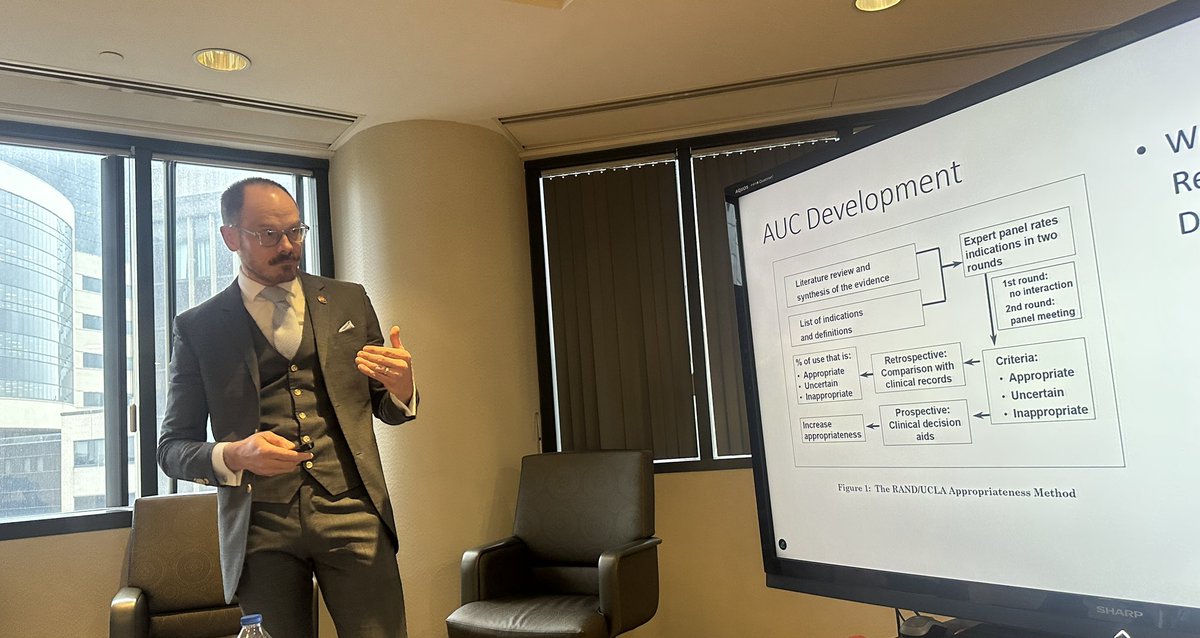
@UofLCardiology was thrilled to host @drdavemd@UF for visiting cardiology grand rounds @UofLHealth@uoflmedschool today where he discussed #AUC for multimodality imaging for chronic coronary disease. Masterful talk broken down into scenarios discussing which test for whom (or maybe no test is needed) and a behind the curtains peek as to the effort and thought that goes into making these documents! @ACCinTouch@kentuckyacc
https://t.co/Ql3SZpwjFL
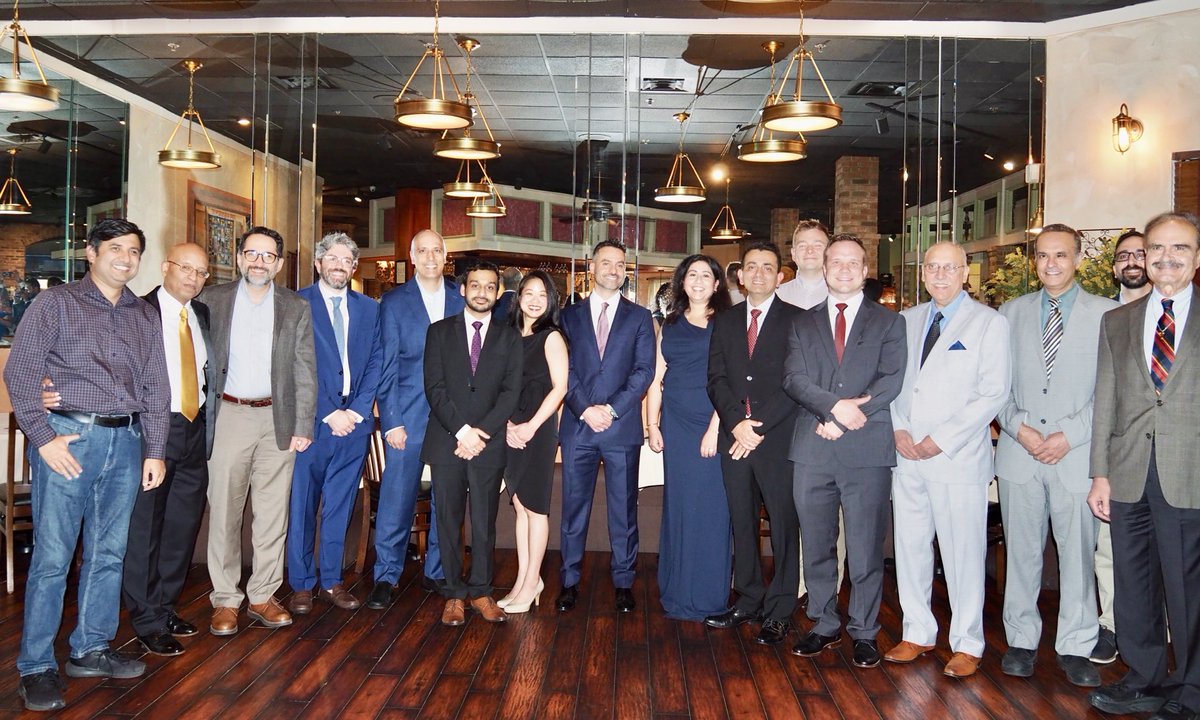
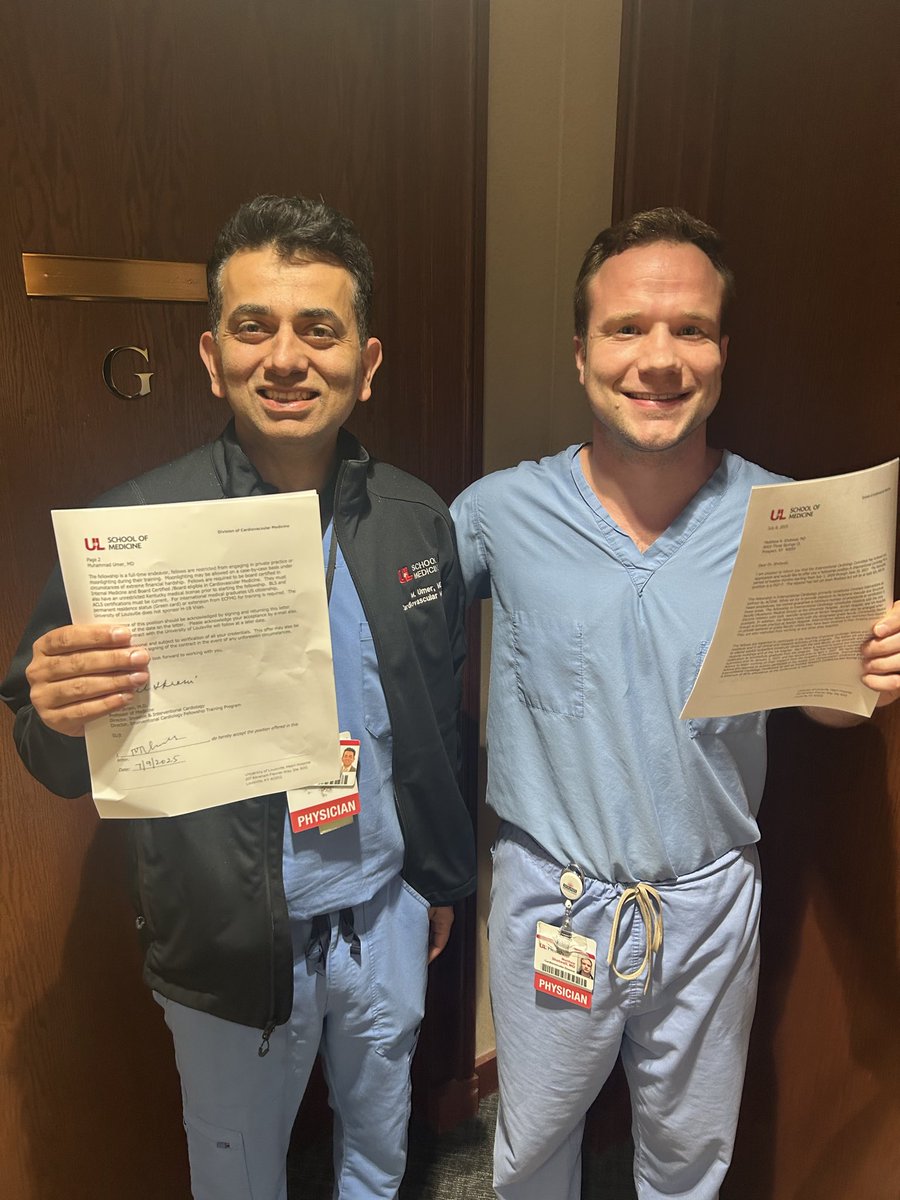
Honored to stay at @UofLCardiology for the Interventional Fellowship alongside a close friend who started this path with me @UofL. Grateful for the journey — excited for the next chapter. Thankful for the mentorship and support of @DineshKalra@shahabghaf
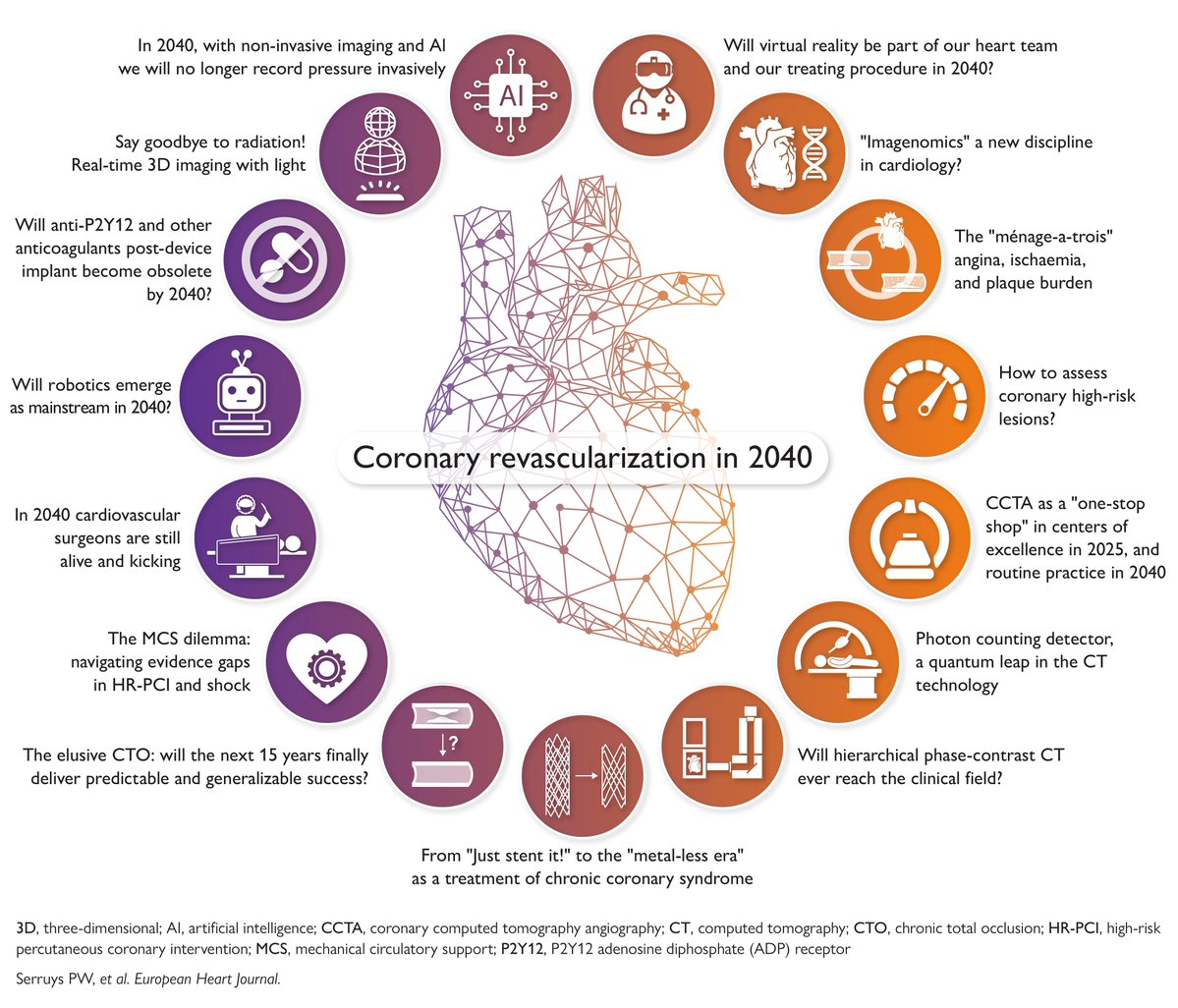
A must-read paper in #EHJ!
Coronary revascularization: a long-term perspective.
A State-of-the-Art review forecasting advancements by 2040, drawing on historical trends and recent breakthroughs.
@escardio@ESC_Journals#CardioTwitter
https://t.co/2I8oeozR6s