Sex, drugs, rock ’n’ roll… and Redd Foxx?! 😭😂
@kymwhitley reveals why she turned down an opportunity that could’ve changed her comedy career forever. 🍿 @terrellowens@thechrisspencer
2 Chainz finally unboxing his billionaire plaque from Spotify for “F**kin Problems”
“So you got a billion streams, you can’t even pay a billion dollars for none of these people to be on the same record again. Crazy….I’ll take it” 😂💿
The Norm entrance jokes on Cheers were famously tough to write.
George Wendt delivered 200+ of them over 11 seasons. As the show’s popularity grew, so did expectations. Writers said the real genius wasn’t always on the page; it was Wendt’s physical comedy, delivery, and timing.
God is saying to you: Pack up. Your current season is ending, and I am preparing something new. Pack up old disappointments, mindsets, fears, and limitations. You cannot take everything from the last chapter into the next; some things must be left behind. I am leading you into new opportunities, relationships, and growth. Do not grow so comfortable where you are that you miss where I am leading you. The signs and nudges are there. The door is opening. Trust Me through this transition. Pack up; it is time to move forward into the blessings, breakthroughs, and purpose I have prepared for you.
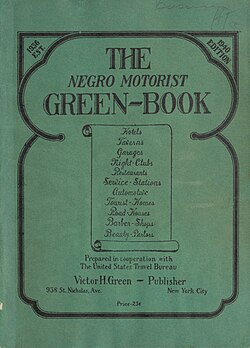
Your grandparents planned road trips like military operations. Ask them. For thirty years, Black families could not drive across America without a guidebook telling them which towns would kill them.
A postal worker in Harlem wrote it. The Negro Motorist Green Book.
Victor Hugo Green started it in 1936 as a list of places in New York that would serve Black customers. Within a few years it covered the country, then Bermuda, Mexico and Canada.
What it actually was, beneath the cheerful cover: a survival manual. Which garages would sell you petrol. Which hotels would give you a room.
Which restaurants had a back window. Which towns you had to be out of before the sun went down.
He built it from letters sent in by Black postal workers across the country — a network of people who knew every route in America and had all driven them.
At its height it was used by around two million people a year.
Families packed food for the whole journey because they could not rely on being served. Children were told to use the bathroom before leaving because there might not be another chance for three hundred miles.
Green wrote in an early edition that there would come a day when the guide would no longer be needed, and that this was the day he was working toward.
The last edition came out in 1967, three years after the Civil Rights Act. He did not live to see it. He died in 1960.