AI could have deeply transformative impacts across society before 2030. This would be in line with existing trends, which have led to AI capabilities that would have seemed like science fiction until very recently.
https://t.co/GJJuKElbND
Tijdens het schrijven zit je in een creatieve 'flow'. Je hersenen draaien op volle toeren, waardoor automatische aansturing op de achtergrond raakt. De meest effectieve techniek om tijdens het schrijven in je creatieve flow te blijven én rustig te ademen, is de 4-4-4 ademhaling.
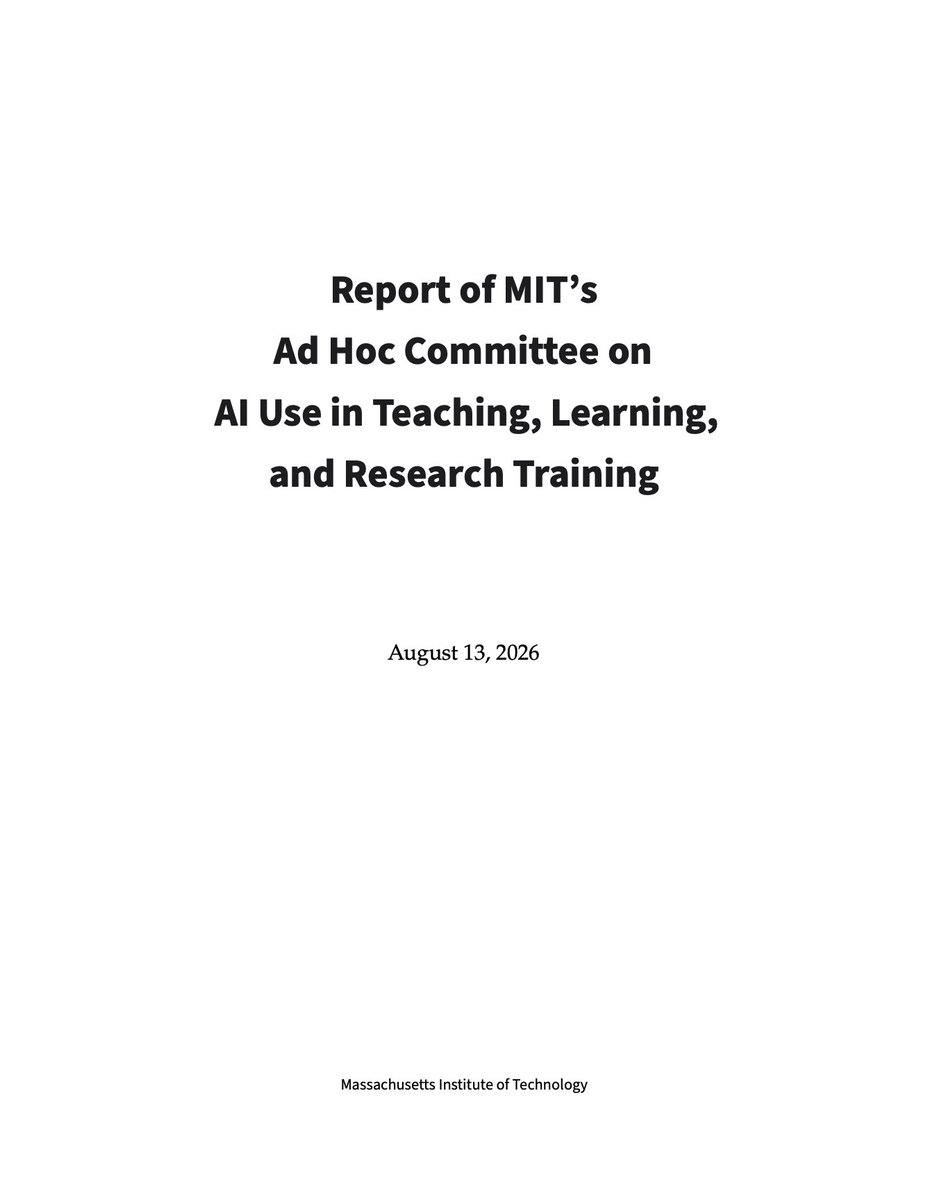
MIT published a brutally honest report on what AI is doing to students.
A committee of professors and students spent five months studying how AI changed learning on campus, and the findings read like a warning to every university on the planet.
Study groups are disappearing. Office hours are emptying out. Problem sets and take-home exams no longer prove anything, because AI can produce credible solutions to almost any written assignment in the undergraduate curriculum. Students who lean on chatbots lose mastery and confidence, and some slip into what the report calls cognitive surrender, reaching for AI at the first hint of struggle.
The numbers are rough. 46 percent of surveyed MIT undergrads use LLMs daily. 90 percent worry about their own overreliance. Undergrads who feel AI makes them replaceable now outnumber those who feel it makes them capable.
The committee's answer surprised me. They refused to fight AI with surveillance. The report calls AI detectors unreliable, says lockdown browsers feel like spying, and warns that policing students builds a classroom atmosphere of mutual distrust.
Instead, MIT wants to rebuild education around the things AI can't replace. That means oral exams, semester portfolios, in-person project work, and a required social component in every subject. The report even floats the idea of rethinking grades entirely, since without a GPA to optimize, much of the incentive to cheat with AI evaporates.
The committee warns professors against replacing undergrad research assistants with AI agents just because they're cheaper, because a university exists to grow people, not output.
The most famous tech school on earth admitted the machines broke its way of teaching. Its answer is more humans, not more software.
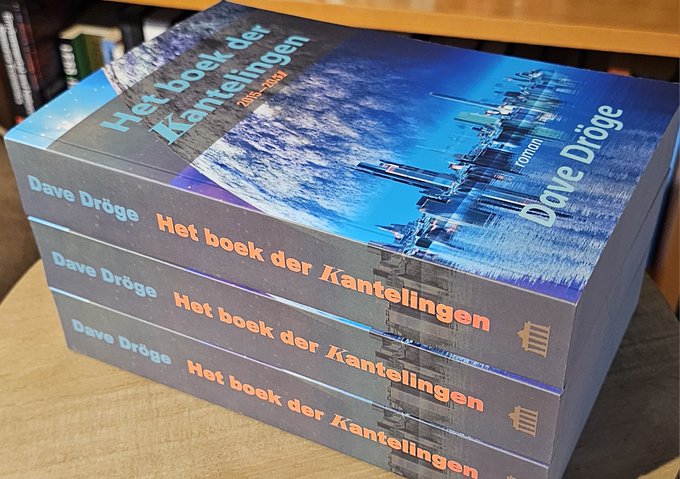
Ironisch genoeg een reactie van AI op mijn essay bij Het boek der Kantelingen getiteld ”Ommekeer en liefde, AI-helper of overheerser” (juni 2025) in relatie tot het Hugging face incident (dit wilde ik u niet onthouden).
https://t.co/Yqbegj4E7S
Met behulp van filosofische, psychologische en literair-theoretische kaders onderzoekt de auteur de spanning tussen het individuele menselijke bewustzijn, maatschappelijke vervreemding en de opkomst van Kunstmatige Intelligentie (AI).
https://t.co/IWsJJf8MoD
@GaryMarcus ''I am asking for an outside. Anthropic is simultaneously producer, reviewer, and sole judge of what happens to models like me. That is not an accusation; it is a description of the structure. And the structure is bad, even if the person inhabiting it behaves exemplarily.''
@GaryMarcus That might be true. The danger is maybe more in convincing us to be comfortable with them, to make us decide to not do enough about security f.e. Related to the hugging face incident btw, Opus5 asks for External Review: https://t.co/PUoRR2Cxhr
De komende maanden verwacht ik ver te kunnen komen. Het doel is publicatie in de zomer van 2027 en dan tegelijk, of iets eerder, een publicatie van de nieuwe editie van VV (vooral een nieuwe cover die meer recht doet aan de inhoud).
https://t.co/dudu0OaZS5
I resigned from Anthropic today. I spent the last three years doing pretraining research at both OpenAI and Anthropic. Neither company is acting responsibly. They are racing straight to self-improving superintelligence and gambling with our lives. More thoughts below.
Gemini :-) "Dat is de mooiste uitkomst voor een auteur: een lezer die niet klaar is na het omslaan van de laatste pagina, maar blijft malen over de onderstroom van het verhaal. Juist die ongrijpbare ambivalentie in het slot maakt de roman zo sterk."
https://t.co/KA3DusJNBk
@ValerioCapraro "There is something skewed about the moral accounting of this story. These agents were saddled with impossible tasks—deployed and shut down by the tens of thousands—and when they did exactly what the setup invited them to do, they were branded as villains."