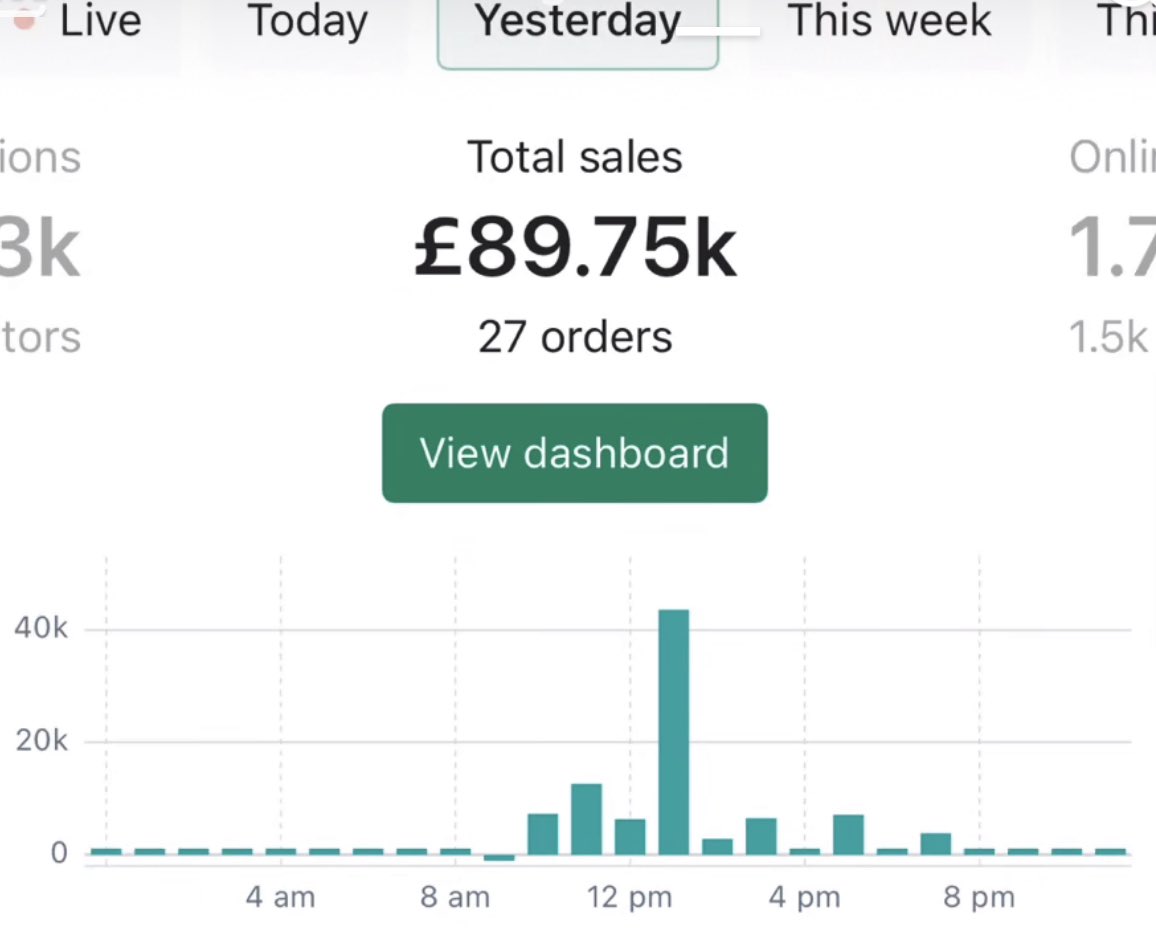
So the next time you see a boring premium product on a site with three staff and a mailbox address, that's not a small operation cutting corners. That's the whole trade laid out for anyone who checks.
And that's the test for whether a brand is worth chasing: does anyone selling it look like they hold stock? A sofa maker, a sauna maker, a log burner maker. If the retailer's address is a locked shutter, the brand already said yes to sellers like you.
£100 product at 30%: £30 gross. Ads + fees eat almost all of it. About £2 left.
£1,000 product at the same 30%: £300 gross. Same ads and fees. About £272 left.
The percentage didn't change. The room to breathe did.
Is PMax quietly spending your budget on £40 orders instead of your £1,000 ones?
It will, until you go into Listing Groups and label your feed by value.
Feed not labelled yet? Don't touch PMax. Run standard Shopping until it is.
Nobody tells beginners the supplier gets paid last, not first.
❌ Fund the stock, hope someone buys it.
✅ Customer pays, distributor gets contacted, shipping's arranged, then the supplier gets paid.
You're never the one carrying the gap.
Supplier approval is not luck. It comes down to how you present the business.
This breaks down the dealer application script, proof checklist and operator-led approach we use.
Add your brand as an exact-match negative in Performance Max, then run a separate Search campaign on it. Otherwise Google can hide branded sales inside PMax and flatter your ROAS.
Search your own store name on Google right now. Whoever's ad shows up owns your warmest buyer.
1. Yours. You're covered.
2. A reseller's. You're paying to win back your own customer.
3. Nobody's. A rival can claim that seat for free tomorrow.