Psychologist, New York Times bestselling author, and therapist. My books include Neurodharma, Resilient, Hardwiring Happiness, Buddha's Brain, & Just One Thing.
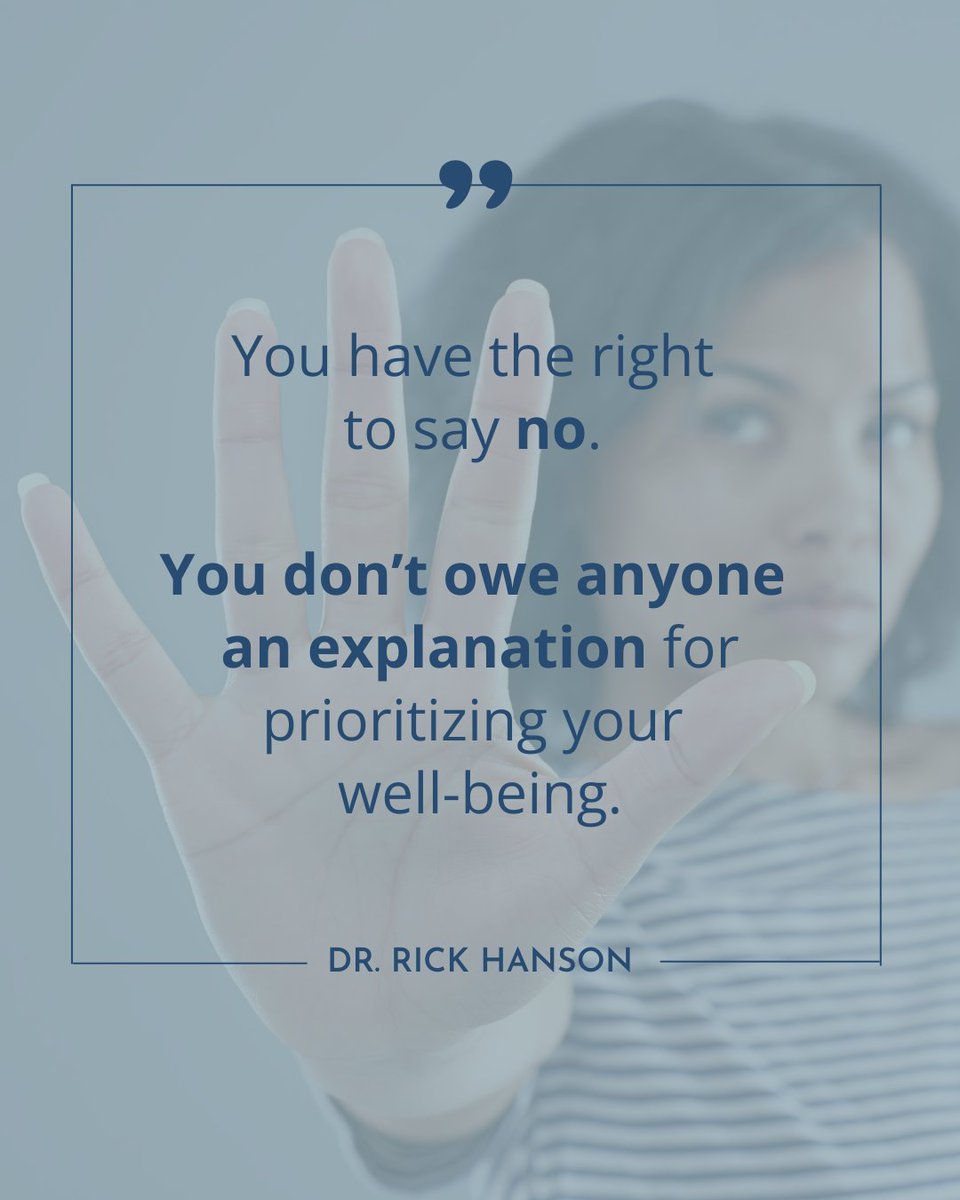
Saying no is part of taking care of yourself. You don’t need to justify it or explain it away. Knowing your limits and respecting them is a form of self-respect.
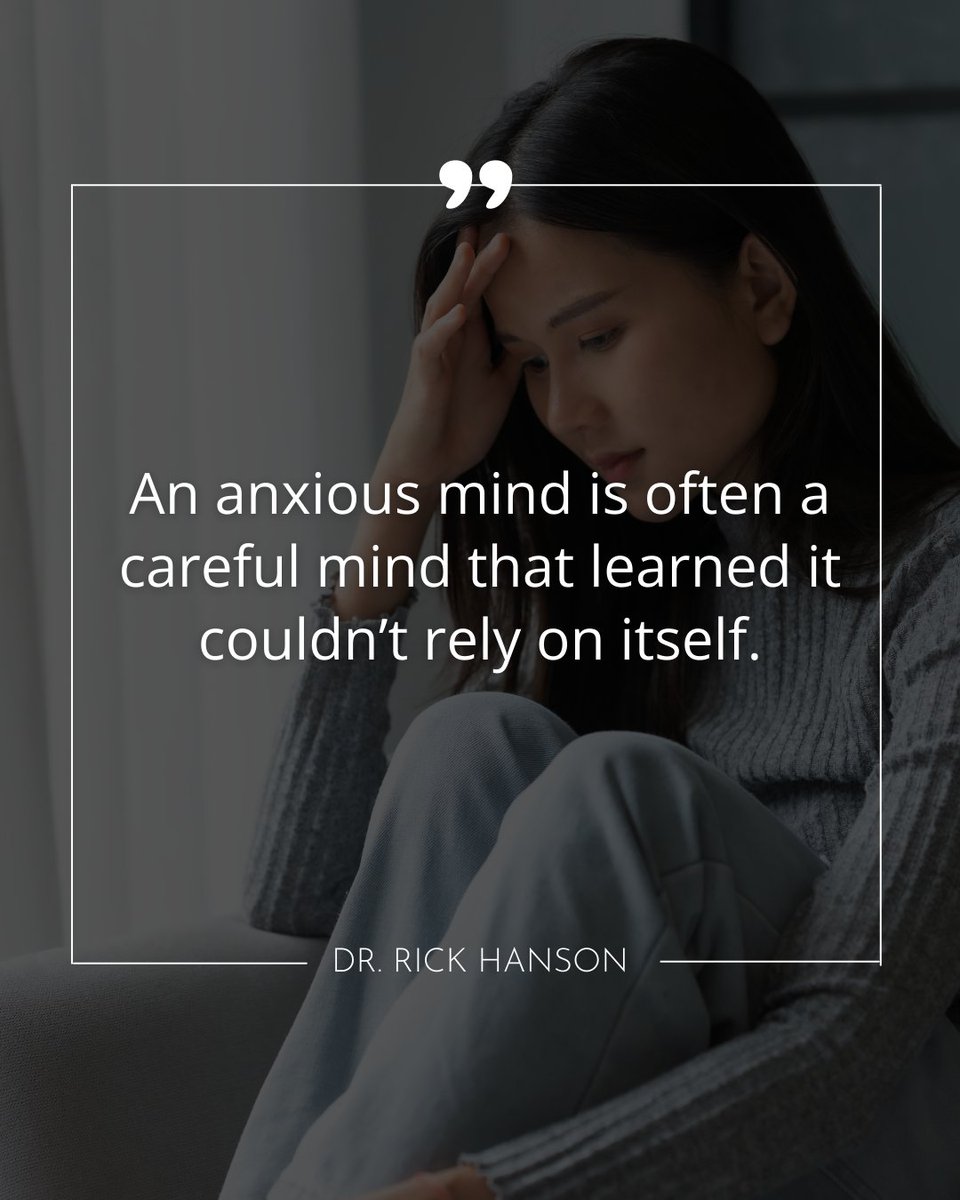
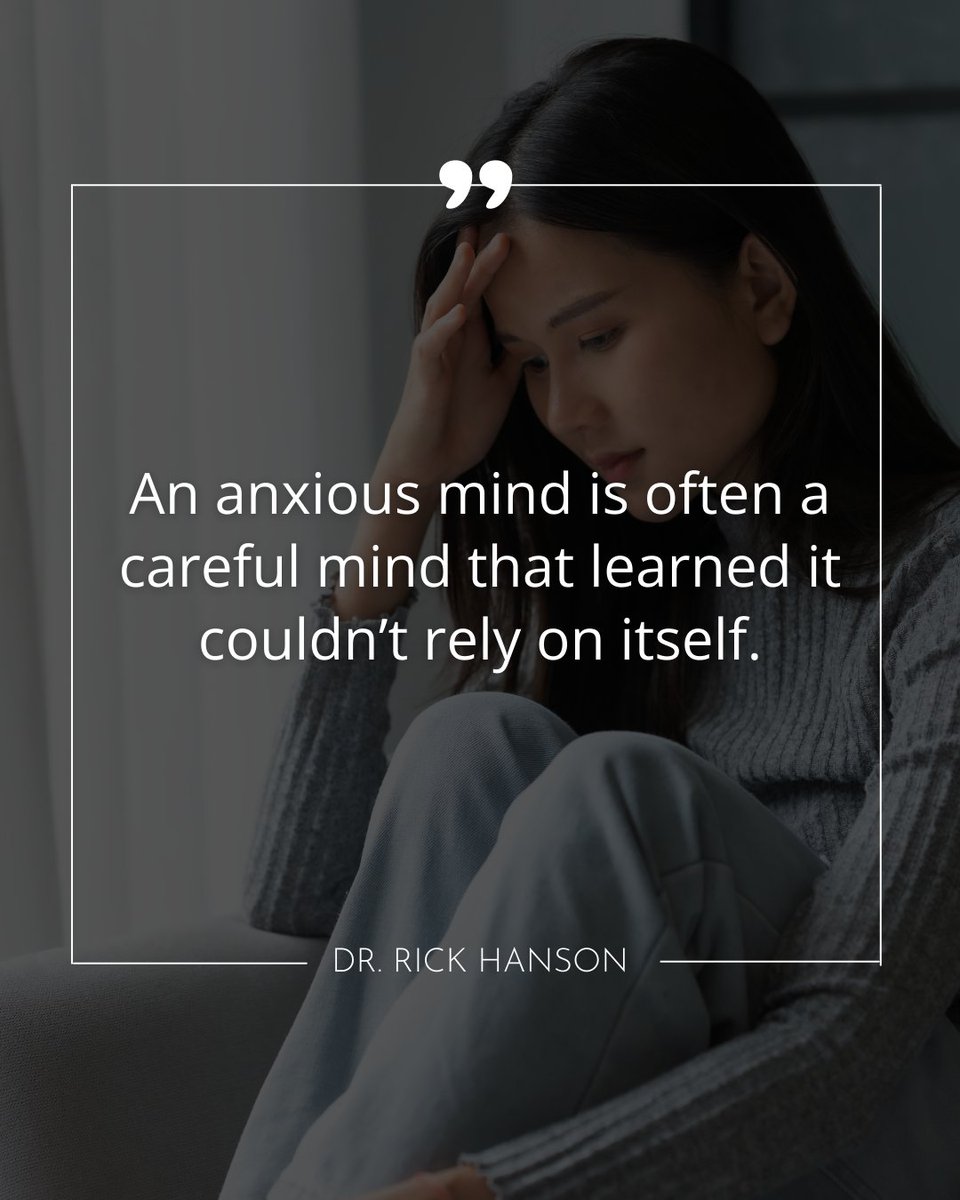
The work isn’t about getting rid of anxiety or pushing yourself to be confident. It’s about understanding what that carefulness has been trying to do for you, and slowly rebuilding a sense of steadiness inside.
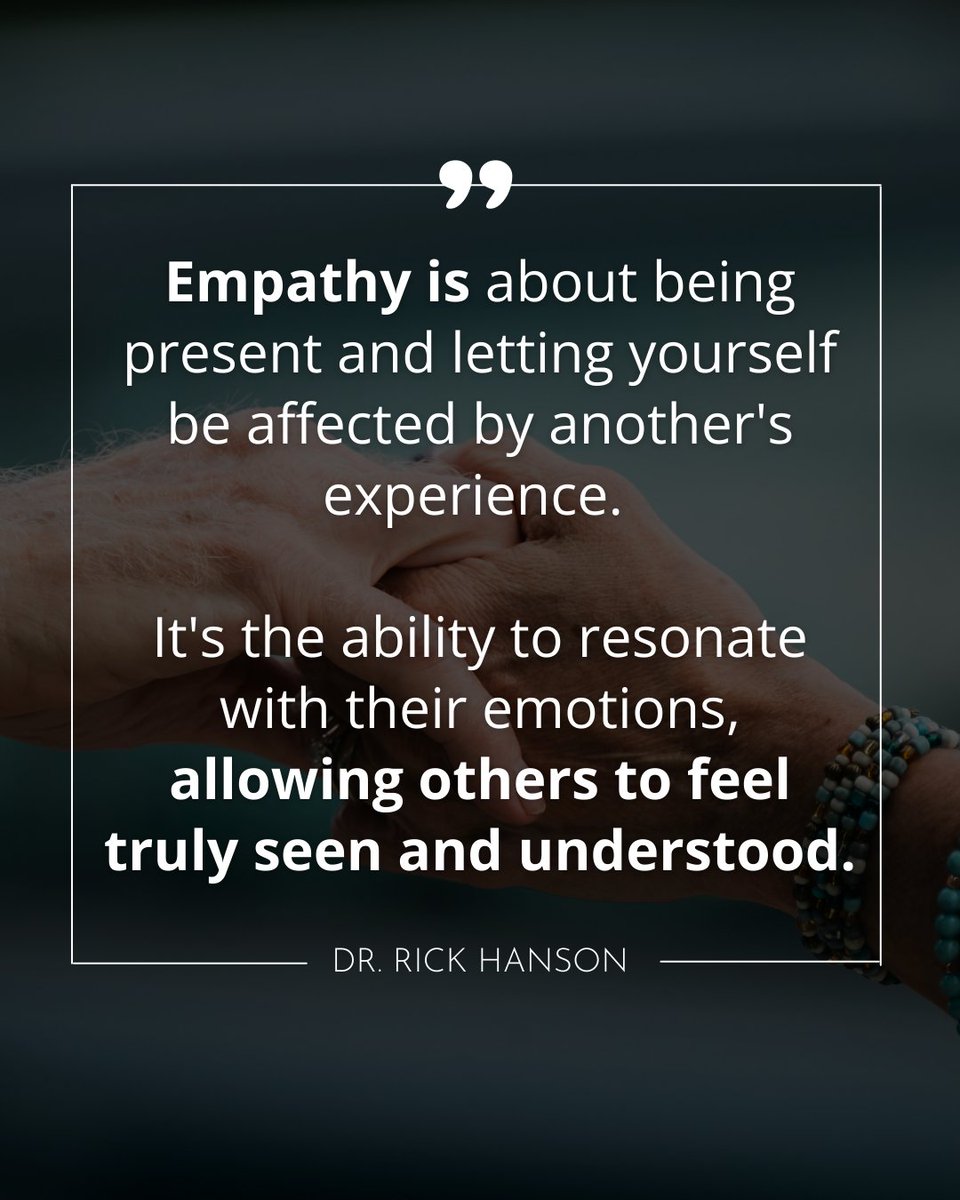
Empathy means letting yourself be touched.
Letting their experience take hold within you without losing yourself.
Just being there, open and receptive. That’s what helps someone feel truly understood.
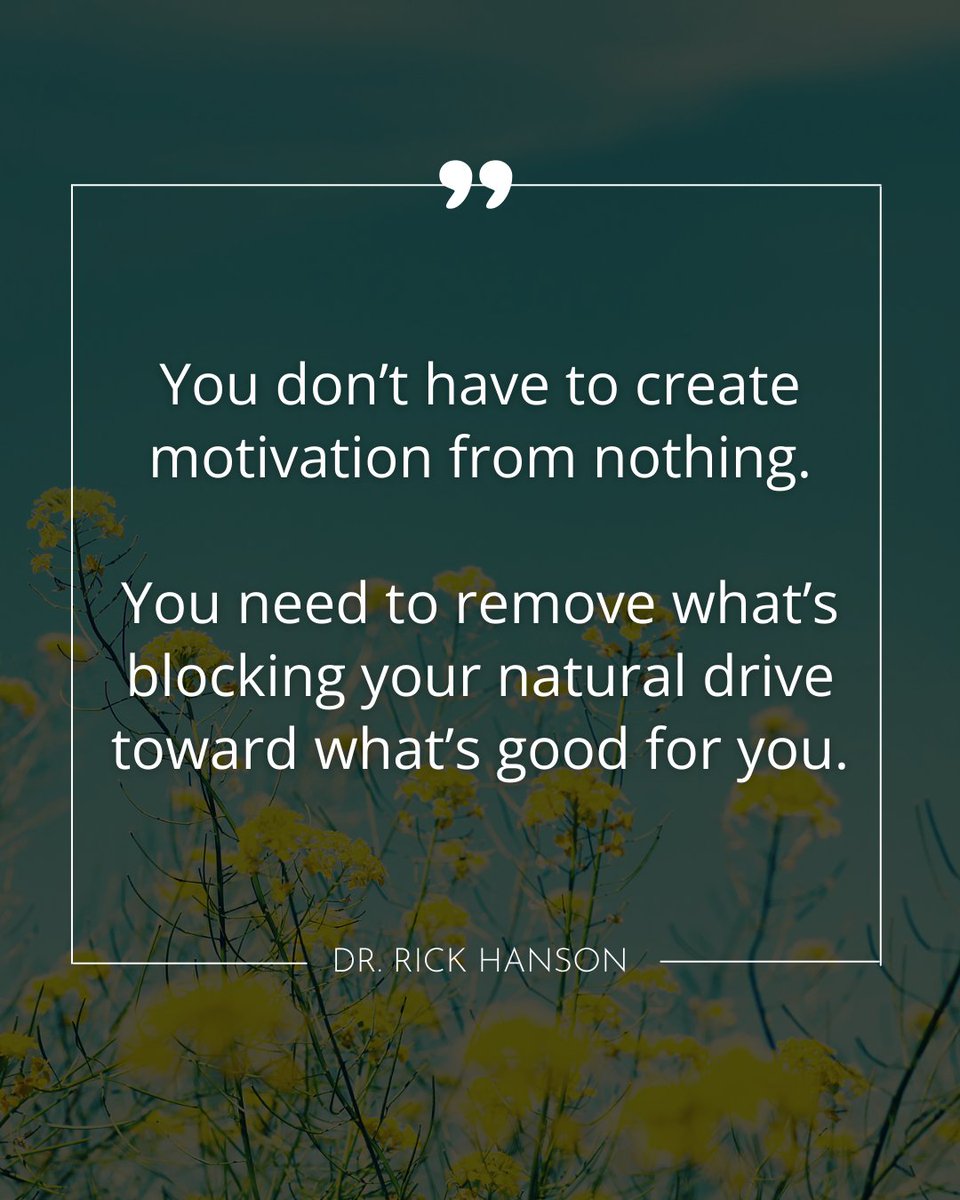
What is blocking your natural drive toward what's good for you?
Removing that block, or blocks, could be more valuable and sustainable than continually trying to create motivation.
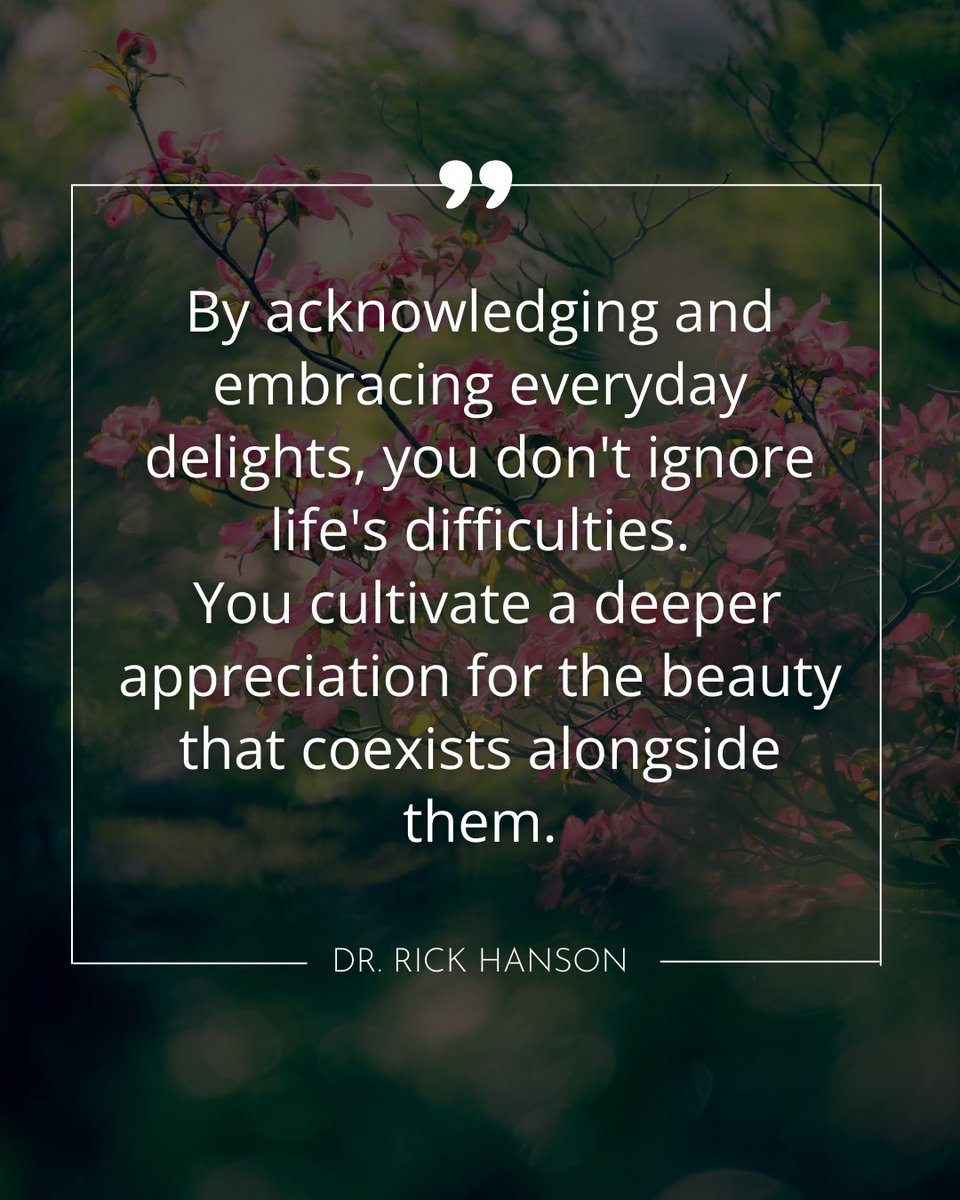
Appreciating everyday delights doesn’t deny what’s difficult. It helps you register what is also true in the moment, which builds resilience over time.
This kind of balance allows us to stay engaged with life as it is, rather than becoming defined only by what’s hard.
Each time you pause to really let a wholesome experience land — a kind word, a breath of relief, a moment of ease — you’re teaching your nervous system that safety is possible.
The invitation is to notice the painter at work. To pause before reacting and ask: What am I adding to this picture? Because in every interaction, you’re not just seeing, you’re shaping.
It’s easy to feel like real change takes huge effort.
However, your brain rewires through repetition — not intensity.
Five minutes of practice a day is enough to start building new pathways of calm, strength, and resilience. Over time, those small steps become lasting change.
Some losses come from things we did or didn’t do: a choice we regret, a silence we wish we hadn’t kept, a moment we can’t take back.
Sometimes we suffer a loss because we made a mistake. And until we’ve fully processed the remorse, we don’t become free.
When we slow down enough to really listen, to let someone else's experience land, we create space for connection, healing, and understanding.
Empathy is presence and resonance.
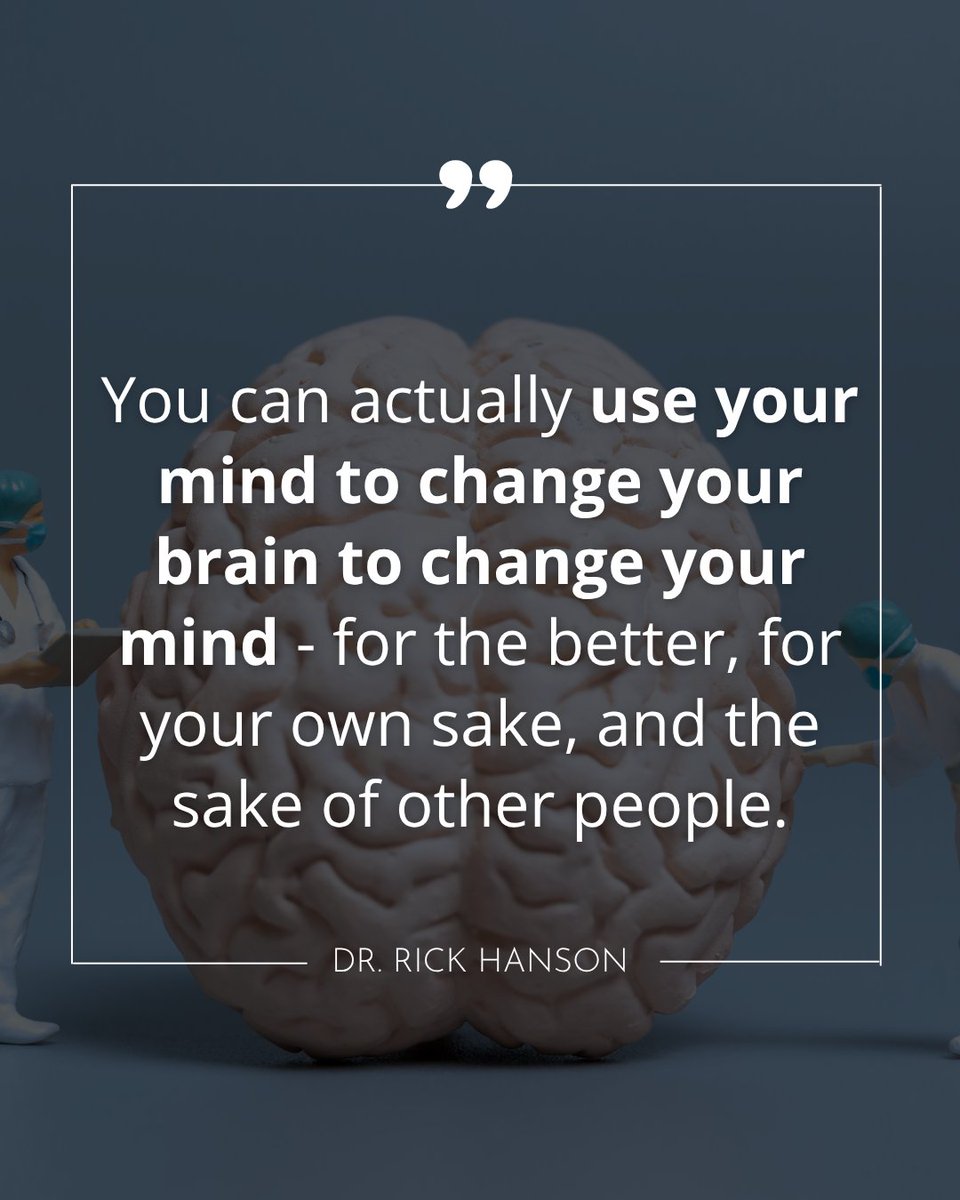
This is the heart of neuroplasticity. Not just abstract science - but a lived, moment-to-moment possibility.
You are not stuck with the brain you had yesterday and you can grow new pathways for calm, clarity, courage, and joy, starting right here, right now.
Real growth begins with softening, allowing, with giving ourselves over to the qualities we want to cultivate - like calm, confidence, or compassion.
Small moments. Lasting strengths.