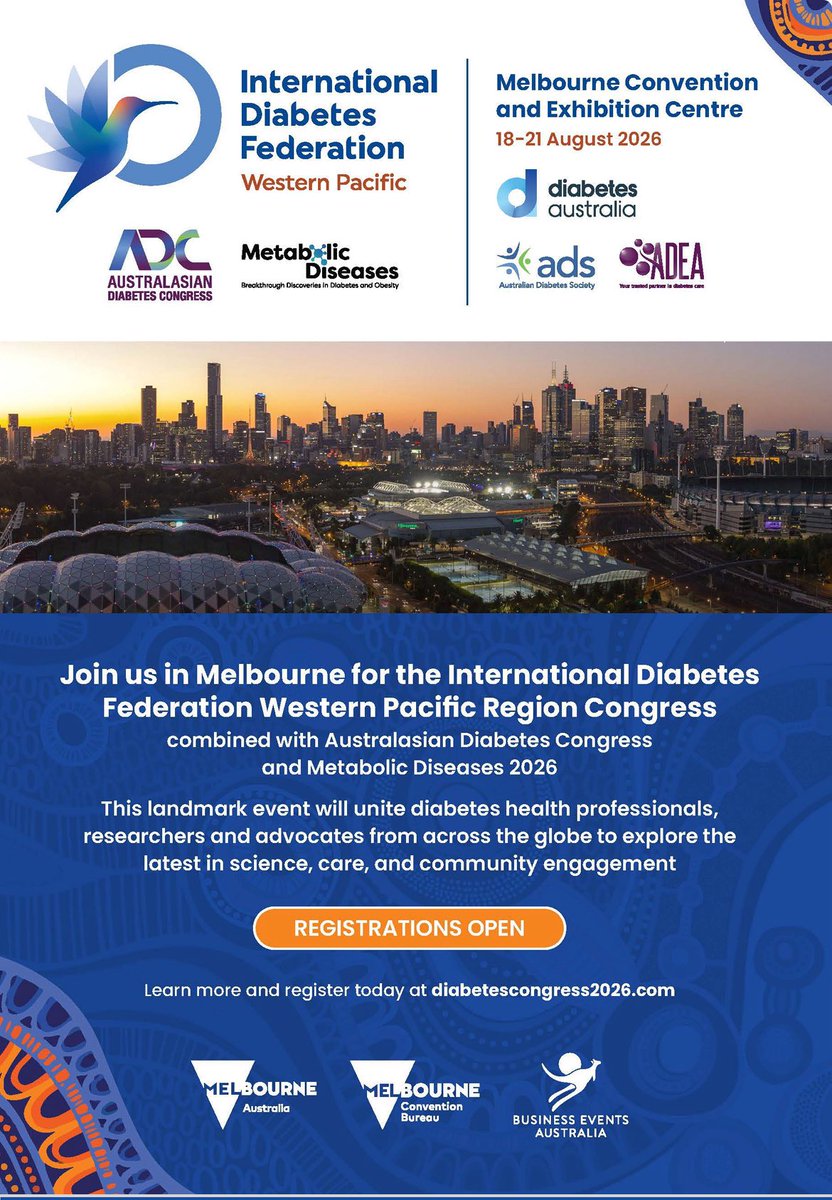
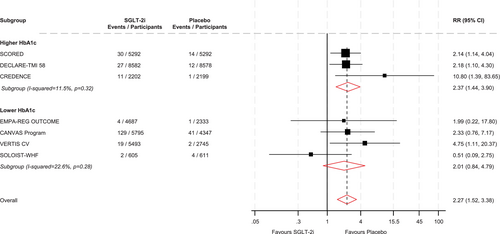
Our Institute of Diabetes and Obesity (HKIDO) launched the Initiative for Technology Evaluation and Cost-effectiveness in Healthcare (ITECH), a dedicated regional platform to advance health technology assessment, economic evaluation, and value-based healthcare across Asia.
[International Student Summit] Six @CUHKMedicine students represented The Chinese University of Hong Kong at the 8th GAME-TEI Summit for Future Leaders 2026, hosted by the University of Bologna, Italy, between 13 and 15 July 2026. The summit brought together students, scholars and educators from around the world to exchange ideas on medical education and healthcare innovation.
Wonderful sharing recounting the remarkable journey of colleagues at the Department of Clinical Oncology at @CUHKMedicine and the culture of nurturing the next generation of knowledge workers
and clinician scientists
#passitforward
【The Gardeners: Cultivating the Legacy of Oncology】
From an era of limited treatment options to today’s breakthroughs in precision medicine, the journey of the Department of Clinical Oncology at @CUHKMedicine is a testament to the power of advanced research and true mentorship.
At CU Medicine, mentorship means being "The Gardeners". Professor Tony MOK laid the groundwork as a pioneer, while Professor Stephen CHAN continues to cultivate the soil. Now, representing the new generation, Dr Landon CHAN (MBChB-GPS 2017) is ready to sprout and thrive.
Bridging scientific research and clinical application, generations of CU Medicine members carry this shared mission forward. This is the essence of our legacy: predecessors plant the seeds, the next generation blossoms, and together they create a brighter future for medical advancement!
Browse Med Tolo now to witness the heartwarming stories of CUHK Medicine graduates setting sail by Tolo Harbour —click the link to read Med Tolo online today!
https://t.co/TFiOxS2TG0
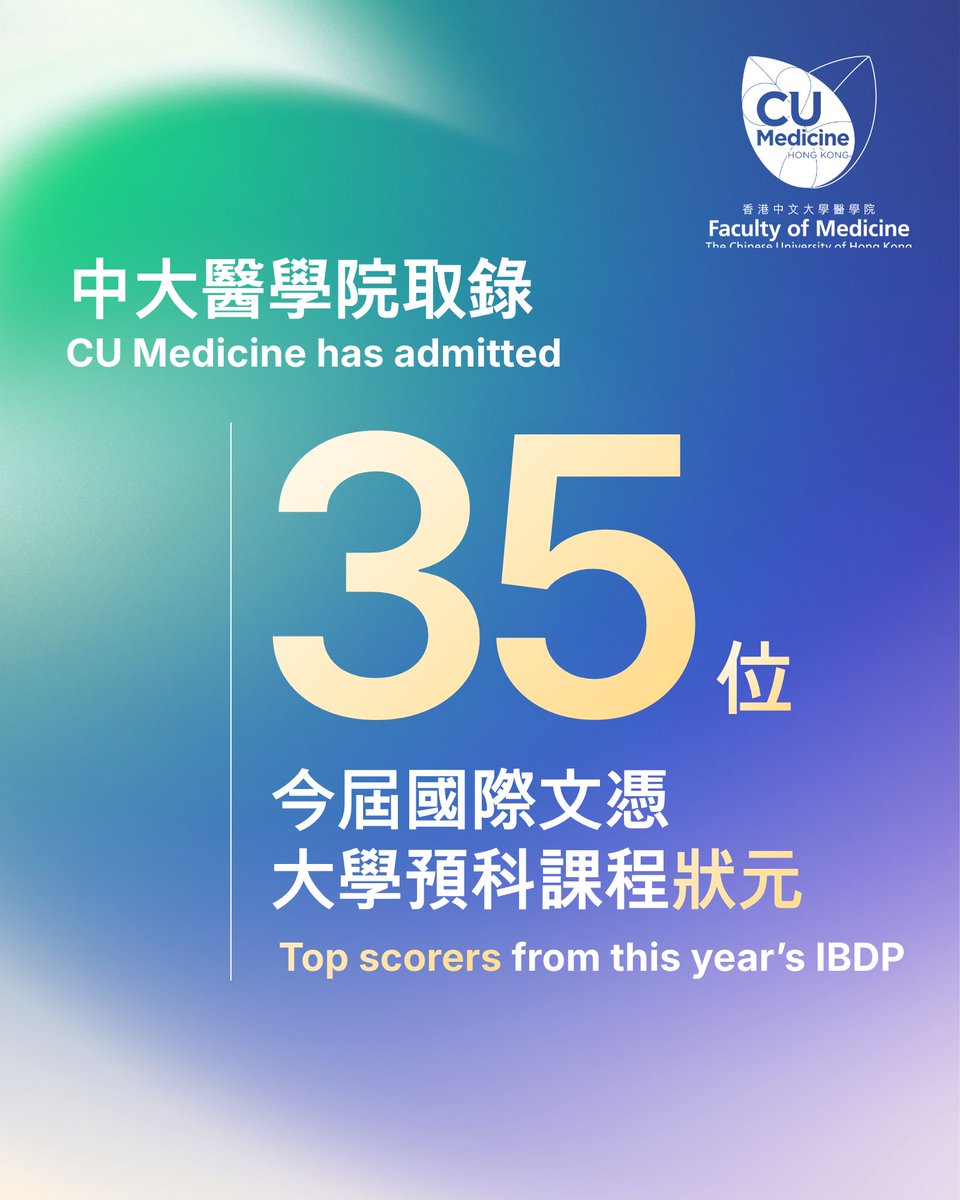
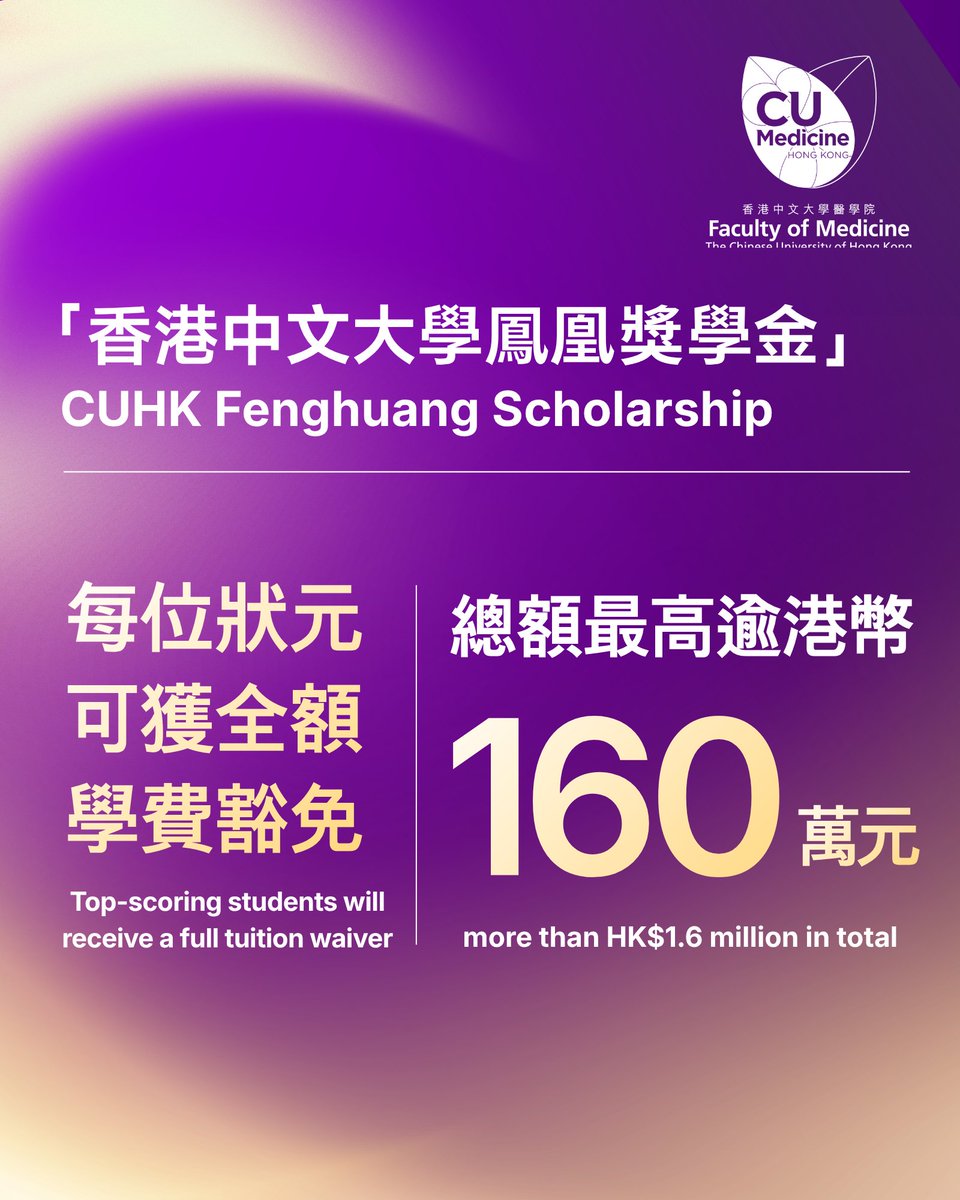
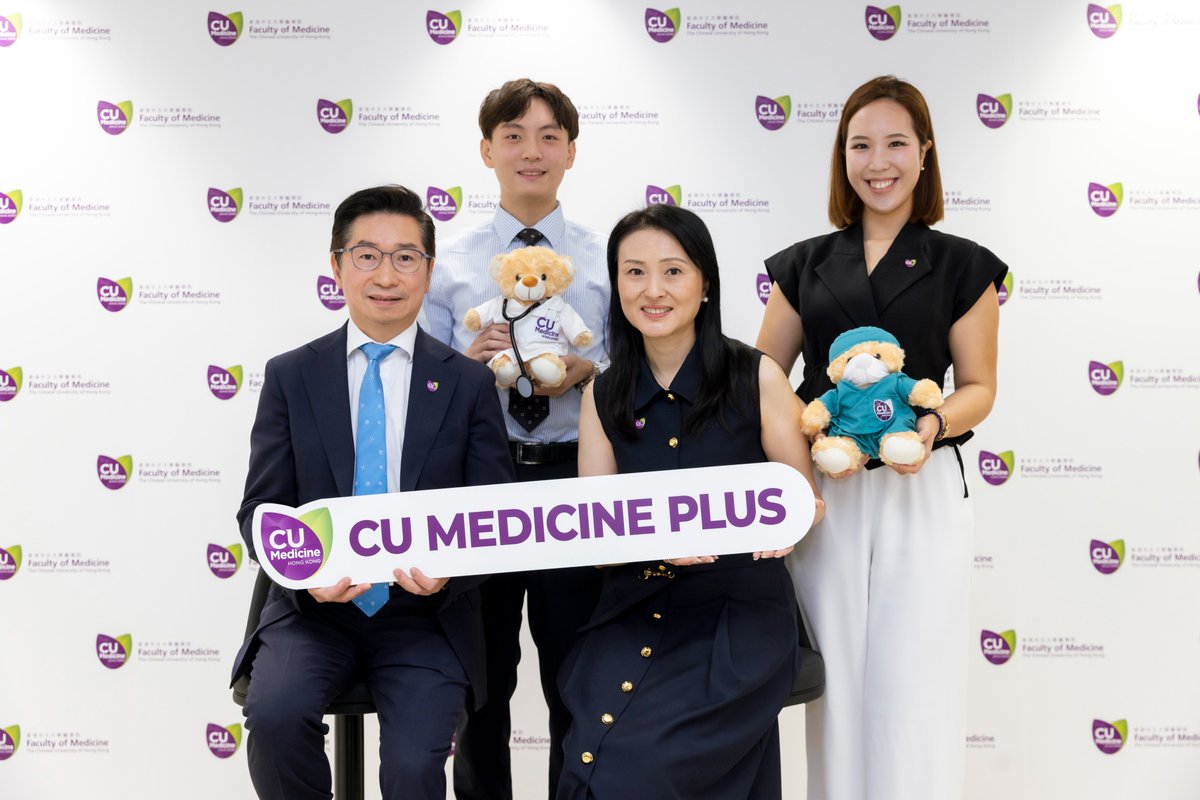
【Fenghuang Scholarship & latest admissions updates】@CUHKMedicine announced today (7 July) its latest admission updates for the 2026/27 academic year. @CUHKofficial has launched the "CUHK Fenghuang Scholarship" to students who have achieved outstanding results in public examinations. CU Medicine also announced that it has admitted a total of 35 top scorers from this year’s International Baccalaureate Diploma Programme (IBDP). The Faculty will implement the "CU Medicine Plus" curriculum model from the 2026/27 academic year onwards, transcending the traditional boundaries of medical education to nurture exceptional healthcare leaders with global insight and holistic development.
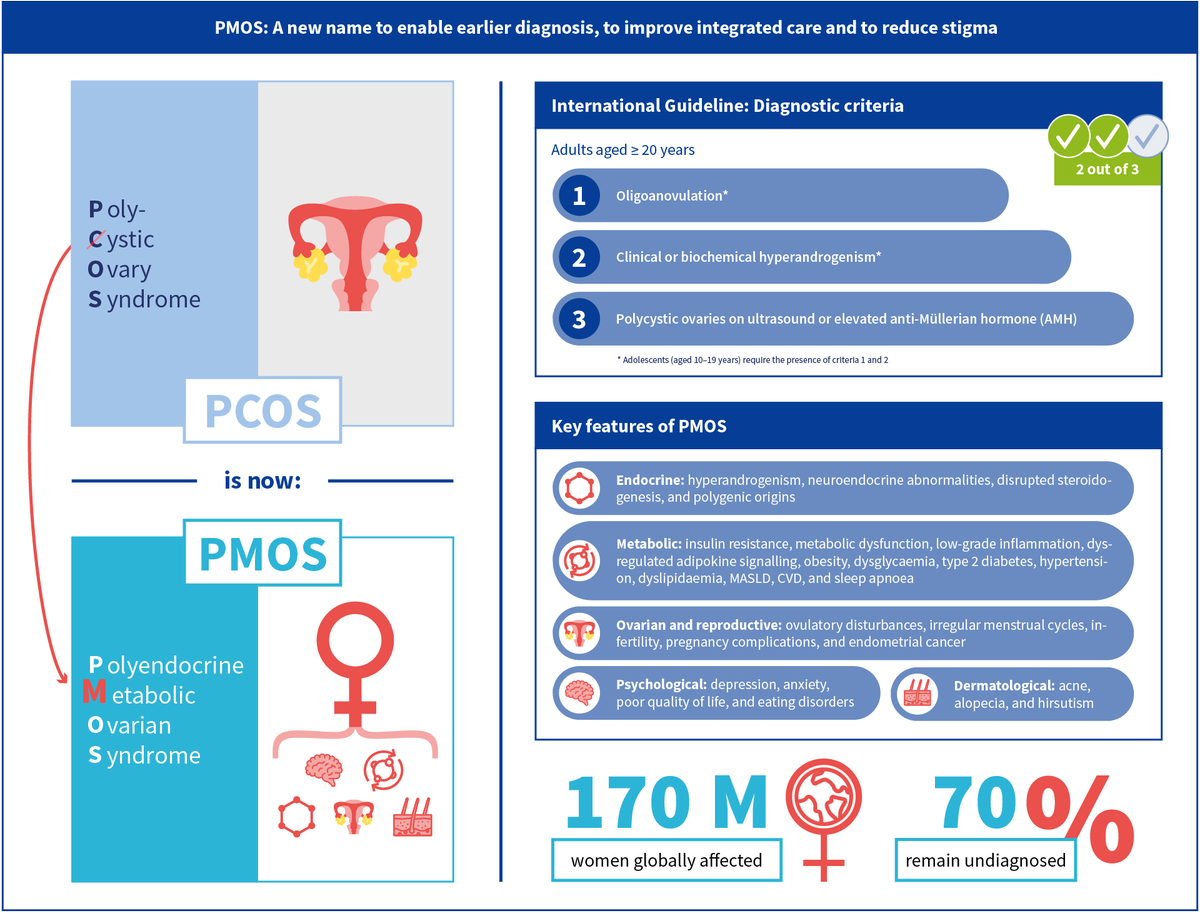
Well said by @ElisabetStener PMOS instead of PCOS-“Scientific correction and not a rebranding exercise”. Only by truly recognizing the myriad metabolic complications and outcomes can the appropriate clinical attention be directed to the varied needs of those living with #PMOS
☝🏽#PCOS has a new name: polyendocrine metabolic ovarian syndrome #PMOS.✔️Our EASD e-Learning Journal read reports on the recent @TheLancet Health Policy paper & why authors @ElisabetStener say this is a scientific correction not a rebranding exercise.
📖👉https://t.co/Y9WmL4cxjx
It’s July and season for postgrad vivas! Congratulations @dengyuzhi0104 on defending your #PhD thesis on Longterm metabolic outcomes in offspring following maternal hyperglycaemia! A big thank you to external examiner @SooHeonKwak@SeoulNatlUni and all examiners!
@Andrea_OY_Luk
Congrats @YingkoCheung on this recent work. This provocative analysis highlights that the “glycaemic memory” of hyperglycaemia, or legacy effect of good glucose control, may extend beyond link between hyperglycaemia and vascular complications, but may also impact cancer risk 🔔
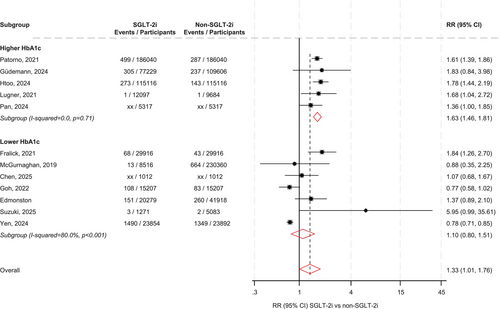
Sharing our study in Diabetologia: In newly diagnosed T2D, earlier vs later glycaemic control was linked to lower cancer risk, despite similar cumulative glycaemic burden. Deeply grateful to my PhD mentors @Andrea_OY_Luk and @DrRonaldMa1 for their invaluable guidance and support.
This analysis by Xinge Zhang in individuals with T2 #diabetes followed up from diagnosis to incident cancers noted higher risks of #cancers related to hyperglycaemia, especially those with early exposure to hyperglycaemia, cf to later exposure
@Andrea_OY_Luk@CUHKMedicine
New study reveals early #glycaemic management is key in #Type2Diabetes. Achieving lower HbA1c levels earlier vs later after diagnosis was linked to a lower long-term risk of #cancer, even if overall glucose burden was similar https://t.co/Vn90UwnRAu 🔓 #DiabetesResearch
Glycation gap size, stability over time and correlates in people with ... https://t.co/GBkpTuUnRI
Free PDF for 50 days. There can be differences between lab HbA1c + that estimated from CGM + variable stability over time. Thanks participants and researchers.
【CU Medicine AI in Medical Education (Ophthalmology and Visual Sciences)】
Can AI help future doctors gain sharper clinical insight? 👀 Artificial Intelligence (AI) is no longer a distant concept; it is already becoming a part of everyday medical education.
In this episode, we take you to the Department of Ophthalmology and Visual Sciences at CU Medicine. Here, AI goes beyond being a diagnostic tool, serving as a key driver for research and innovation. Students gain hands-on experience with cutting-edge AI systems, learning to integrate technology with clinical judgement. More importantly, they learn a crucial lesson: no matter how advanced AI becomes, the role of doctors in communicating with and caring for patients remains irreplaceable.
Catch up via the links below and stay tuned as we continue to explore how AI is transforming medical education at CU Medicine!
📺 Full episode: https://t.co/FX0ulwRazT
📺 Watch the previous episode: https://t.co/KRgWVuM2rP
@CUHKMedicine has successfully unveiled the “undercover agent” of immunotherapy resistance in liver cancer. TREM2+ LAM cells not only clear dead cells, but also “feed” cancer cells & reprogram their genes, boosting tumour resistance. Targeting these cells shrank tumours in mice—clinical trials are in prep. Findings are published in Cancer Cell, learn more on @Cancer_Cell
Our surgery team and collaborators in China have developed the world’s 1st unified classification system for esophageal squamous cell carcinoma (ESCC). Their AI tool, imECMS, enables accurate ESCC subtype identification. Learn more @SignalTransTT.
The End Diabetes Stigma conference in Jaipur, India. All of us have roles to play to improve the health and wellbeing of all people living with diabetes.


![CUHKMedicine's tweet photo. [International Student Summit] Six @CUHKMedicine students represented The Chinese University of Hong Kong at the 8th GAME-TEI Summit for Future Leaders 2026, hosted by the University of Bologna, Italy, between 13 and 15 July 2026. The summit brought together students, scholars and educators from around the world to exchange ideas on medical education and healthcare innovation.](https://pbs.twimg.com/media/HN-3UCCaMAAGUPq.jpg)
![CUHKMedicine's tweet photo. [International Student Summit] Six @CUHKMedicine students represented The Chinese University of Hong Kong at the 8th GAME-TEI Summit for Future Leaders 2026, hosted by the University of Bologna, Italy, between 13 and 15 July 2026. The summit brought together students, scholars and educators from around the world to exchange ideas on medical education and healthcare innovation.](https://pbs.twimg.com/media/HN-3UB2aoAAkSpN.jpg)
![CUHKMedicine's tweet photo. [International Student Summit] Six @CUHKMedicine students represented The Chinese University of Hong Kong at the 8th GAME-TEI Summit for Future Leaders 2026, hosted by the University of Bologna, Italy, between 13 and 15 July 2026. The summit brought together students, scholars and educators from around the world to exchange ideas on medical education and healthcare innovation.](https://pbs.twimg.com/media/HN-3UB1bkAAwxZd.jpg)









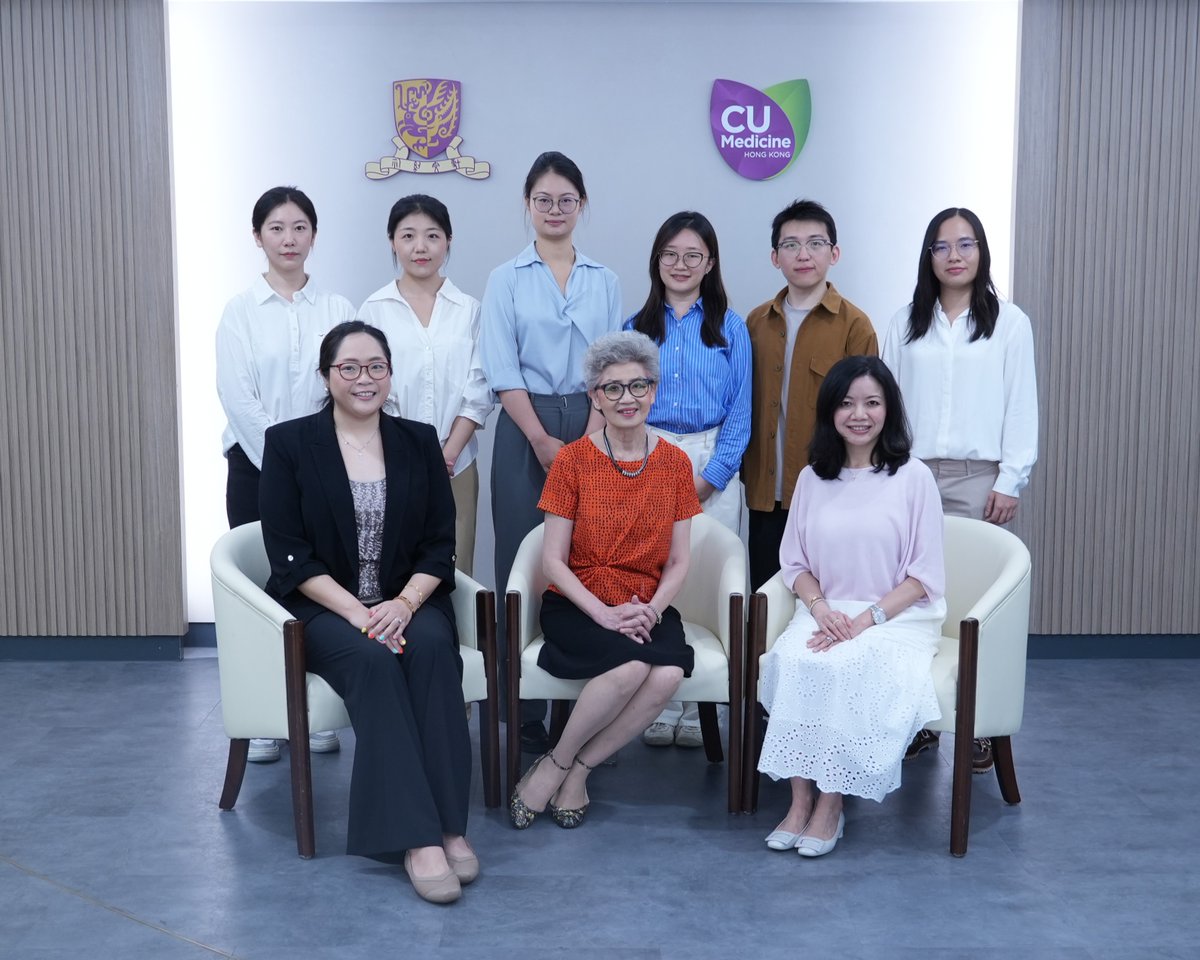
![CUHKMedicine's tweet photo. [International Student Summit] Six @CUHKMedicine students represented The Chinese University of Hong Kong at the 8th GAME-TEI Summit for Future Leaders 2026, hosted by the University of Bologna, Italy, between 13 and 15 July 2026. The summit brought together students, scholars and educators from around the world to exchange ideas on medical education and healthcare innovation.](https://pbs.twimg.com/media/HN-3UCGaYAAjsk8.jpg)