Skin reactions are a major barrier to effective use of wearable #diabetes#tech. We report the rates of skin reaction to #Freestyle#Libre Pro sensor in 451 people from tropical #Singapore. A third had reactions @mysgh@DiabMedJournal https://t.co/VswKRinxGR
Final video in our series 9/9
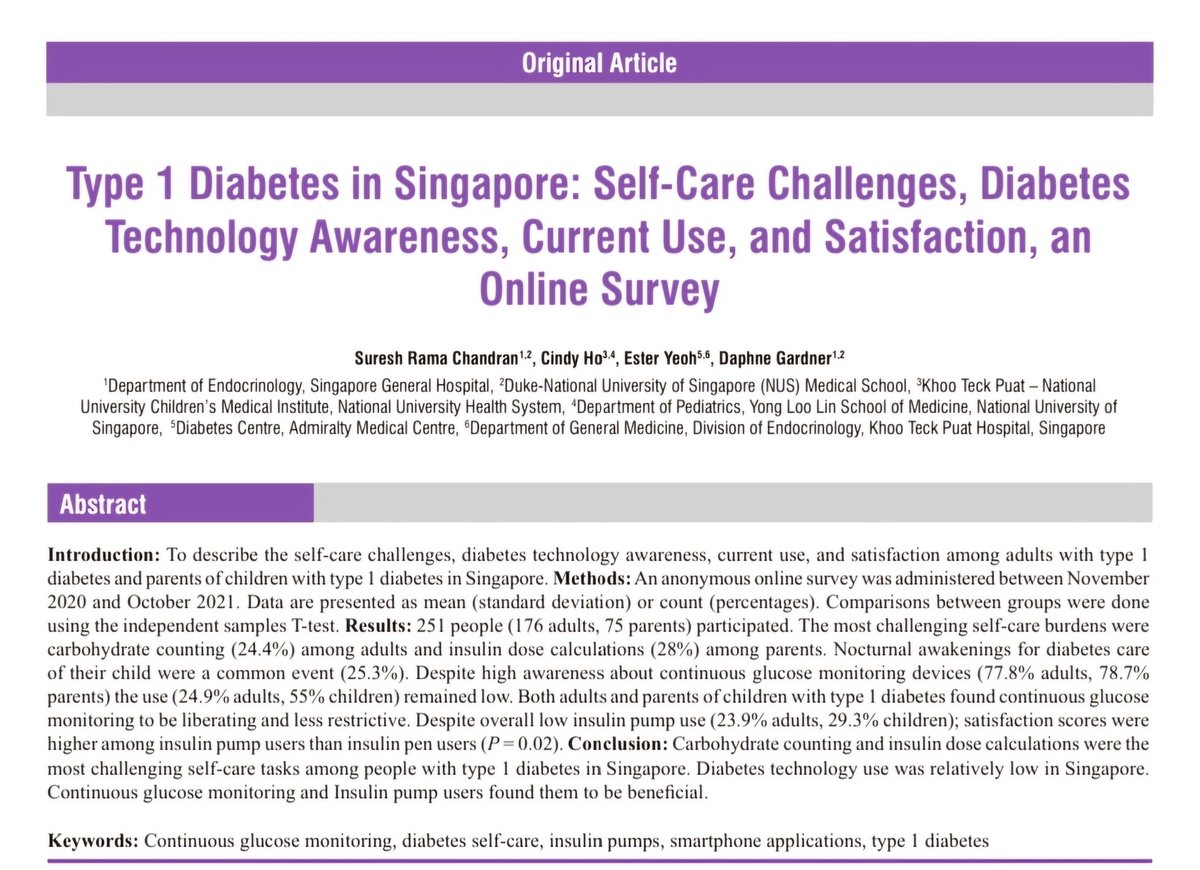
#Carbohydratecounting in #T1D. Voted the most difficult self care task in a survey among people with T1D in #singapore. Also a #skill that enables dietary freedom in T1D. Watch the video to learn more
https://t.co/m7NPF2Wox7
https://t.co/s495jjAyo5
Releasing the first of a nine part video series on various aspects of living with #type1diabetes. A very meaningful collaboration between @mysgh and @MDT_Diabetes to increase the awareness of and self care for type 1 diabetes. 1 down 8 more to come.
Video 8/9
Managing sick days
Everyone falls ill at some point. For those living with #T1D, managing #insulin effectively during a sick day is crucial. Proper insulin managemant can prevent hospital visits and speed up recovery
https://t.co/VMDkN6bXi4
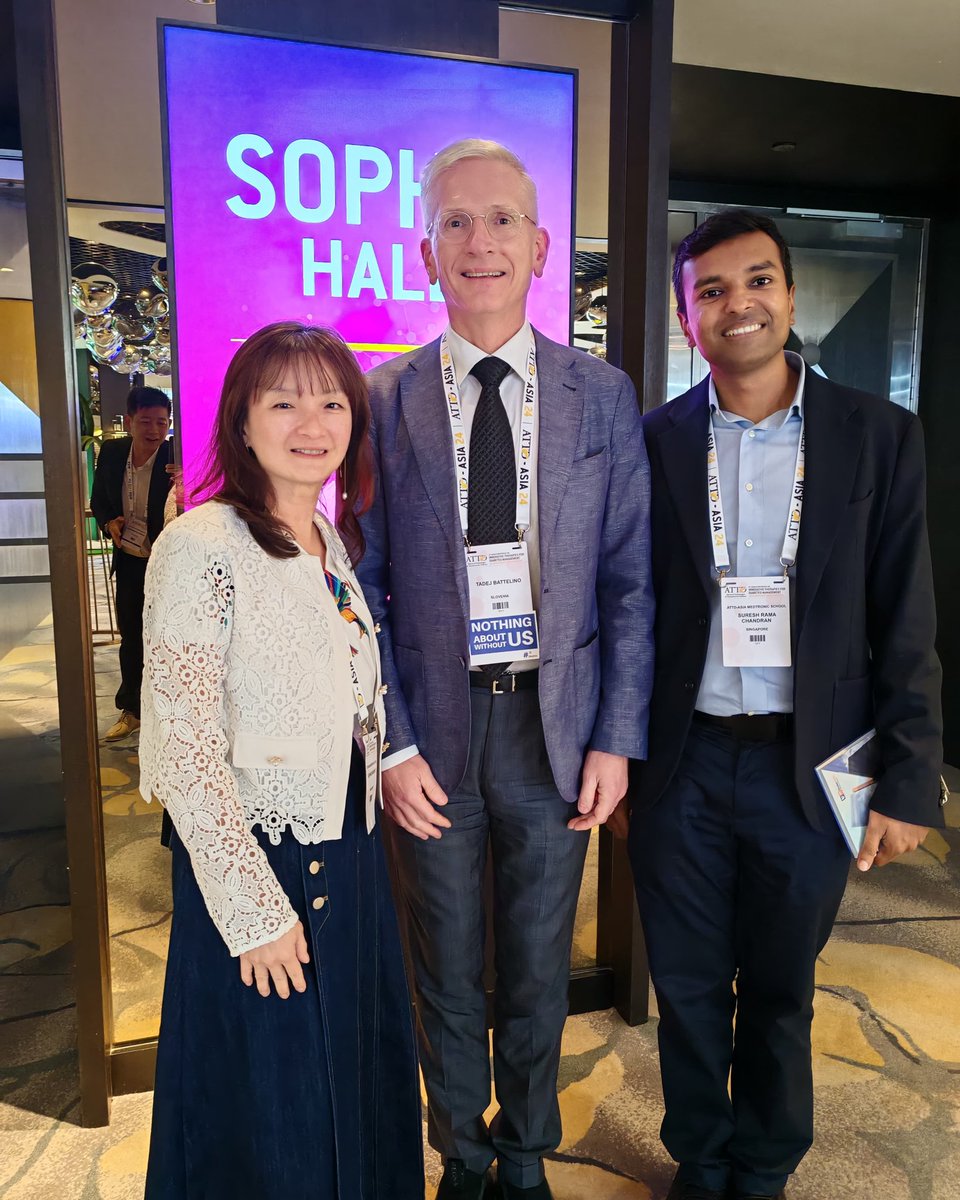
🎉 Thrilled to share that my abstract has been accepted for #ATTDASIA24 in Singapore! Join me from 18-20 Nov to explore innovative diabetes therapies and connect with global experts. #DiabetesCare#MedicalConference https://t.co/dPDZPP77rV
Carbohydrate counting and insulin dose calculations were the most challenging self-care tasks among people with type 1 diabetes in Singapore.
25% of parents woke up every night to care for their child's type 1 diabetes.
Read the full paper at https://t.co/uKdAXwffCo
Intermittently scanned continuous glucose monitoring provides no benefit over structured self-monitoring of blood glucose in type 2 diabetes not on prandial insulin, in the context of diabetes self-management education: GLucose monitoring programme https://t.co/xtA6ju7bek
@mysgh