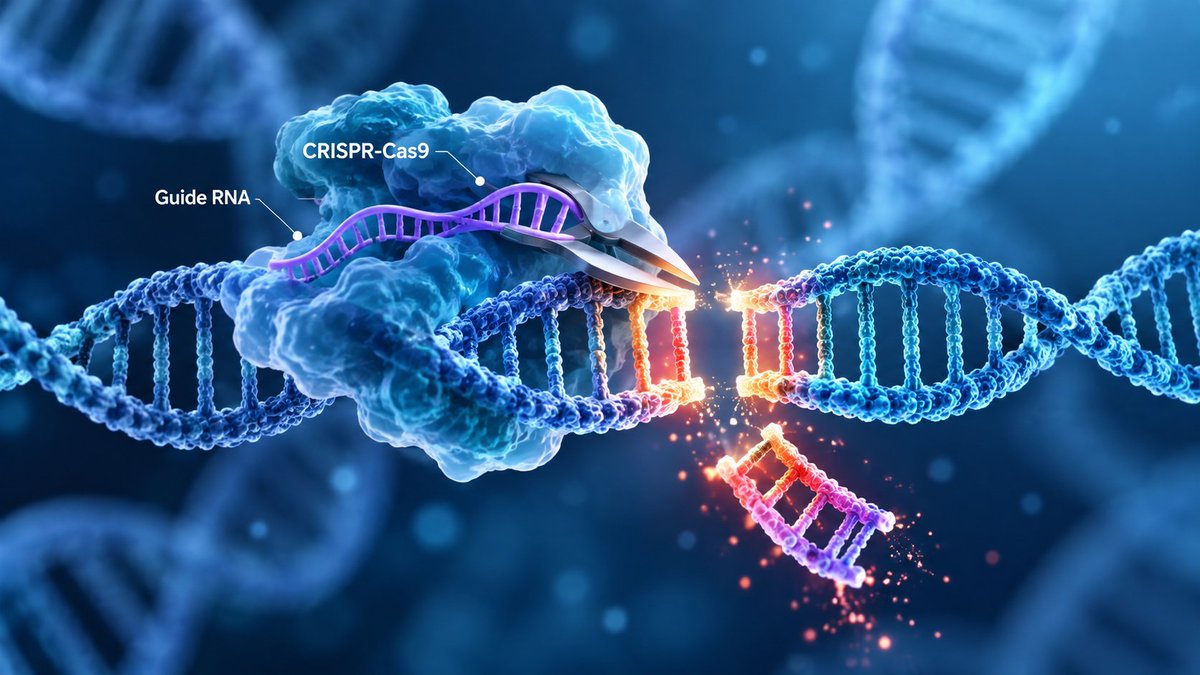
What if we could remove an entire extra human chromosome?
Japanese researchers at Mie University have used CRISPR-Cas9 to selectively remove the extra copy of chromosome 21 from cells with trisomy 21.
This is not a treatment yet. But the science is significant.
#CRISPR
Maybe the best news for #PancreaticCancer cure lately. #daraxonrasib its still early days but this looks promising.
"Cancer undetectable for one in 12 patients in daraxonrasib trial, while nearly all participants’ tumours stopped growing"
https://t.co/Gbkmj6qUsN
@uncomptefan Are you guys serious, second time this season this has happened....and then the club and its supporters suffer. This is ridiculous @ManUtd@prorefofficial
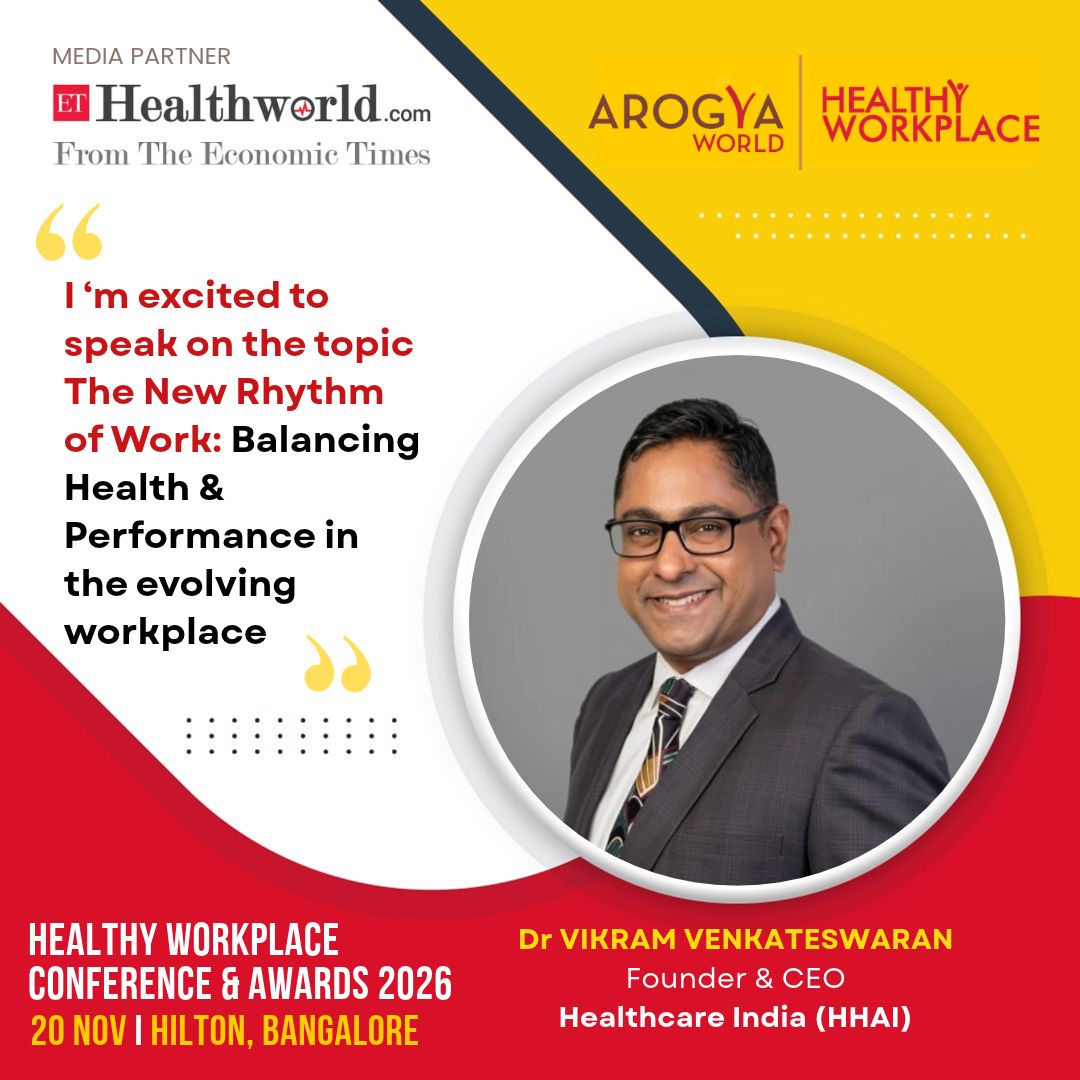
We spend most of our waking time at work.
That's why I am really excited about speaking at the event on “𝐓𝐡𝐞 𝐍𝐞𝐰 𝐑𝐡𝐲𝐭𝐡𝐦 𝐨𝐟 𝐖𝐨𝐫𝐤: 𝐁𝐚𝐥𝐚𝐧𝐜𝐢𝐧𝐠 𝐇𝐞𝐚𝐥𝐭𝐡 & 𝐏𝐞𝐫𝐟𝐨𝐫𝐦𝐚𝐧𝐜𝐞 𝐢𝐧 𝐭𝐡𝐞 𝐄𝐯𝐨𝐥𝐯𝐢𝐧𝐠 𝐖𝐨𝐫𝐤𝐩𝐥𝐚𝐜𝐞,”.
#productivity
India's changing consumer demand is giving us insights into where spending and investments will happen in the healthcare sector. Read more here
#healthcare#Investments#India
https://t.co/g5CYf6CfWB
Throwback to the early days of golf when Sohail and I would walk up and hit the ball all over the place; we had loads of fun and never kept score. I sometimes miss those early days, before we started thinking of handicaps :) #Golf#Fun#Beginners
May this Diwali be the beginning of a fabulous time when all the dreams and aspirations come true. May there be joy, happiness and fulfilment throughout the year. Wishing everyone a very happy and prosperous Diwali. #HappyDiwali2026
There is a dimension to the Indian healthcare story that deserves greater attention: Is India’s growing consumption translating into better health outcomes, and what does it mean for the future of the healthcare industry?
How poverty reduction, rising household consumption and changing consumption patterns are reshaping India’s healthcare market — and why the next phase of growth will depend on affordability, access and value.
#Healthcare#HealthcareIndia#poverty
https://t.co/S4YZP5gpUk
India’s heart health is changing fast.
An ageing population, Westernised lifestyles, changing food habits and rising consumption of processed foods are contributing to an epidemiological transition.
https://t.co/knljdNXhpn
This is the paradox of modern healthcare:
We are learning to potentially edit chromosomes while access to high-quality prenatal screening and genetic counselling remains uneven.
The future of genomics isn't just about spectacular science.
It is also about making the basics.
What if we could remove an entire extra human chromosome?
Japanese researchers at Mie University have used CRISPR-Cas9 to selectively remove the extra copy of chromosome 21 from cells with trisomy 21.
This is not a treatment yet. But the science is significant.
#CRISPR
There is a more immediate lesson for India.
Before we can talk about correcting chromosome abnormalities, we need to identify pregnancies at increased risk.
First-trimester screening—including ultrasound and maternal blood markers such as PAPP-A and free β-hCG—can help
But let's not get carried away.
The work was demonstrated in cultured cells, not in pregnant women or fetuses.
Before this could ever become a clinical intervention, enormous questions around delivery, safety, unintended genetic changes and long-term effects must be answered.
A crucial distinction:
Down syndrome is not caused by a single “Down syndrome gene.”
It usually results from having three copies of chromosome 21 instead of two.
The Japanese approach is therefore interesting because it attempts to correct the chromosome abnormality itself.
@smitaprakash What is interesting is that early detection is key, which is part of most prenatal screening in the private healthcare system in India. I am not so sure about the government system. The double marker test has to be done in good labs