@amazon@AmazonUK what a brilliant message left for today's delivery. Your driver deserves a pay raise. Wish all your delivery personal were as courteous as this delivery driver #thumpsup
#JOBS: We’re hiring! @screenyorkshire is recruiting two roles for the Screen Industries Diversity Programme, helping young people in Bradford District and wider Leeds City Region to develop and succeed in the screen industries #film#tv#diversity
https://t.co/VAuzcoEONq
Lost Histories has just submitted ”If Walls Could Talk" a documentary on the Drystone walls and wallers of Derbyshire to Documentary Cinema Grand Prix. #filmfreeway#documentaryfilm#filmfestivalsubmission https://t.co/VyrhFHivxA
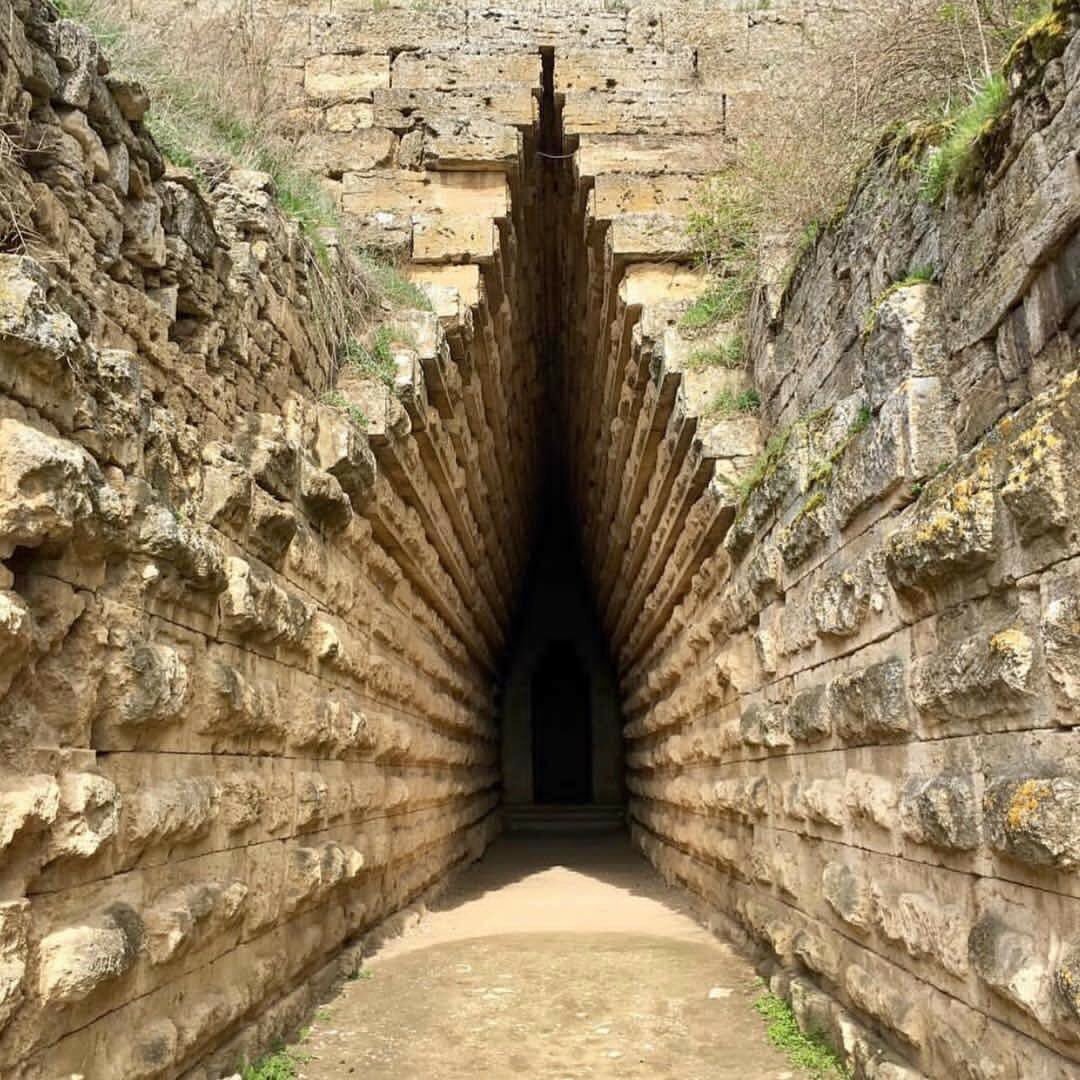
The megalithic mortarless construction found inside the 20-meter high mound known as the “Royal Kurgan” in Kerch, Crimea rivals the best precision masonry of Egypt & Peru.
There are many theories about the origins of a five-sided Drystone wall structure in a wooded area in Halifax, Canada.
Some say that the mystery walls could have been built by German settlers living in the area in the 1760s.
#drystonewalls#halifaxcanada
https://t.co/AXYCZpv2z8
@drystonedoc@EwanAllinson Your film title is something I often think about. That connection with the men and women that built and maintained the thousands of miles of our upland walls is fascinating. That human story is an important part of what building the #HILL wall in London Town is all about.
@KateBellis7 What a wonderful exhibition taking place in Peckham, London in February 2019. Why not learn about the people & the industries who reside on the Hill in Derbyshire.
Get involved to help build a Drystone wall, whilst there #drystonewalls
https://t.co/lX20747Mr2
Great to hear If Walls Could Talk documentary won the platinum award @ Documentary Directors Awards Film Festival Jakarta
Amazing how a simple film about dry stone walling in Derbyshire can touch the lives of so many around the world.
#drystonewalling#drystonewall#filmfestival
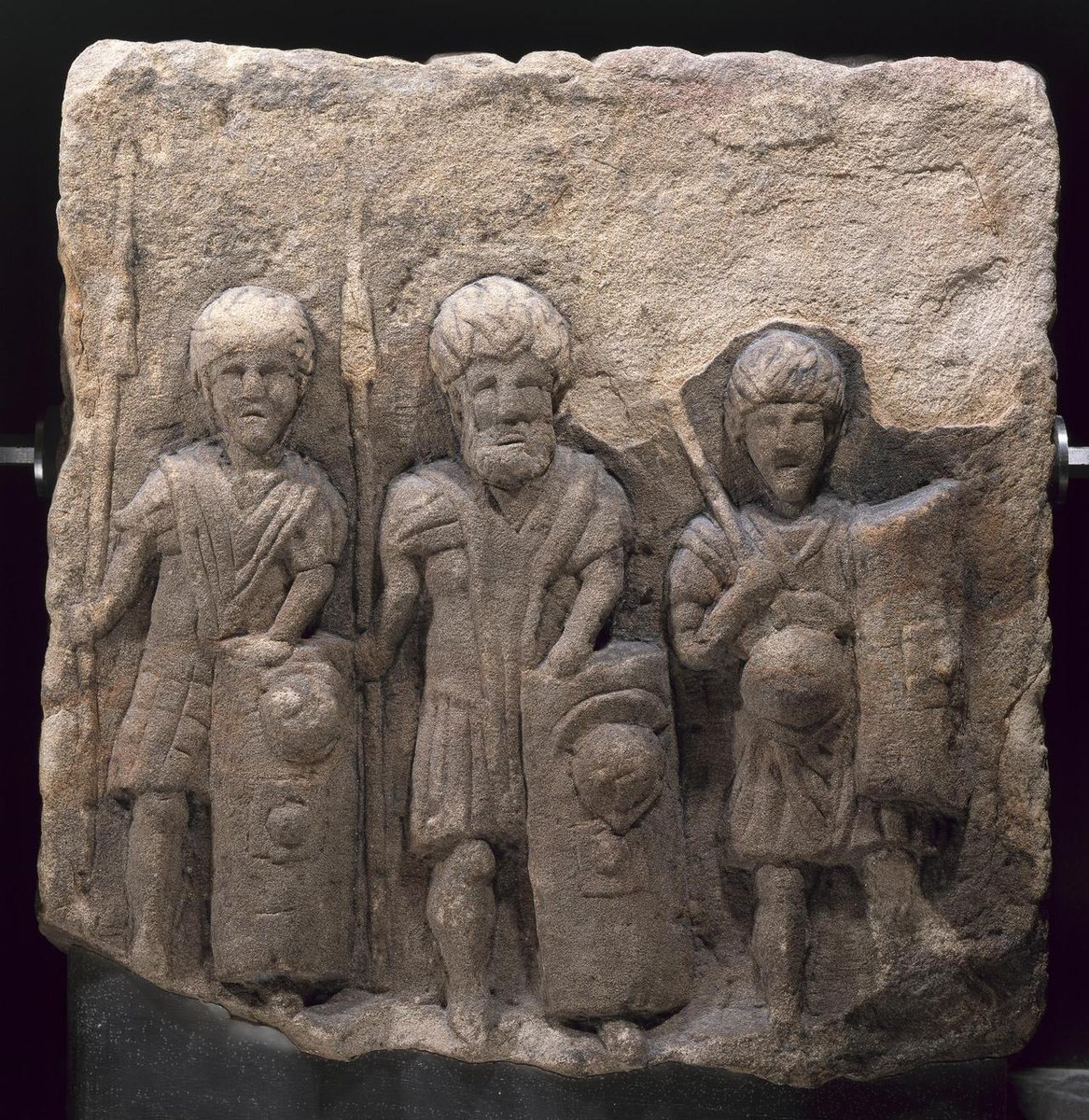
Sandstone sculpture of three legionaries standing side by side with shields and helmets. Place of origin: Croy Hill, Dunbartonshire. Date: A.D. 2nd century Culture/Period: Romano-British Medium: Sandstone, yellow.