Over the past many years, I have taken a personal stand in support of the NEET examination, arguing that it brought uniformity in student selection across the country and gave students from underprivileged backgrounds a real shot at pursuing their dream of medical education. In the last 5 years, the NEET UG question paper has leaked thrice. Imagine the amount of pressure that it puts on students, who had to go through the examination process yet another time when the system that was supposed to bring in uniformity was failing. Yet there was no accountability, and I believe strongly that it was that moment that brought in a shift in the minds of the students to take to the streets to cry their hearts out.
Protest is a fundamental right in a Democracy. The pertinent question, however, is this: why did the BJP-led Central Government take so long to initiate a dialogue with the protestors? Why was meaningful engagement delayed until the protest had escalated to a flashpoint? What kept you waiting?
The students and the people who are leading them also have a responsibility here. It is natural that when a protest stays on for weeks, people with vested interests will take the stage to air views that are either completely irrelevant to the initial demands of the protests or would try to completely hijack it to serve their agenda. If you remain silent and let these people with vested interests further their agenda, then you are deviating from your core objectives. Please do not let it happen!
I urge the BJP-led Central Government to engage in meaningful dialogue, uphold transparency, and take swift, appropriate action to address the concerns at hand. The strength of any nation lies in the confidence its youth place in its institutions. If our students lose faith in the fairness and credibility of our education system, we are jeopardising the future of our nation.
Tamil Nadu Government will now stand with us to uproot drug abuse. Met the Chief Minister of Tamil Nadu, Shri. Joseph Vijay, in Chennai today. He appreciated our 'Operation Toofan' mission. Extended Kerala's support and appreciation for the anti-drug crusade led by Shri. Vijay in Tamil Nadu.
Another happy news—he has also conveyed that he will soon visit Kerala to join us in this fight.
#Toofan @actorvijay@CMOTamilnadu@INCTamilNadu
The Public Interest Litigation filed by Shri Allikuttai Radhakrishan concerning 3,085 acres of Temple lands in Karur District came up today before the Hon’ble Division Bench of the Madras High Court – Madurai Bench. Their Lordships were pleased to issue notice and have indicated a possible final hearing on 11.08.2026. The Government and the TN HR&CE respondents have been directed to file their counter affidavits by 29.07.2026, while the District Collector has been ordered to produce the complete land records of the said 3,085 acres. One of the most glaring claims made by the TN HR&CE counsel and those purporting to represent the temples was that the temples had been “consulted” before no-objection certificates for patta transfers were issued. This is a complete falsehood. These temples have no trustees; the Executive Officers who claim to represent them are themselves functioning through shameless frauds on the TN HR&CE Act. Who exactly represented the temples? We will expose all these frauds before the Hon’ble Court.
It is a matter of serious concern that even under the present government such questionable orders affecting vast extents of temple land continue to surface and require judicial intervention. The truth is that many officers of the TN HR&CE Department, particularly the Executive Officers of temples, are themselves opposed to the illegal directions issued by the Commissioner and Revenue authorities. This entire episode has now been rightly challenged before the Madurai Bench of the Madras High Court. In my considered opinion, the Hon’ble Court may or may not condone this act; the outcome will depend on how rigorously the facts and the frauds are placed before Their Lordships. Temple lands belong to the deities and the devotees — they cannot be allowed to be compromised under any regime.
#WATCH | Chennai | DMK leader TKS Elangovan says, "Vijay (Tamil Nadu CM) is not an educationist, so why should his photos be put up in schools? He is not a scholar, but an actor. I think they (TVK) are doing it on instructions from the RSS-BJP to spoil school education in Tamil Nadu."
Chief Minister Joseph Vijay has once again demonstrated true responsive leadership by carefully listening to the voices of civil society. After Savukku Shankar’s relentless and well-documented campaign highlighting DVAC chief A. Arun IPS’s proximity to the erstwhile DMK regime and how this association was seriously damaging the reputation and credibility of the new TVK government, the Chief Minister has promptly removed Arun from the post. This decisive action shows that the government is not only open to independent criticism but is willing to act on it in the larger public interest.
By ensuring that a sensitive anti-corruption body like DVAC is free from any perceived links to the previous regime, CM Vijay has protected the clean image of his administration and reaffirmed his commitment to transparent and unbiased governance. This is the mark of a new-age leader who prioritizes the people’s trust over bureaucratic continuity. Congratulations to Chief Minister Vijay for proving that civil society voices matter and that the new government will not allow old shadows to darken its path.
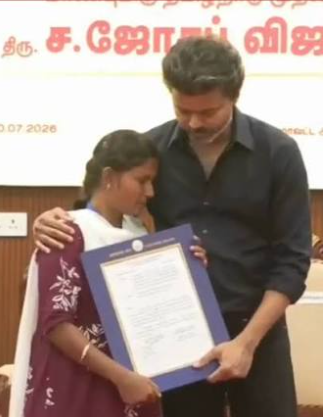
In a powerful display of compassionate and decisive leadership, TVK Chief Minister C. Joseph Vijay returned to Karur today and personally handed over government job appointment orders to the families of the stampede victims. In his emotional yet resolute address, he directly called out the previous DMK government’s shameless attempts to shift the blame onto TVK and exposed how the police — under the then DMK regime — failed to issue timely warnings despite the massive crowd, even though they had done so elsewhere. By announcing that TVK would build a memorial in Karur to honour the lost lives and ensure such tragedies are never politicised again, Vijay showed the world what real leadership looks like: empathy for the victims combined with the courage to speak the unvarnished truth.
This is exactly how a new-generation leader deals with the old DMK guard — with clarity, strength, and zero tolerance for their conspiracy theories and blame-shifting tactics. While DMK continues its tired legacy of court petitions, politicising every tragedy, and spreading lies to protect its image, TVK under Vijay is delivering concrete action — jobs for the affected families, a memorial for the departed, and governance that puts people first. Tamil Nadu has seen enough of DMK’s dirty politics; Vijay’s Karur speech marks the clean break we have been waiting for — honest, bold, and truly for the people.
The Tamil Nadu BJP President @NainarBJP Nainar Nagendran’s criticism of the government’s decision to provide jobs to the victims of the Karur stampede is deeply regrettable. There was no justifiable reason for him to oppose such a compassionate and welfare-oriented move aimed at supporting the families who lost their loved ones in the tragic incident. Instead of extending support to the affected people and backing this relief measure, he chose to attack the initiative, which only serves to highlight a lack of empathy from the state’s opposition leadership.
This kind of unhelpful and negative politics is precisely why the BJP has been unable to establish a strong foothold in Tamil Nadu for such a long time. Ideally, President @NainarBJP Nainar Nagendran should have welcomed and supported the government’s positive decision rather than resorting to criticism for the sake of opposition. It is a pity that the Tamil Nadu unit of the BJP is led by someone who prioritizes partisan attacks over standing with the people in their time of need. Tamil Nadu deserves leaders who focus on unity, compassion, and real progress for all.
The Communist Parties, who are part of the TVK coalition, along with other political opponents , have started questioning the TVK Government’s compassionate decision to provide government employment to the families of those who tragically lost their lives in the Karur stampede last year. Instead of supporting this humane welfare measure taken by Chief Minister Vijay’s administration to help grieving families rebuild their lives, these elements are now creating unnecessary controversy and trying to paint a positive initiative in a negative light.
It is now crystal clear that these Communist Parties are acting as a Trojan Horse planted by the DMK to create trouble from within and destabilize the TVK Government. By aligning with the opposition’s agenda and obstructing positive initiatives, they are revealing their true intentions and betraying the trust of the people who hoped for stable and progressive governance.
This is exactly the reason the Indian electorate has kept these Communist parties confined to single-digit MP strength at the national level. A foreign ideology that has repeatedly failed across the world has no place in our vibrant democracy, and these parties do not even deserve the limited political space they currently occupy.
தஞ்சாவூர் சட்டமன்ற உறுப்பினர் விஜய் சரவணன் தஞ்சாவூர் மேம்பாலம் அருகே உள்ள காது கேளாதவர் பள்ளியை நேரில் ஆய்வு செய்து குழந்தைகளிடம் தேவையான வசதிகளைப் பற்றி கேட்டறிந்தார்.
One sip that showed Chief Minister Joseph Vijay is serious about Tamil Nadu's future of water!
Chief Minister Joseph Vijay drinking water directly from the Nemmeli desalination plant is more symbolic than many people realize.
It sends a clear message that he has confidence in the quality of the project and, more importantly, that he is serious about tackling one of Tamil Nadu's biggest long-term challenges, water scarcity.
For decades, Tamil Nadu has depended heavily on monsoons and inter-state river disputes. The future lies in becoming self-sufficient through desalination, rainwater harvesting, water conservation and better groundwater management.
A Chief Minister personally inspecting a desalination plant and drinking the water produced there is not just a photo opportunity, it is a statement of intent.
I only hope this is accompanied by sustained investments in desalination, rejuvenation of lakes and tanks, desilting, groundwater recharge and a renewed focus on the Rainwater Harvesting initiative introduced in 2001.
Water security is economic security. The more self-sufficient Tamil Nadu becomes in water, the stronger and more resilient the state will be.
@CMOTamilnadu@TVKVijayHQ@TVKPartyHQ@TVKHQITWingOffl
Verbal Abuse Is Not Free Speech
In the midst of the controversy that erupted after Chief Minister Vijay spoke about Anitha Radhakrishnan in the singular, police arrested her just minutes after the Chennai High Court rejected the anticipatory bail petition. It is reported that he stated, “I’ll only come if the lawyer comes.. Otherwise, I won’t come anywhere..!” as he was taken away — the first former minister to face arrest after the DMK government came to power. This is a positive news.
Freedom of speech does not mean abusing someone verbally. It is a fundamental right that remains subject to reasonable limitations and restrictions under the Constitution, particularly when it touches on decency, public order or defamation. Anyone who crosses that limit must face the law through due process, as no individual — regardless of position — stands above the constitutional framework that protects both expression and dignity.
“ வழக்கறிஞர் வந்தா தான் நான் வருவேன்.. இல்லனா எங்கயும் வர மாட்டேன்..! ”
முதலமைச்சர் விஜயை ஒருமையில் பேசியதால் வெடித்த சர்ச்சை..! முன் ஜாமீன் மனுவை சென்னை உயர்நீதிமன்றம் தள்ளுபடி செய்யப்பட்ட சில நிமிடங்களில் ஆய்வில் இருந்த அனிதா ராதாகிருஷ்ணனை கைது செய்து அவரது கையை பிடித்து அழைத்து சென்ற போலீஸார்..
த.வெ.க ஆட்சிக்கு வந்த பிறகு கைது செய்யப்பட்டுள்ள முதல் முன்னாள் அமைச்சர் அனிதா ராதாகிருஷ்ணன்..! சட்டென போராட்டத்தில் குதித்த ஆதரவாளர்களால் பரபரப்பு..
#Thoothukudi | #AnithaRadhakrishnan | #DMK | #Arrest | #Police | #PolimerNews
On questions about the new TVK government trying to reach majority through other MLAs, it is natural for members of other parties to gravitate towards a winning party. There is nothing wrong in this democratic process of political realignment. It shows confidence in the leadership and vision that resonates with the people.
Compared to what the DMK enterprise has done in the past through questionable means, TVK's conduct is highly above board and legal in every respect. The approach is transparent and respects the mandate of the electorate. We should not be misled by the propaganda from DMK stooges in the media.
Their attempts to paint TVK in negative light are driven by fear and envy. Tamil Nadu has seen enough of dirty politics and backroom deals from the old guard. TVK represents a clean break towards honest governance and real progress for all.
Been rereading the Power by Bob Greene after a long time. Some how I felt that I should tag this to my CM of Tamil Nadu @TVKVijayHQ@actorvijay . It may come in handy on certain measures he is taking up.
The Indian National Congress, long led by English-fluent elites from the Nehru-Gandhi circle, built a post-independence power structure that repeatedly resorted to strong-arm tactics, most brazenly during the 1975 Emergency when opposition figures were rounded up, the press silenced, and fundamental rights suspended in an unmistakable show of political thuggery.
Despite their polished English and exposure to Western ideas, the party’s licence-permit socialism delivered nearly four decades of sluggish growth, chronic shortages, and bureaucratic capture that enriched a narrow connected class while leaving the majority in poverty and dependence. Successive corruption episodes, from defence procurement irregularities to the massive spectrum and coal scams of the UPA years, revealed a pattern of entitlement and institutional abuse rather than accountable governance.
The same English-speaking leadership often maintained a cultural distance from India’s linguistic and regional realities, prioritising a Delhi-centric narrative that sidelined vernacular voices and local aspirations in favour of family-controlled centralisation.
Dynastic succession became normalised, weakening internal democracy and turning the party into a vehicle for legacy preservation more than public service. Even when liberalisation finally arrived in 1991, it came after prolonged damage from earlier rigidities, and the English advantage at the top never translated into the kind of broad-based institutional strength or equitable progress the country needed. In the end, decades of dominance by this English-proficient establishment produced continuity of power for itself far more reliably than tangible, lasting benefits for the wider nation.
Everyone is outraging after The Economist article on India’s pathetic government websites.
The elephant in the room: We need a smart, educated, English speaking, well read, tech savvy politician who has his heart in the right place. A visionary, a dreamer, a doer. A secular democrat. A sense of humour too.
What we have is substandard, subpar frauds. India has moved beyond these old fogey wheeler dealer criminal variety of crooks masquerading as our hope.
Who is Dr. Mayilsamy Annadurai?
The renowned ISRO scientist who served as Project Director for Chandrayaan-1 and played key leadership roles in Chandrayaan-2 and Mangalyaan (Mars Orbiter Mission).
The Tamil Nadu Government has appointed him Chairman of the Curriculum Design Committee for School Education -a very important responsibility.
Excellent choice for this crucial job.
Judicial Language, RTI Martyrs, and the Lessons of Recent Backlashes: Why Nuance Matters
https://t.co/yhuvJ455M1
Yesterday’s Supreme Court observations in the Punjab road-construction matter — where anticipatory bail was declined in a case involving serious allegations of obstruction, intimidation and injury — have sparked reflection. While the outcome on bail must turn strictly on the facts and the applicable provisions of the BNS and SC/ST Act, the broader remarks on “RTI activism” as having “become a new business” and characterizations of “so-called RTI activist” invite a quieter, longer look at what such observations do beyond the courtroom.
No citizen or group enjoys immunity from the ordinary processes of law. When any person, activist or otherwise, crosses into obstruction of public works, assault, or other cognizable offences, the courts are duty-bound to respond on evidence. That principle stands. The concern arises when observations travel beyond the adjudication of the particular lis and offer sweeping commentary on an entire mode of citizen engagement — RTI activism — that has a documented constitutional and legislative history.
The Right to Information Act, 2005, was not a gift from above. It was the product of sustained people’s movements that insisted transparency is not discretionary but a necessary corollary of accountable governance under Articles 14, 19 and 21. In its short life it has enabled exposure of large-scale irregularities in public contracts, mining, land deals and welfare delivery. At the same time, the record also shows that several individuals who used this statutory tool against entrenched interests paid with their lives — Satish Shetty in Pune, Amit Jethwa in Gujarat, Shehla Masood in Bhopal, and many others whose names do not always trend. Their deaths were not abstract statistics; they were the direct cost of shining light where powerful actors preferred darkness.
When obiter dicta from the highest court describe RTI activism in generalised terms — “new business”, “yellow journalism”, “you are nobody” — the effect is not confined to the two petitioners before the Bench. Such language travels. It becomes part of the ambient narrative that shapes how district administrations, police, and even lower courts view RTI applications and those who file them. It also reaches the families of those who never returned from their last RTI-related inquiry. In that sense, the observation does not merely decide a bail plea; it participates in the reputational economy surrounding an entire accountability practice.
We have, within the last month, seen exactly how potent broad characterisations can become. Remarks that placed RTI activists alongside other groups in unflattering terms — “youngsters like cockroaches” who “start attacking everyone” — produced not quiet acceptance but an immediate, creative, and massive counter-mobilisation. The Cockroach Janta Party emerged within days as a satirical yet pointed vehicle for youth frustration, amassing millions of followers and moving from online meme to street presence. The episode demonstrated that when language from authoritative institutions generalises about entire categories of citizens or activists, it does not simply “send a message”; it can catalyse new platforms of expression and sharpen existing fault lines. The backlash was not manufactured; it was reactive.
The damage, therefore, operates on several planes simultaneously. First, it risks flattening the moral memory of those RTI users who were killed precisely because they were not “in business” but were obstructing the business of corruption. Second, it can exert a subtle chilling effect on citizens who might otherwise file routine, good-faith queries about road quality, fund utilisation, or tender processes — especially in smaller towns where the local power structure is already intimidating. Third, it contributes to a polarising frame in which accountability work is reflexively suspected rather than presumptively legitimate, making genuine oversight harder even for conscientious officials. Fourth, it tests the perceived even-handedness of institutional speech at a time when public trust in all pillars is already under strain.
It is, of course, entirely legitimate for courts to censure the abuse of any legal process — frivolous RTI applications, extortionate “activism”, or motivated litigation. The statute itself, and the courts’ inherent powers to impose costs or initiate action for abuse of process, already provide calibrated tools for that purpose. Those tools operate case by case, on evidence, without requiring a general indictment of the underlying right or the movement that secured it. Precision in that distinction is what separates necessary judicial discipline from over-breadth that later requires repair.
Judicial observations, especially from the Supreme Court, carry a weight that ordinary commentary does not. When they stay close to the facts of the case and the legal questions presented, they reinforce the rule of law and public confidence. When they expand into general evaluations of citizen movements or statutory tools, they enter a different register — one where every word is weighed not only by lawyers but by people whose safety, livelihood, or memory is tied to the subject. The recent past has shown how quickly such expansions can generate their own momentum and counter-narratives.
None of this is an argument for immunity or for tolerating violence or obstruction. It is an argument for a certain economy of language in obiter — an economy that distinguishes the misuse of a right from the right itself, and that remembers that behind every generalisation stand real individuals, some of them no longer alive to defend their record. The RTI project, for all its imperfections, remains one of the more successful experiments in expanding the everyday citizen’s capacity to hold power to account. Protecting that capacity does not require romanticising every activist; it does require resisting the temptation to let the conduct of a few define the legitimacy of the many — or of those who paid the highest price.
These are not simple times for any institution or for civil society. The health of our constitutional order depends, in part, on whether each side of the accountability relationship — the state and the active citizen — continues to recognize the other’s necessary space without reducing it to caricature. Careful language is one small but consequential way to keep that recognition alive.
#SupremeCourt #RTI
The team of Lucnica Ensemble sang Vande Mataram during the welcome in Bratislava.
This comes at a time when we are marking 150 years of Vande Mataram and recalling its glorious contribution to India’s history and freedom struggle.
Honoured to be entrusted with the responsibility of the Finance Dept of the W. Bengal government. It is a very challenging responsibility. However, the goals are clear: to restore good governance in the state & give back to the community its lost pride & self-respect. @SuvenduWB@narendramodi@AmitShah