@GBIF Lead scientific officer, Associate Prof. (Docent) @helsinkiuni. Data, fungi, beetles, trees, books & dead wood. Mix of work, research and personal tweets
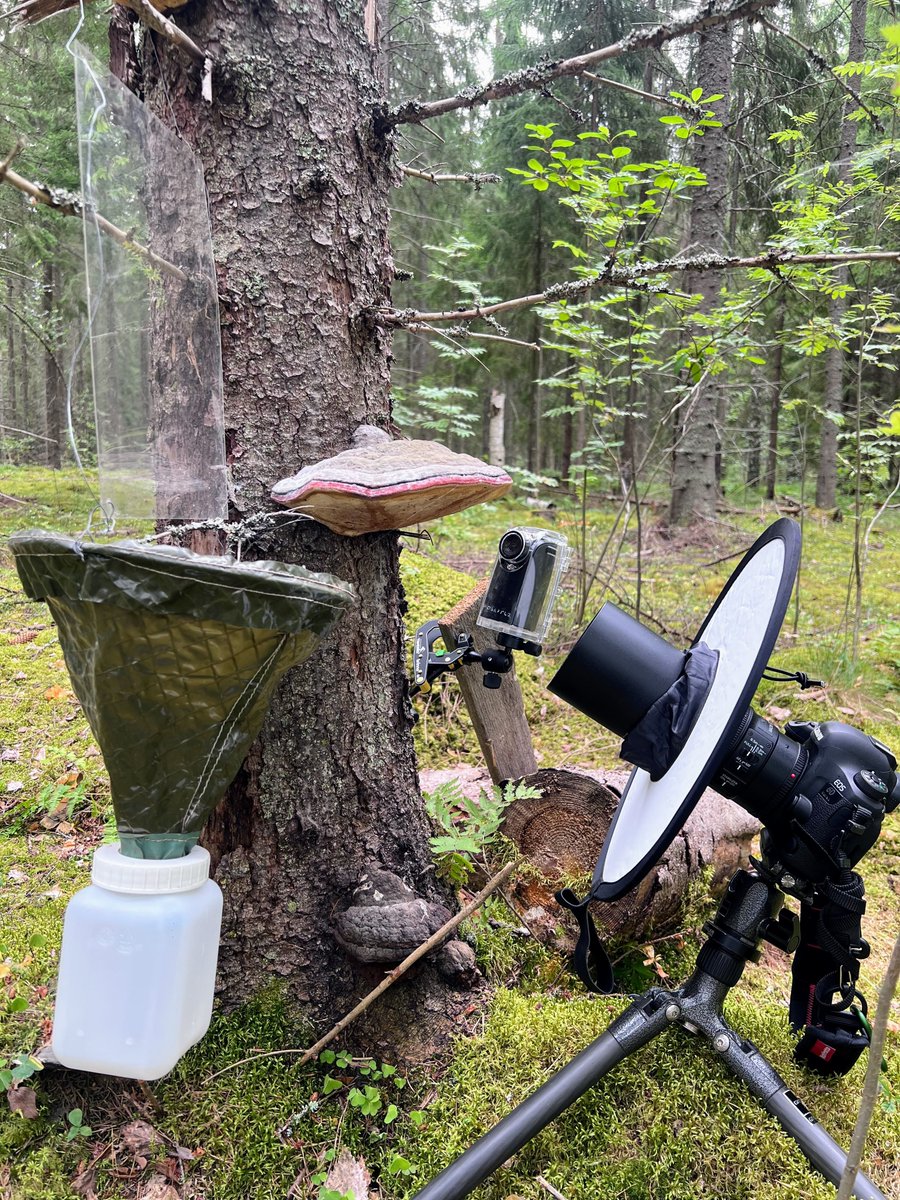
To study how insects interact with polypore fungi over time, @dschigel used a time lapse camera alongside a digital camera and an insect flight interception trap in the field.
#Brinno#Timelapsecamera#BCC300#research
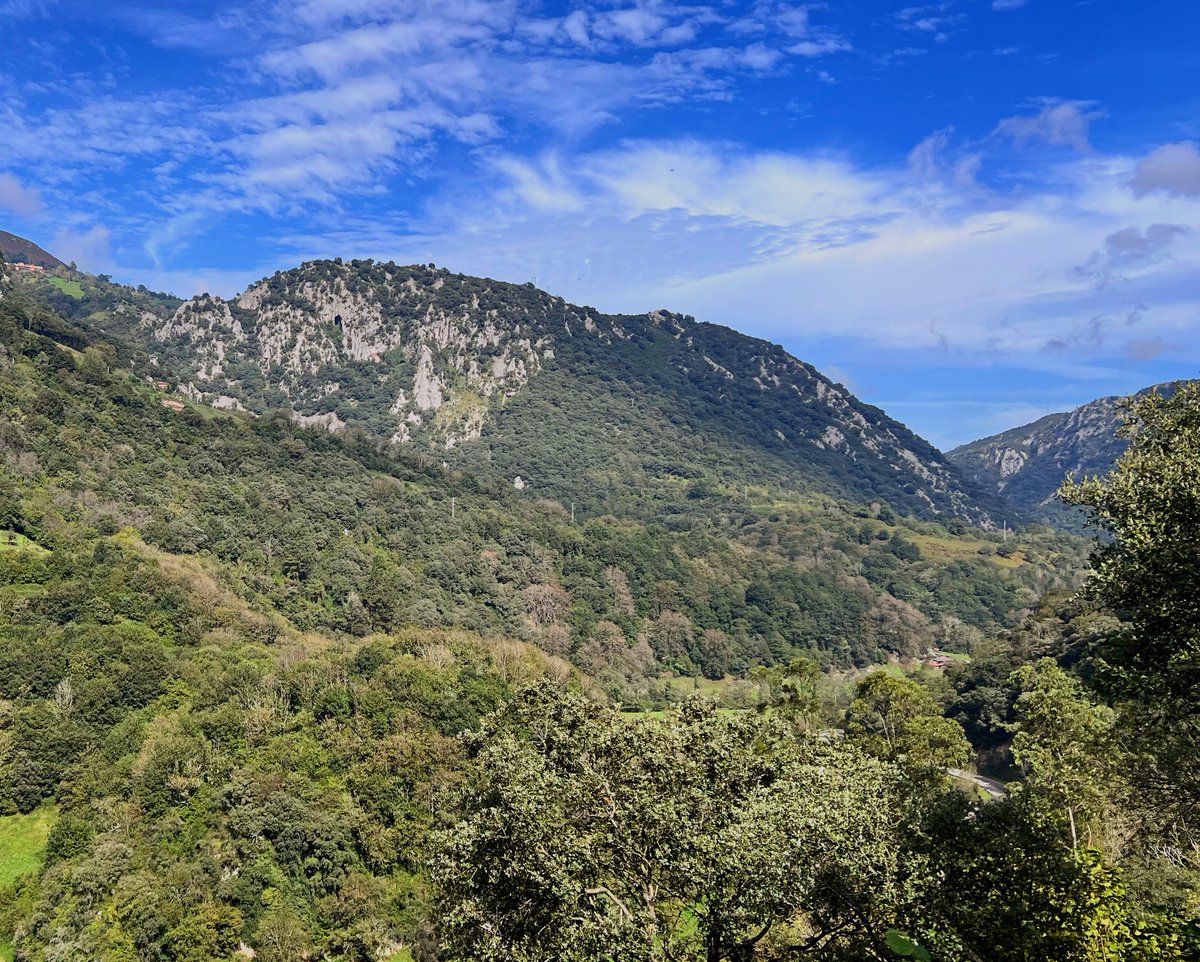
Registration for the Dead Wood Course 2026 - forma iberica - will close on 15 February. Two weeks before the deadline - and half of the places are gone, thanks to the interest from Spain, Italy, Norway, Poland, and Finland. Remining all planning to join to register on time!
Announcing Dead Wood Course 2026 – forma iberica The course will take place in Asturias in Northern Spain on (17) 18–22 May 2026, and only up to 18 participant places will be available this time. Link to expression of interest https://t.co/EyaMcczlu4
Announcing Dead Wood Course 2026 – forma iberica The course will take place in Asturias in Northern Spain on (17) 18–22 May 2026, and only up to 18 participant places will be available this time. Link to expression of interest https://t.co/EyaMcczlu4
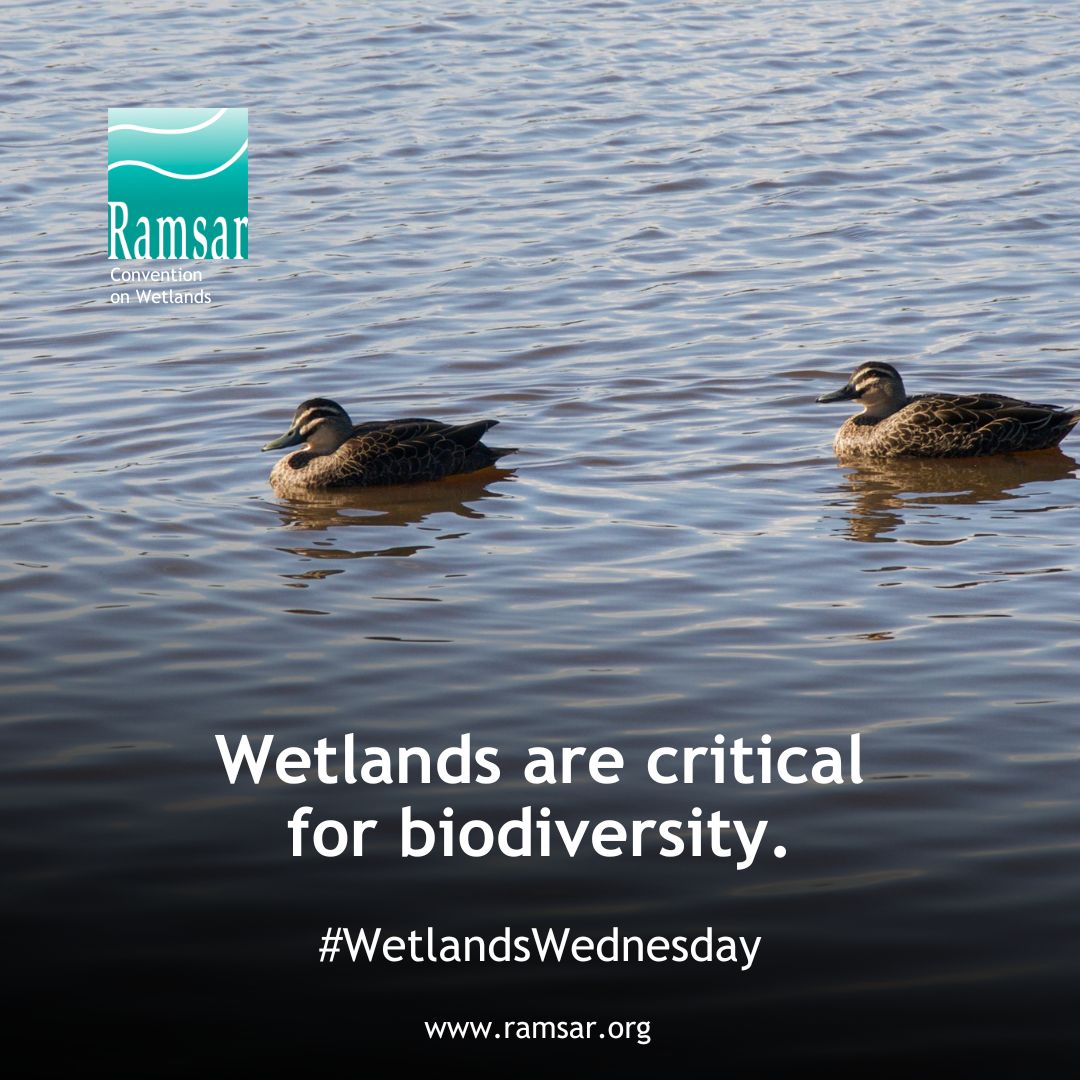
💚 Wetlands are some of the most productive engines of the planet’s biodiversity.
💧 An estimated 40 percent of the world’s biodiversity are found in wetlands, from inland lakes, swamps and river floodplains to coastal mangroves, coral reefs, tidal mudflats and salt marshes.
“FAO’s work with partners on land & soil management is built on shared values: scientific integrity, innovation & a commitment to sustainability. Let’s deepen these collaborations by enhancing open access to land & soil data & building bridges between institutions & farmers”
Dark Taxonomy: From unknown to ready for biomonitoring in 5 steps. By describing 120 species, most species of fungus gnats routinely caught in Singaporean Malaise traps now have names. Bees, butterflies and birds, make room for your new friends. Read here: https://t.co/cmvgjo9flD
📣 Call for data papers!
🦟 The third call for data papers describing datasets on #vectors of #humandiseases has opened! 📍 Deadline 4 April 2025
@GigaByteJournal@TDRnews
More info: 🔗https://t.co/6yLDT9Sw1I
Want to know how to publish Vectors of Human Disease Data with GigaByte and @GBIF? See more in this video
https://t.co/X5SfuLcfnG
Deadline for WHO-sponsored (free APC) submissions to our Vectors of Human Disease series is 4th April https://t.co/klaPr5AkVn
📢 WEBINAR ALERT: The Role of Digital Twins in Environmental Protection 🌍
As #climatechange accelerates, the need for innovative solutions to protect our environment is more urgent than ever. #DigitalTwins (DTs)—advanced tools for real-time monitoring and predictive simulations—are revolutionising how we address environmental threats, from #biodiversity loss to natural disasters.
Join leading experts from @interTwin_EU , @dtgeo_eu , @TerraDT_EU , #ClimateDT, and #DestinE as they explore how DTs can enhance environmental protection, disaster response, and biodiversity preservation. Discover real-world applications, current challenges, and the power of cross-collaboration in this evolving field.
🗓 Date: 27 February 2025
🕒 Time: 15:00 - 16:00 CET
🎙 Speakers: Top researchers and coordinators from major DT initiatives
📢 Interactive Poll: Engage directly with the experts
Register now: https://t.co/aaCONi6AWN
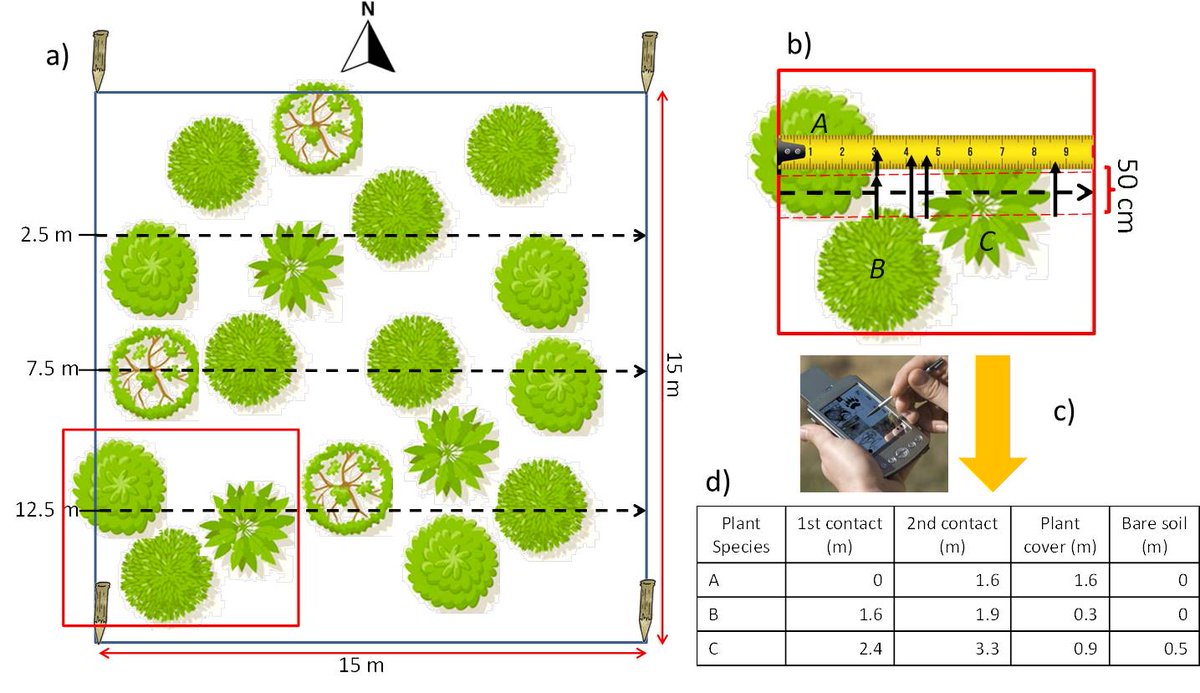
A standardised dataset of percent cover per woody plant species of long-term monitoring plots in Doñana, Spain, available at @GBIF: https://t.co/OUSiPYnSFy
#ecology#vegetation#shrublands@ebdonana
🌲 🌲 🌲 Wishing you all a joyful holiday season!
This year, BioDT has been working hard to build the future of #biodiversity conservation with prototype Digital Twins (pDTs). We've been developing advanced simulations, ensuring #FAIR data resources are readily available, and harnessing the power of AI to create solutions that help us better understand and protect our planet's ecosystems.
Our pDTs are tackling critical biodiversity challenges head-on, from #modelling how species respond to environmental change and exploring the complex dynamics of grasslands and forests, to assessing valuable ecosystem services and understanding the impact of invasive species.
💫 As we look ahead to 2025 – the final year of the BioDT project – we're more dedicated than ever to providing precise and reliable digital tools and actionable insights that contribute to a sustainable future.
Wishing us all a year of growth and discovery from the BioDT team! 🌍
Just what we asked for on our holiday wish lists - new #eDNA datasets! 🎁🤩
🧬Sneaking into 2024, we have our first two datasets published through the #Metabarcoding Data Toolkit by @biodiversity_be! 🌊
🔗https://t.co/YB5PAtIAdF
🔗https://t.co/BP79McHc1s
@BiodiversityDT
📣 Call for data papers!
@TDRnews, GigaScience Press & GBIF renew their partnership for an issue in @gigabytejournal focused on publishing new datasets that present biodiversity data for research on #vectors of #humandiseases. Submit papers by 4 Apr 25!
🔗 https://t.co/c5HJI4LSbb