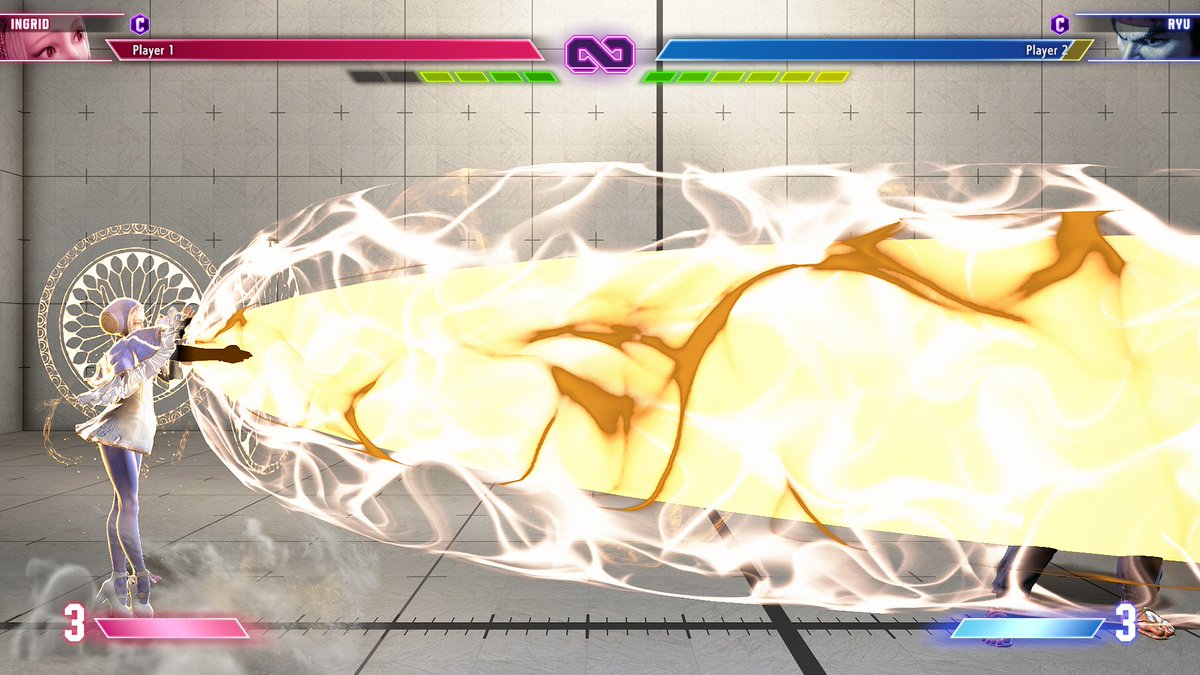
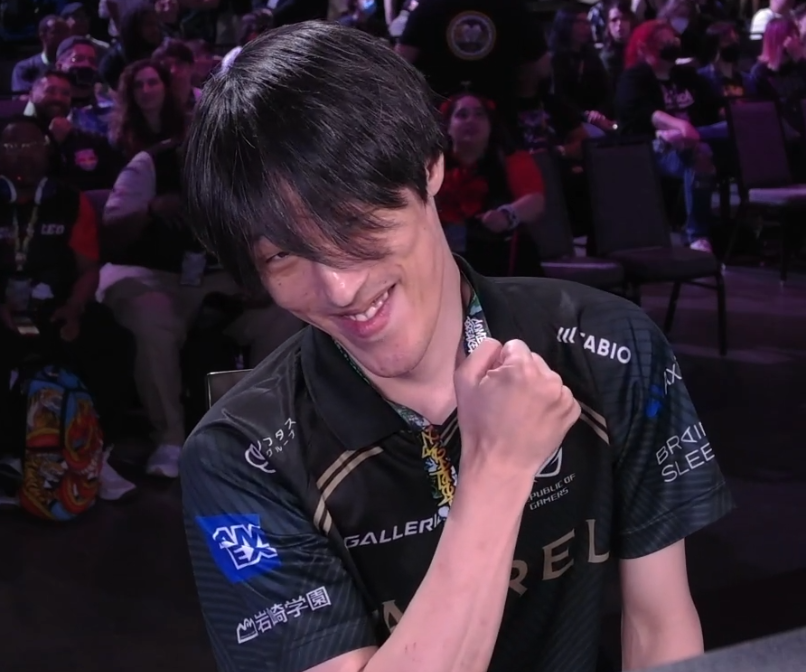
For me, this is already a story from a career that spans the past 31 years.
I’m probably one of the people in the game industry who has traveled to the largest number of countries and actually met local fan communities in person. So honestly, I’ve been influenced by people and cultures from all over the world. More than race itself, I think I’ve always been influenced by “regional culture” and “organizational culture.”
One of the most fascinating moments involving your culture happened in 2019, when I revealed Leroy Smith. (The visual design wasn’t mine, but the original character concept was.)
Right after the reveal, I received this message from the American fan community:
“Can we… can we invite you to the cookout for making an awesome character like this?”
Now, as someone from my generation in Japan, I was actually considered relatively good at reading and writing English. By then I’d already been to North America over 50 times, had maintained the English I learned for university entrance exams, and had been communicating with people on Twitter in English long before translation apps became useful, let alone AI translation.
But honestly… when I saw that sentence, I had absolutely no idea what it meant.
In fact, my very first reaction was:
“Oh no… I’m finished.”
Here’s why.
Back then I was frequently arguing against articles spreading hate toward video games, and I kept seeing people replying with the word “cooked.”
As you know, “cooked” can mean you’re done, finished, or completely destroyed. I also often saw “roasted.” Because of that, I honestly assumed “cookout” was just an even stronger version of “cooked.”
So for one terrifying moment, I read it as:
“Hey… we… we… can invite you to a party where we’re going to beat you up and roast you?”
Even though I thought I knew America pretty well, I genuinely wondered if I’d somehow pressed some invisible cultural button that I wasn’t supposed to touch.
Later, I had another misunderstanding. People kept calling me:
“You are the fxxking GOAT.”
And for about two or three years I honestly thought,
“Damn… here’s another guy calling me ‘a fxxking goat… this animal bastard.’ Better ignore the bait.”
Some people even replied with 🐐 emojis, so I genuinely believed they were insulting me by calling me an animal.
Because of misunderstandings like that, I seriously thought:
“Man… getting our characters accepted by Americans is really difficult. They might actually be even more sensitive than Japanese people in many ways. We need to study their culture much more.”
Anyway, back to the cookout story.
Eventually someone explained that a “cookout” in the African American community is actually one of the highest compliments possible—basically saying:
“You’re someone we’d trust enough to invite to our close-knit family BBQ, where only real friends and loved ones are welcome.”
That explanation was a huge relief.
Then they started showing me BBQ equipment and ingredients…
…and I was absolutely shocked that everything was several times bigger than what we have in Japan.
Sure, I expected the smoker grills to be huge. But even the tongs and spatulas were enormous, and the meat looked like something I’d only ever seen as loot in an MMORPG.
Looking back now, I honestly regret not immediately flying to the U.S. and accepting an invitation to one of those community cookouts.
That really was the perfect opportunity.
Anyway… I’ve wandered way off topic.
Of course I can’t claim that I fully understand what you call Black culture. But if we’re talking about the parts that have genuinely influenced me, the cookout story is certainly one of them.
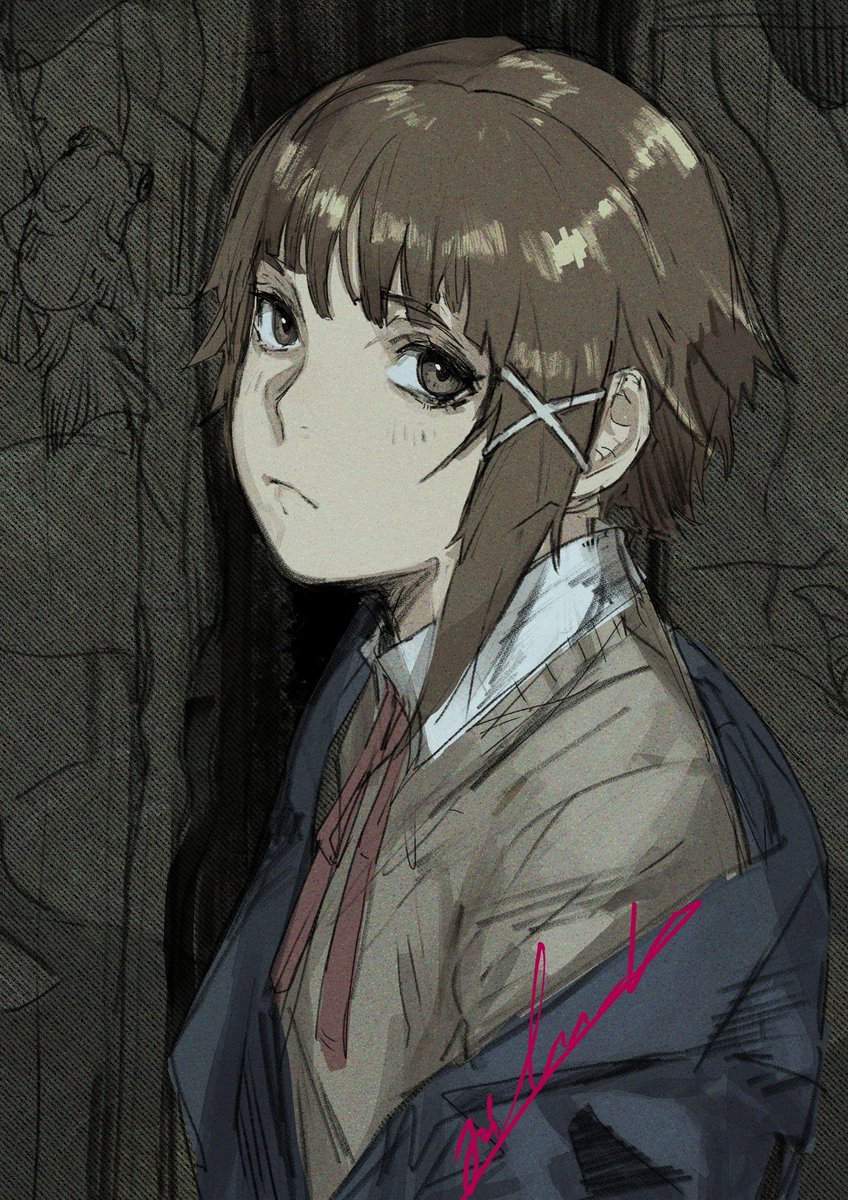
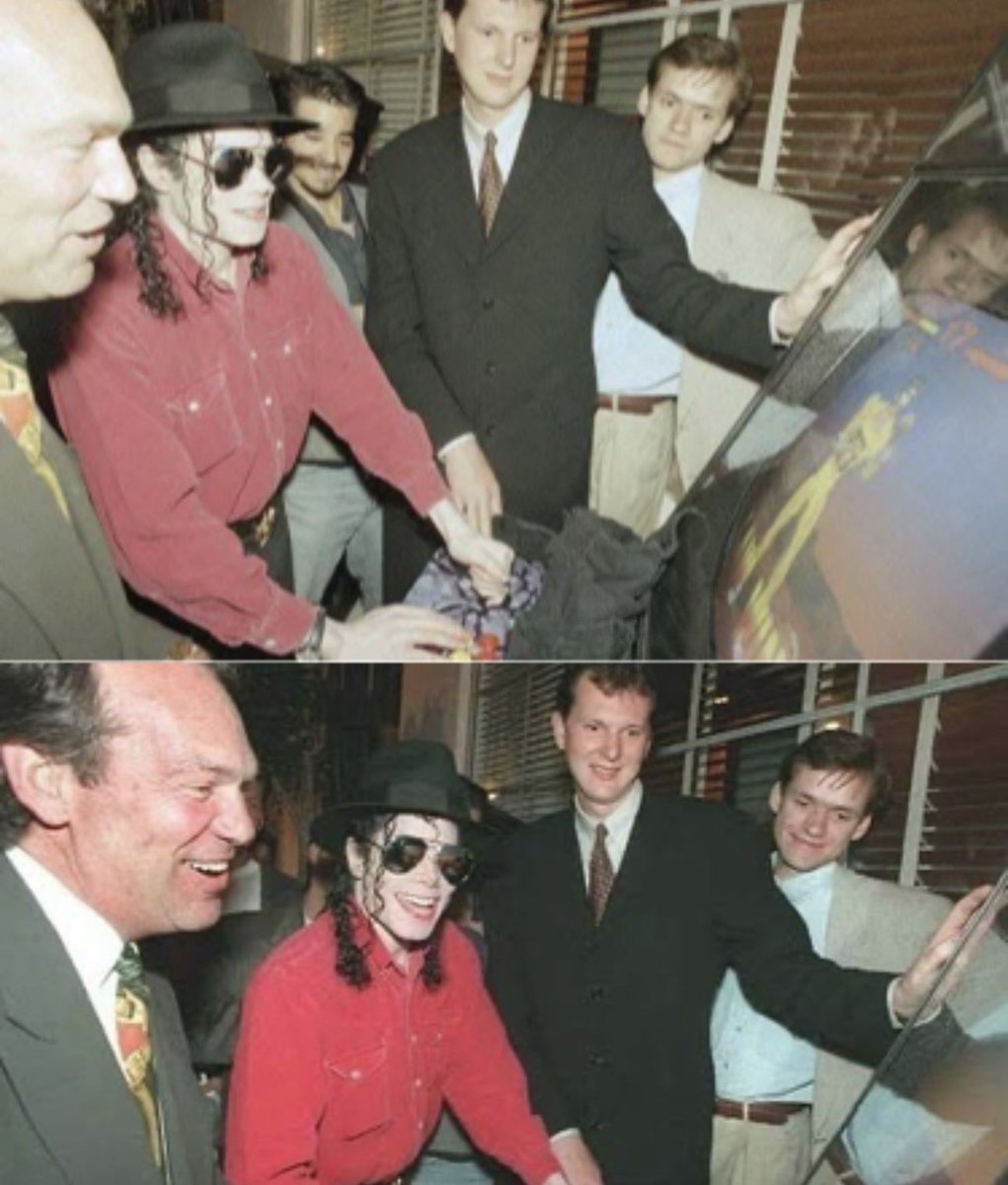
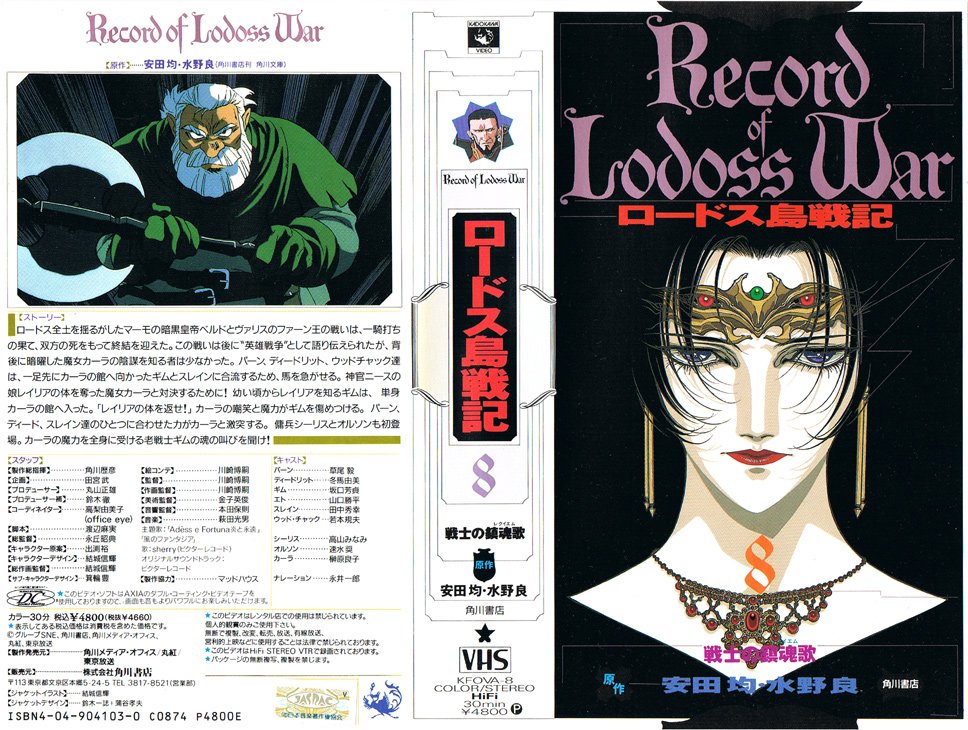
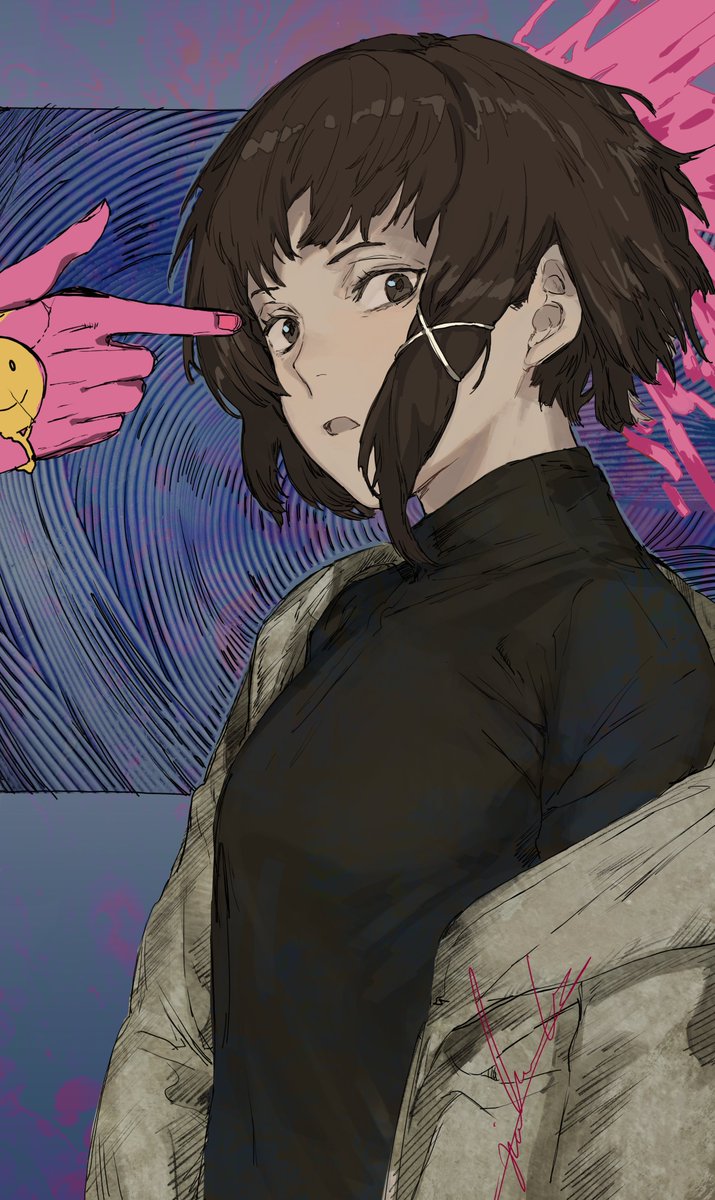
And the people in these photos have also had a significant influence on me. (I’d like to include many more, but I’ll limit it to four photos.)
Well, in reality, Japanese people don’t usually react negatively or become suspicious of someone just because they say hello.
But when I was younger, before I had really gotten used to Western culture, if a complete stranger from overseas suddenly greeted me or started talking to me, my first reflexive thoughts were things like, “Do they need something from me? What do they want?” or “Are they trying to ask me for directions?” And depending on the situation, I might even think, “Wait, are they trying to sell me something?”
What felt even more different than the greeting itself was the difference in how people perceive “making eye contact.”
In Japan, eye contact can feel almost like an invasion of personal boundaries. Staring directly into someone’s eyes is often interpreted as “strong self-assertion,” “intimidation,” or even “glaring.” Especially when I was a student, if your eyes happened to meet even briefly with some unknown yankii from another school or another prefecture --- by yankii, I mean that Japanese delinquent-student type --- they could suddenly get angry and it could turn into trouble. So, through experience, you learn to be careful about situations where you stare directly into someone’s eyes.
When your eyes meet with a stranger, quickly looking away can actually be a kind of Japanese manners. It can mean, “I have no hostility toward you,” or “I’m not going to intrude into your private space.” It is a sort of kindness through non-interference. The difficult part is that it does not necessarily mean, “I’m hiding something,” or “I feel guilty, so I’m avoiding eye contact.”
In that sense, when people from overseas naturally make eye contact, smile, and say “Hiii!” I remember being surprised at the time that the eye contact and the smile seemed to come as a set. I even wondered the opposite: if someone is wearing a mask like many Japanese people do, then that smile no longer works, so what kind of gesture does it transform into? We Japanese basically complete the greeting by giving off a very subtle atmosphere while still wearing a mask.
Ah, this has almost nothing to do with greeting culture, but this story reminded me of something.
After I had become more familiar with Western culture, there was one incident that made me feel incredibly embarrassed.
As many of you know, after EVO started being held in Las Vegas, a large number of FGC people began gathering in Las Vegas for those few days.
By that time, from the moment I arrived at the airport, people would call out to me: “Hi Harada-san!” “Yo! Harada-san!” “Hello Harada-san!” Around the hotel, and even while waiting at traffic lights in the city, many people would approach me.
One time, I was away from the center of Las Vegas, having a meeting at a restaurant on the outskirts of town about a secret announcement-related matter. Then a waitress from a bar across the street came over with a tequila shot and said, “Um, a customer at the bar across the street wants to buy this for you. By the way, who are you?” That was a pretty funny moment.
During those strange few days in Las Vegas, the most common way people approached me was with requests for photos: “Can I take a picture with you?” “Can I get a selfie?” “Picture...”
One time, I was taking a photo with two sexy police models who would take commemorative photos with people for five or ten dollars. Then a line started forming. Both I and the two sexy police models thought, “Wow, a lot of customers are lining up.” But actually, they were fans waiting to take photos with me. So the two sexy police models ended up watching this situation where people kept taking commemorative photos with some Japanese ossan, and they looked completely weirded out, like, “Uh... who the hell is this old guy?”
So, with that kind of situation happening all over the city, one day I was walking around when a couple, a man and a woman, came up to me and said something like, “Um... picture...” So I thought, “Yes, of course,” and stood between the couple. Then I struck that fighting pose with my fists up.
The boyfriend’s face immediately clouded over, and the girlfriend burst out laughing. And I was just standing there like, “?”
Yes. Exactly as everyone is probably imagining. In that instant, I also realized, objectively, just how painfully stupid and ridiculous my action and pose must have looked.
They had only wanted me to take a photo of the two of them.
But instead, what happened from their point of view was: “A Japanese middle-aged man who had been modified to be about twenty times more friendly than an American suddenly cut in between us and started doing some mysterious pose.” Of course they were confused.
I suddenly came back to my senses, bowed my head repeatedly in a very Japanese way while apologizing, carefully took about five photos of them, and then, to hide my embarrassment, I took one photo of myself before returning the phone to him.
That was an unforgettable, embarrassing moment.
Since then, I have listened extremely carefully whenever I hear the word “picture.” That was probably the exact moment when my listening skills improved threefold.
I guess being embarrassed is one way to learn.
......Anyway, what were we talking about again?