I too, want AI to:
-Change our world for the better
-Narrow digital divides
-Expand human flourishing
-Enhance faith, moral clarity human meaning and possibility.
https://t.co/32lnyP9pzZ
84% of our Anthropic API cost came from cache reads and writes.
Not input tokens, not output tokens.
Cache.
At Google, I honestly never thought much about the cost of AI. Joining an early stage startup completely changed that. Every dollar matters, so I became pretty obsessed with understanding where our token usage was actually going.
Most of our usage made sense. Our team averages around 70 to 100 PRs a day, so a large token bill is expected.
Then Fable was released and something felt very wrong. We were producing fewer PRs, but our cost was nearly 20x higher, and yes, I know what you’re thinking. Fable 5 is much more expensive than opus, but even after accounting for that, the math still didn’t work.
So I spent a week tracking everything claude code reported and comparing it against the Anthropic platform. The numbers mostly matched.
The surprising part was where the money was going. 84% of our usage came from cache reads and writes, split almost evenly, with cache reads slightly ahead.
In theory, caching should make things cheaper. In long running sessions, especially when claude code is acting as the main orchestrator, it became the biggest part of our bill.
Compaction helped, but only briefly. One request later, cache reads and writes would jump again. So I changed the workflow.
I now use Fable for planning, create the Linear ticket, then start a completely fresh session with Sonnet and let Codex handle the implementation. That simple change reduced our cost by around 50%.
Biggest takeaway:
If you’re paying for API usage, don��t just watch input and output tokens. Watch cache reads and writes very carefully.
Honestly, I suspect something similar happens on Claude subscriptions too. You just never see the bill.
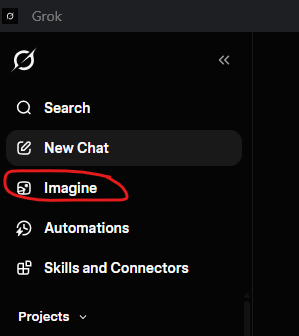
Today we're launching app builder for Grok. It lets you build fully functional apps and publish them instantly, on a unique domain, all from within Grok. Available now on https://t.co/01Y4BOVWIn.
@chrismaconi@mattshumer_ One shot must mean one trigger pull from the start, whether it loops or fans out after?
Will ai get to a point where things like this are inferred without context or details added in the prompt? Just knows to have the orchestrator and loops based off “ copy call of duty for me”
@galdawave I’d love to see what pushing the frontier of ai looks like. As you’re building things or pushing that frontier please share so we can use and try ourselves. Anything you think is simple may not be simple to the rest of us, so share the simple things too.
@astaritamatt Its been fun building and testing, try
/voice in the cli I think I’m most excited for the catch up on agentic automation items similar to cowork and the app builder that’s coming + a desktop app. 🚀
@pricefoulger@collinxjenkins@ziggamon I follow this and am in awe with what you’re planning & doing.
Also… I think others walking by and hearing this would think you’re talking about aliens 👽
@ianpoley@sflorimm Yeah… the email could work if you have all the apps send them to it. Wonder if we could set up a Hermes agent to just take care of this for the user. Have it log into all the apps and pull everything into the db.
@ianpoley@sflorimm I like this idea, nice work. Another problem to solve is bringing all notices from multiple school communication apps/ systems into one place instead of just scanning.
@omgitsderek@sflorimm I live this! I did something similar in AI studio for my boys, takes a voice recording generates images from nano banana to the story and then puts the story to the visuals and matches the voice back to the images. Can save mp4 offline for later.