🧵🦠 Where do emerging infectious diseases come from—and how does spatial scale shape what we see?
In our new preprint, we explore zoonotic risk in Java, Indonesia, combining host habitat, biodiversity, human encroachment & population-at-risk.
📖 https://t.co/4rDOWTvRnY
The wildlife-livestock interface is crucial for #WildlifeConservation🌳🐃🐂 We simulated wild bovidae pops over time with & without 6 diseases - anthrax, brucellosis, HS, Btb, LSD, FMD. @wantidahor@dtsh2 @jmarshallnz @rejusam
https://t.co/2mjPixDago
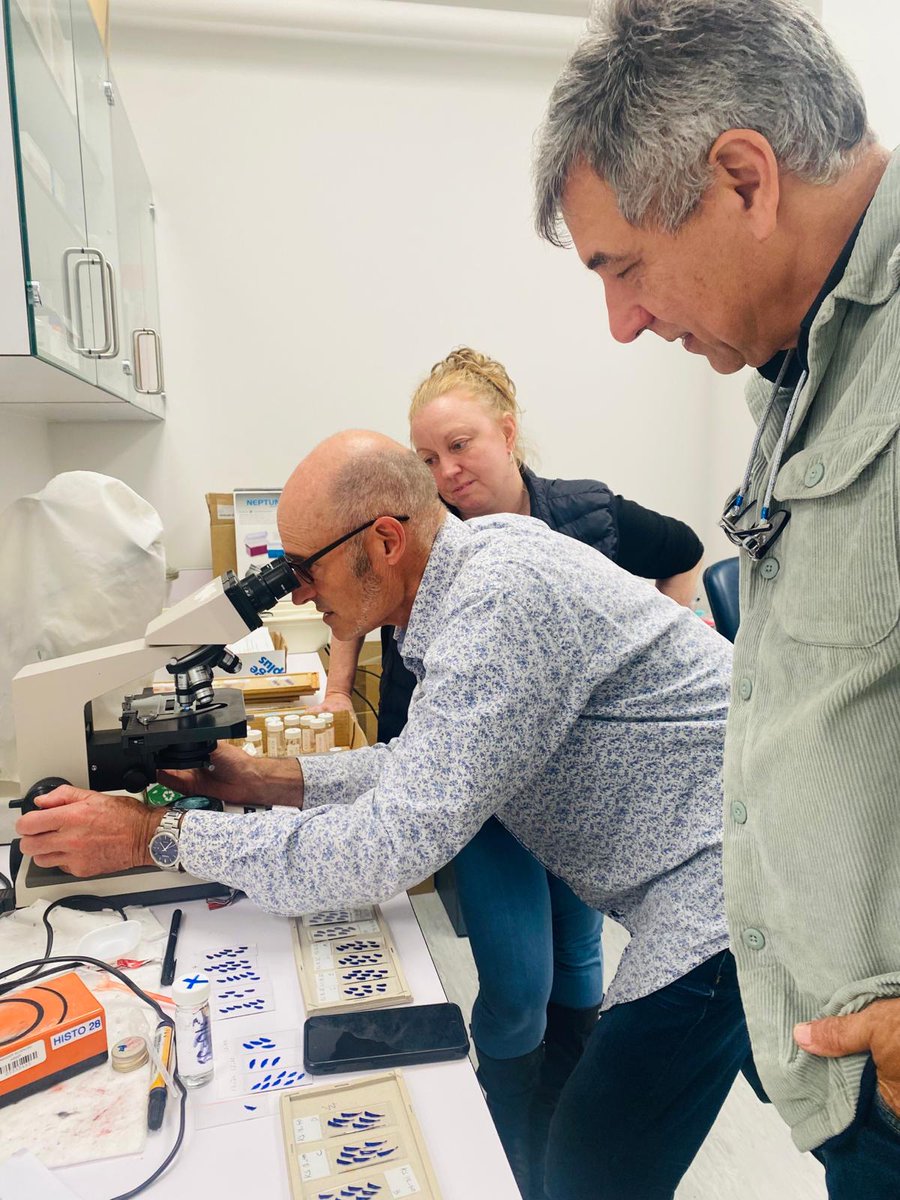
Visit to School of Veterinary Science to catch up with the vet paths, histologists, epidemiologists and Head of Vet School @MasseyUni, @IUSAeu, @Toniovetpath, @dtsh2, Stu Hunter, Wendi Roe, Matthew Perrott and Jon Huxley.
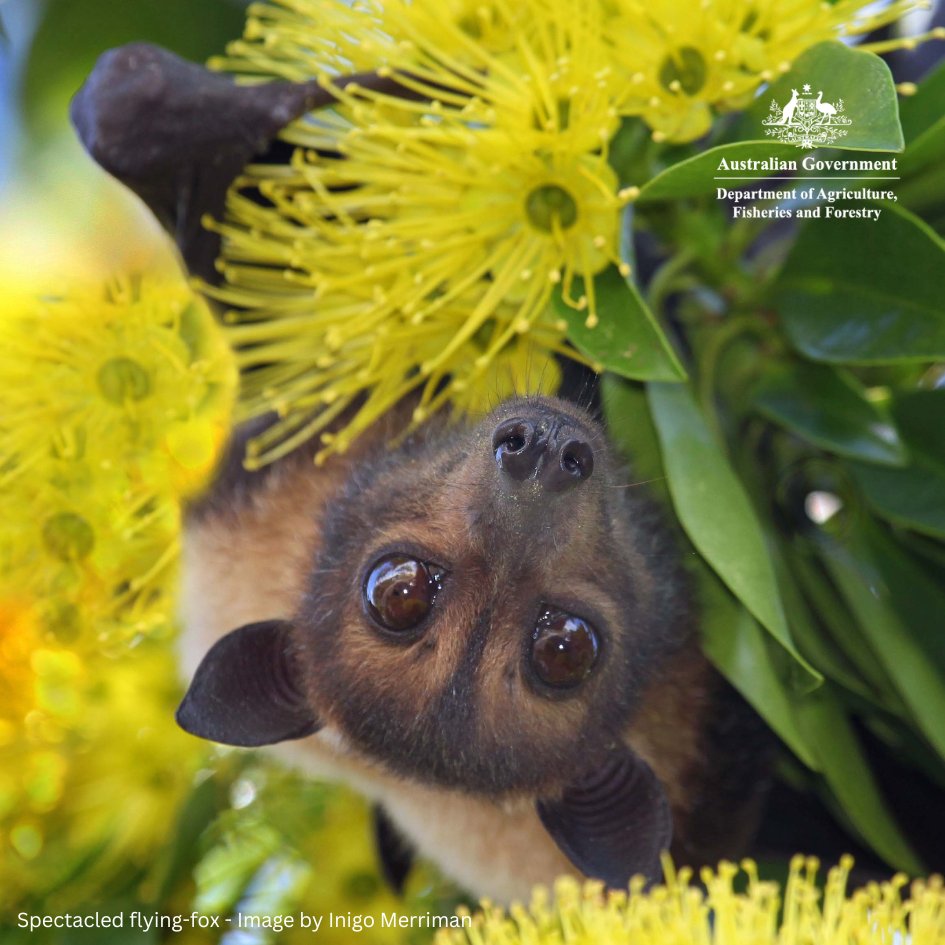
On World Wildlife Day we highlight the climate change impact guidance tool for wildlife to assist decision makers in anticipating the role climate change may play in health &disease of wildlife. @daffgov &@healthywildlife One Health Surveillance Initiative https://t.co/prYPhE66tf
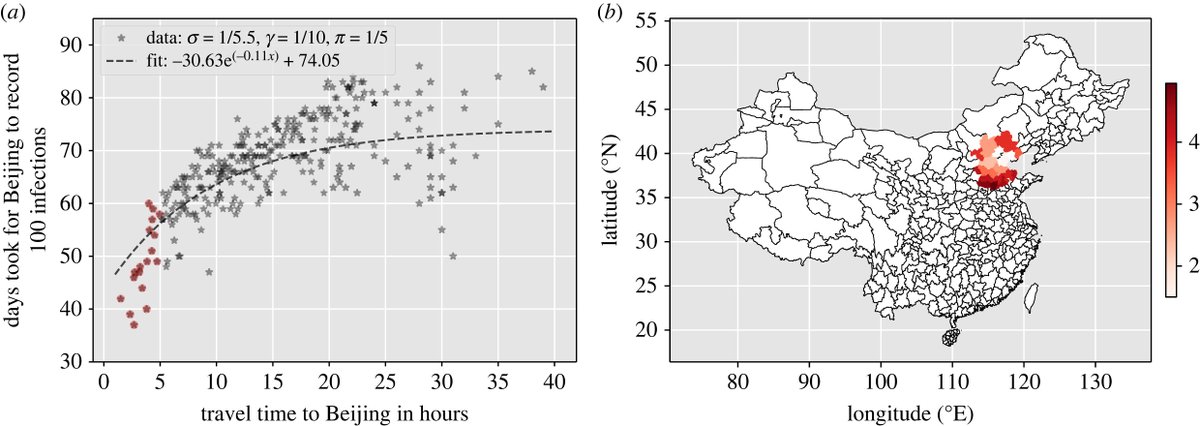
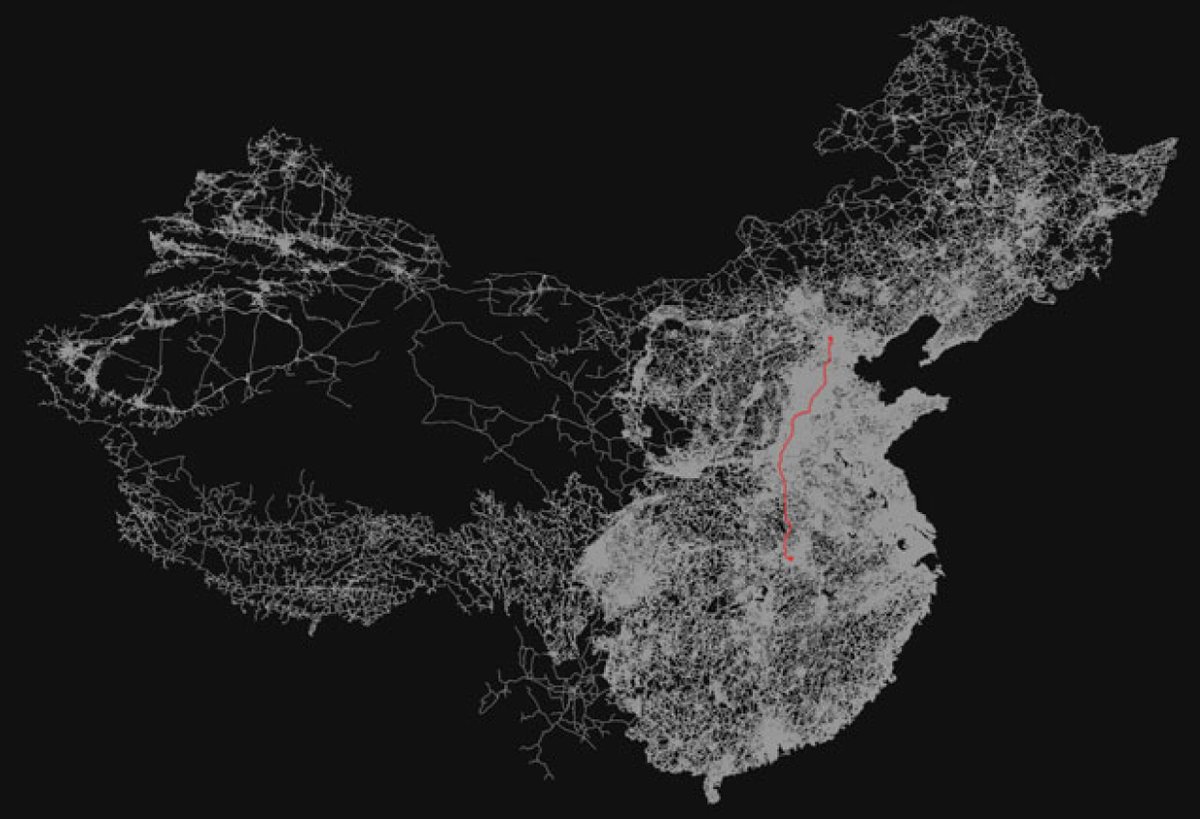
This model replicates the early trajectory of COVID-19 cases well. Travel time between cities through roads was the most crucial factor influencing the spread, followed closely by the how much people tend to move between cities. @rejusam@dtsh2 https://t.co/Lu3dWYBCSp
🆕🗞️🤒📈 What do we want? A pandemic-free world! When do we want it? Now! ⌛️This neat modelling work led by @rejusam offers insights for policymakers who need to deal with the limitations of curtailing human movement to combat infectious disease spread.
https://t.co/kwOQDDf0J4
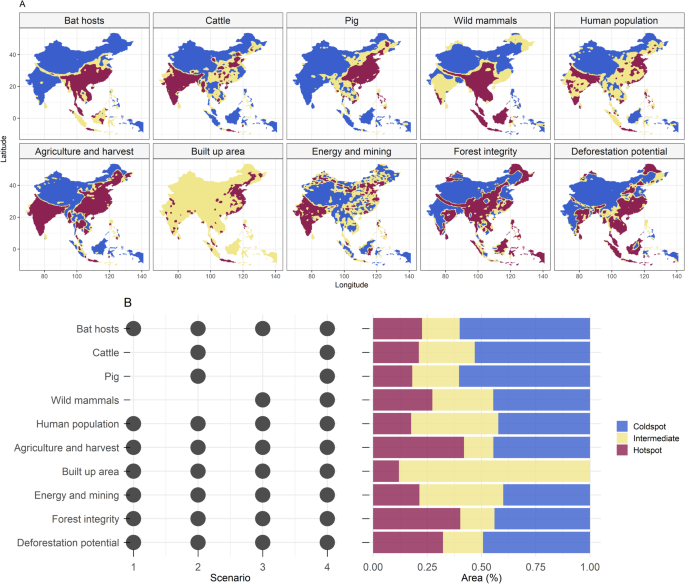
🦠 New Research Alert! Using drivers and transmission pathways to identify SARS-like coronavirus spillover risk hotspots🌍 Where are the hotspots of landscape change, human exposure and host distribution in different scenarios?👇 #Coronavirus#PandemicPrevention#OneHealth 1/5
Happy to share this article I contributed to “Addressing the challenges of implementing evidence-based prioritisation in global health” https://t.co/p6twR5o8S5 @dtsh2@JennyferAmbe@luisaenria
Fantastic work from Mang Shi & colleagues:
"a novel recombinant SARS-like coronavirus...with only five amino acid differences between its receptor-binding domain sequence and that of the earliest sequences of SARS-CoV-2" in Yunnan, China.
https://t.co/EaEMmMNAGS