The seal / coat of arms of Zambales, though tinctures has changed over time, contains elements, importantly the Zambales Mountains, grainlands for agriculture, and anchors for its position towards the West Philippine Sea that describe the province as a whole.
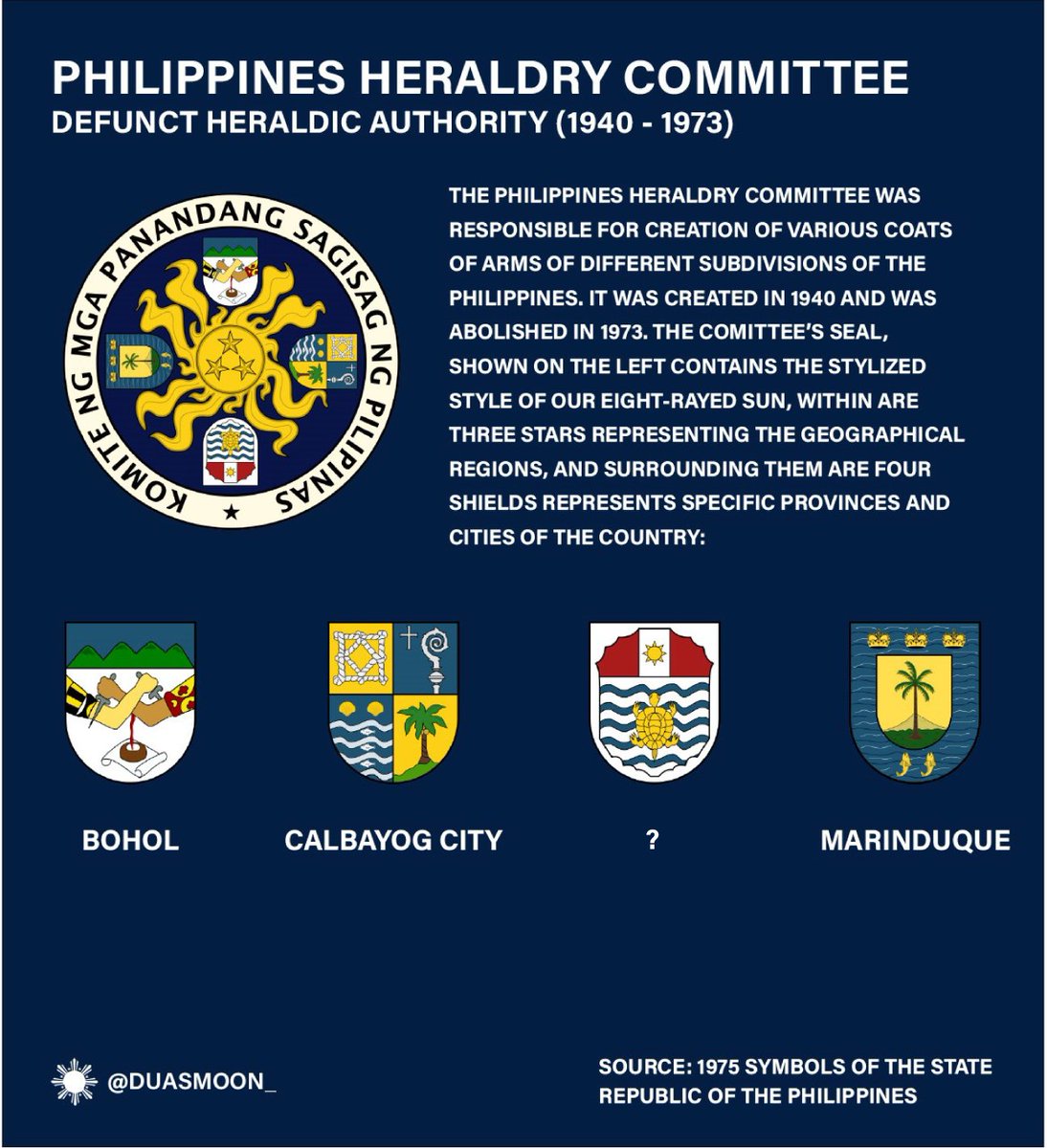
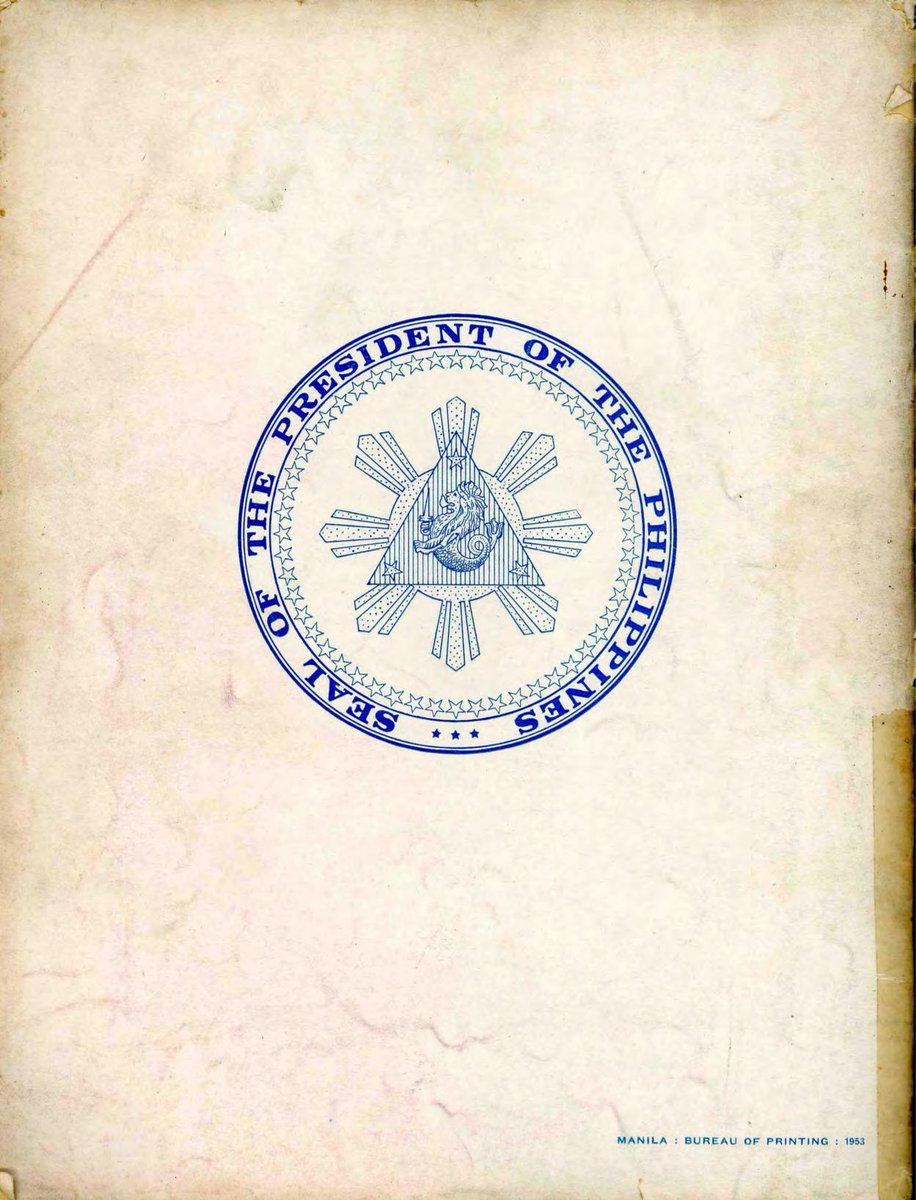
[visual redo] The Philippines Heraldry Committee's seal features the stylized 8-rayed sun and four coats of arms representing some of the subdivisions of the country.
The seals / coats of arms of Mountain Province from 1950 features five mountains and five stars representing the its five sub-provinces, below them are the tools that its indigenous people use. The 1966 seal highlights a mountain peak symbolizing its remaining territory.
The seal / coat of arms of Bohol was first approved in 1950. Since then, it has underwent numerous visual changes. It features the famous Chocolate Hills in the top part and the Blood Compact of Legazpi and Sikatuna at the bottom part.
The first seal / coat of arms of Rizal was used in 1950 until the 2000's. The seal features the cry of balintawak on top left, the top right represents the industry of the province, the bottom left represents its agriculture, and the bottom right features the nymph of Pasig.
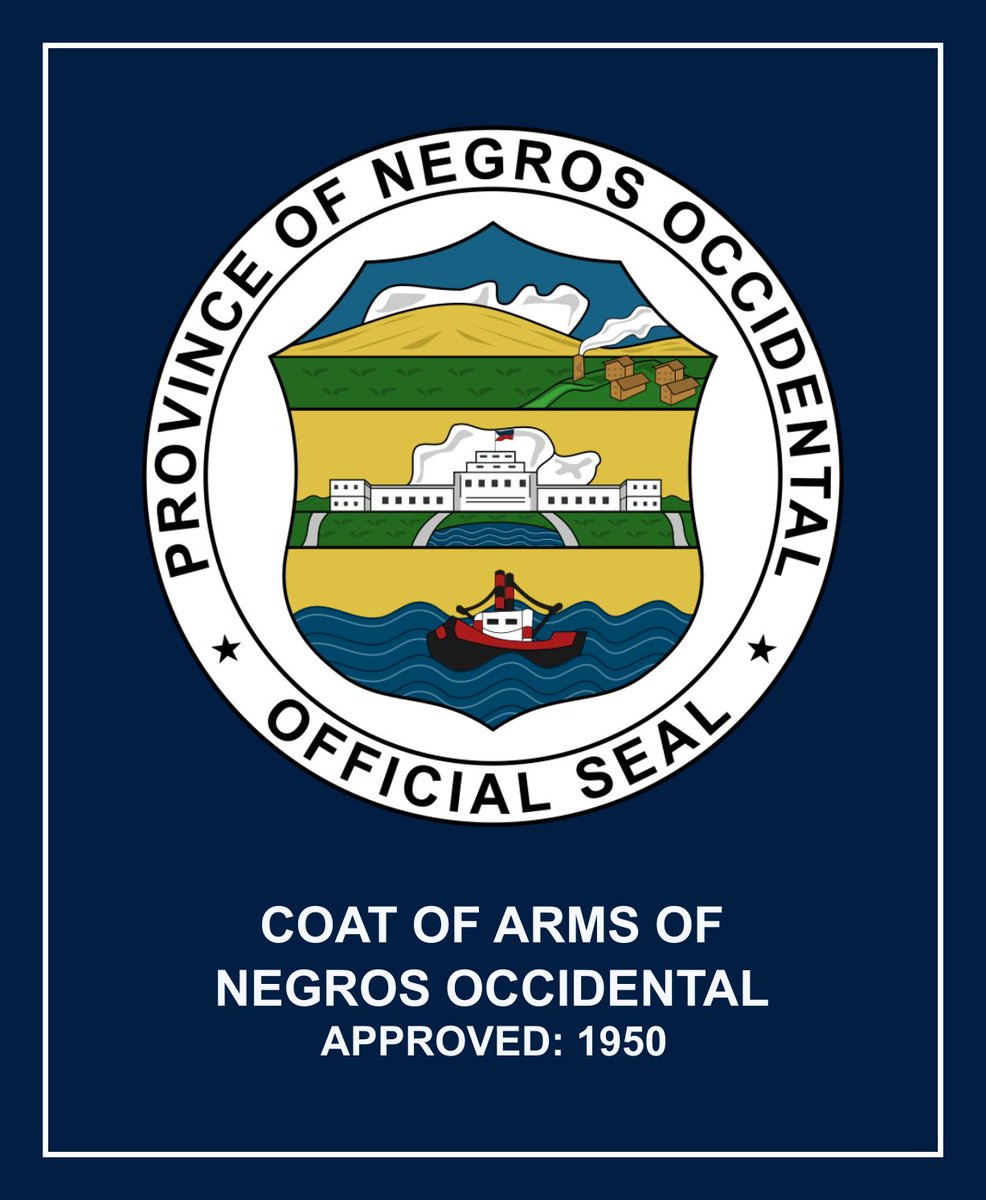
The seal / coat of arms of Negros Occidental was first approved in 1950. The top part features the Kanlaon Volcano and the sugar industry of the province, the middle part features the Negros Occidental's provincial capitol, and the bottom features the province's fishing industry.
The seal / coat of arms of Albay was adopted in 1950 and is still in use today. It features the famous Mayon Volcano and the native Kalaw bird, it is considered today as vulnerable.
The seal / coat of arms of Nueva Ecija was adopted in 1950. It contains elements such as a mountain to represent Caraballo and Sierra mountain ranges. It also contains a carabao and rice stacks to show itself as the Philippines' rice granary provider.
Provinces named after important people in the history of the Philippines has put their figures in their coats of arms. In the case of Leyte, Gen. Douglas MacArthur's role to the liberation of Leyte during WW2.
Philippine civic heraldry of the 1950's. These early coats of arms of selected provinces were approved on 1950, 10 years after the establishment of the Philippines Heraldry Committee.
The colonial coat of arms of Manila was often used to represent the Philippines during the Spanish era. There are other coats of arms representing the Philippine Islands, but were not used widely or not officially adopted like these three.
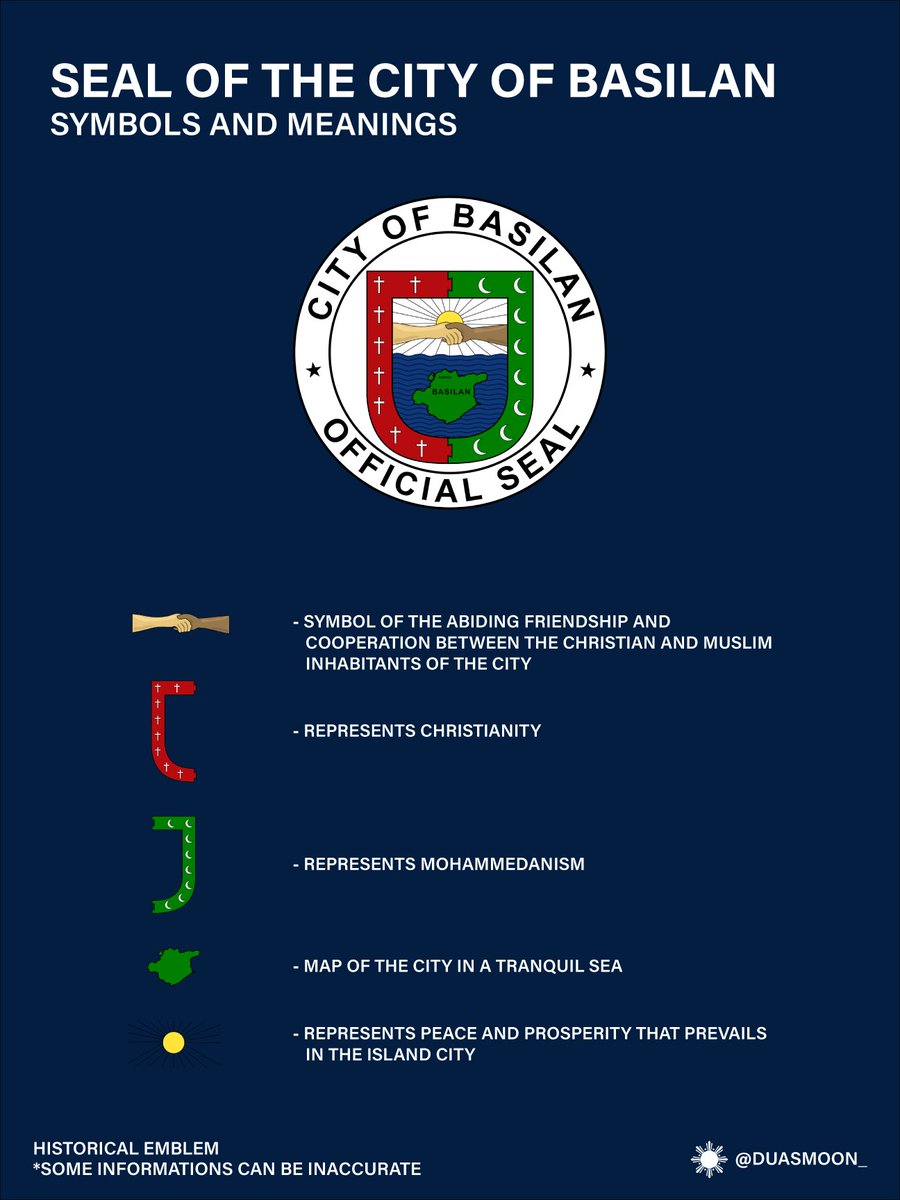
The island of Basilan was once a city before being converted into a province. Their seal/coat-of-arms was adopted in 1949 and used until the city's dissolution in 1975.
coat-of-arms source: 1975 Symbols of the State Republic of the Philippines
#heraldry#philippines#basilan
Some provincial governments did not go through proper process updating their seal / coat of arms to the NHCP, resulting in two seals that is used to represent their provinces.
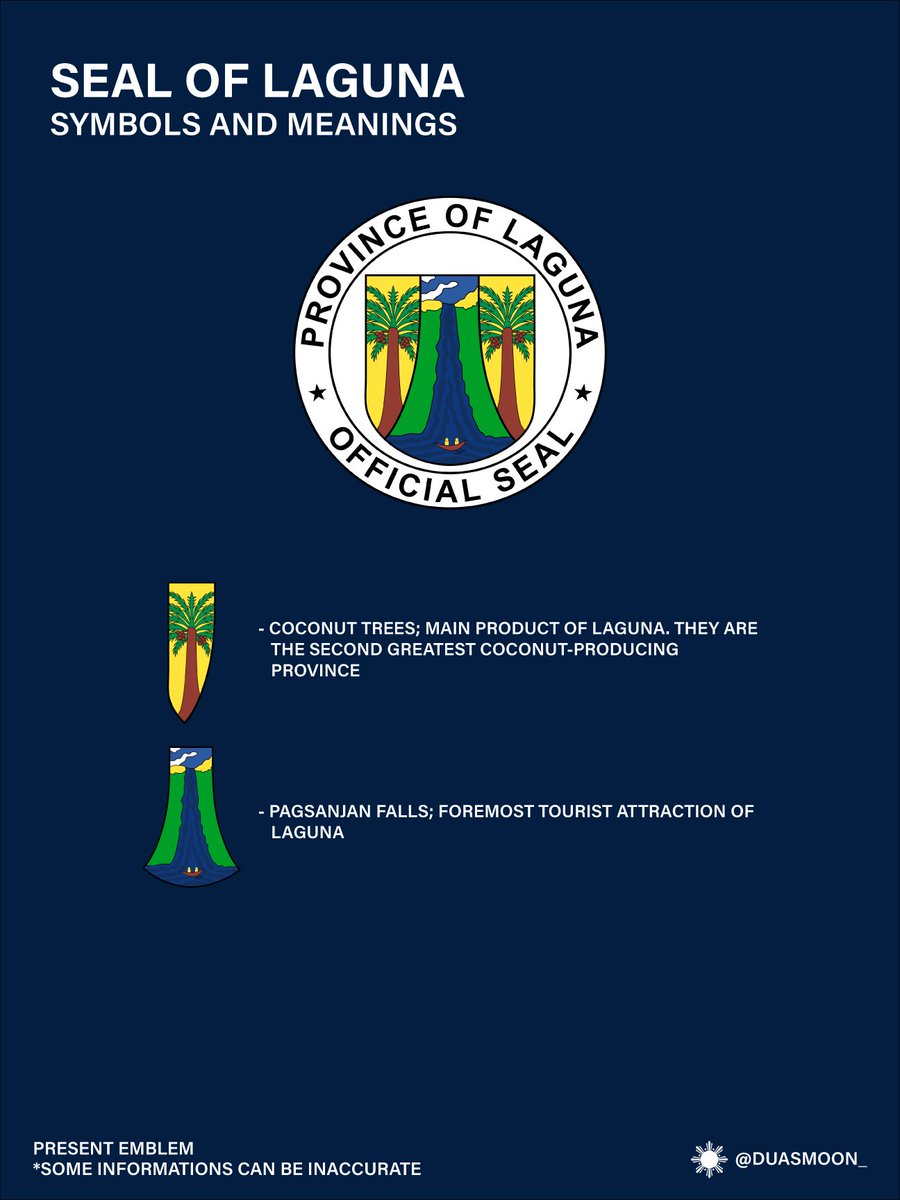
Today, we celebrate Laguna's foundation day!
The seal / coat of arms of Laguna was adopted by its provincial government and has been in use since 1951. The provincial government uses a similar variation of the seal.
#heraldry#philippines#laguna
Though Cagayan de Oro's 1950 - 1976 seal / coat of arms was not used anymore by its city government, it is still recognized by the NHCP as the seal of the city.
Information about these seals from @TrajBenjie#heraldry#philippines#cagayandeoro





![duasmoon_'s tweet photo. [visual redo] The Philippines Heraldry Committee's seal features the stylized 8-rayed sun and four coats of arms representing some of the subdivisions of the country. https://t.co/d9GuBQqRlV](https://pbs.twimg.com/media/F999B7rbkAAq_a4.jpg)