Archives & special collections on women in medicine and homeopathy; Woman's Med College of PA, Hahnemann & Drexel Med history. Follow for #HistMed content.
The Hahnemann Medical College football team in 1900 (and a friend who just swooped in). #GoBirds
📷 Hahnemann Class Book, 1900; photo of 🦅 by Kevin Burkett
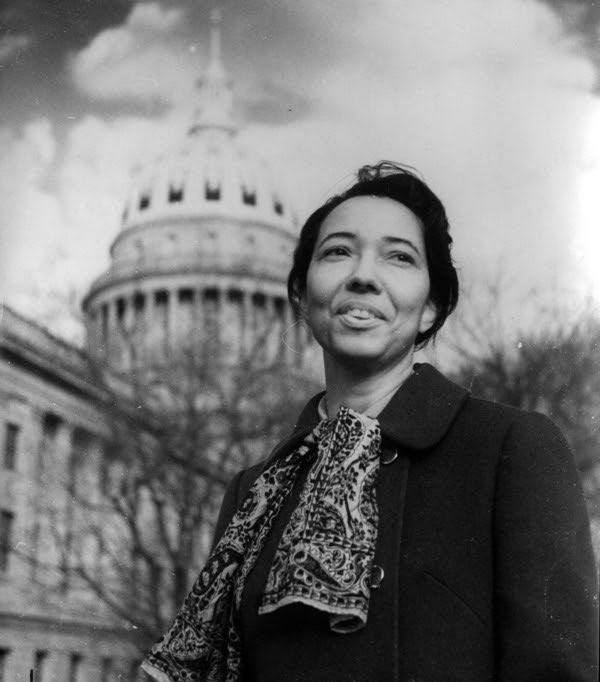
All people in the mental health care system deserved dignity and hope, she maintained. "No one has a right to decide that patients aren't going to get any better."
#WMCP175
When Dr. Mildred Mitchell-Bateman accepted her position at Lakin State Hospital in West Virginia in 1947, she found that psychiatric hospitals weren't oriented around the goal of sending patients home. #WMCP175
📷 Mitchell-Bateman c. 1971. The Herald-Dispatch, Huntington, WV.
Her advocacy continued as director of the West Virginia Department of Mental Health, vice president of the American Psychiatric Association, a member of President Jimmy Carter's Commission on Mental Health, and beyond.
Super cool. Also, did you know that Paracelsus invented Gnomes? More on that another time…
To learn more about our collections on historical homeopathy, check out our research guide: https://t.co/EyD5NtfVzj
What does the film “Nosferatu” have to do with our collections, you ask? 🧛🏼♂️🐀
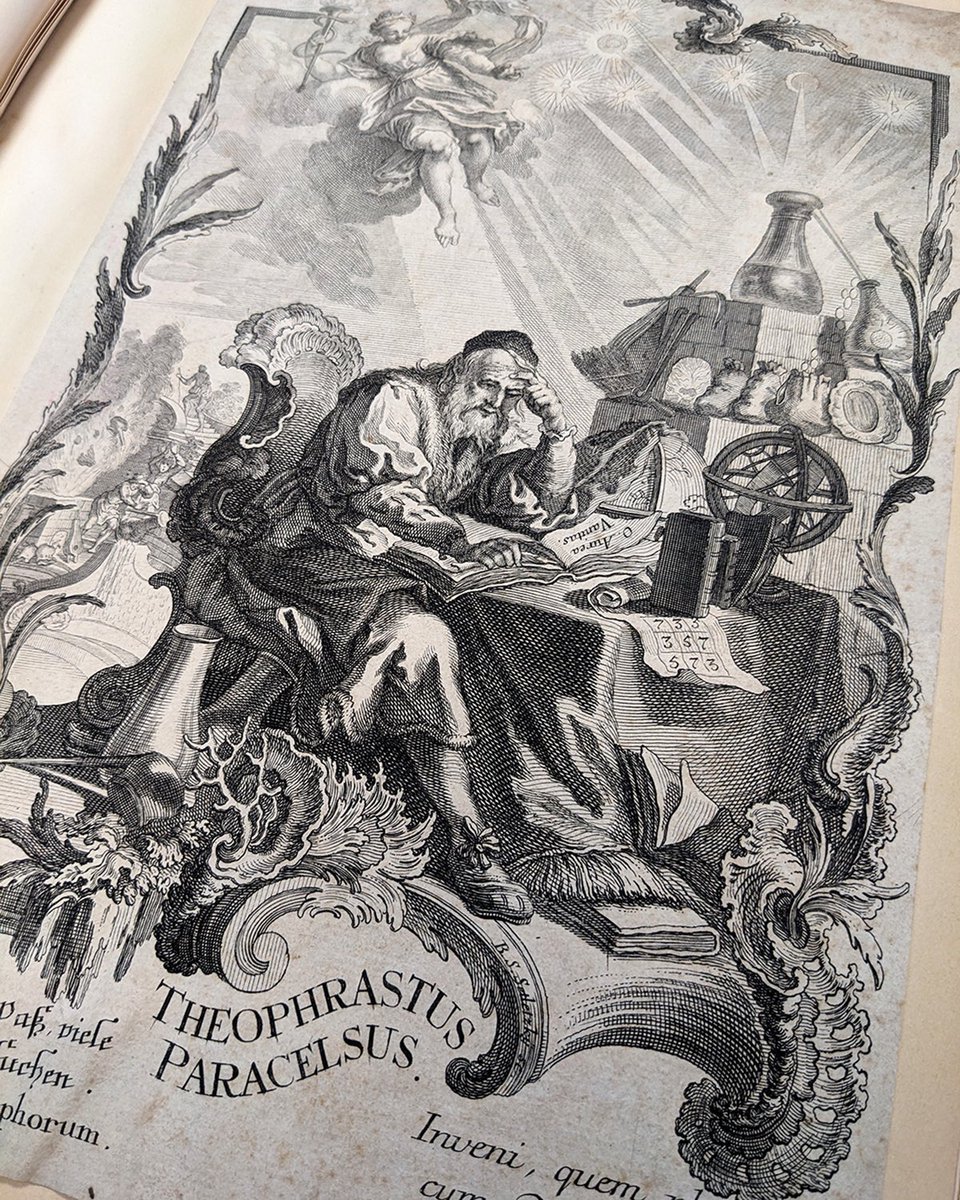
Why, we hold Constantine Hering’s impressive collection of works by Paracelsus!
📷 Illustration of Paracelsus from a scrapbook kept by Hering
📷 Promotional art by Albin Grau for Nosferatu (1922)
That idea is preserved and reflected in the homeopathic theory of “like cures like.” A thing that causes symptoms in large doses will treat those same symptoms in small doses (or, in Paracelsus’ case, a plant that resembles a body part will treat all ailments of that body part).
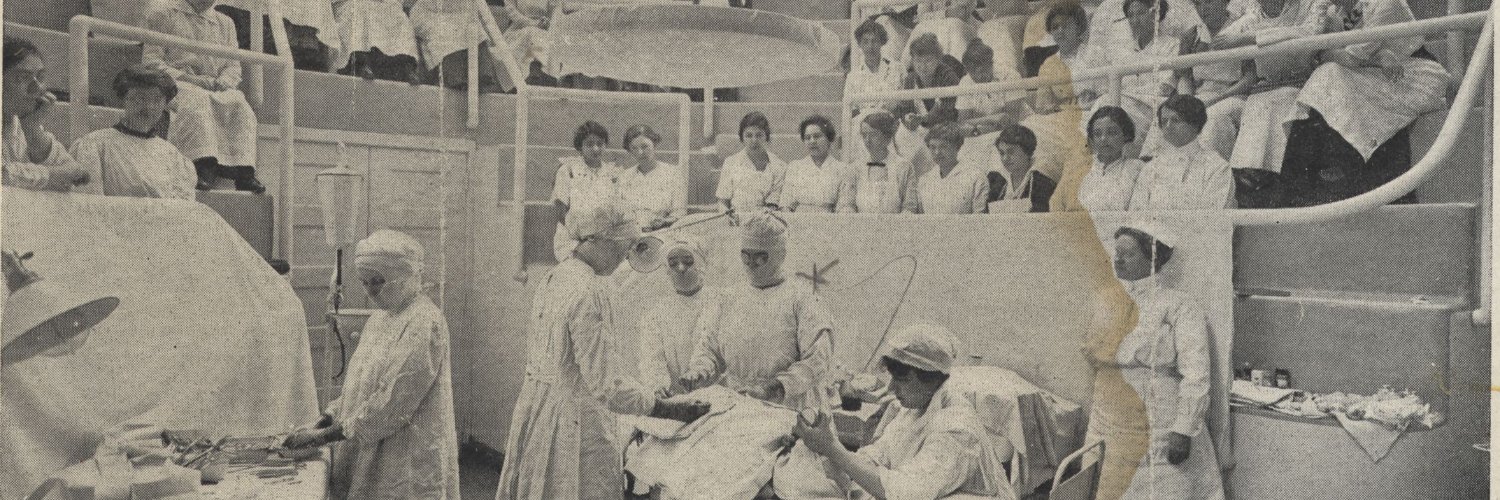
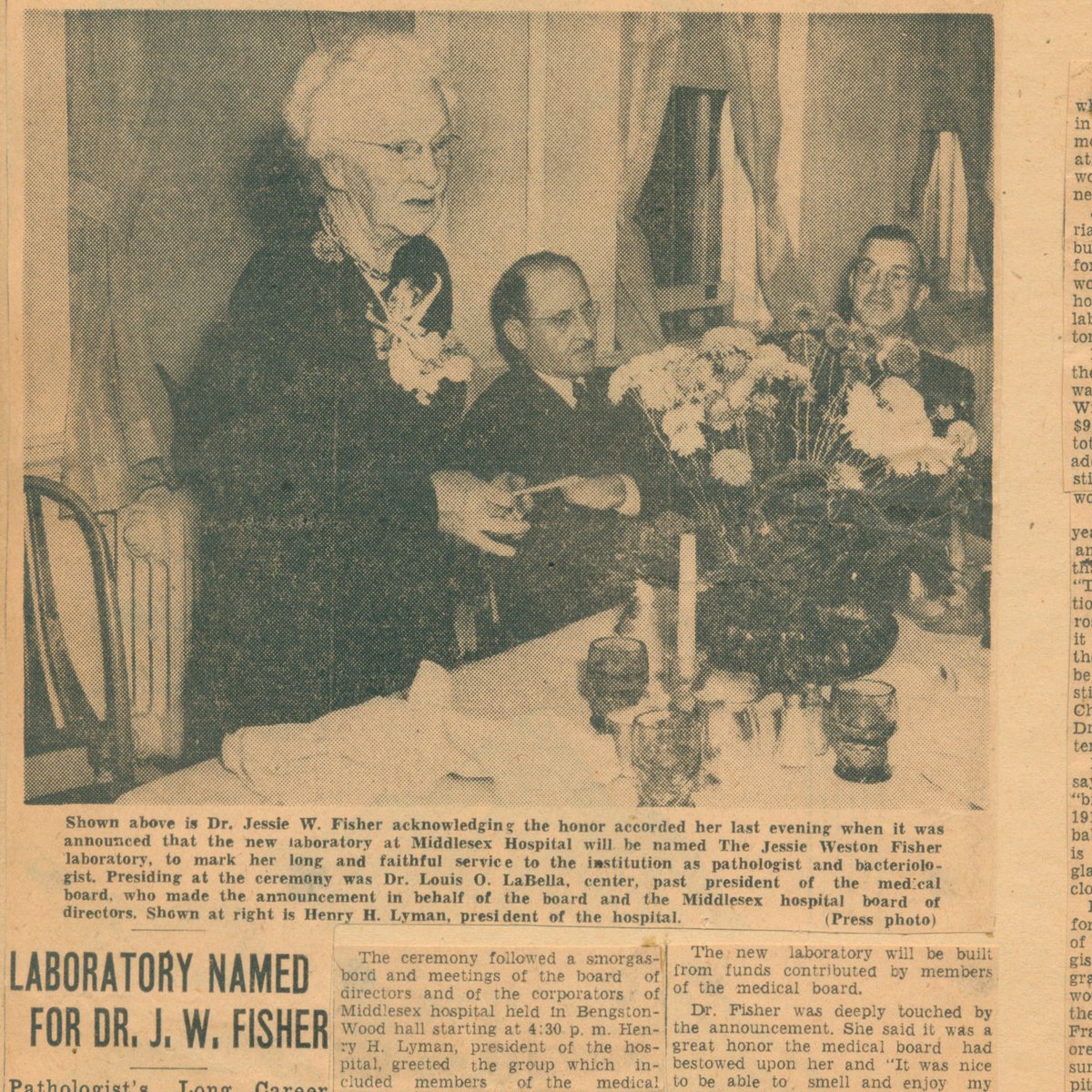
From that cutting edge, she made for herself a home to thrive in the medical field. She raised the funds for Middlesex Hospital's first laboratory, and ran it herself when it was built. "I did everything except scrub the floors," she remembered of the lab's early days.
Clinical laboratories were almost unknown when Dr. Fisher graduated medical school in 1893. Her early work put herself on the cutting edge of the burgeoning specialty.
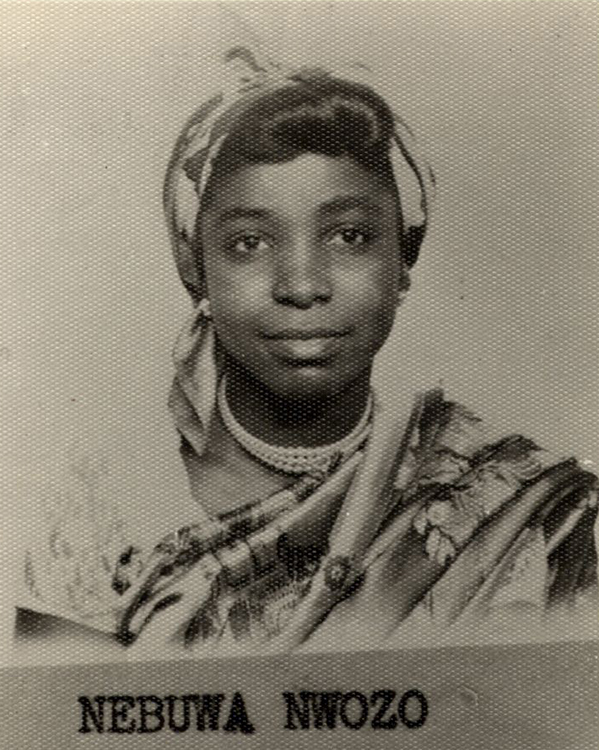
The next decade saw her apply that momentum to address public health on a broader scale. She led the establishment of the Public Health Division of the newly created Imo State in Nigeria, and served as the state's Chief Health Officer until her retirement in 1983.
Dr. Nwozo kept in touch through her post-war work in the civil service. Her team addressed local outbreaks of cholera, and she saw nearly 200 children a day at the General Hospital in Enugu. "The job is arduous," she wrote in one letter, "but I think we are getting somewhere."
She'd had harrowing experiences during the war, but she didn't linger on them in her 1970 letter to the dean of Woman's Med. Instead, she listed supplies she needed, "with hope that someone, somewhere connected with my school can come forward and help me be a doctor again."
At the end of the Nigerian Civil War, Dr. Nebuwa Nwozo needed medical supplies, updated textbooks and recent medical journals, and any news of her closest friends from the Woman's Medical College of PA. #WMCP175
The Legacy Center Archives will be closed for winter break until January 2nd. Stay warm, and we'll see you in 2025!
📷: Shoveling snow outside of the Woman's Hospital on N. College Avenue, taken around 1900.
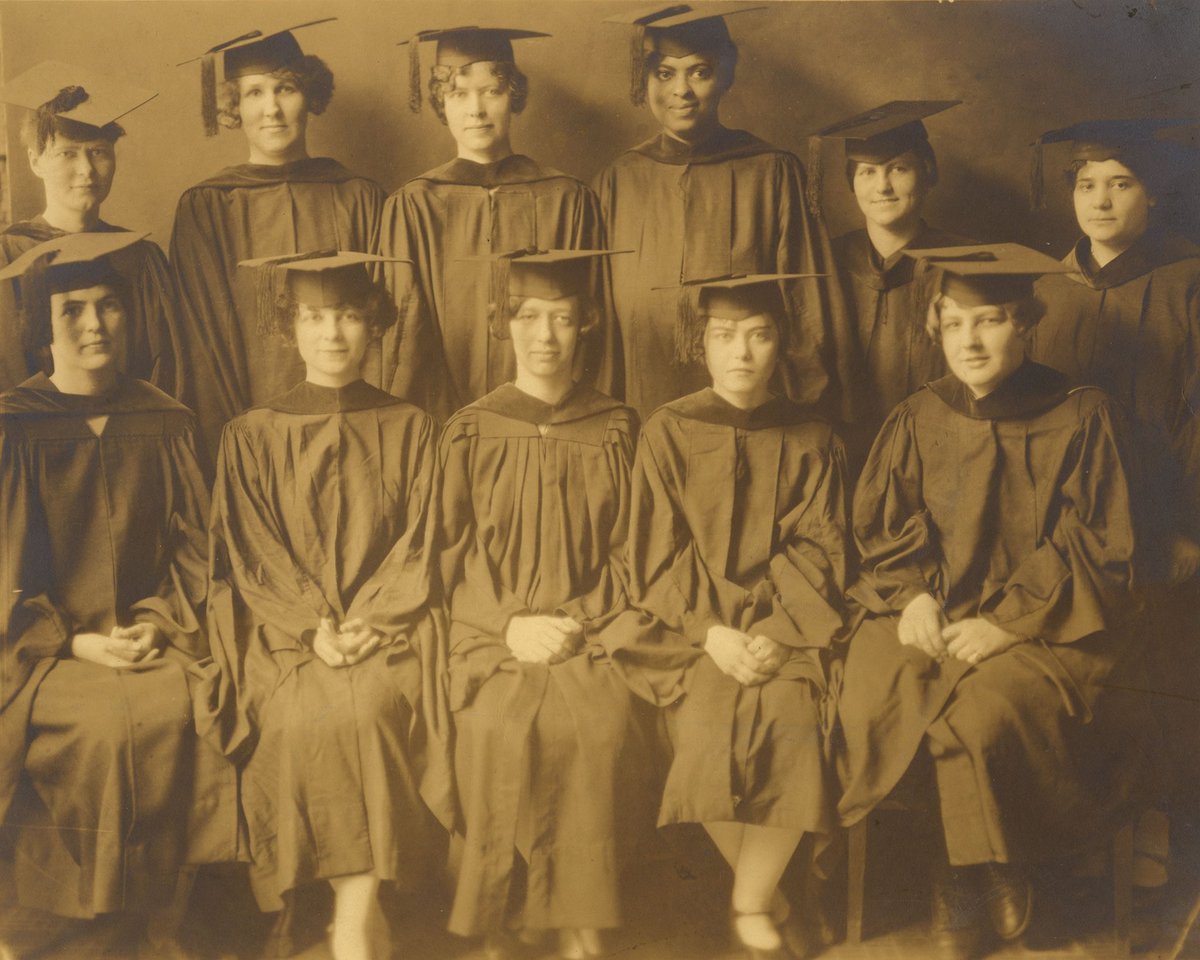
When she died, a pharmacist she worked with wrote to WMCP, Griffin’s alma mater: "It was our pleasure to have been of service to her and her work, and for that she gave the last full measure of her skill, knowledge, and professional services to all at all times, ill or well."
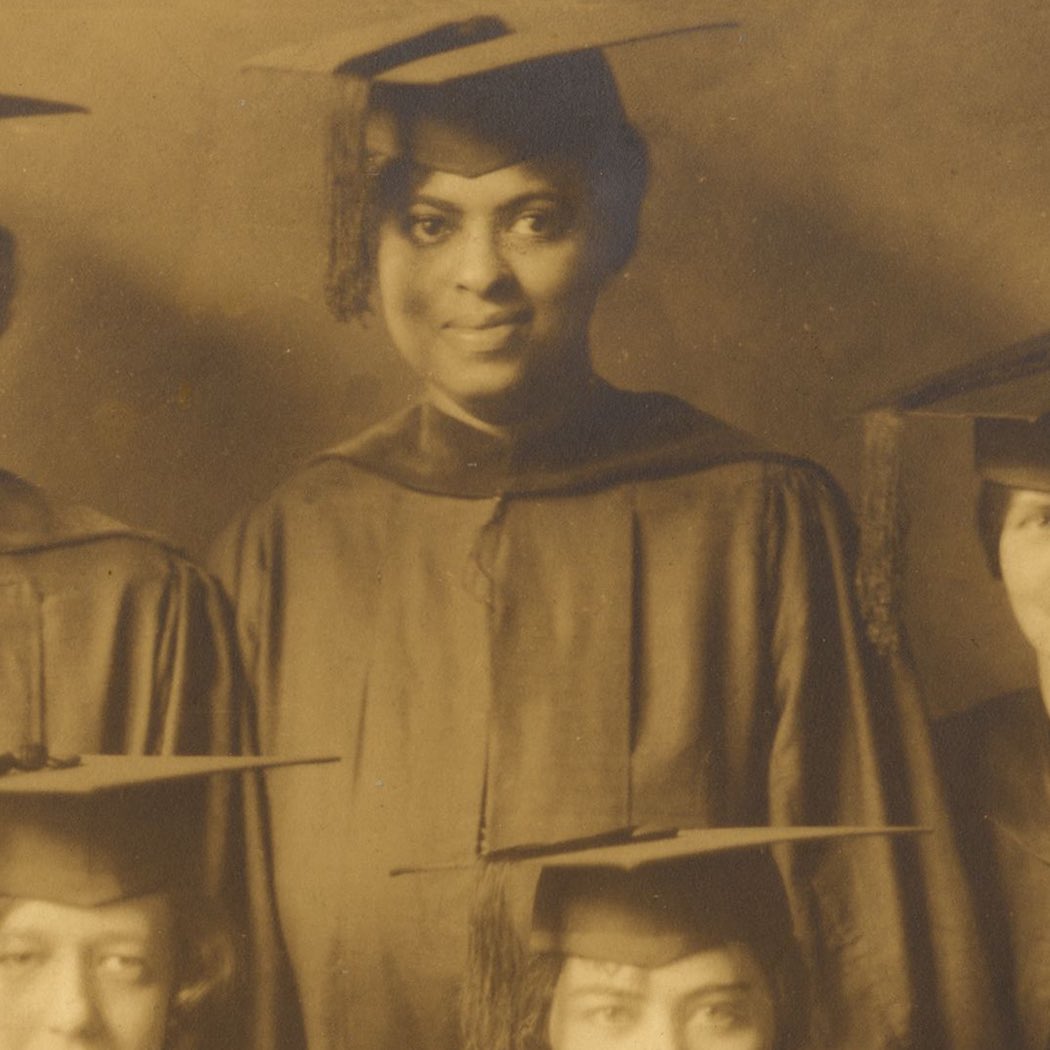
A shortage of doctors brought Dr. Leah Griffin to Albany, Georgia in the 1930s. The area's few M.D.s were aging out of active practice, and the small southern city couldn't attract enough younger doctors to replace them. Seeing a need, Dr. Griffin moved in. #WMCP175
She moved her practice out of the city in the aftermath, hoping to reduce her workload. Still, rural farmers and their families needed care, and her services were in high demand. Dr. Griffin treated them for twenty years. Her caseload stayed full.