Ctr. for the Study of Adolescent Risk & Resilience
@DukeCStARR
Center for the Study of Adolescent Risk & Resilience (C-StARR) at @DukeU: Advancing research on self-regulation, adjustment, and behavior during adolescence 🌟
Research by C-StARR faculty affiliates shows that young adults with ADHD perceive unique cognitive boosts from nicotine, driving a preference that may increase their risk for dependence.
More here: https://t.co/wQPaDRzUvN
Research by C-StARR faculty affiliates shows that maternal warmth and negativity at age 10 predict teen mental health. In a longitudinal twin study, higher negativity was linked to greater externalizing symptoms and broader psychopathology through age 18.
https://t.co/GbFz6M2Dz6
New study supported by C-StARR:
On days adolescents experienced discrimination, they reported higher depression, anxiety, inattention, and conduct problems. Black and economically disadvantaged youth reported more frequent exposure.
More here: https://t.co/lEZfrVSSME
New research by C-StARR faculty affiliates finds that greater exposure to air alarms and explosions among youth in Ukraine is associated with lower hair cortisol levels—consistent with HPA axis down-regulation during chronic stress.
Read more here: https://t.co/8zJv6wEkeE
Our new research in Ukraine; relations among war stressors, distress, and cortisol levels in youth. https://t.co/VWEgkMLh7Q
@DukeChildPol@DukeSanford@DukeSSRI
Research by C-StARR Faculty affiliates shows that higher exposure to ACEs is linked to lower civic engagement in emerging adulthood. Study findings point to the long-term social consequences of early adversity.
Read more: https://t.co/0Lqxaqh2Pj
Research by C-StARR faculty affiliates shows that parental warmth in childhood predicts more positive world beliefs in young adulthood across 8 countries, emphasizing the lasting impact of supportive caregiving.
Read more: https://t.co/Ktq16c01ie
New research in The Journal of Early Adolescence by C-StARR faculty affiliates finds that everyday discrimination is associated with poorer mental health in adolescence.
Learn more: https://t.co/Mi7PmvERFw
Research supported by C-StARR indicates that while digital location tracking is common, its impact depends on the parent-child relationship. Positive parenting practices can mitigate potential negative associations between tracking and teen adjustment.
https://t.co/zveFaseOpI
Research supported by C-StARR introduces HOME-21, a 21st-century update to a classic measure of children’s home environments.
Validated across large samples, HOME-21 is linked to parenting quality and child adjustment.
Learn more: https://t.co/9a4wPiWtWu
It’s easy to overlook until it’s personal.
The airbag that saved a loved one's life.
The helmet that saved a teammate.
The treatment that gave a friend more time.
You’ve already felt the impact of these seven breakthroughs. https://t.co/YJCNLfcwPr
@DukeMedSchool | @DukeHealth
A study supported by C-StARR finds that childhood SES predicts adult externalizing problems—but only for youth with both poor inhibitory control & high physiological reactivity in adolescence.
Self-regulation can buffer risk.
Read more: https://t.co/7TTSK3iIVh
📅 Join us on November 4 @ 3pm to hear from Bryan Samuels, Executive Director of Chapin Hall, examining the role of research evidence in shaping effective and equitable public policy. Learn more and register: https://t.co/OfH9emlxvK
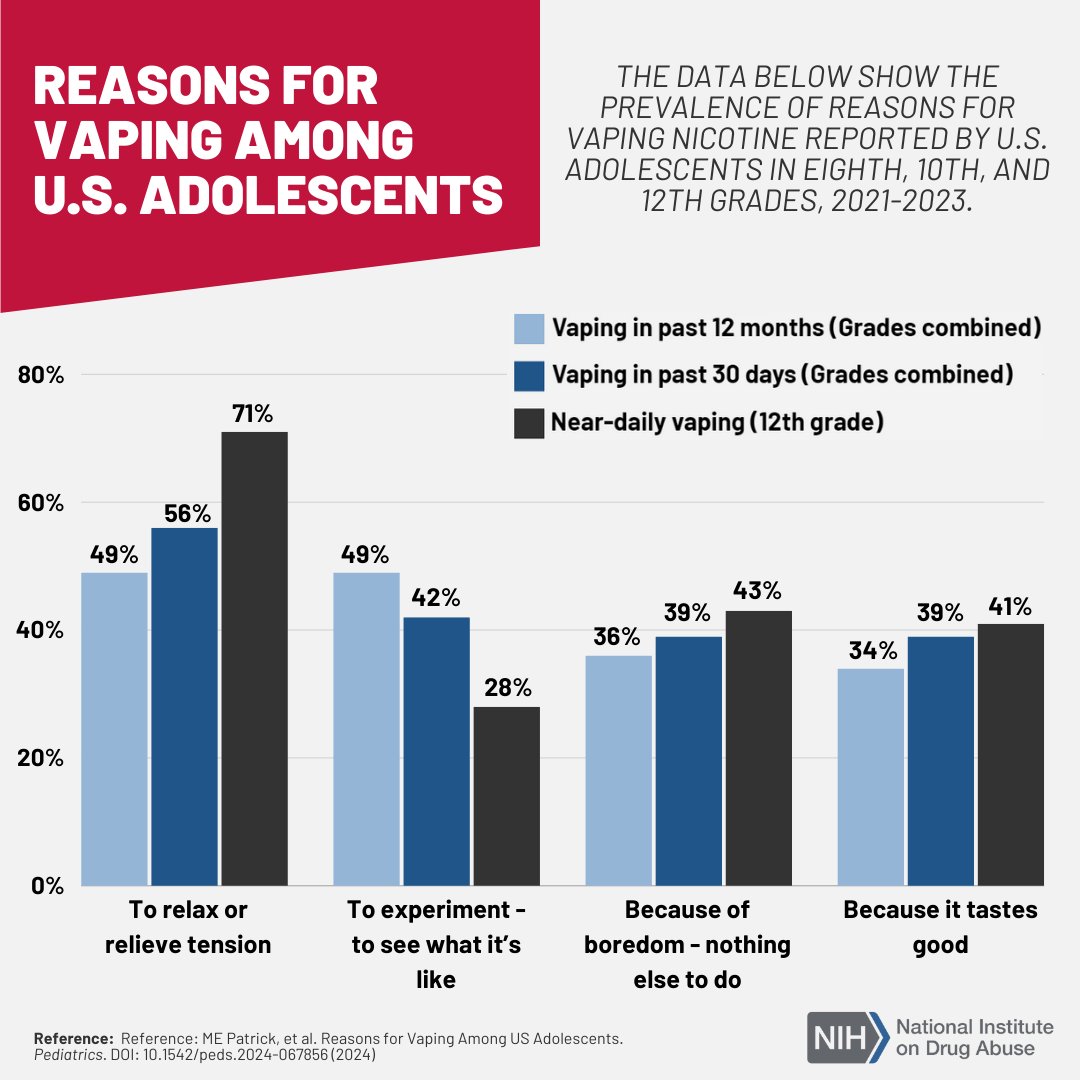
#NIDA-supported research using #MonitoringTheFuture data in 𝘗𝘦𝘥𝘪𝘢𝘵𝘳𝘪𝘤𝘴 reports reasons for vaping among U.S. adolescents. More information in the publication: https://t.co/lH6JfqdNK9
@UMich @aap_peds #MTF
Recent work by C-StARR Faculty affiliates, Dr. Gaither and D. Gassman-Pines, found that schools that talk about valuing diversity but fail to address inequities may worsen mental health gaps for students of color.
Read more here: https://t.co/dfmdvE0FiX
How does parenting shape teen behavior across cultures?
A seven-country study supported, in part, by C-StARR, finds that positive parenting protects against conduct problems — though what counts as “good parenting” varies by culture.
Read more here: https://t.co/gorCrAFihO
New work from the Parenting Across Cultures study by C-StARR affiliates Dr. Lansford, Dr. Dodge, & Dr. Skinner shows:
Adolescent depression at 15 predicts lower self-esteem & optimism by 17. Early intervention matters.
Read more here: https://t.co/1edy4xa0DX
Interesting video from #NIDA! Drugs change the brain — but recovery is possible. This video breaks down why quitting can be so tough, and how support and treatment make a difference.
Watch here: https://t.co/JxBuJNgNmC
Why do some teens struggle with substance misuse as adults?
A study supported by C-StARR found that early externalizing behaviors & prior use predict later alcohol/cannabis problems.
Learn more: https://t.co/vnFgX85Y2f
New research in PSPB puts classic decision-making theories to the test. Researchers replicated three influential studies on escalation of commitment and regret aversion with mixed results. Important work for understanding how we make choices.
Learn more: https://t.co/x7v9uUvv7H