71% of non-tertiary hospital responders reported difficulty maintaining paediatric skills, and 50% had concerns about their confidence (APAGBI 2024). Read this review article by Macrow et al. to help close that gap. 📊 #BJAEd
https://t.co/ZgP0sT7I2q
New #BJA review outlines the occupational stressors that anaesthetists face. Paterson et al highlight #challenges, #opportunities and #resources for managing the psychosocial risks of anaesthetists.
https://t.co/lTRTpxM30t
Your patient is still in VF after 3 shocks. Now what?
50% of shockable OHCA patients fail standard defibrillation. We talked to Prof. Sheldon Cheskes, lead investigator of the DOSE-VF trial, about what actually works. 🧵
📋 Montgomery reshaped informed consent: materiality is judged from the patient’s perspective, not by what doctors usually disclose. Clinicians must share material risks and reasonable alternatives, including doing nothing.
Read more: https://t.co/ohqYGBOtwg
Safety-I asks why things go wrong. Safety-II asks why things usually go right. Debriefing on everyday successes, not just errors and near misses, captures insights that retrospective analysis alone can miss.
Read more: https://t.co/wvF4Wjazor
@SiboLekala@daddyhope Marabastaad is the epicentre of Down Second Avenue. 🙏
Marabastaad is gone but there will always be Marabastaads going…… #EzekielMphahlele
What is the best strategy for determining when to remove a chest tube after spontaneous pneumothorax? "For now, the decision to perform a clamping trial remains provider-dependent," writes Gerald L. Weinhouse, MD. Full summary and comment: https://t.co/Ako0NvMIJQ
A national survey of factors leading to health care worker turnover in Canadian intensive care units - Canadian Journal of Anesthesia #CJA#CJA2026#Anesthesia#Anesthesiology https://t.co/JK2IeJBltT
@casupdate
Don't miss this great new #BJAEd article from Kovac & Choksi on the prophylaxis and treatment of Postoperative Nausea and Vomiting: https://t.co/7VwFazUJj7
“PaO₂/FiO₂ and SpO₂/FiO₂ ratios revisited: Useful, misleading, or both?” in the Journal of Intensive Medicine. A review exploring the strengths, pitfalls, and future of oxygenation metrics in ARDS and respiratory failure.
https://t.co/etYyBGzhys
Operating theatre performance can be quantified using #efficiency, #effectiveness, and #productivity – do you know the difference?
https://t.co/Ocrp4TreY4
One in 10 NHS Surgical Procedures are cancelled, with 37% potentially avoidable. New study by Bedford et al
https://t.co/9VDgfJ1dHD
https://t.co/QWMD5XiZM3
Zhang et al. evaluated the association between single-injection peripheral nerve block, administered as an adjunct to general or neuraxial anesthesia, and postoperative myocardial injury in high-risk cardiac older adults undergoing hip fracture surgery.
https://t.co/GgwS3zqcrn
After years of working in thoracic anaesthesia, there comes a moment when you realise the gap between what you were taught and what you actually need to know.
For me, that gap was in One Lung Ventilation.
It's one of the most technically demanding parts of our practice, yet for a long time, dedicated teaching just wasn't there. So I made it my mission to change that.
l've spent years teaching and building resources for anaesthetists, ODPs and cardiothoracic teams at all stages of their careers to pave the way for confident, well-prepared clinicians. Because when the teaching is right, better outcomes follow.
That's why I built the FREE ONE-LUNG UK tutorial series.
You can already watch the teaser videos now on https://t.co/k07z3QmzGj https://t.co/YiUmc16g8f
The full chapters drop this Thursday.
And if you want hands-on experience, join us for the live ONE-LUNG UK course on 29th May at Guy's Hospital.
More info
& https://t.co/6yCzcTFWnw
#OneLungVentilation @GSTTanaesthesia
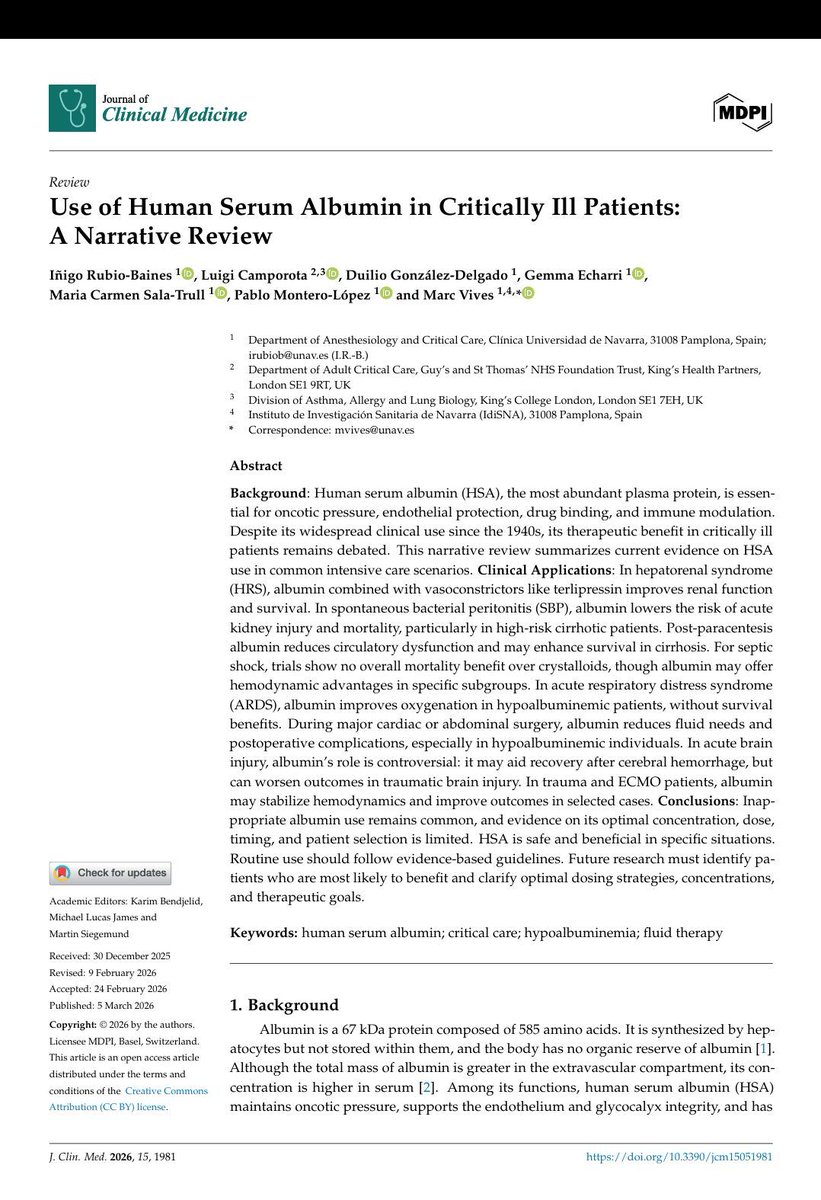
💧 Albumin in the ICU: life-saving drug… or expensive myth?
We’ve been using it since the 1940s.
Yet in 2026 we still don’t fully agree when it actually helps.
🧠 First principle
Albumin is NOT just a volume expander.
It does much more:
▪️ Maintains oncotic pressure
▪️ Protects endothelium & glycocalyx
▪️ Modulates inflammation
▪️ Alters drug pharmacokinetics
➡️ It’s a biologically active molecule, not “fancy saline”
⚠️ The uncomfortable truth
👉 50-70% of albumin use is inappropriate
👉 In some studies: >90% misuse
Yes… even in modern ICUs
🔥 Where albumin actually WORKS
✔️ Hepatorenal syndrome (HRS)
→ Albumin + terlipressin = better renal outcomes
✔️ Spontaneous bacterial peritonitis (SBP)
→ ↓ AKI + ↓ mortality
✔️ Large-volume paracentesis
→ Prevents circulatory collapse
⚖️ Where evidence is… mixed
🟡 Septic shock
→ No mortality benefit vs crystalloids
→ BUT better hemodynamics in some patients
🟡 ARDS
→ Improves oxygenation (if hypoalbuminemic)
→ No survival benefit
🟡 Major surgery
→ ↓ fluids, ↓ complications
→ BUT watch renal risk (especially 20%)
🚫 Where you should think twice
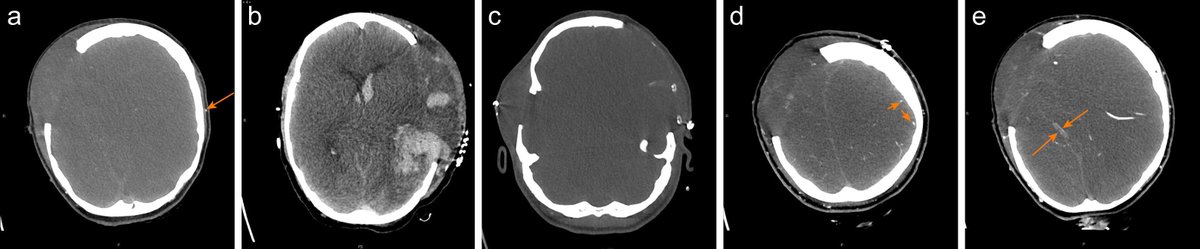
❌ Traumatic brain injury
→ ↑ ICP
→ ↑ mortality
➡️ Albumin crosses disrupted BBB → worsens edema
💡 Key ICU insight
Albumin is NOT about:
❌ “giving protein”
❌ “correcting labs”
It’s about:
✔️ hemodynamics
✔️ endothelial integrity
✔️ patient selection
📉 Hypoalbuminemia matters
Every ↓10 g/L:
▪️ ↑ mortality
▪️ ↑ complications
▪️ ↑ length of stay
➡️ But correction ≠ automatic benefit
🎯 Clinical decision rule
Use albumin when:
✔️ Cirrhosis-related complications
✔️ Refractory shock after crystalloids
✔️ Severe hypoalbuminemia with instability
Avoid when:
❌ Routine resuscitation
❌ TBI
❌ “just low albumin”
🧠 Take-home
➡️ The question is NOT
“Does albumin work?”
➡️ The real question is
“In which patient, at which moment?”
📚 Rubio-Baines I et al. (2026)
Journal of Clinical Medicine
DOI: 10.3390/jcm15051981