I have this great idea for a drug called Regretamine. One dose and all your regrets are gone!
Including, obviously, having taken Regretamine in the first place.
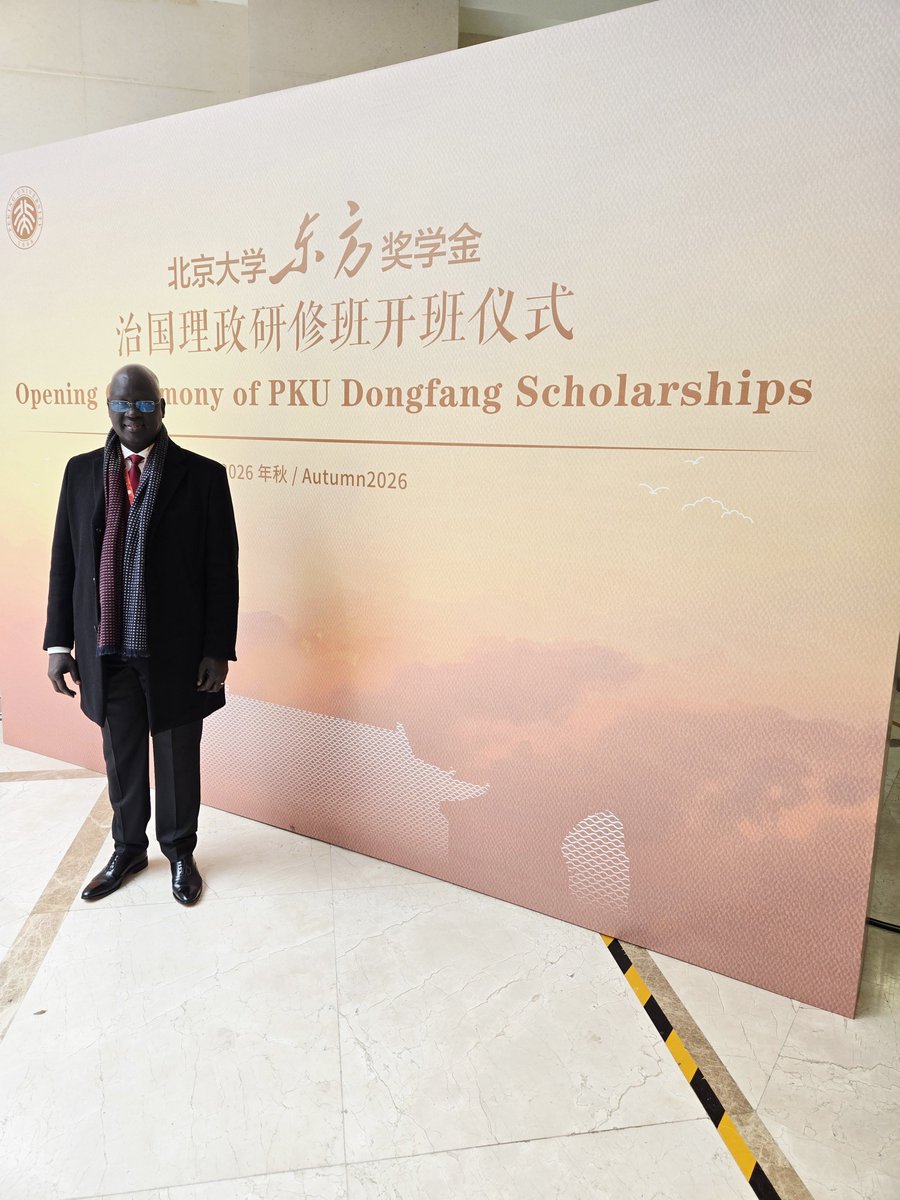
Peking University the oldest university in China ,established in 1898 . A Very familiar period in the Sudanese history . Beginning of the Condominium Rule known as Anglo- Egyptian Sudan . الحكم الثنائي
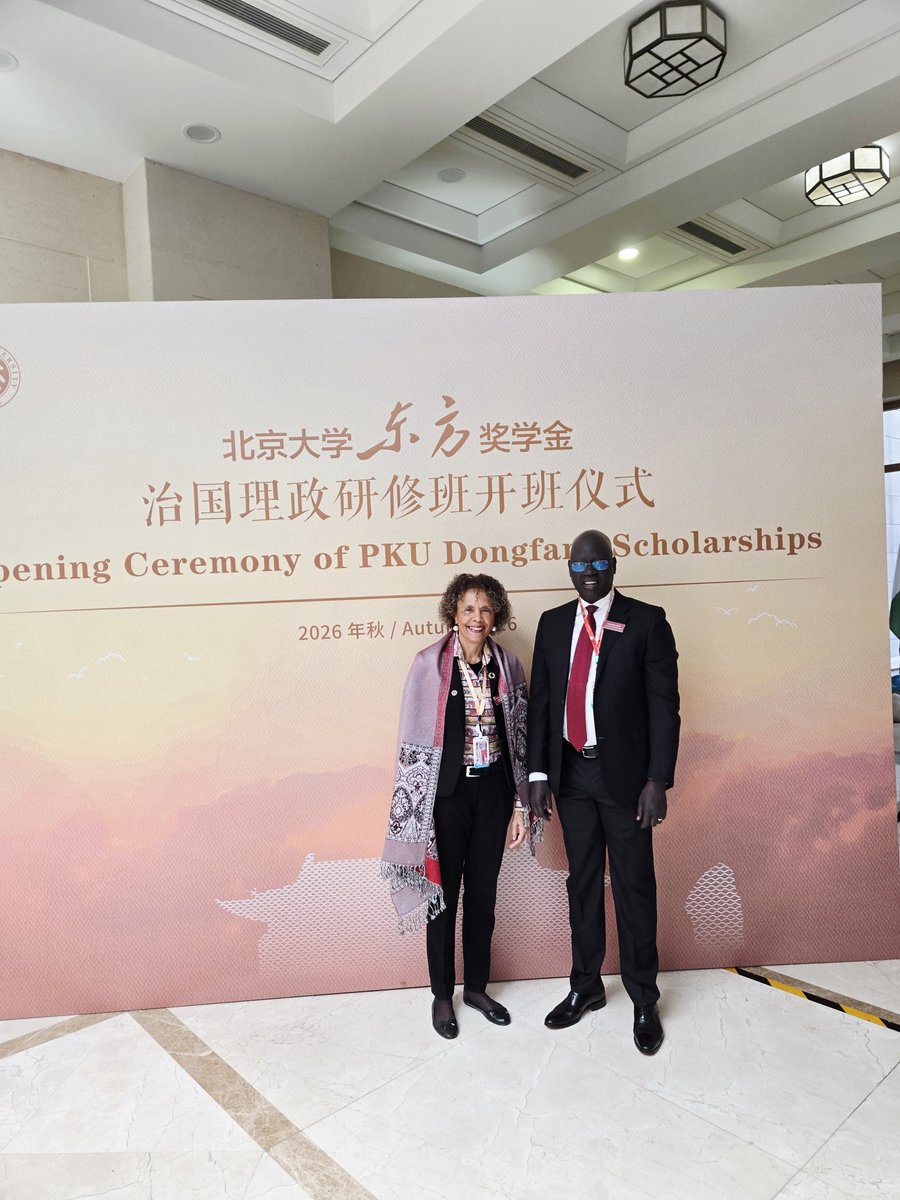
With Cristina Duarte, a Cape Verdean politician , former Minister of Finance, and Special Adviser on Africa to United Nations Secretary- General, Antonio Guterres, at the opening ceremony Dongfang Scholarships at Peking University today 20th Oct .
I’m happy to be named among the 2026 @MB_Community 100!
This recognition celebrates our work at @OmiaLtd of supporting farming communities to increase incomes through access to critical agricultural inputs, extension services and Linkages to Markets.
Grateful 🙏🏽🙏🏽
Hey friend how are you doing, if you can support me by going to see my movie 🎥 fvck you we’re not friends anymore. Street fighter is in theaters now • https://t.co/GKL4rO5zmq
On May 16, 1983, a single act of defiance in Bor changed East Africa forever. The seeds were planted in the soil and water of the Jonglei Canal. In the 1970s, Khartoum began building a massive canal to drain the Sudd wetlands and send water north. Local communities faced the destruction of their pastures, cattle, and livelihoods.
Resistance boiled over and riots hit Bor as early as 1974. Interestingly, a young military officer named Dr. John Garang wrote his PhD thesis on how destructive the canal would be. The ecological threat and military tension were on a direct collision course.
By 1983, Khartoum ordered Battalion 105, mostly Southern veterans, to pack up and move to northern Sudan. The soldiers knew this was a trap to disarm the South and tear up their autonomy.
Led by Kerubino Kuanyin Bol and William Nyuon Bany, the battalion refused to move. On May 16, 1983, northern-led government troops attacked the mutineers at Pan-pandiar and Malual-chaat camps near Bor. The firefight was fierce.
Khartoum sent Colonel Dr. John Garang to Bor to crush the mutiny. Instead, Garang, who was secretly part of an underground revolutionary network, joined the mutineers and took command.
Garang coordinated a strategic retreat into Ethiopia. What began as an isolated military mutiny quickly organized into the Sudan People’s Liberation Army (SPLA), igniting a 22-year war for freedom.