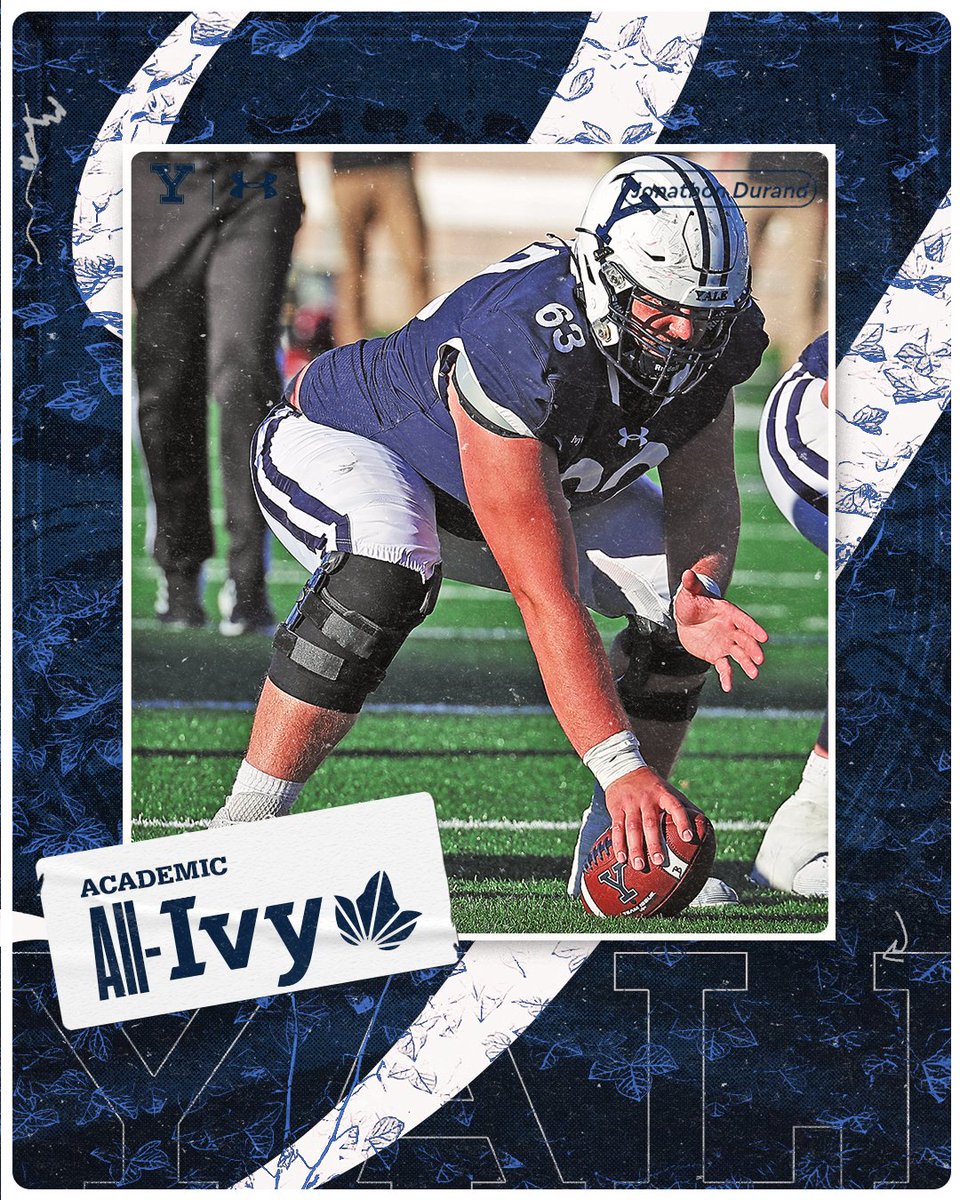
I am so honored and so blessed to announce that I have committed to Yale! So excited to continue my academic career and my football career at #LifeChangingU @Yale_Football @AlNetter@CerinsMatt
New retail investors… PLEASE READ before buying this dip
If you’re entering the investment space with limited capital, focusing on finding the next 1000x stock by burning cash on penny stocks and speculative trades will destroy you! This is the strategy:
The Read: For new retail investors navigating a market dip, the priority is capital protection and acquiring high-quality assets at a discount, rather than trying to perfectly time the absolute bottom.
Here is the breakdown of the best order types to use and where to direct your capital during a pullback:
1. The Best Buy Orders for a Dip
•Limit Orders (The Standard): This is the most essential tool for a new investor. Instead of buying at whatever the current market price is (a market order), a limit order allows you to set the exact maximum price you are willing to pay. If the stock drops to your level, it executes. If it doesn't, you keep your cash. It prevents you from overpaying during volatile intraday swings.
•Trailing Stop Buys (The Reversal Catcher): As discussed previously, this is a slightly more advanced but highly effective tool for dips. Instead of trying to guess where the bottom is, you set a percentage (e.g., 3% to 5%). The order tracks the stock as it falls and only executes *after* the stock hits a low and bounces back up by your set percentage. It protects you from catching a "falling knife."
•Dollar-Cost Averaging / Fractional Market Orders (The Behavioral Hedge): If setting technical orders is too complex, the mathematically sound alternative is to simply buy a fixed dollar amount (e.g., $100) at regular intervals, regardless of the price. This naturally buys more shares when the price is low and fewer when it is high, entirely removing emotion from the process.
2. Where to Focus Your Capital During a market selloff, liquidity and safety become paramount. Speculative assets get crushed, while high-quality assets simply go on sale.
•Broad Market Indices (The Foundation): The safest place for a new retail investor to deploy capital during a dip is into an S&P 500 ETF (like $SPY or $VOO ). You are buying the 500 largest U.S. companies at a discount. Historically, broad market indices have a 100% recovery rate from dips.
•Mega-Cap Tech & AI Infrastructure: If you are buying individual stocks, focus on companies with fortress balance sheets, massive free cash flow, and structural moats. The current market cycle is heavily driven by AI infrastructure and cloud computing. Names like Nvidia ($NVDA ) and Microsoft ($MSFT ) are the picks-and-shovels of this generation. When the macro environment stabilizes, these are the high-beta names that typically lead the recovery.
Bottom Line: Avoid speculative penny stocks, low-cap crypto, and highly leveraged companies during a dip. Focus your capital on the S&P 500 and profitable mega-cap tech, and use Limit Orders or Trailing Stop Buys to ensure you are dictating the price you pay.
Source: https://t.co/5q3ifZNLyh
I can’t get behind the hype of AIs trading for people and turning crazy profit.
I built this AI agent that’s sole purpose is to educate and inform the user on markets using real, live data.
Please try it out and drop feedback!
https://t.co/AaldrwUbf3