We're gonna do a Midjourney Medical AMA (ask me anything ) right here all afternoon. Post your questions below and we'll try to answer as many as we can! ❤️
Reposting this because I think it eloquently stated the same points I made today re: this new product vs MRI, and also because it includes the thoughts of Function’s @DanielSodickson, formerly of @NYUImaging and truly the expert’s expert on MRI.
I'm a cardiologist. Something just happened today that I genuinely did not see coming — and it could change the future of preventive medicine more than anything I've written about on this platform.
Midjourney — the AI company that became famous for generating images from text prompts — just announced a medical hardware division and unveiled a working prototype of a full-body scanner unlike anything that's ever existed.
It's called the Midjourney Scanner. And it works like this.
You step into a shallow pool of water. You stand on a platform that slowly descends — about two inches per second — through a ring containing roughly half a million tiny ultrasonic transducers, each the size of a grain of sand. Every one of them acts as both a speaker and a microphone, sending ultrasonic waves through your body from every angle and recording what comes back.
60 seconds later, you step out. The scan is done.
No radiation. No magnets. No claustrophobia. No IV contrast. Just sound, water, and an almost incomprehensible amount of computing power — roughly 2 petaflops processing 17 gigabytes per second of raw acoustic data — reconstructing a 3D map of your entire internal anatomy down to half a millimeter resolution.
Organs. Tissues. Blood vessels. Bones. Muscle. Fat distribution. All segmented by AI in real time.
As a cardiologist who has spent months writing about how the standard screening playbook misses the majority of future heart attacks — this is the technology I've been waiting for without knowing it existed.
Here's why this matters for the future of your heart.
Right now, getting a detailed look inside your cardiovascular system requires either a CT scan (radiation), an MRI (magnets, claustrophobia, 45-60 minutes, $1,000+), or a coronary CT angiogram (radiation, IV contrast, limited availability). These are powerful tools. I order them regularly and they save lives.
But they're reactive. You get them when something is already suspected. They're expensive. They're uncomfortable. And for most people, they happen once — maybe twice — in a lifetime.
Imagine instead: a 60-second scan with no radiation that you could repeat monthly or quarterly. Tracking cardiac structure over time. Watching body composition shift. Detecting changes in organ size, fluid distribution, or vascular architecture before symptoms ever develop. Building a longitudinal dataset of YOUR body that AI can analyze for patterns no single snapshot would reveal.
That's what Midjourney is building toward.
The company plans 50,000 scanners worldwide over six years, with capacity for a billion scans per month. The first location — the "Midjourney Spa" in San Francisco — opens at the end of 2027 with 10 scanners alongside saunas, cold plunges, and a gym. The scan costs a few dollars. The experience is designed to feel like wellness, not medicine.
The technology is built on Butterfly Network's ultrasound-on-chip platform — 40 modules per scanner — combined with Midjourney's own AI segmentation and reconstruction stack. David Holz, the founder, claims the system aims for image quality comparable to MRI in many aspects but at nearly 100x the speed with zero radiation.
Now the caveats — because I'm a physician and the caveats matter enormously.
This is a Gen 1 prototype. About a dozen people have been scanned so far. Current scan time is actually closer to 20 minutes, not 60 seconds — the system is bottlenecked by bandwidth and reconstruction algorithms. The 60-second target is aspirational for future hardware generations.
It is not FDA-cleared for diagnostic use. Midjourney is starting with body composition maps — a category below diagnostic imaging in the regulatory hierarchy. The path from "beautiful 3D body scans" to "clinically validated diagnostic tool that your cardiologist can act on" runs through years of clinical trials, comparative studies against MRI and CT gold standards, and FDA review.
No independent clinical validation has been published. The imaging claims come from Midjourney's own demonstrations. Comparative data against established modalities does not yet exist.
And the privacy implications of full-body internal scans at planetary scale — a billion scans per month — is a conversation that hasn't even started yet.
So I want to be precise. This is not ready for clinical medicine today. It may not be ready for years. Many ambitious medical hardware projects have failed in the gap between prototype and product.
But.
The fact that a working prototype exists — producing real segmented 3D anatomy from sound waves and compute alone — means the physics works. The engineering works. The question is no longer "is this possible" but "how fast can it be validated and scaled."
And if it is validated — if the resolution holds up against MRI, if the AI segmentation proves reliable, if the regulatory path clears — then what we're looking at is the most significant new imaging modality in 50 years.
For my entire career, preventive cardiology has been limited by the fact that seeing inside the body is expensive, slow, uncomfortable, and infrequent. We catch disease late because we image rarely. We image rarely because imaging is hard.
A 60-second, no-radiation, spa-based full-body scan that costs a few dollars would demolish every one of those barriers.
I've written about AI detecting inflamed arteries. About gene editing curing cholesterol. About GLP-1 drugs rewriting metabolic medicine. About cellular reprogramming reversing aging.
This is the missing piece: the ability to see inside every human body, routinely, safely, and affordably — so all of those interventions can be deployed before the disease arrives instead of after.
The company that taught AI to generate images from imagination just built a machine that generates images from the human body.
The future of medicine showed up today from the last place anyone expected.
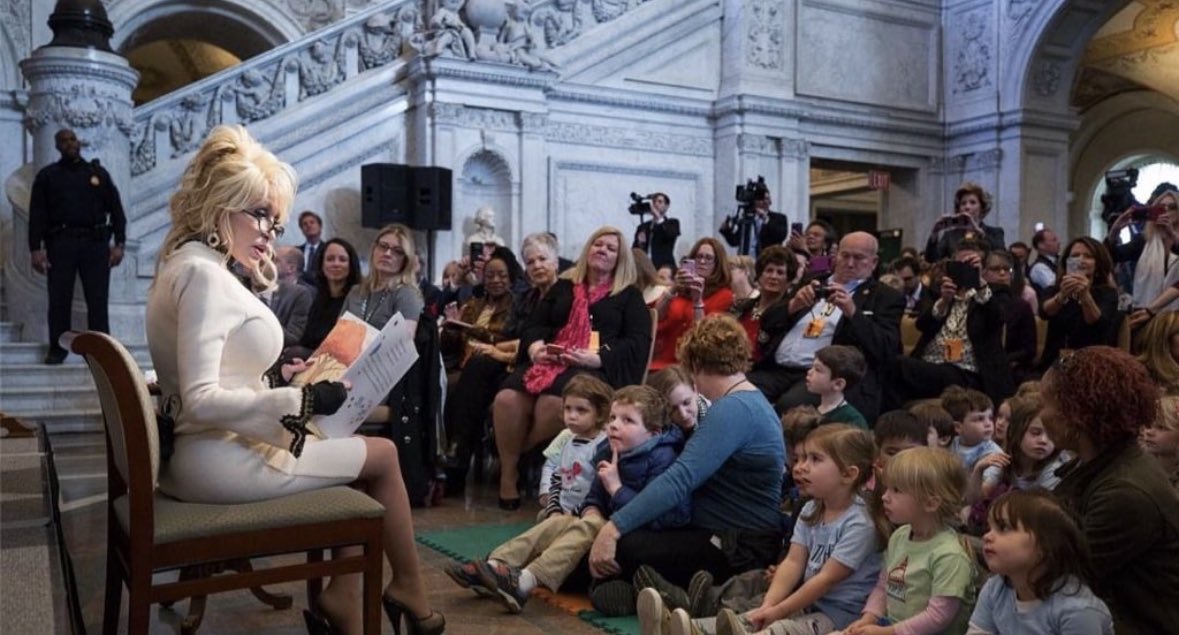
Dolly Parton didn’t spend her dollars on space travel or a trip to the titanic because she was writing checks to put 150 million books in the hands of children.
With so many books being banned across the country, @DPLA has launched The Banned Book Club to give readers access to e-books that have been banned. Learn more at https://t.co/ET5jreRQI4.
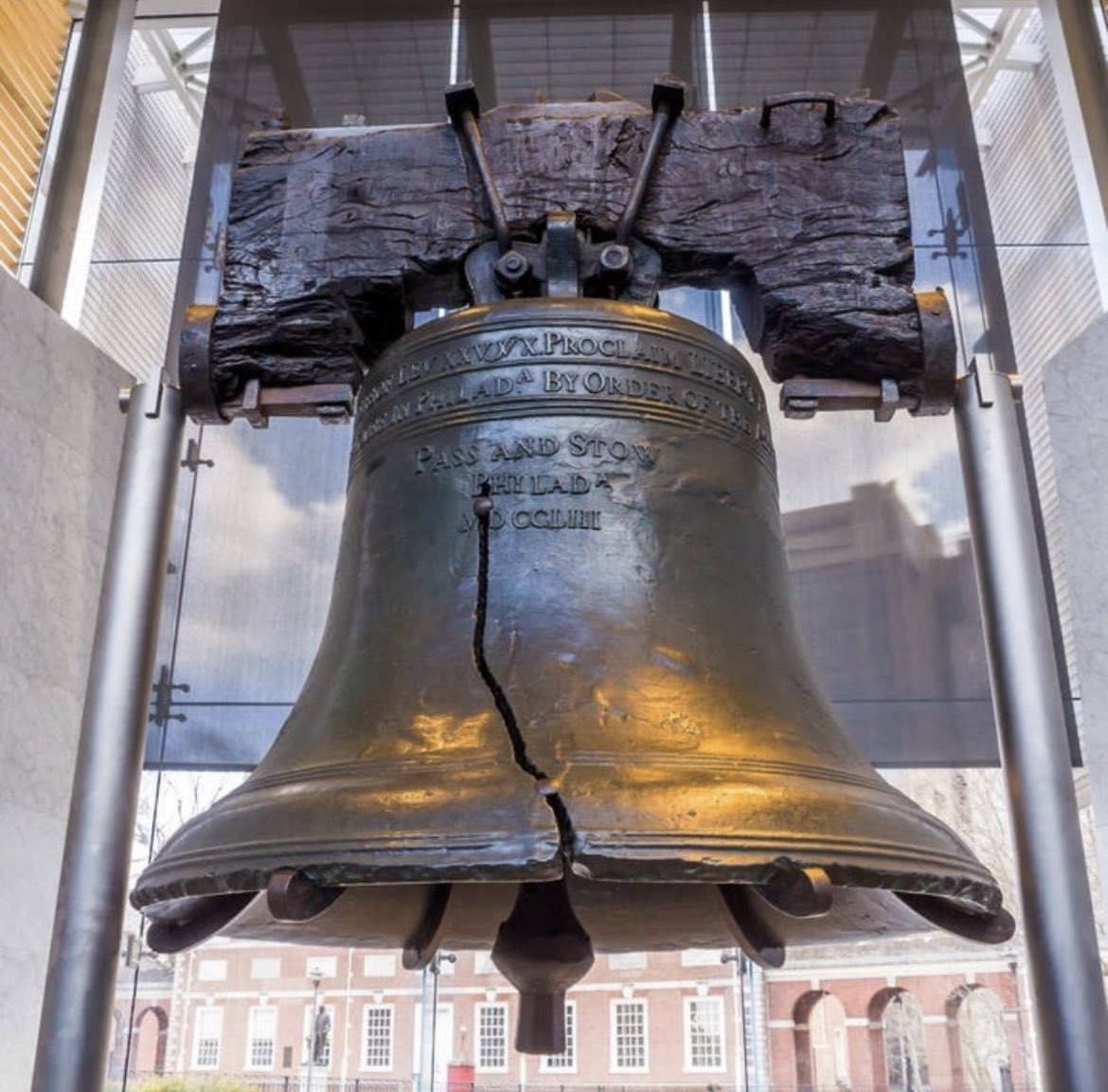
A popular misconception about the Liberty Bell is that it cracked while ringing to celebrate the adoption of the Declaration of Independence, but the reality is quite different. The truth is that during the Revolutionary War, the Liberty Bell was hidden beneath the floorboards of a church in Allentown, Pennsylvania, to protect it from falling into the hands of the British. It remained concealed throughout the war, safeguarded from potential destruction.
The Liberty Bell holds a significant place in American history, and over its lifetime, it played a role in various important events. For example, it rang to signal the first meeting of the Continental Congress, which took place in Philadelphia in 1774. This gathering marked the beginning of the united effort of the American colonies to address their grievances with British rule.
Another notable occasion where the Liberty Bell rang was in 1824 when Revolutionary War hero Marquis de Lafayette visited the United States. The bell's joyful peals commemorated the arrival of Lafayette, a key figure in the fight for American independence.
Furthermore, the Liberty Bell's solemn tolls were heard during the funeral procession of Chief Justice John Marshall in 1835. Marshall was a highly influential figure in American jurisprudence and served as Chief Justice of the United States Supreme Court for over three decades. The Liberty Bell's somber sound honored his contributions and mourned his passing.
When discussing the Liberty Bell, the matter of its cracks cannot be ignored. Contrary to popular belief, the Liberty Bell experienced multiple cracks throughout its existence. The first notable crack appeared in 1752, just twenty years after its creation. It was repaired by local craftsmen, but the restoration resulted in a noticeable crack that altered the sound of the bell.
However, the most well-known crack occurred on July 8, 1835, when the Liberty Bell was being rung to mark the death of Chief Justice John Marshall. As the bell's clapper struck the metal, a large fracture emerged, rendering the bell unusable for further ringing. Efforts were made to repair the crack, but they were unsuccessful, and the Liberty Bell acquired its distinctively recognizable appearance with the prominent crack that we associate with it today.
In summary, while the Liberty Bell was not rung during the adoption of the Declaration of Independence, it played a vital role in various historical events. The bell's cracks, including the famous one from 1835, add to its unique character and symbolize the endurance and resilience of the American spirit.
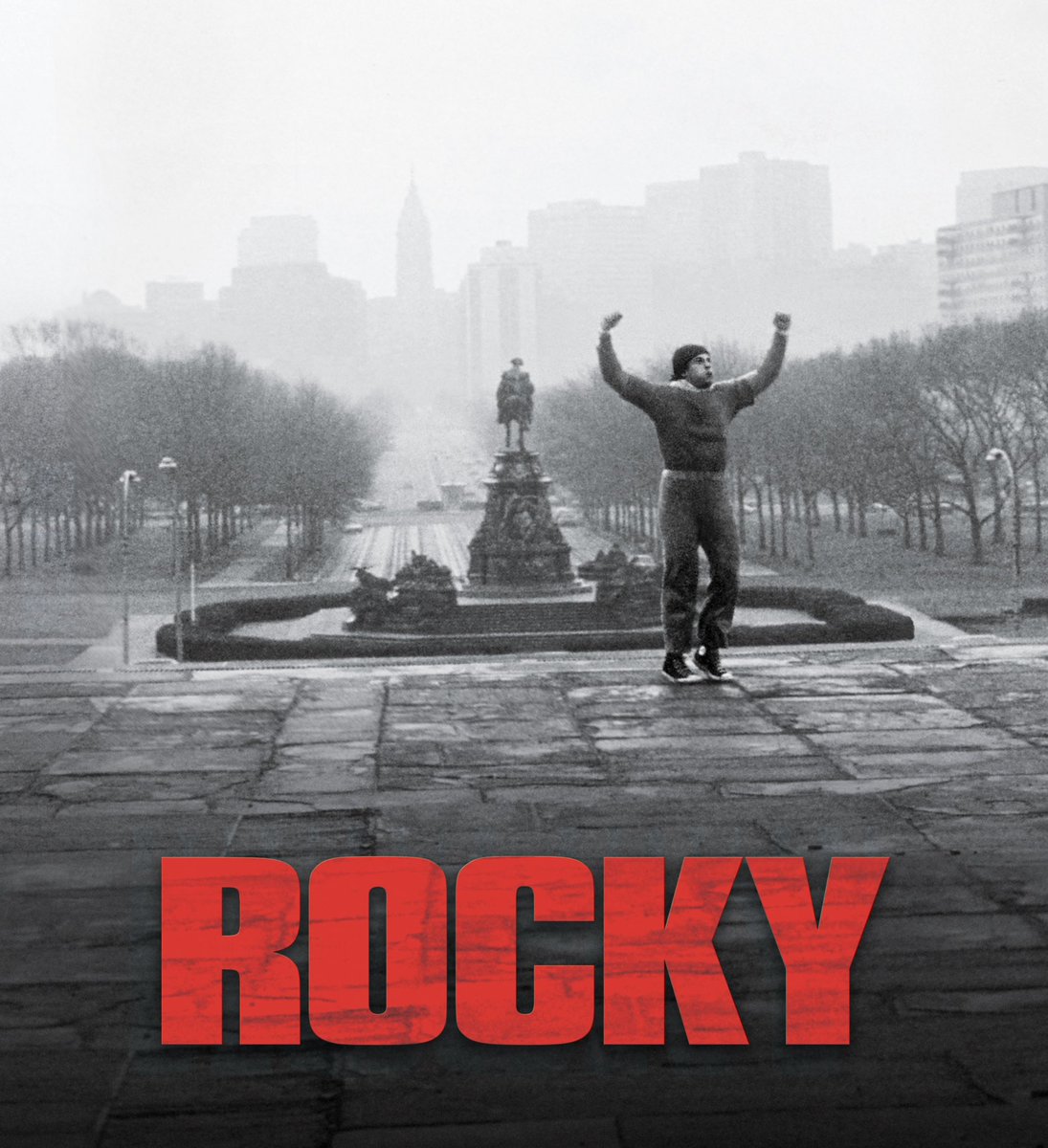
In 1975, Sylvester Stallone wrote the screenplay for "Rocky."
He shopped the script to every producer and studio in Hollywood, but he was repeatedly rejected.
Eventually, one production company, Chartoff-Winkler Productions, expressed interest.
But there was one condition...
They didn't want Stallone to play Rocky.
They wanted a "more marketable actor" for the leading role.
In fact, they were so desperate for Stallone to *not* play Rocky that they kept offering him increasingly large sums of money to go away.
"It went up to $360,000," Stallone said, "to go away, to 'get off my lawn boy.'"
Stallone didn't take the money for 2 reasons:
1) “I had learned to manage on very little money,” Stallone said. “I had it down to a science. I really didn't need much to live on.”
“But more than that...”
2) “There was something about the idea of unrealized dreams,” Stallone said. “I knew that if I sold the script—even for $500,000—I knew that after the money was gone, I would have become very bitter if I never realized my dream.”
Takeaway 1:
“The trick is,” Tom Rothman (CEO of Sony Pictures Motion Picture Group) says, “to be fiscally responsible so you can be creatively reckless.”
Hollywood is a ruthless business. If Rocky failed, that likely would have been the end of Stallone’s acting career.
But because he had his fiscal responsibilities down to a science, Stallone could make the reckless decision to turn down the money and gamble his career on Rocky.
Takeaway 2:
Stallone turned down the money because he feared the bitter person he would have become if he never went for his dream.
The screenwriter Brian Koppelman (Rounders, Ocean's Thirteen, Billions, etc.) talks about why, after many years of putting it off, he finally started writing:
“What I finally realized was that if I allowed these creative impulses to die, it would be like a real death, and like any form of death, it would be toxic and this toxicity would ooze out of me onto everyone and everything.”
- - -
"If you don’t take money, they can’t tell you what to do, kid…Money’s the cheapest thing. Liberty, freedom is the most expensive.” — Bill Cunningham
Follow @bpoppenheimer for more content like this!
It’s been a year since the Supreme Court overturned Roe v. Wade. Since then, 14 states have banned most abortions, leaving millions of women and girls with nowhere to turn for the care they need.
And yet, there are reasons to hope.
After Roe v. Wade was overturned, voters in Michigan, California, and Vermont helped enshrine abortion rights in their state constitutions. And governors in states like Nevada, Hawaii, and Pennsylvania have signed executive orders to protect abortion access.
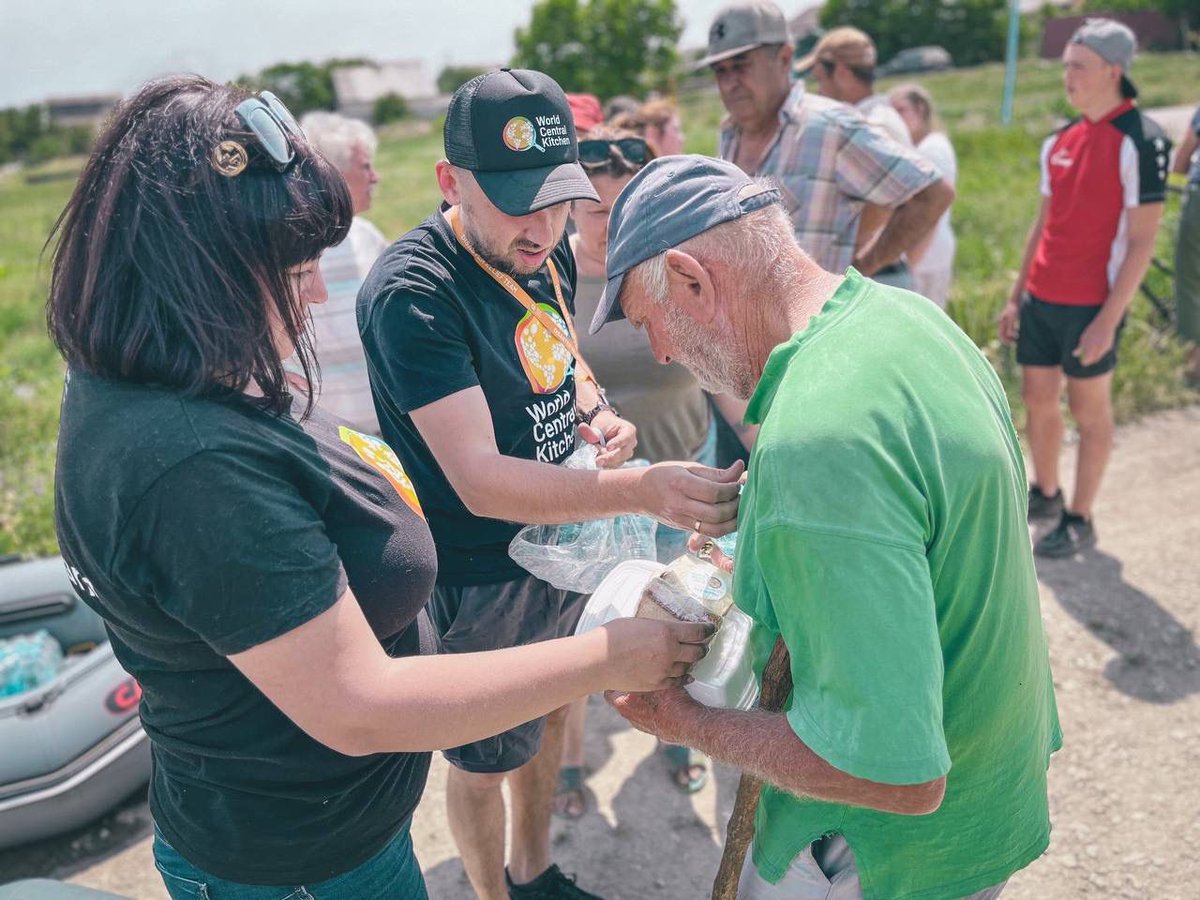
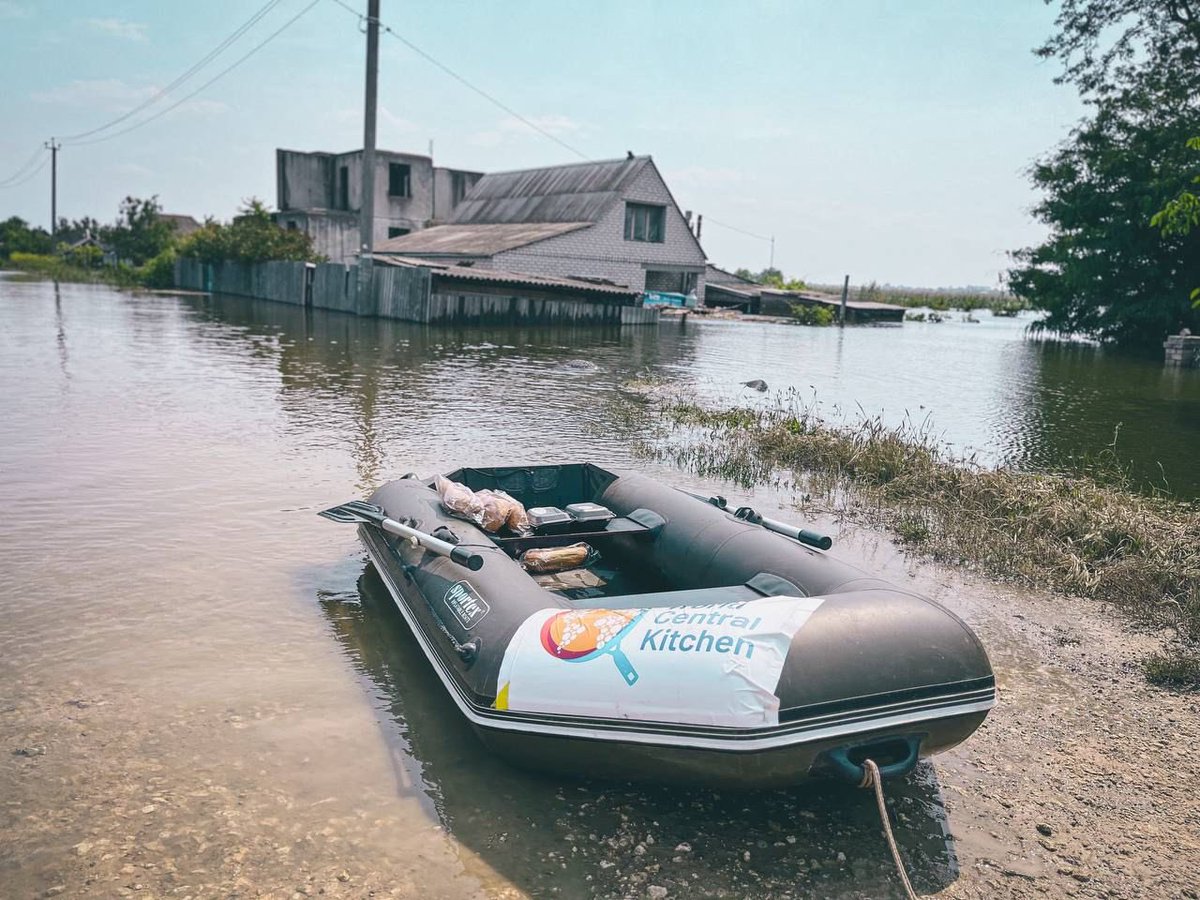
.@WCKitchen reaching every community they can everyday along the right side of the Dnipro River. They are my heroes alongside many more doing the impossible at a great peril for their own lives….Also providing meals in temporary shelters and extraction points. #ChefsForUkraine
On Thursday, I graduated from the Harvard Business School & the Harvard Kennedy School of Government.
On Tuesday, I restart my 7th and final year at Harvard Medical School.
Next year, I will become the 1st person in history to graduate from these three institutions.
1/x
This International Museum Day, learn more about the progress we’ve made bringing the Obama Presidential Center to life in Jackson Park.
We can’t wait to open our doors in 2025. #IMD2023 https://t.co/jIFGK7T59P
Healing from this role can help you create mature adult relationships with dependable, supportive, safe people.
Are you a fixer? Share your story in the comments.
If this resonates RETWEET to spread this important work.
From my time serving as a U.S. Marine to leading Jersey City as Mayor, my career has always been guided by a strong desire to take on difficult challenges and find solutions that help improve peoples’ lives. Now I’m running for Governor to bring those same values to Trenton.