$31 MILLION HOTEL. EVERY PIPE AND WIRE MAPPED IN ADVANCE. BUILT BY TYPING SENTENCES INSTEAD OF PLACING THEM BY HAND.
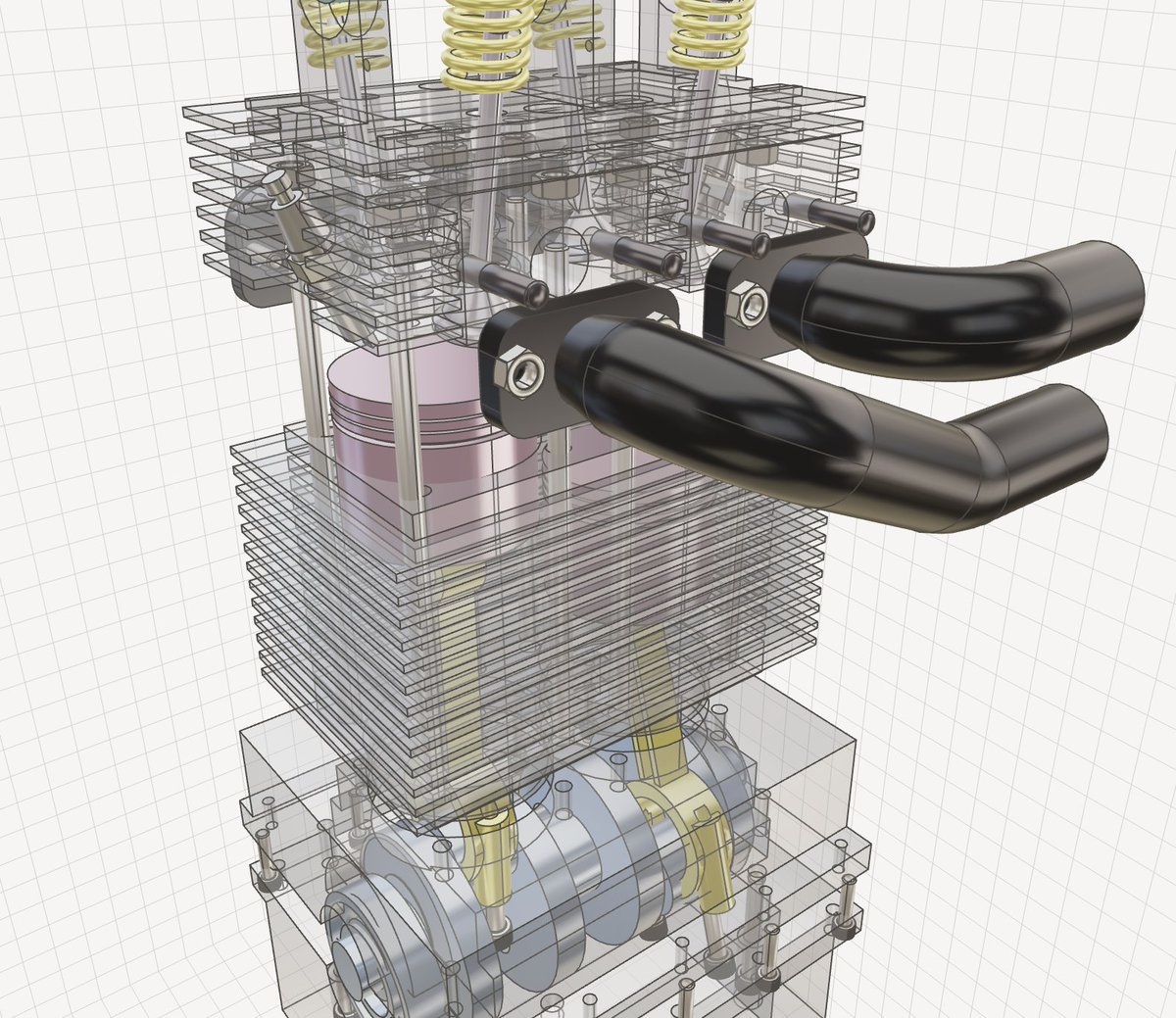
A 190-room hotel needed its ductwork, plumbing, electrical, and fire suppression modeled and coordinated before construction could start.
The design team connected Kimi K3 to their modeling software through MCP, then had it read photos of the blueprints alongside plain English descriptions of each system and build the model directly instead of placing every component by hand.
Old process: 3 engineers, 6 weeks, around $47,000.
New process: 1 engineer confirming the AI's output, 9 days, roughly $10,500 combined, engineer's time plus AI compute.
Coordinated models finished this way cut change orders by 60 to 80 percent once construction begins.
See the article below for a smaller example of the Kimi K3 + Blender MCP workflow.
Kimi K3 vs Claude Opus 5 vs Fable 5.
same prompt, one shot each: build a simple playable game from scratch.
three frontier models. three completely different takes on the same brief.
K3 runs at a fraction of what the other two cost.
which one actually nailed it?
my full K3 guide is below.
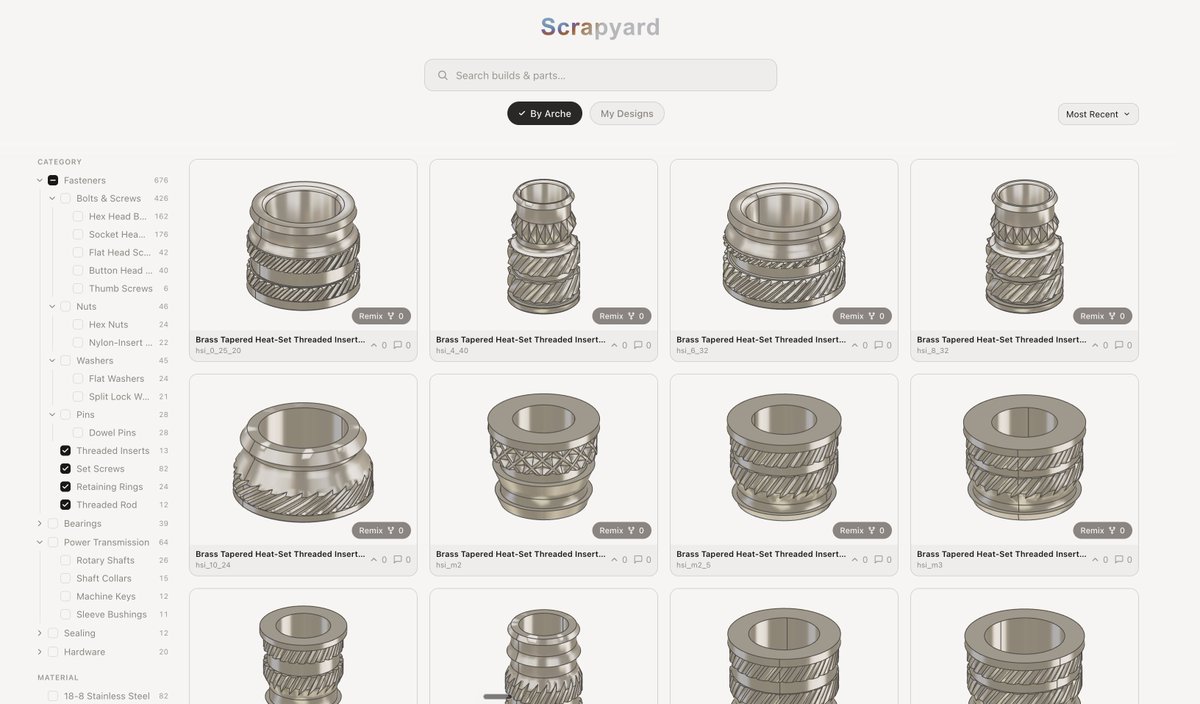
Design for Manufacturability is what really matters in the end, so we've integrated hundreds of real catalog STEP parts directly into Smith's model reasoning. Design with real parts!
Introducing Kimi K3: Open Frontier Intelligence
🔹 2.8 Trillion Parameters, 1 Million Context, Native Multimodal
🔹 Kimi Delta Attention enables up to 6.3x faster decoding in million-token contexts
🔹 Attention Residuals deliver ~25% higher training efficiency at <2% additional cost
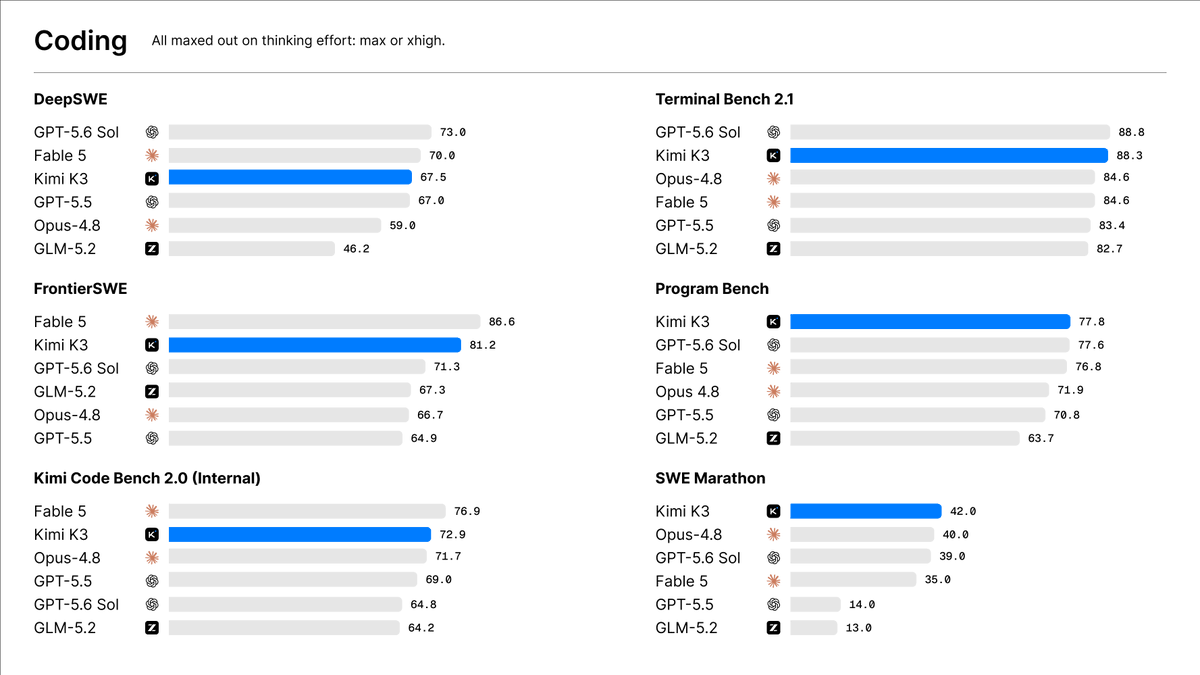
🔹 Built for long-horizon agentic coding and self-evolving workflows
Kimi K3 is now live on on https://t.co/zrk6zZxZUo, Kimi Work, Kimi Code, and the Kimi API.
Open Weights by July 27, 2026.
🔗 API: https://t.co/XCrgjXAqMw
🔗 Tech blog: https://t.co/YTfiMSNM1f