@samarthrawal great work! I've seen @remnote has a "Near misses" section in their flashcards which is essentially the "context" from Pearls but explores adjacent concepts.
e.g. card about metformin could compare/contrast other meds / give counterfactuals of other cases
personally a fan!
Interesting paper that could expand workflows in medical reasoning: https://t.co/37oMtcNavm
The core insight: image segmentation can now 'think' with actual image tokens, so theoretically oncologists could ask 'find me all lymph nodes that look similar to <this concerning one>'
@samarthrawal I've found the same! I like to present the case back, especially if it's complex with lots on the problems list and occasionally I find some ways I can optimise care
AI is like a guitar. Everyone knows what a guitar is and understands time must be spent to get good at it but there seems to be a disconnect here rn with how SWE are approaching it.
Rick gets it.
4) The coolest foothold I've found lately is @drmichaellevin's work on bioelectricity, applicable to many diseases. These footholds are the highest yield contributions to biomedicine. Therapeutics is just a leverageable foothold. Diseases like delirium desperately need footholds.
Just read Wolfram's Computational Medicine (https://t.co/vjuelHNW0v):
Physics has computational irreducibility but pockets of reducibility at various scales allowing for laws (e.g. gas particle collision is unpredictable and chaotic but macroscopically, ideal gas law emerges) 🧵
3) Ideally, you want to develop tools to probe disease at different levels (there is no one computational level due to the complex multi-scale dynamical nature of disease) - consider this like identifying footholds on a mountain you're climbing.
@algekalipso Fascinating thoughts! Just discovering your work. Quick unrelated q - any insights on measuring/modeling attention? It's understudied yet crucial in many neuropsych conditions. Would love any reading recommendations you find especially compelling
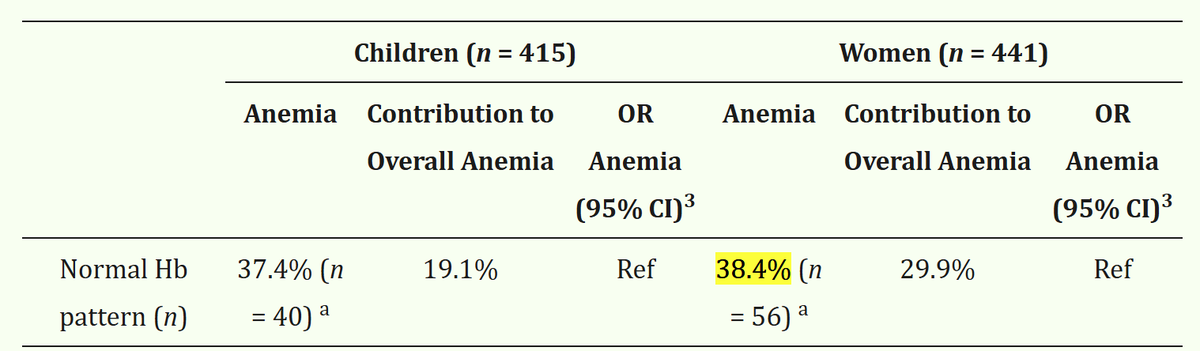
🧵3) We then realised there's still 30% of Cambodian women with unexplained anaemia.
TLDR; we have no idea why millions have anaemia
https://t.co/kDZzWmQn6V
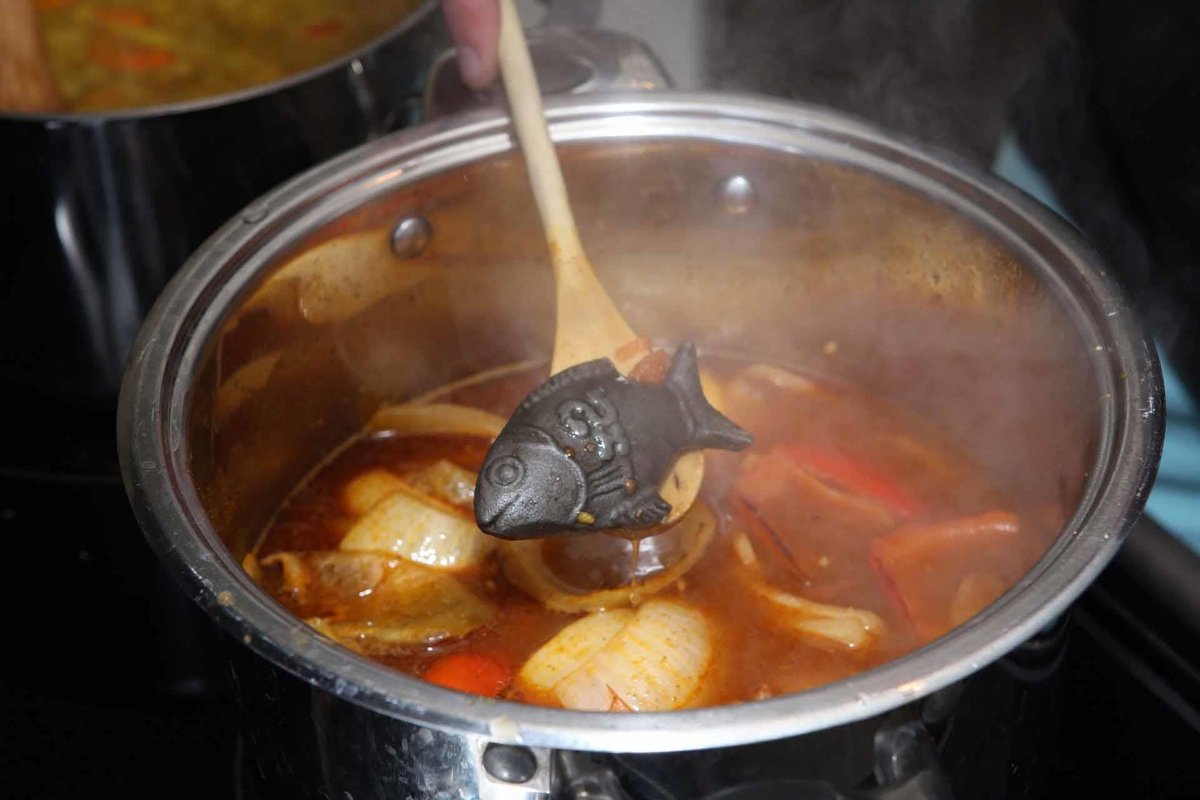
🧵2) turns out we just ended up being iron overloaded - it was not iron deficiency. We then realised it was likely thalassaemia that we'd accidentally tried to fix with iron fishes.
https://t.co/8PnqC4wLAE