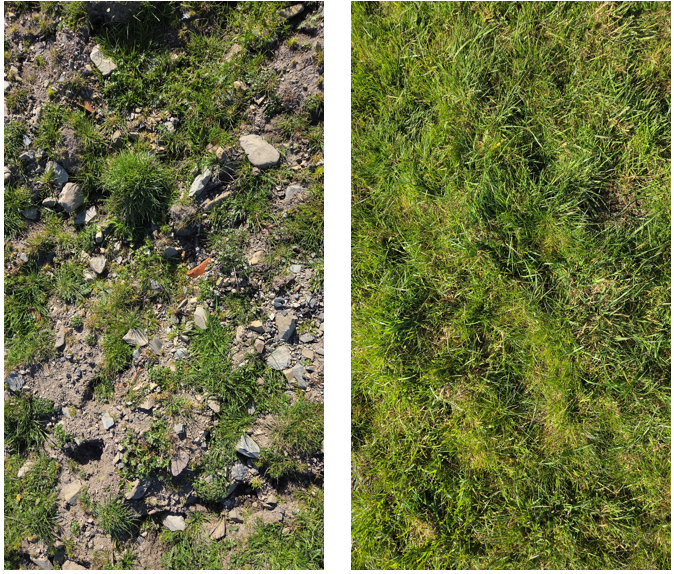
More from Common Farm. Phase I deliberately left spoil in a rough state. The images below contrast the recolonisation of the spoil with the original grassland. So many species taking advantage of the disrupted ground. We would be very interested in any plant ID's for both pics.
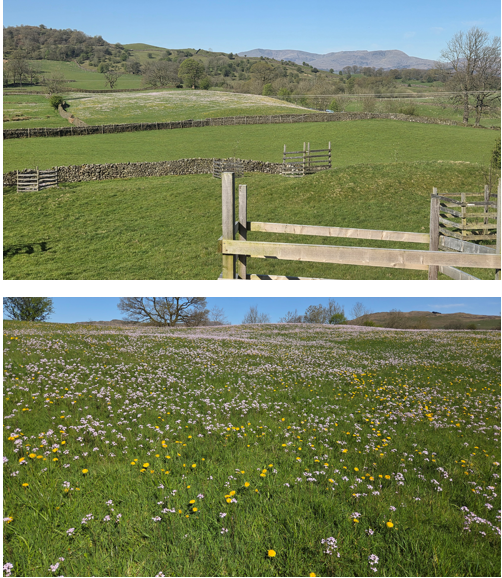
Phase II of the rewetting of Common Farm, Windermere. Not river related but this field stood out in the landscape and when visited was a sea of Lady's Smock. Guessing this has been left deliberately ungrazed? Regardles there were some very happy green veined whites (& faries!).
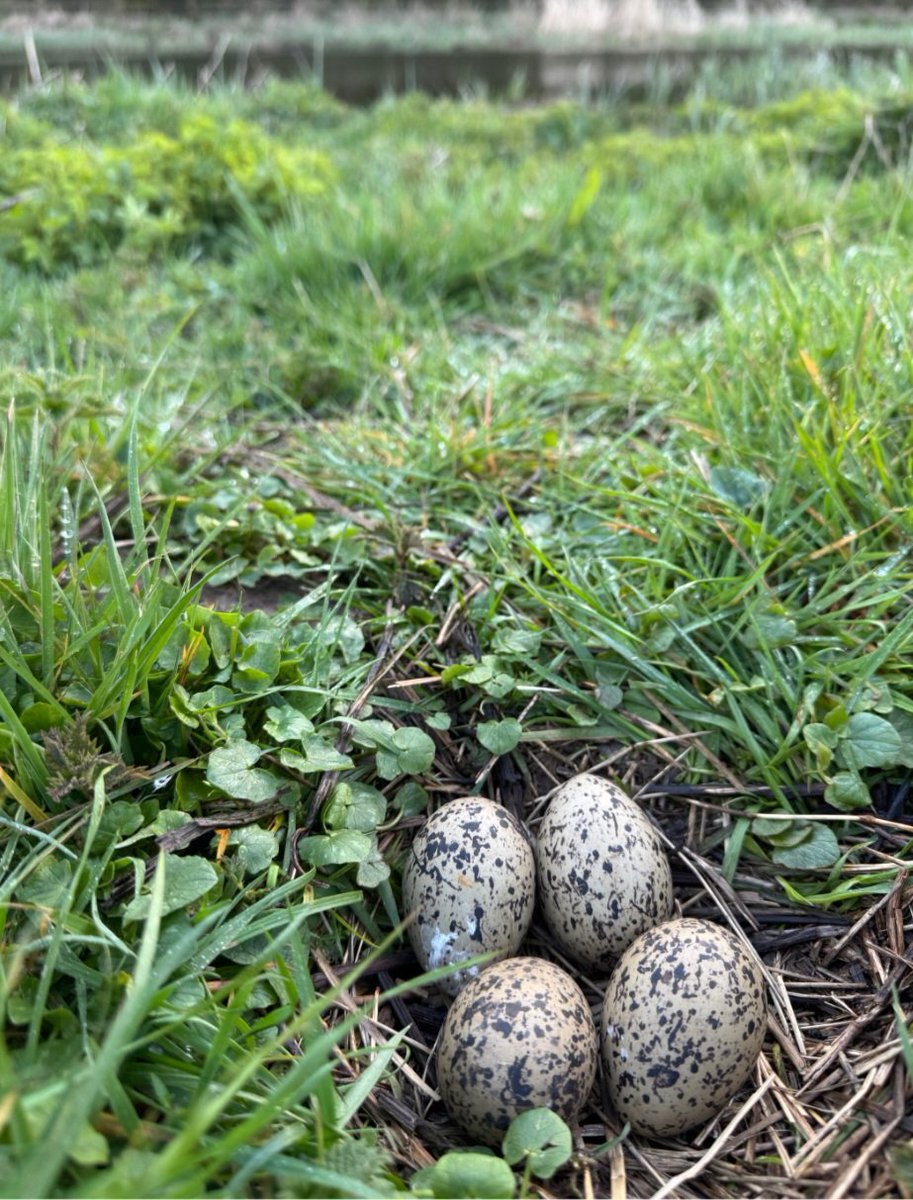
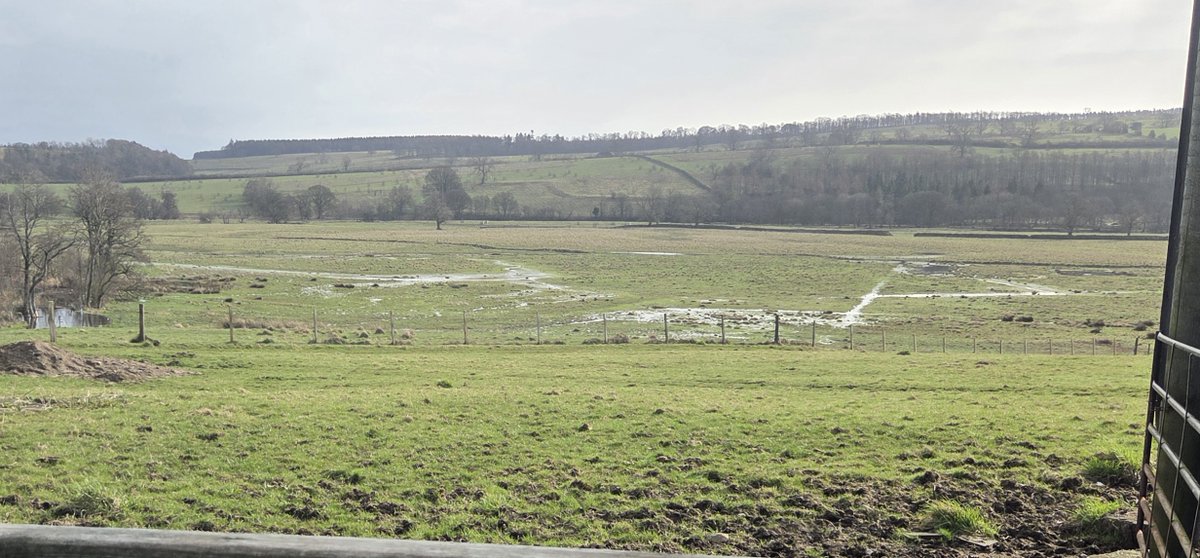
Oystercatcher eggs. First record at the site on Tipalt Burn in Northumberland. You don't get a much better vindication of the valley floor wetting work than that!
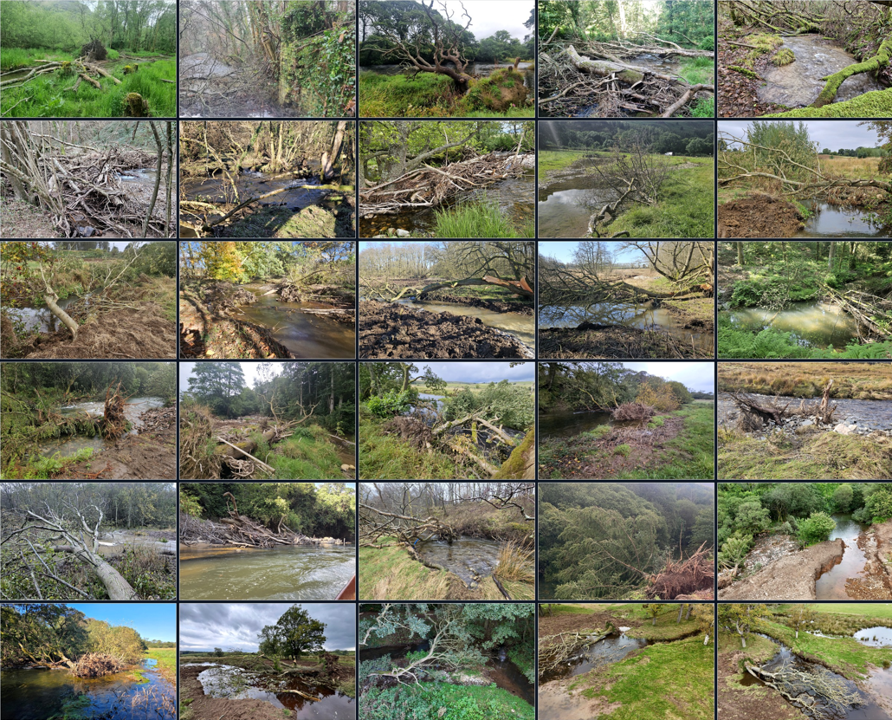
30 large wood examples across multiple naturalisation schemes in the UK. All have dramatically improved local system form and functioning and NONE have moved downstream to create a flood risk issue despite not being terthered by cable and stakes. Don't engineer - mimic nature!
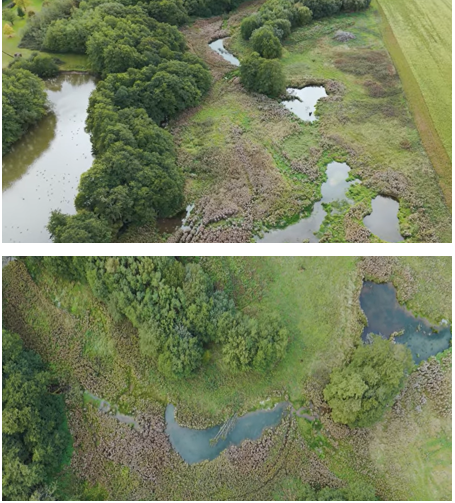
Beavers may not be the flood risk reduction panacea most are claiming, but they do make things wet!
Permanent diffuse anastomosing networks are commonly associated with their lodges, driving functional wetland habitat. Makes you wonder just how wet our waterscapes once were...
Common Farm shows clearly how underdrainage has dried our riverscapes, delivering water straight to main channels and significantly increasing flood potential downstream.
Climate change alone is not to blame.
Disrupting drainage WILL reduce flood risk, we need more of it.
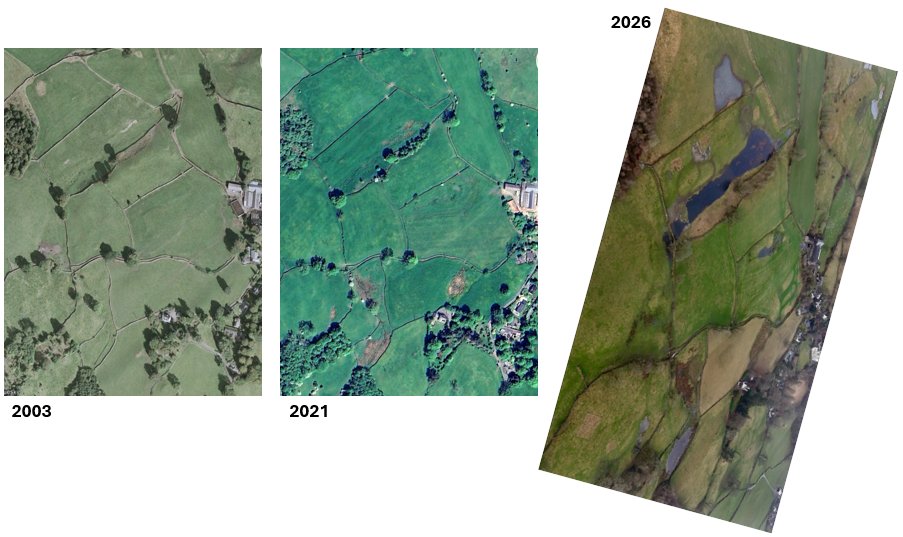
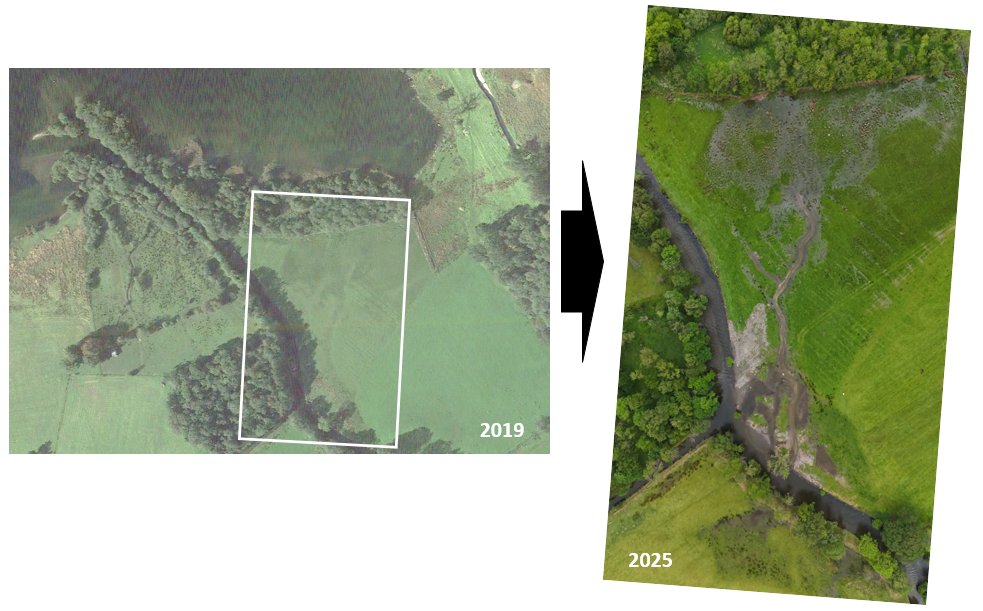
Common Farm, Windermere. An intensly drained dairy farm in 2003. Reduced maintenance through to 2021 resulted in slow wetting.
This evidence guided underdrainage disruption in 2025 bringing water back into the landscape delivering massive NFM and environmental benefits.
Super exemplar video in the link below, highlighting how poor farmland can be repurposed to deliver major gains for the environment and demonstrating the value of a truly holistic approach to chalk stream naturalisation:
https://t.co/qKfvKsIlAc
Great innovation and major associated achievements by the North Devon Riverlands team. Video link below. Look out for how the contour ditch technique spreads water across the steepest of slopes!
https://t.co/nt6xpNmmaA
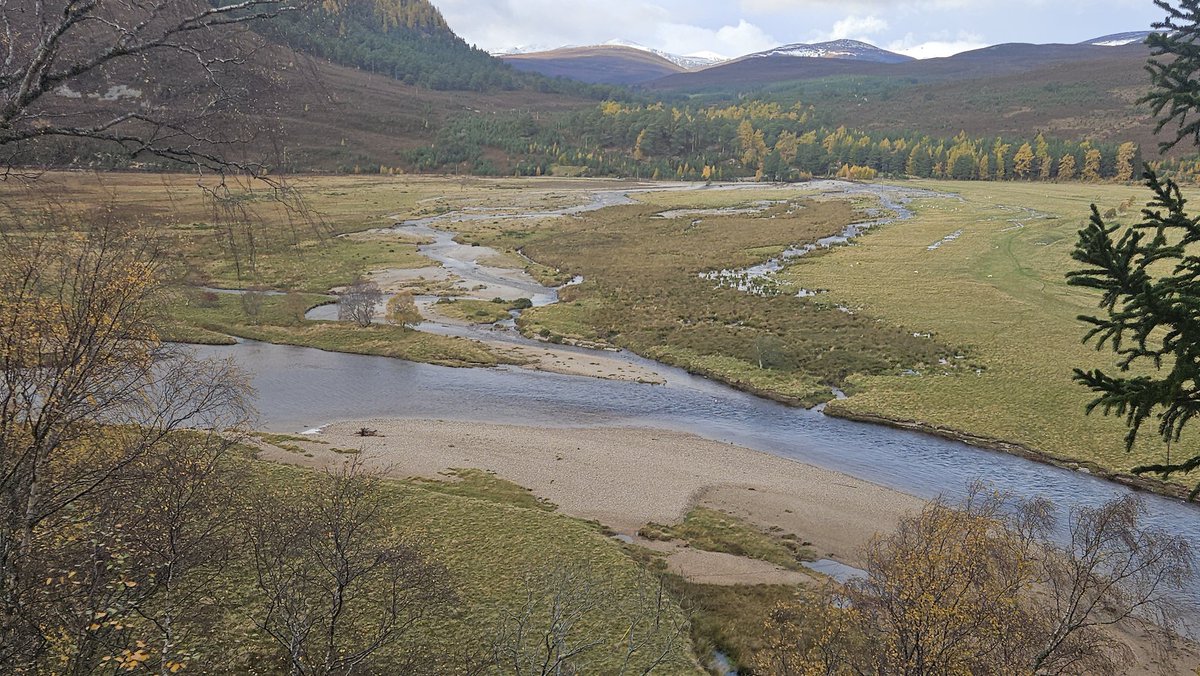
Naturally functioning tributary on the valley floor of the River Dee. This is what they should look like and how they should behave in our uplands. Needs livestock management, but this is a template vision of fluvial landscape recovery. Perhaps we need more of these as a guide?
@stormwater_jo Thank you for the comment Joanna. Fingers crossed you achieve your ambition, we certainly need much much more of this work to reverse biodiversity declines, moderate flooding and combat climate change. Good Luck!
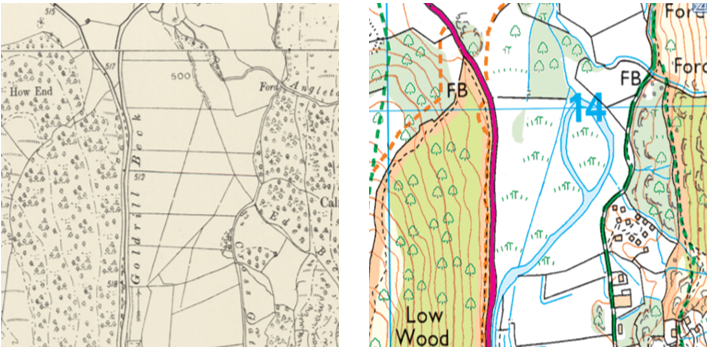
Noticed today that Ordnance Survey have recorded the naturalisation of Goldrill Beck for posterity. A real change to the river and the reconnected wet floodplain! Let's hope they have to change it again soon as this liberated reach of the river evolves into something even better.
@Buchanan13David Just to put you right David. We have independent monitoring data that has recorded peak flow reduction, we have measured the gravel build up that would otherwise pose a flood risk to Patterdale and the wetland development is sequesting carbon and so combatting climate change.
Last night the Cumbria River Restoration Strategy team were runners up in the IRF World River Prize. Congratulations! Let's hope its a catalyst for further success.
Please take the time to view this inspiring video highlighting 15 years of achievement.
https://t.co/e4NVaS1rJU
Noticed today that Ordnance Survey have recorded the naturalisation of Goldrill Beck for posterity. A real change to the river and the reconnected wet floodplain! Let's hope they have to change it again soon as this liberated reach of the river evolves into something even better.
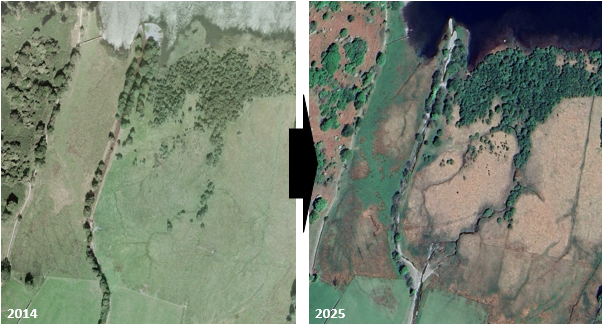
Another lake fan rejuvenation by the National Trust, this time on Goldrill Beck entering Ullswater.
Simple principle applied: chute induced palaeo-distributary rejuvenation. Spectacular rewetting, even into the lake margin wet woodland.
Minor intervention-MAJOR and rapid gains.
Kirkstone Beck above Brotherswater, formerly a lake fan system, historically straightened, embanked and revetted. Chute channel cutting has rejuvenated this feature re-occupying palaeo-distributaries and wetting wide swathes of the fan. Well done (again!) to the National Trust.