A study of asymptomatic teenage athletes found disc herniation in 28% and degeneration in 39%. ddd models demonstrate why structural change on MRI doesn't always mean pathology. https://t.co/q0dpy9mdME
Human studies demonstrate that sustained lumbar flexion can produce spinal creep alongside muscular compensation. Understanding this interaction helps clinicians explain loading, movement, and recovery without suggesting that the spine is fragile. https://t.co/EiS76tkm5e
Research tracking individual lumbar vertebrae reveals substantial variation in movement patterns among people with chronic low back pain. Understanding how each level contributes throughout movement adds an essential dimension to spine education. https://t.co/yUPdNDUinM
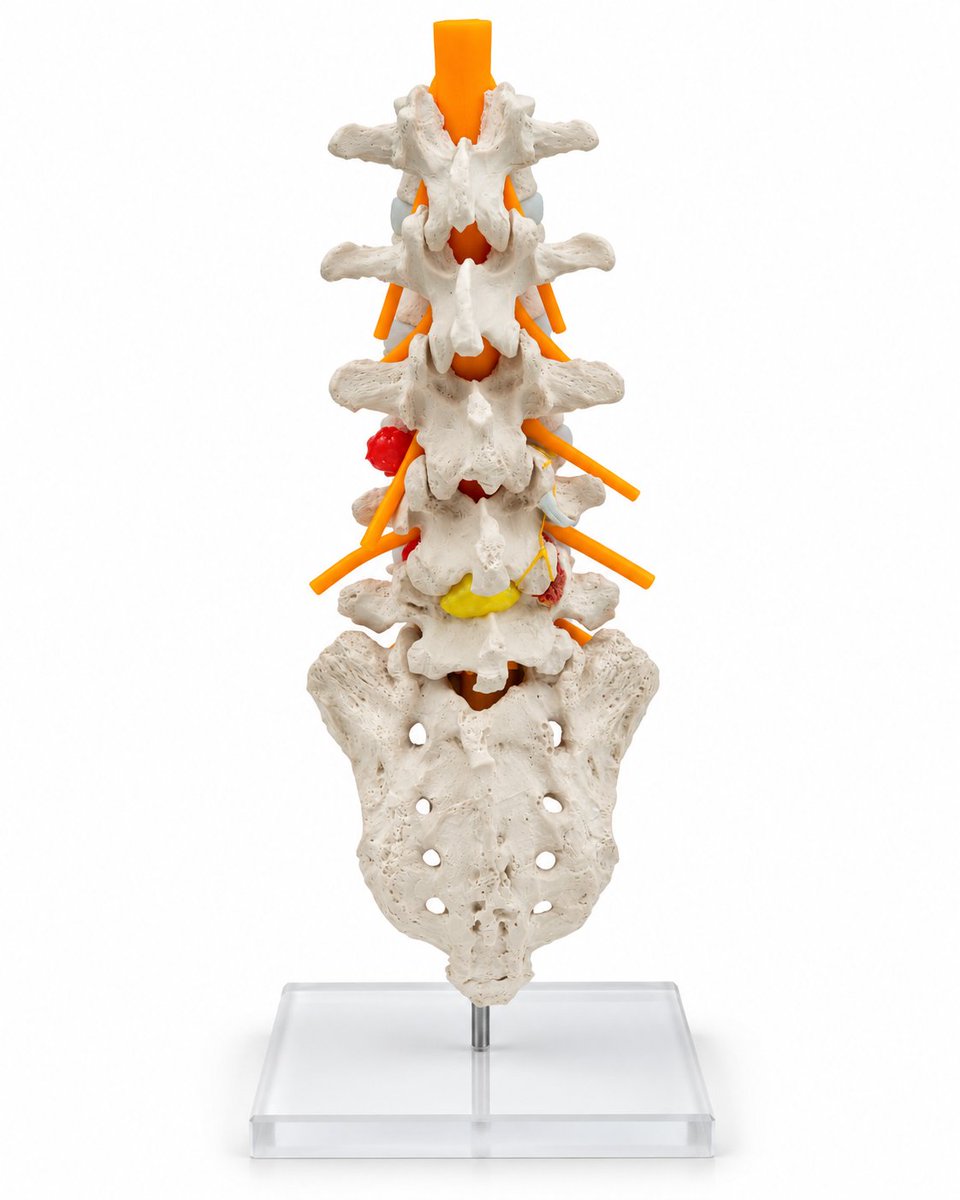
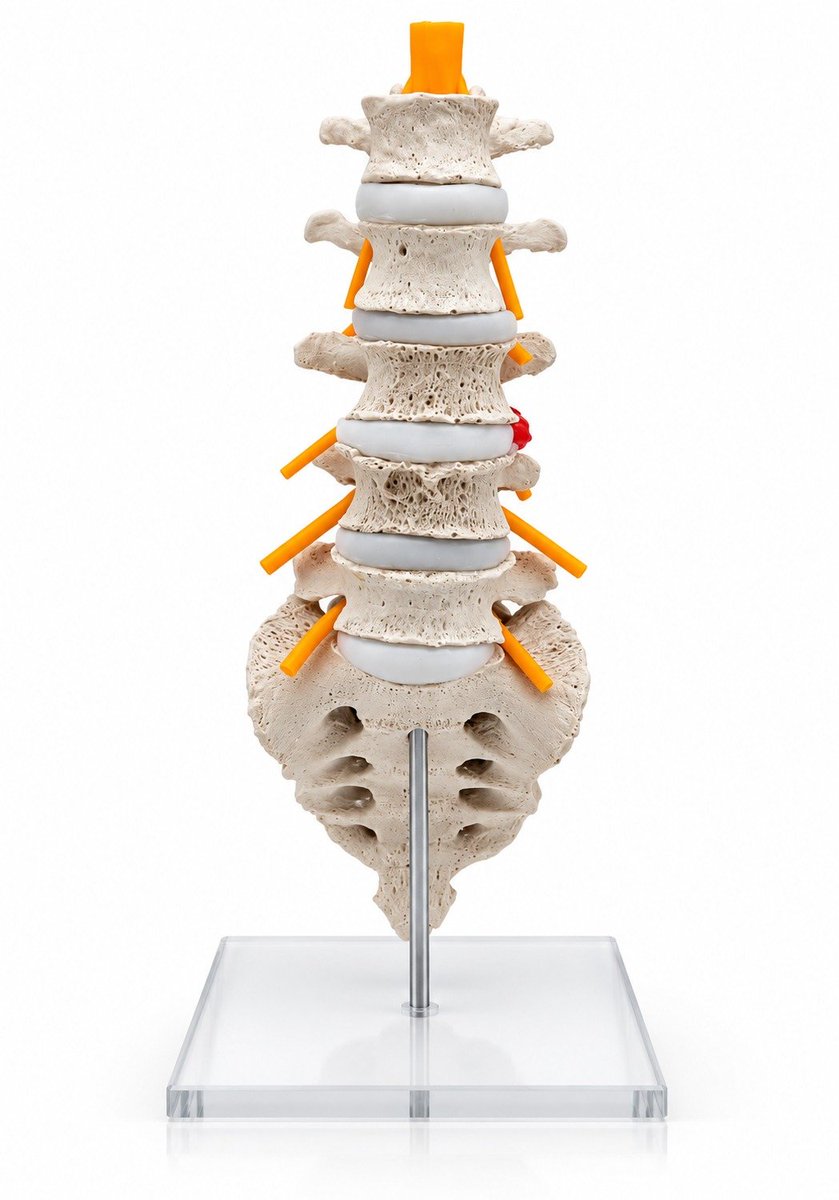
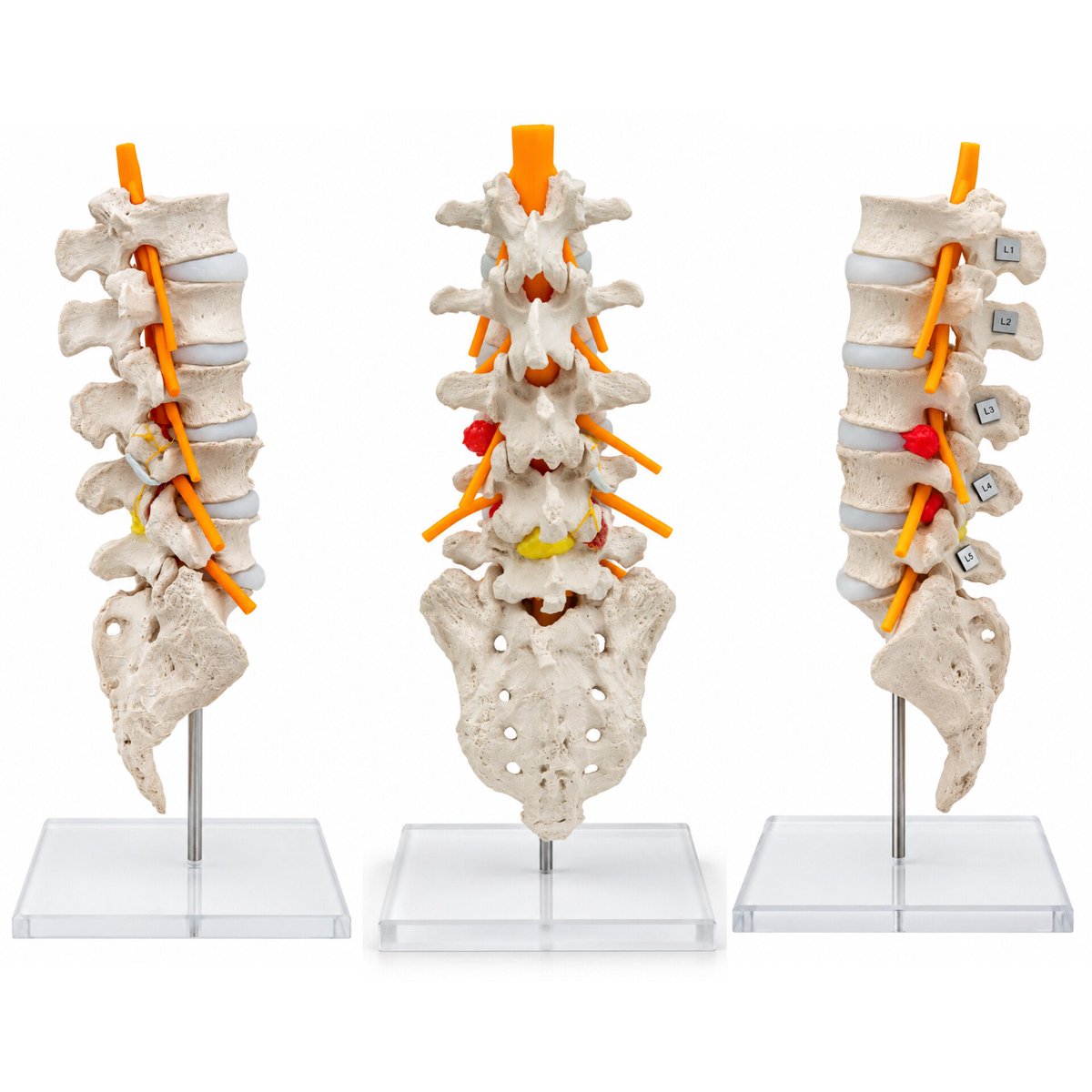
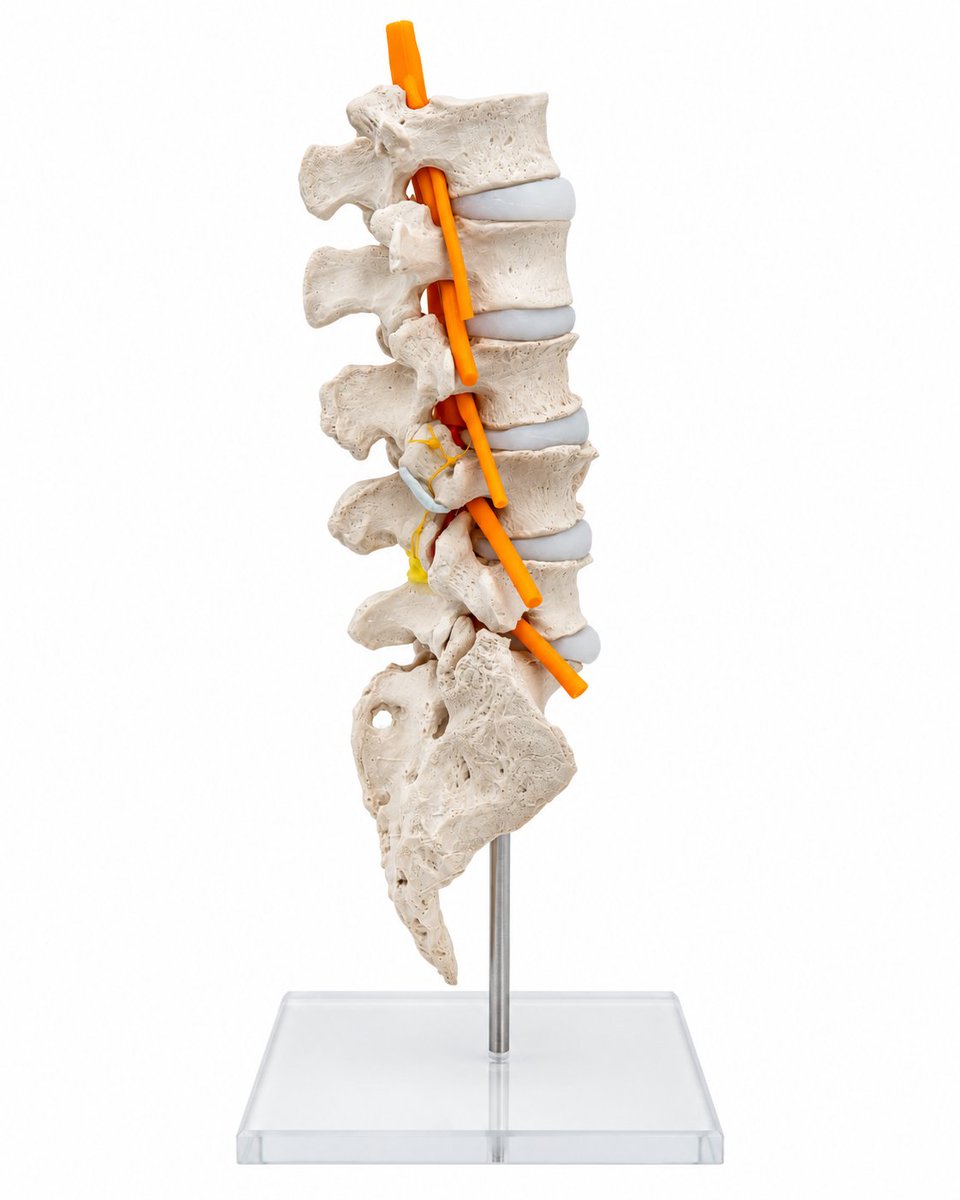
L1–Sacrum Disarticulating Lumbar Spine Model with Disc Herniations, Nerves & Ligaments
L1–Sacrum Disarticulating Lumbar Spine Model with Disc Herniations, Nerves & Ligaments
A prospective study directly compared recumbent and upright lumbar MRI findings in 220 adults. Positional differences appeared in approximately half of patients with low back pain, particularly for disc contour and spinal stenosis https://t.co/lEook5b1fp
Digital education makes musculoskeletal knowledge accessible, but translating that knowledge into clinical reasoning and patient communication remains challenging. Physical dynamic models may offer... https://t.co/qFZzDHraQ2
Pain cannot be read directly from an MRI or reduced to one damaged structure. A whole-person approach combines anatomical findings with differential diagnosis, functional assessment, and biopsychosocial clinical reasoning. https://t.co/BV0Fvyitl7
Lumbar disc herniation is not simply a static change in disc shape. A 2025 systematic review examines how loading direction, repetition and intradiscal pressure influence the pathway and morphology of disc failure. https://t.co/vpR5UKSxKv
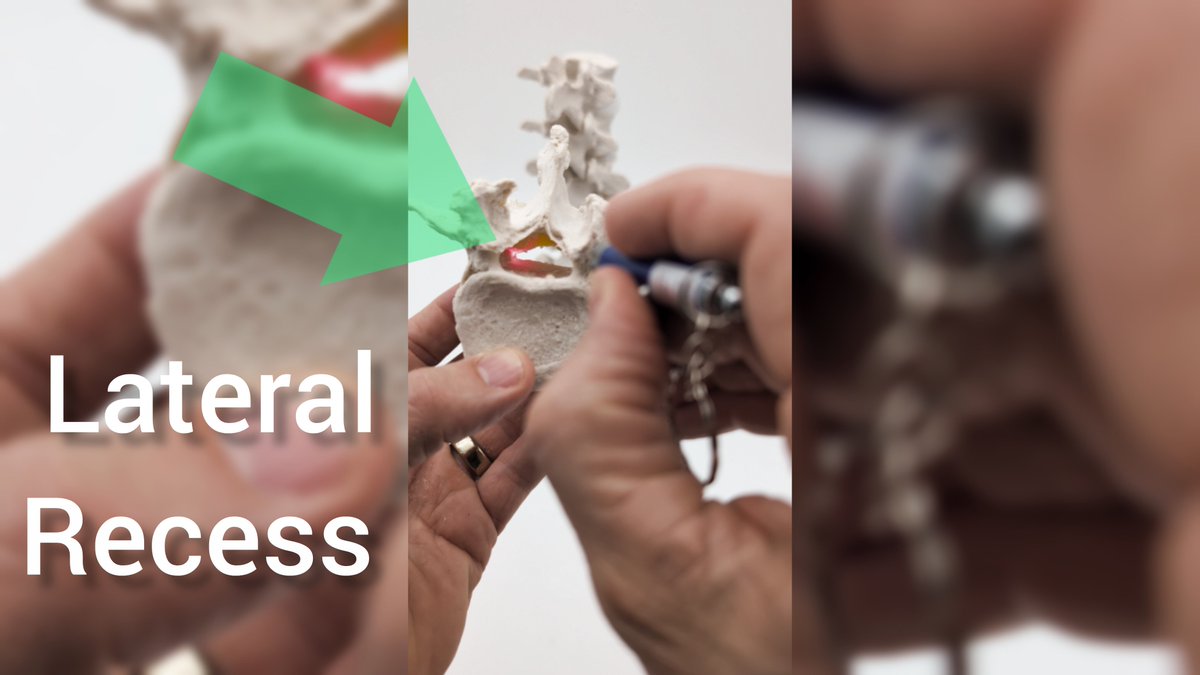
Reminder of the lateral recess. A recent large scale study.
Using our Lumbar Spinal Stenosis Dynamic Model which showcases a dynamic motion segment with a thickened Ligamentum flavum, watch how this space can be affected.
https://t.co/ouS0IbXe5p