Ni kama we are not understanding each other.
1. We demand the supplier cost
2. The landing cost
3. The margins made by wholesalers and distributors.
4. VAT scrapped, we import finished products our refinery is no longer working.
5. All the other taxes reviewed.
Hii mchezo ya paka na panya hatufanyi tena.
Guys strike itambe hadi tupate full transparency on this issue. We shall not accept to be taken for a ride.
@_James041@OkiyaOmtatah And it's not necessarily true that law firms were actually paid. The money is being eaten by government officers. Service providers are genuinely suffering with unpaid bills.
@Oketch_Salah This was drafted from higher offices for you to sign without questioning in exchange for what we wonder? It's not genuine. It's not your creation. Funga mdomo ukitafuna.
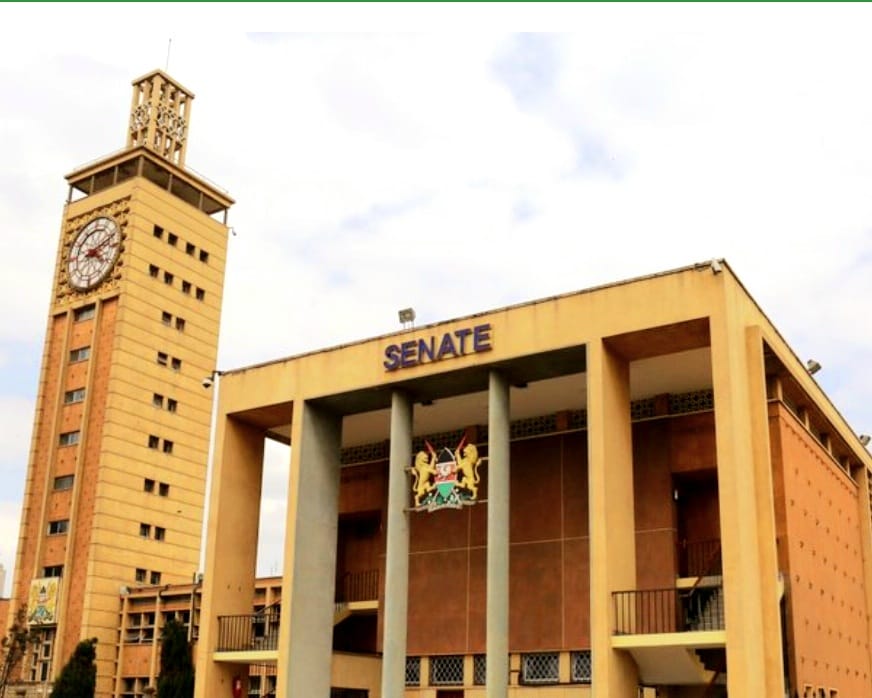
Many of you asked what happens after the Senate exposes misuse of public funds, as we have just seen with Mandera and Embu during the governors’ grilling.
The process is straightforward on paper.
The Senate investigates and makes recommendations, which may include:
- Timelines for recovery where recovery is possible.
- Referral to EACC for investigation, after which files are forwarded to the ODPP for prosecution, and eventually to court.
This is where accountability routinely collapses.
Not because evidence is absent, but because the system is structured with multiple choke points vulnerable to selective investigations, political pressure, and weakened prosecutions.
EACC can investigate but cannot prosecute, and has wide discretion over which cases move forward.
The ODPP holds exclusive prosecutorial authority, yet in practice remains exposed to political influence, especially in cases involving powerful office holders. As a result, many cases never reach court.
And even when they do, they are often delayed, diluted, or quietly abandoned.
I have long believed the Senate needs stronger powers.
In cases of clear, documented misuse, where explanations collapse under questioning, the law should be reformed to allow fast-tracked prosecution through tightly supervised legal mechanisms.
If a governor cannot account for millions spent on repairs, that is not a debate.
That is evidence.
Accountability should not be a long journey designed to exhaust evidence and protect power.
It should be swift, credible, and unavoidable.