As the public discourse around sex and gender pops up again - I think about the kid who hears ‘nothing in biology makes sense except in the light of evolution’ - but who doesn’t see themselves represented. I wrote this for them.
https://t.co/e31nzZqNpl
Are you a vertebrate evolutionary biologist finishing your PhD or within three years? If so, please contact me (DM) or email about the YIBS Donnelley Postodoctoral Fellowship at Yale University and Peabody Museum!
I'm looking forward to the awesome line-up of speakers in the @ThePalaeoverse lecture series this summer!
💻Don't forget to re-register at https://t.co/4kuwTE15GU
🗓️The first lecture (by @WrightingApril) is this Thursday!
Applications now open for the International Event Grants! These grants support symposia, workshops, courses, and other evolutionary biology events (including virtual events). Learn more and apply by September 15: https://t.co/wcr8vrZS7W
Not me finding a QUADRUPLE interaction.
library(emmeans); emmeans(); emtrends() is awesome for visualizing marginal effects and performing posthoc analyses
Another job opening! I am hiring a postdoc in my lab at University College London to work on developing new phylogenetic comparative methods for modeling the evolution of complex phenotypes! Details here: https://t.co/QLFC1MDbaO
I field a lot of questions about ancestral state reconstruction of discrete traits so I posted a new tutorial to my blog that contains a number of useful #Rstats#phytools demos. 😀
Check it out here: https://t.co/BYV7P2z1LE.
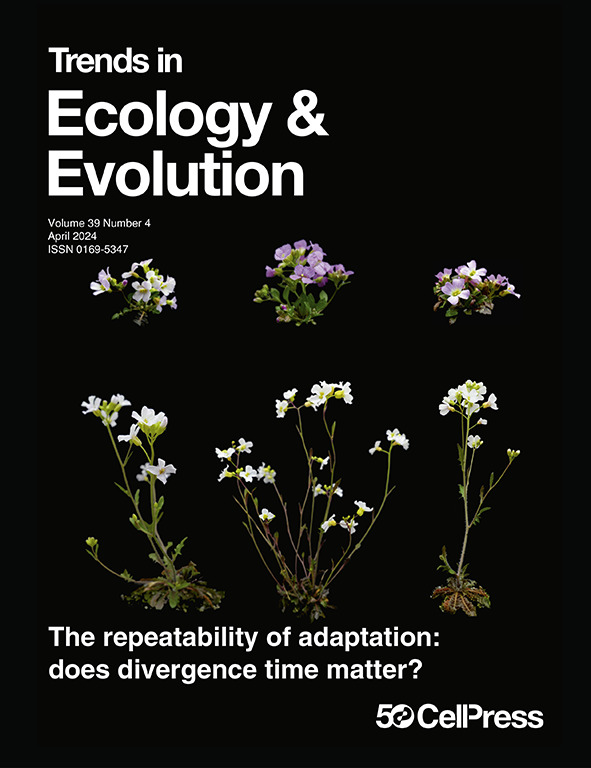
April issue of Trends in Ecology and Evolution out online now!
https://t.co/9qW4FXYIFj
cover article from @MajdaHolcova & Catherine Peichel
Featured articles from Gillson et al, Simmonds et al, Siegel et al
SSE Council, along with @ASNAmNat and @systbiol leadership, has written an open letter to express concern for the ongoing reduction of support for biological collections. Read the full letter here: https://t.co/MHUldNHvnJ
Really pleased to see former #RevellLab Ph.D., now @nyuniversity professor @Kmwinchell in this excellent @PBS short: "Why Are These Urban Lizards Evolving in Overdrive?" https://t.co/tNvrOeKOm0 via @YouTube. Well worth the 10 minutes!
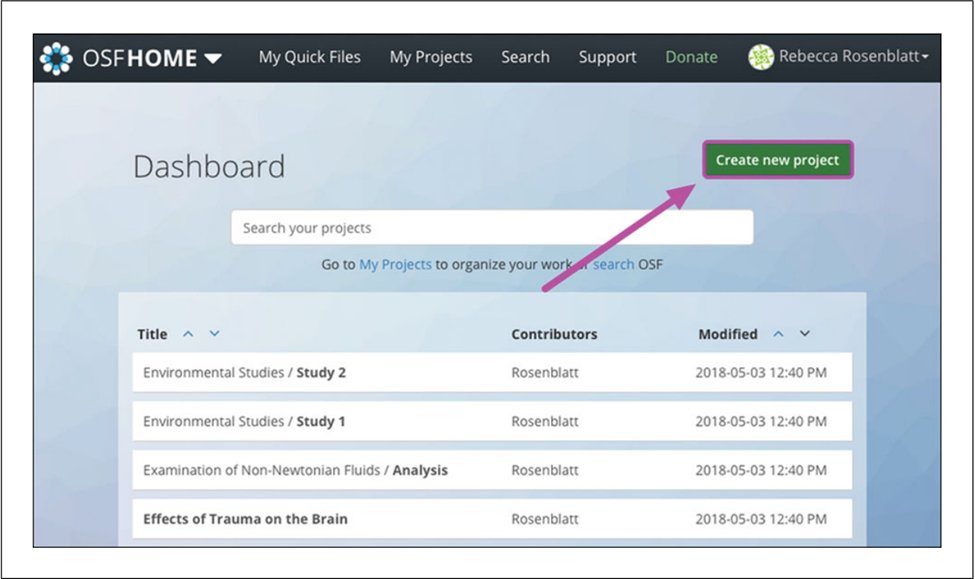
Want to go #OpenScience?
https://t.co/oEkcv0CxRo by I. Sullivan, A. DeHaven & @EvoMellor details the step-wise approach to use @OSFramework to create a data management plan, preregister a study, use version control, share data and other research materials... #SORTEEjournalclub
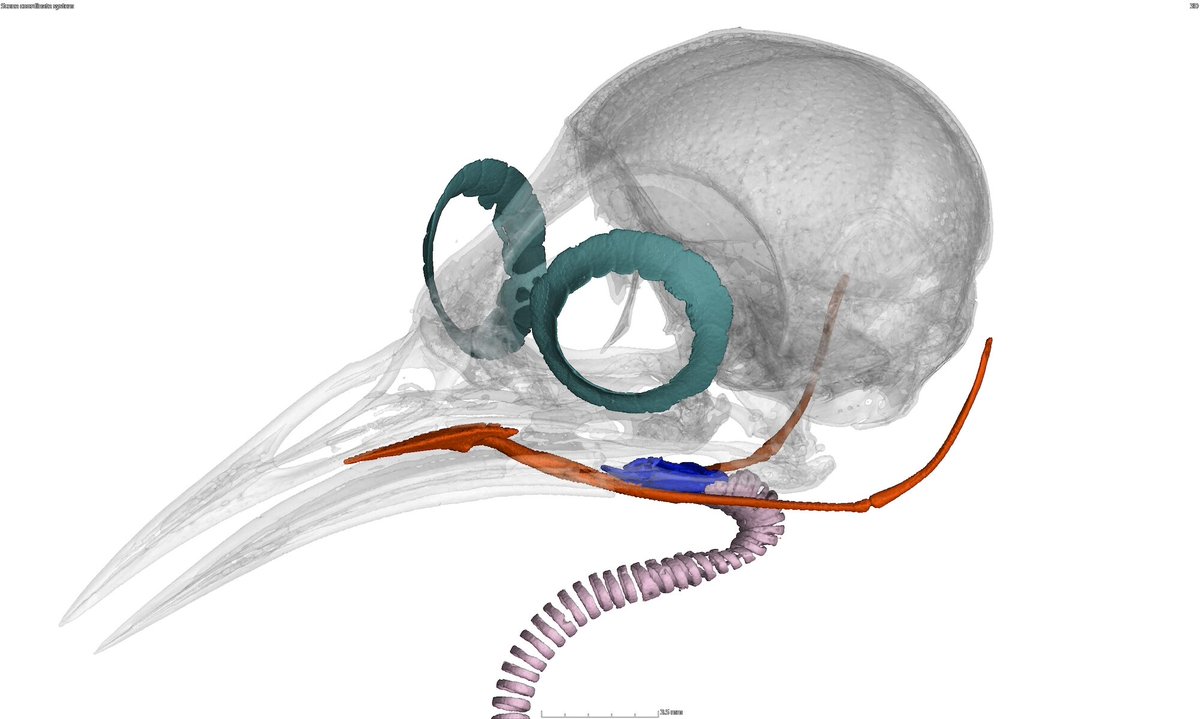
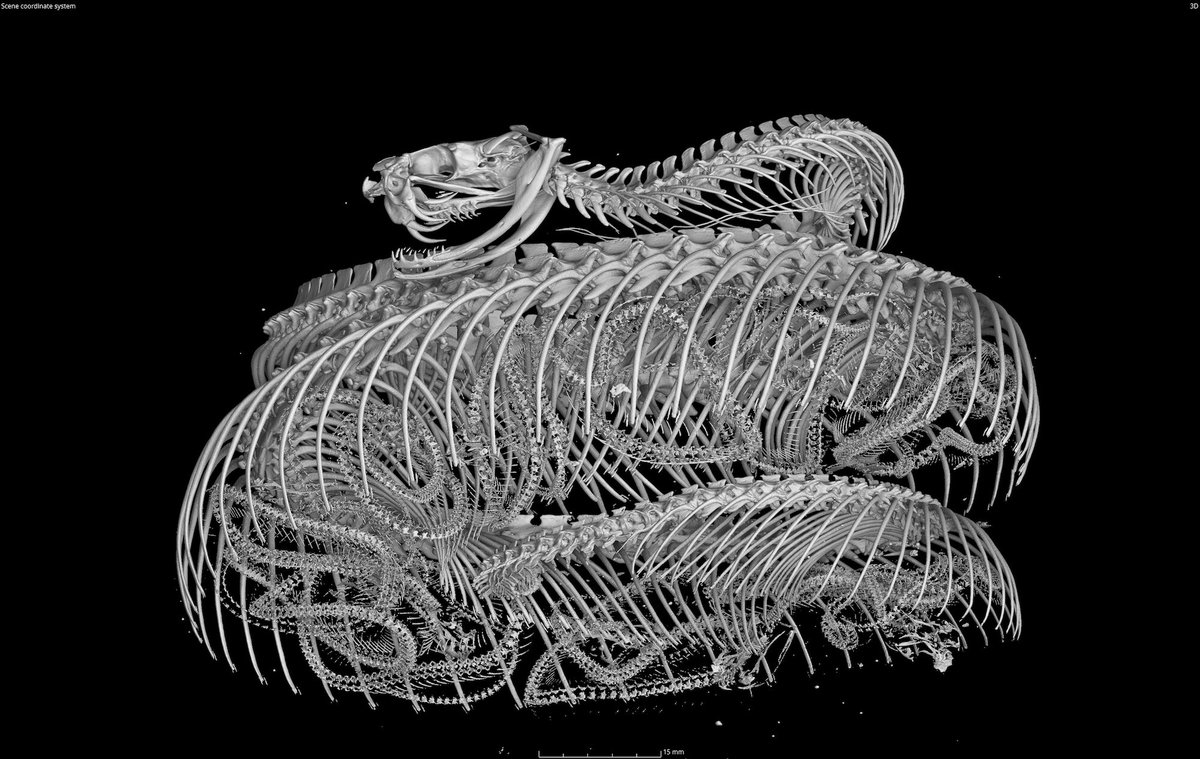
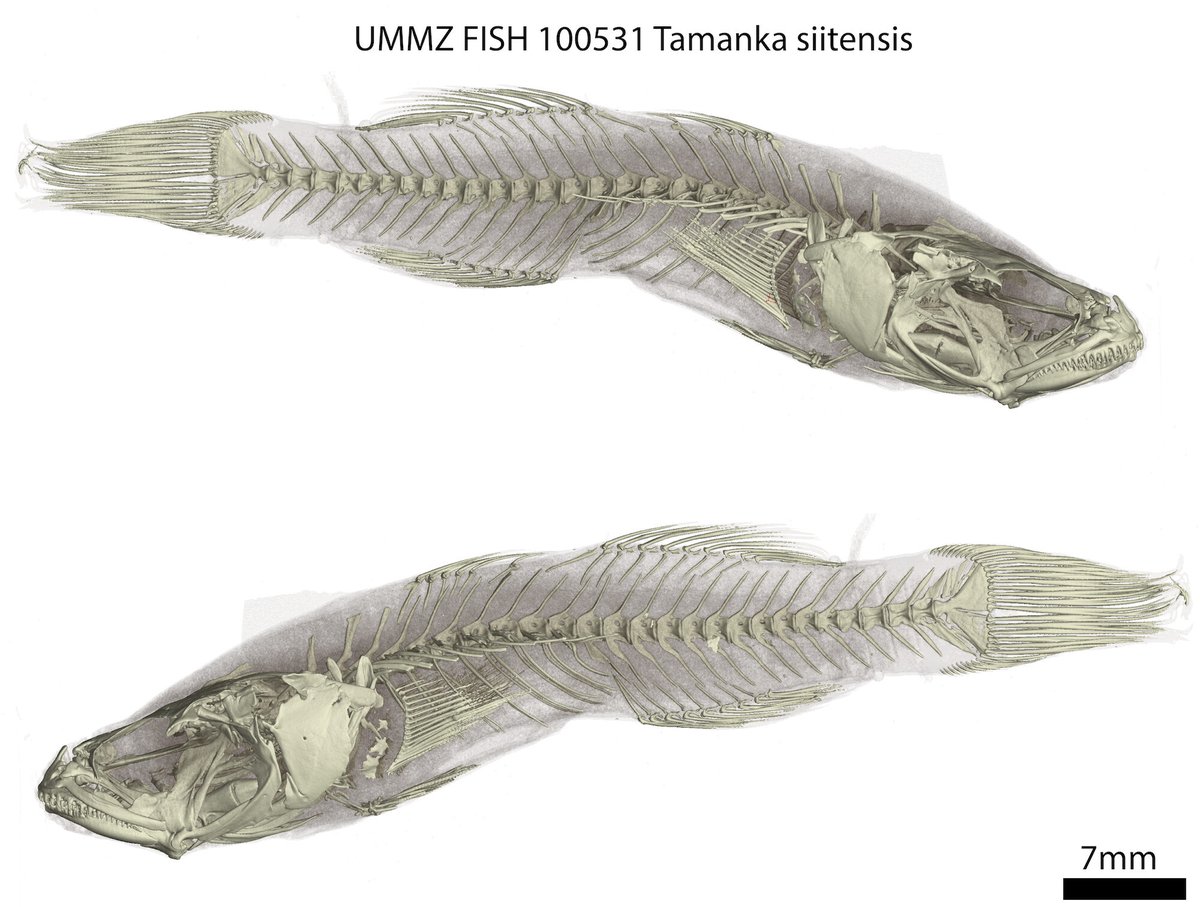
Scientists CT-scanned thousands of natural history specimens, which you can access for free
Natural history museums have entered a new stage of scientific discovery and accessibility with the completion of open Vertebrate (oVert), a five-year collaborative project among 18 institutions to create 3D reconstructions of vertebrate specimens and make them freely available online.
The project is led by the @FloridaMuseum of Natural History and includes several biologists from the University of Michigan. A paper summarizing the project and its impacts was published online March 6 in the journal BioScience.
Natural history museums got their start in the 16th century as cabinets of curiosity, in which a few wealthy individuals amassed rare and exotic specimens, which they kept mostly to themselves. Since then, museums have become a resource for the public, with exhibits that showcase biodiversity for anyone interested in learning about it.
However, most natural history collections remain behind closed doors, accessible only to scientists who must either travel to see them or ask that a small number of specimens be mailed on loan. The research team behind oVert wants to change that.
“If you require someone to get on a plane and travel to you to collaborate, that’s prohibitive in a lot of ways,” said David Blackburn, principal investigator of the oVert project and curator of herpetology at the Florida Museum of Natural History. “Now we have scientists, teachers, students and artists around the world using these data remotely.”
Between 2017 and 2023, oVert project members took CT scans of more than 13,000 specimens, with representative species across the vertebrate tree of life. This includes more than half the genera of all amphibians, reptiles, fish and mammals.
More than 1,600 specimens from @umichLSA's Museum of Zoology collections were scanned as part of the #oVertTCN project—mostly mammals, reptiles, amphibians and fish, along with a few birds. The museum also scanned several hundred specimens for partner institutions.
“The University of Michigan Museum of Zoology is the home to some of the largest collections of vertebrates in the world. We were able to utilize those collections and our own in-house CT scanner to produce 3D models of thousands of our voucher specimens, as well as material from collaborating collections,” said Cody Thompson (@codythompson51), mammal collections manager and associate research scientist at #UMMZ.
The other U-M co-authors of the @AIBSbiology
BioScience paper are Alison Davis Rabosky, Ramon Nagesan, Daniel Rabosky and Gregory Pandelis.
Learn more: https://t.co/X1iSwpFK3s
7 years of #overtTCN digitization efforts has produced > 25K datasets from >13K vertebrate specimens. It's been an incredible experience with amazing collaborators. While the project is oVer(t), it's just the beginning of an amazing shift in accessibility of musuem collections.
I was riding my motorbike and I thought I saw a dead snake on the side of theroad. I generally don't pass up free stuff. Don't judge we're all human.
Anyway, I stopped to collect my snake and it turned out to be a huge blue iridescent earthworm. It was not dead.
It was the coolest thing ever and I was on the side of the road fondling it for like 20 minutes. The iridescence was phenomenal.
The video camera colors are not as nice as the still camera but I assure you he was vivid.