1/4 🚨 Los bosques de sargazo gigante (Macrocystis pyrifera) en su límite cálido en México han retrocedido ~400 km hacia el norte desde el siglo XX. Un nuevo estudio revela que el cambio climático está provocando un cambio de régimen irreversible en la zona. 🧵👇
2/4 Tras el El Niño de 1997-98, el sargazo logró recuperarse. Sin embargo, tras las olas de calor marinas de 2014-16, los bosques colapsaron y no han mostrado signos de recuperación hasta 2025. El estrés térmico continuo eliminó sus ventanas de oportunidad.
3/4 ¿El sustituto? La especie Eisenia arborea (un alga tolerante al agua cálida) aumentó 1.6 veces su presencia, reemplazando al sargazo gigante como especie fundacional. Estamos ante un nuevo "estado estable" mantenido por temperaturas más altas.
4/4 💡 La lección para el futuro: La restauración de estos ecosistemas ya no puede ser tradicional. Ahora requiere estrategias complejas que aborden las nuevas condiciones térmicas, la competencia entre especies y factores socioecológicos. 🌊🐢
Are fishers just extractors, or are they active marine managers? 🎣🤔
Our new chapter challenges the "extractivist" myth. Looking at Baja California, we show how cooperatives use traditional knowledge to "domesticate" and sustain the sea. 🌊🇲🇽
https://t.co/XQKgpbC2K4
Are you conducting research at the intersection of human cultures and island ecosystems? We invite you to contribute to our curated collection, "Ethnobiology of the Islands."
Full Information & Scope: https://t.co/CMBJCBGHJt
¡Recién publicado! 📢 Ya puedes leer el número especial de @SofEthnobiology : "Ethnobiology Along the Borderlands of Mexico and the US". 🌵🌿
📸 Foto de portada: Georgina Gaona.
https://t.co/4Je9q9paC1
La #CrisisSocioambiental del océano requiere una mirada interdisciplinaria urgente. 🧐
Nota sobre el Encuentro de Estudios Sociales del Mar en la UC, donde participé como invitado internacional. Es hora de integrar la dimensión social.
https://t.co/gyzqFxt4a6
One of my recent articles published in Frontiers in Marine Science just reached a new impact milestone. Here is the link if you would like to read our research: https://t.co/6R9ZgfIL2A
A study published in Discover #Food addresses how the interconnection between humans, food, and the natural environment have interacted throughout time to shape a gastronomic culture in the Baja California Peninsula.
https://t.co/SA7lTuyHeE
🌊🥗 How did Baja California become a global culinary hotspot?
Our latest piece (with José A. Zepeda-Domínguez & Luis Malpica-Cruz) traces the deep roots of #BajaMed—where biodiversity, migration & history shaped a unique #FoodCulture
https://t.co/aAk2XnQRLq
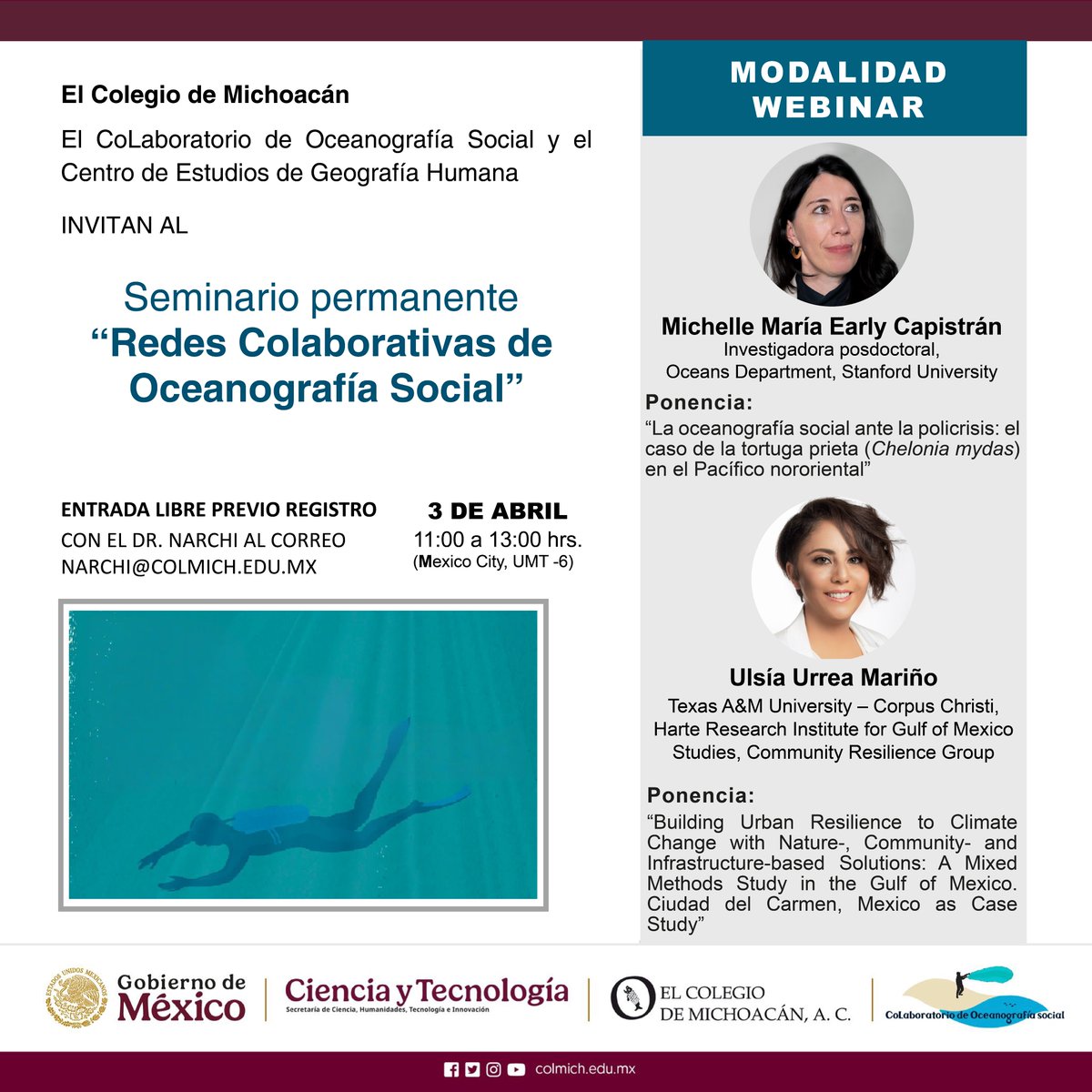
🌊 ¡Están cordialmente invitad@s!
📢 Seminario Permanente Redes Colaborativas de Oceanografía Social
📅 3 de abril | 🕚 11:00–13:00 h
����El Colegio de Michoacán
🎤 Ponentes:
Michelle M. Early Capistrán
Ulsia Urrea Maritio
🆓 Registro: [email protected]
🌎🐢🌿
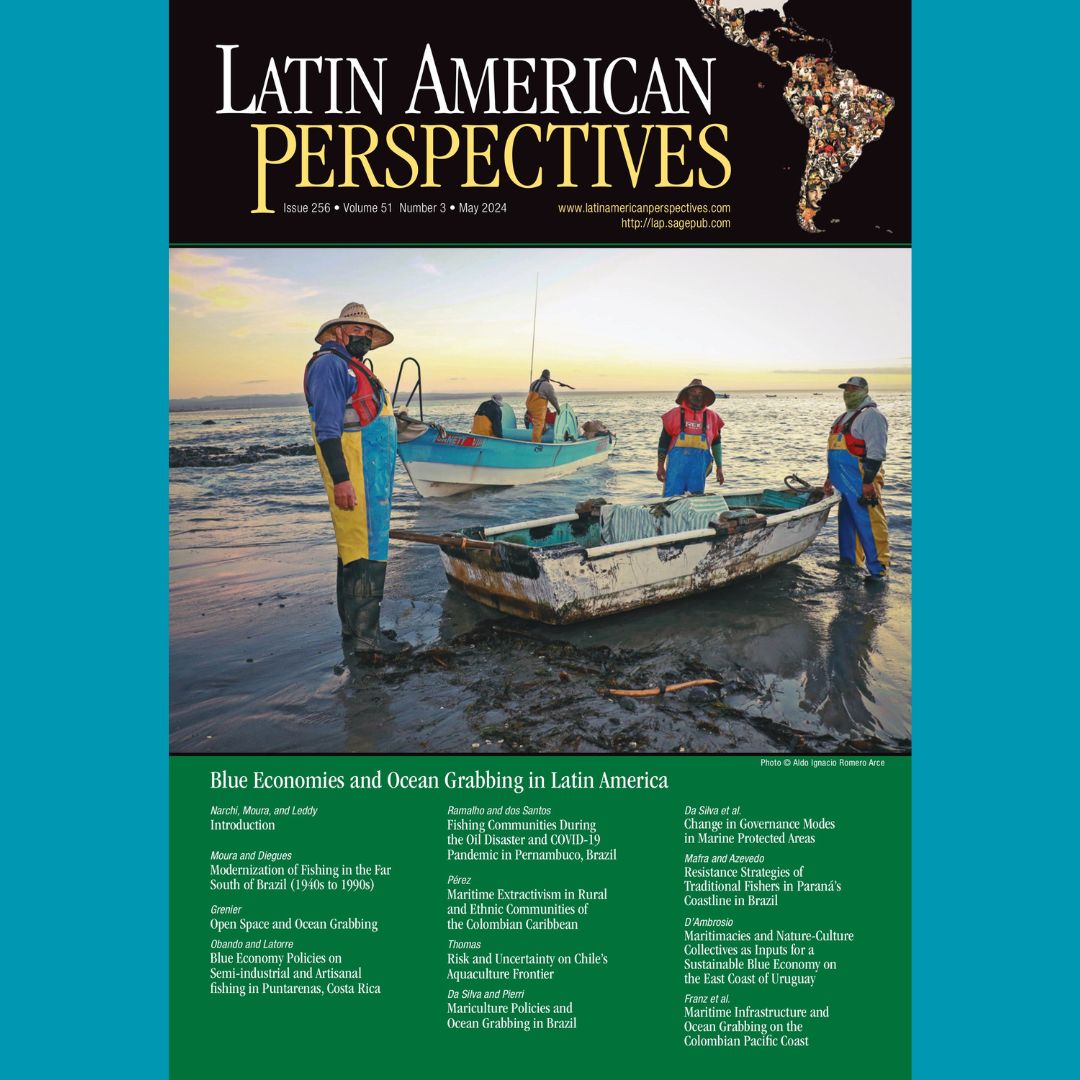
In case you missed it, check out our May 2024 issue: 'Blue Economies and Ocean Grabbing in Latin America'
Issue: https://t.co/W9B02KqKlq
Podcast: https://t.co/cku72ZrkCy
Kirby Smart said, "There is one way. The right way, the hard way - there are no shortcuts."
Everything you get is earned.
When you realize that it's earned not given then you take ownership of the process: