There has been a problem with the Waiyaki Way company network for the past two days. Things are a bit sluggish even on external systems that rely on their infrastructure.
Najua hamplan kuzeeka na Ruto anatuua kabla tuone 60 but plan for your old age. Whatever that looks like to you. If it's a marriage, get a good partner. If it's money, get enough of it. If it's kids, treat them well so they don't send you to a home. But plan. Whatever that is.
The government has revealed plans to use cash from the 1.5 per cent Affordable Housing Levy as collateral for a Sh100 billion loan in a process known as securitisation, signalling that the controversial deduction could become a near-permanent feature on workers’ payslips.
Read more: https://t.co/4dGWYd0iGM
YouTube Premium is increasing from $13.99 to $15.99 a month, while Family plans are rising to $26.99
They also added a feature that speeds up playback during relevant moments to save viewers time
Kenneth Toroitich Kiplabat was brutally murdered and his Mercedes-Benz GLE dumped in Nakuru- He had just bought the guzzler.
The deceased was selling laptops
Nikiona mtu anasema PSG will win the Champions League najua tu either huyo ni mtu hajui ball or he's just a Manchester United fan or he's both. Congratulations Arsenal
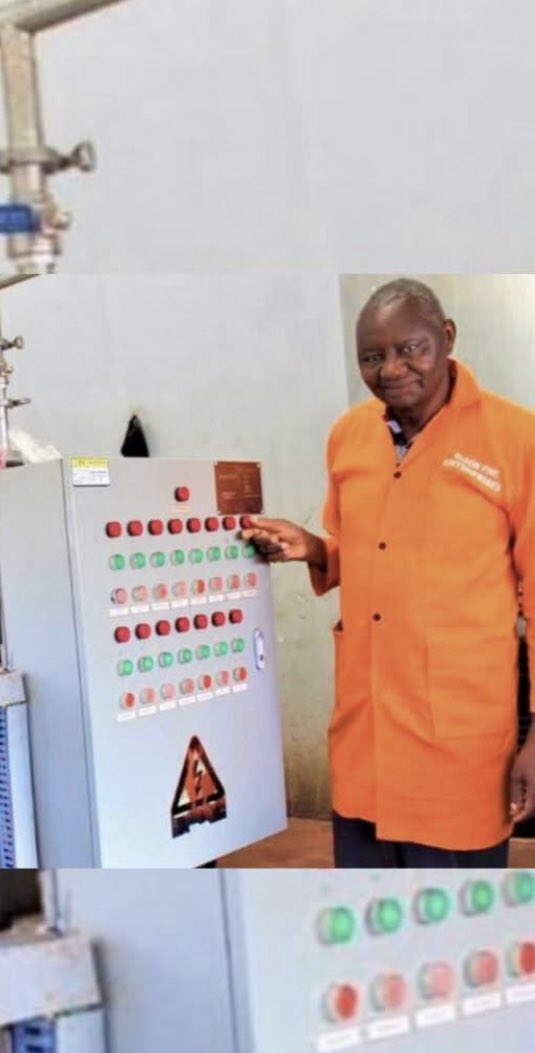
Paul Njuguna, a retired technical manager at the Agricultural Development Corporation, invested Ksh 16 million in 2019 to set up Elgon Pine, a refined oil and animal feed plant in Eldoret. At its peak, the plant processed 90 tonnes of canola, sunflower, and soya annually, with capacity for 300 tonnes. Njuguna contracted about 100 farmers who supplied raw materials, while he also farmed 10 acres himself.
The business also produced poultry feeds and soap from crop by-products.
The venture collapsed after Kenya Power slapped him with a Ksh 400,000 bill in August 2021, compared to his usual monthly bill of about Ksh 30,000. Njuguna disputed it as an error and filed a complaint, but Kenya Power claimed underbilling and refused to adjust. When he failed to pay, Kenya Power disconnected electricity to both his plant and home. Though EPRA ruled in his favour and ordered reconnection, the power was never restored, forcing him to shut down operations.
The shutdown affected the entire value chain - contracted farmers, suppliers, and employees - all of whom lost income. Njuguna now questions whether the disconnection was deliberate sabotage and why Kenya does little to protect small industrial ventures. His case has raised concerns about how utility billing errors and slow dispute resolution can destroy promising local businesses and the livelihoods tied to them.