Passionate about equity, rights and Public Health. Proud Father, UNAIDS Regional Director - Asia Pacific and Eastern Europe & Central Asia. Views my own
President Volodymyr Zelensky said Ukrainian society must be able to discuss LGBTQ+ issues openly, stressing that all Ukrainians have equal rights.
“All Ukrainians are equal. We have absolutely equal rights. We are modern people,” Zelensky said.
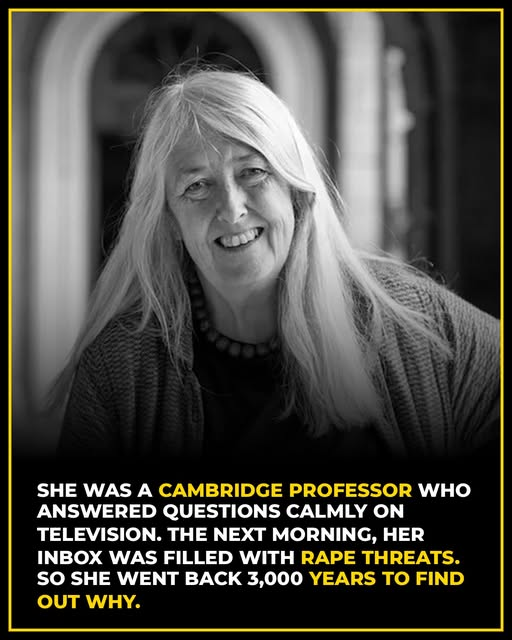
She was 57 years old.
White hair. No carefully managed image. No media training designed to make her more palatable. Just thirty years of accumulated knowledge and the calm, unhurried authority of a woman who had spent her life mastering her subject.
She sat on a BBC panel, answered questions about immigration and politics, cited evidence, made arguments — and then went home.
The next morning, her inbox looked like a crime scene.
Her name is Mary Beard — Cambridge professor, classicist, one of the most respected scholars of ancient Rome and Western civilisation alive. And the internet had decided that a woman speaking with quiet authority on television needed to be punished for it.
The messages were not criticism. They were not debate. They were rape threats. Death threats. Coordinated campaigns of personal destruction targeting her appearance, her age, her voice — anything that could be used to remind her that spaces like the one she had just occupied were not meant for her.
Most people would have gone quiet.
Mary Beard went further in.
She did what scholars do when they find a pattern that disturbs them: she followed it backward. Through decades. Through centuries. Through millennia. All the way back to some of the oldest texts in Western civilisation.
And she found it had always been there.
In Homer's Odyssey — one of the foundational works of Western literature, nearly three thousand years old — there is a scene that most readers pass over without registering its quiet violence. Penelope comes downstairs and asks the poet to sing a different song. Her own son, Telemachus, cuts her off. He orders her back to her room and tells her plainly: speech is the business of men.
She goes.
Mary Beard read that scene and recognized it immediately.
Not as ancient history. As a pattern.
In ancient Rome, women who dared to speak in public were not described as orators or thinkers. They were described as noise — disorderly sound, something that did not deserve to be called language or argument. Their voices were not speech. Their thoughts were not thoughts.
In the medieval world, women who claimed public authority were labeled as witches.
Elizabeth I — Queen of England, ruler of a nation — had to rhetorically reshape herself into something masculine just to be taken seriously as the leader of her own country.
The silencing of women who speak with authority was not invented by social media. It was not a modern pathology or a cultural accident. It was built deliberately, over centuries, into the very foundations of how Western civilisation defined who gets to speak, what authority sounds like, and who is allowed to take up space in public life.
Mary Beard had found something important.
In 2017, she published Women & Power: A Manifesto — short enough to read in an afternoon, substantial enough to reframe everything you thought you understood about why this keeps happening.
Her argument was precise and devastating.
The problem is not that women lack the ability to lead. The problem is that the model of leadership itself — the template for what public authority looks, sounds, and feels like — was built by men over centuries and has never been redesigned. When a woman enters public life and doesn't fit that template, she is not failing. The template was never built for her. It was built specifically to exclude her, and it has been doing exactly that, efficiently and continuously, for three thousand years.
The solution, Beard argued, is not to teach women to perform power the way men have always performed it. The solution is to dismantle and rebuild the very concept of what power is allowed to look like.
She kept teaching. She kept writing. She kept appearing on television — white-haired, unhurried, carrying her decades of authority without performing it, without packaging it for comfort, without apologizing for it.
The threats continued.
But other messages began arriving too. Letters from women and girls who had spent their entire lives feeling that every door was slightly too narrow, every table slightly too high, every room slightly reluctant to make space for them. Women who had spent years wondering what was wrong with them — why they couldn't quite fit, couldn't quite belong, couldn't quite be taken seriously no matter how much they knew or how hard they worked.
They read the book and understood, perhaps for the first time, that nothing had ever been wrong with them.
The room had been designed without them in mind.
That is not a personal failing.
That is a three-thousand-year-old architectural decision.
And one Cambridge professor with white hair and a calm voice — who refused to go quiet when the internet told her to — spent her career documenting it, naming it, and handing that knowledge to everyone who needed to hear it.
Telemachus told Penelope that speech was the business of men.
He was wrong then.
He is still wrong now.
And Mary Beard has three thousand years of evidence to prove it.
via The Inspireist
#FeministFriday #HERstory
Kudos to #Cambodia 🇰🇭- a @WHO Western Pacific Member State - on its remarkable achievements in tackling the decades-long scourge of #HIV/#AIDS.
This shows what is possible when multiple sectors come together to invest in health as a pillar of wider societal well-being.
From the Ministry of Health and other government partners to the @UNAIDS family including WHO, to key donors and to the most impacted communities themselves.
May Cambodia continue to sustain and build on this success - and may other countries in our region and around the world draw inspiration from it.
As we look to the @UN High-Level Meeting on HIV/AIDS later this month, at a time when progress on many fronts is stalling or even being reversed globally, Cambodia is sending the rest of Asia-Pacific and the world a strong message: Yes, we CAN #EndAIDS - together!
#UNITEDtoEndAIDS
@MohCambodia@MinistryofInfo1@Winnie_Byanyima@UNAIDS_AP@EamonnMurphy63@MariannaTrias@GlobalFund@dfat@japan@jica_direct@jica_direct_en@KhanaCambodia@UNCambodia@Vladanka_A@apcom@KhmerTimes
Cambodia 🇰🇭 is the first country in Asia and the Pacific to achieve the 95–95–95 HIV targets.
A milestone that shows ending AIDS is possible when we put people first.
UNAIDS is deeply saddened by the passing of Her Royal Highness Princess Bajrakitiyabha Narendiradebyavati of Thailand
A lawyer, diplomat & advocate for rights of women & people in prison, she worked throughout her public life to promote fairness, inclusion & equal opportunity
🇰🇭 #Cambodia is the first country in Asia & the Pacific to achieve the global #95_95_95 HIV targets.
In 2026, we also mark 30 years of Joint UN support to Cambodia’s HIV response - 3 decades of partnership with gov't, communities, civil society & people living with HIV.💙#EndAIDS
Missed the launch of the Joint Youth Statement ahead of the #2026HLMAIDS? Rewatch to hear from youth advocates, UNAIDS representatives, and civil society partners on the priorities young people want reflected in the 2026 Political Declaration.
▶️ https://t.co/vuuZjbRSYt
Historic milestone for Cambodia 🇰🇭
Cambodia is the first country in Asia and the Pacific to achieve the 95–95–95 HIV targets.
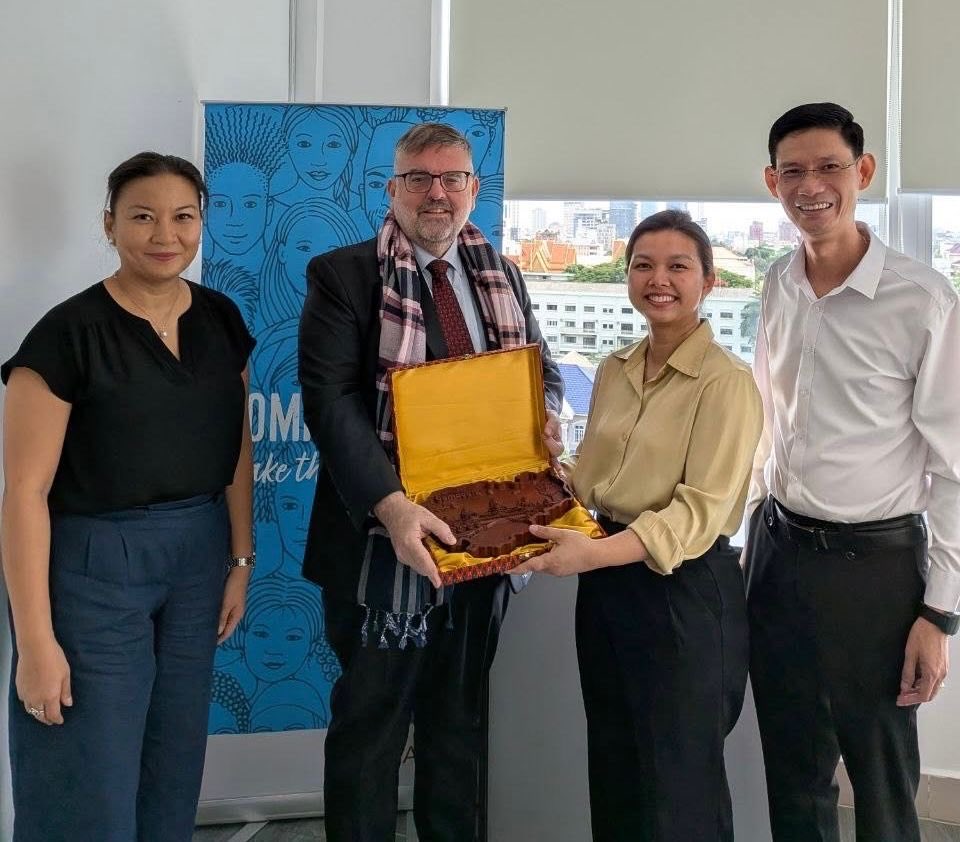
UNAIDS Regional Director Eamonn Murphy congratulated Prime Minister Hun Manet and called for sustained leadership to #EndAIDS.
ជួបជាមួយ លោក Eamonn Murphy នាយកប្រចាំតំបន់អាស៊ី-ប៉ាស៊ីហ្វិក, អឺរ៉ុបខាងកេីត, និងអាស៊ីកណ្តាល នៃអង្គការសហប្រជាជាតិប្រយុទ្ធនឹងជំងឺអេដស៍ (UNAIDS) ក្នុងជំនួបសម្តែងការគួរសម និងពិភាក្សាការងារ នៅវិមានសន្តិភាព។
រាជធានីភ្នំពេញ ព្រឹកថ្ងៃសុក្រ ទី១២ មិថុនា ២០២៦
Receiving a courtesy call and having a discussion with Mr. Eamonn Murphy, UNAIDS Regional Director for Asia Pacific, Eastern Europe, and Central Asia, at Peace Palace.
Phnom Penh, Friday morning, 12 June 2026
#ហ៊ុនម៉ាណែត #Hunmanet #កម្ពុជា #cambodia #សន្តិភាពនៅកម្ពុជា #Peaceincambodia
I just completed my first country mission to Viet Nam! And what a productive, illuminating, and fun visit. I had the opp to meet govt, community, and development partners. Great domestic investments have been made, yet work must push to close gaps in the pursuit of ending AIDS
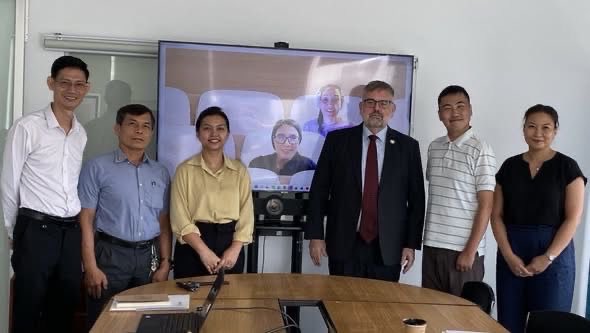
Grateful to our partners and friends from communities in Cambodia for such an open and honest discussion.
Your experience, insights and leadership continue to guide our efforts & remain at the heart of the HIV response. Moving together on our shared path towards #EndingAIDS.💪🤝♥️
HIV must remain high on the UN development agenda.
In Cambodia, 30 years of partnership of @UNCambodia, Government and civil society are delivering results. Good to meet @Vladanka_A and the UNCT. Now is the time to protect gains, sustain momentum and reach the 2030 goal. @ongpinp
📢 The Joint Youth Statement is here! 🌍 Developed by Y+ Global, @YouthRISE & @YouthLEADAP_ and endorsed by more than 50 youth-led/serving and civil society organisations, this statement outlines six key priorities for the #2026HLMAIDS📄 Read it 👉🏼https://t.co/uD5UUgw414
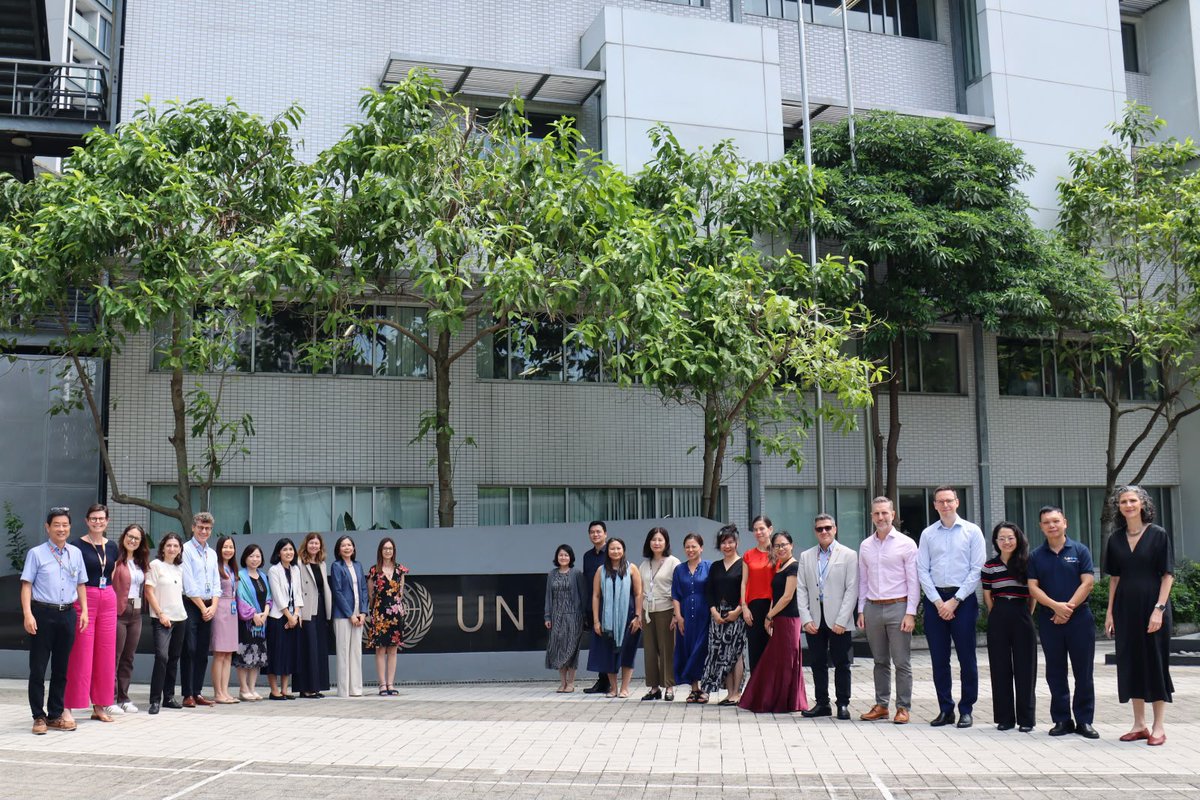
Ahead of #HLM2026AIDS my visit to 🇰🇭 begins with a meeting with the UNAIDS Multi Country office 🇰🇭🇱🇦🇲🇾🇻🇳, dedicated professionals delivering results.
Look forward to sharing an important announcement on Cambodia’s HIV response & discussing the way forward #endingAIDS with partners. @ongpinp
Yes! Ending AIDS is achievable.
✅ The science exists.
✅ The solutions exist.
Now the world must choose action.
#UnitedToEndAIDS
https://t.co/AyqYVYnzp3 #HLM2026AIDS
The HIV response is at a crossroads.
Hear our partners, including @iasociety, @HIVpxresearch, @IHRIOfficial & others, explain why the #HLM2026AIDS is a pivotal moment, and why the world cannot afford to wait until 2030 to act.
#UnitedToEndAIDS
https://t.co/hj9IZrqY1S
What will it take to #EndAIDS in Asia and the Pacific?
Integrated HIV, mental health and drug dependency services. Community-led responses. Stronger collaboration across health, justice and community sectors.
Hear from @DelphineSchantz from @UNODC_SEAP#HLM2026AIDS #UnitedToEndAIDS
@UNAIDS@EamonnMurphy63