After reading the Kyle Tucker piece by @Chandler_Rome on the @TheAthletic this morning, I was curious how much better Kyle Tucker has been since he started wearing batting gloves on June 13th. Without batting gloves, pretty good numbers. Since the switch, MVP type numbers.
We’ll miss you, “Muzz” ❤️
From all of us here at the Blackhawks, we extend our deepest condolences to Troy’s family and friends, our alumni and the many fans who loved him dearly
📰 https://t.co/uSli2fiTDw
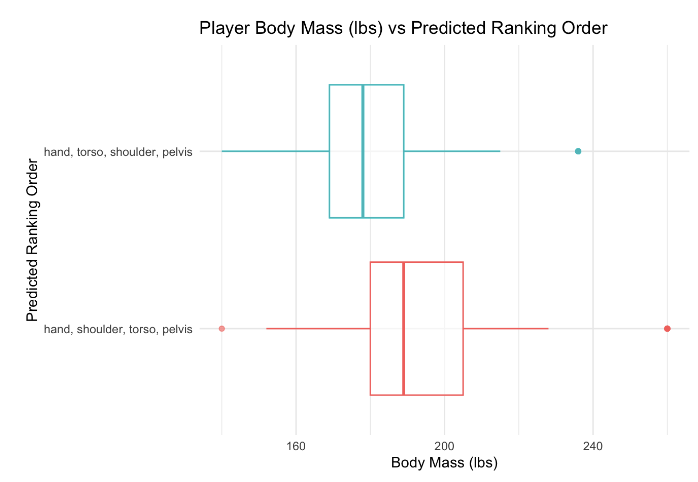
As apart of future work, exploring the 1.5x speed gain from pelvis to torso that Ryan discusses would provide insights on training pelvis angular velocity for hitters.
If you are interested in checking out my work, my paper is attached on my GitHub below!
https://t.co/HaTK8LOg2w
This semester, I used @DrivelineBB OpenBiomechanics data to predict change in velocity sequencing. Should we adapt how we think about pelvis angular velocity? Does segmenting the shoulder and torso create higher bat speeds or is it a by-product of strength? 1/2⬇️
“The lowest correlation to exit velocity was pelvis speed…so what are we practicing the pelvis for”
Listen to Ryan MacMillian talk about his a-ha moment, end of chain thoughts, and he goes even deeper on k-vest data for the nerds from #BTG22 🗣️🤯
#the108way
For teams out of the race, the 6-man rotation gives veteran players more time to recover after starts, and younger players more opportunities. Moving forward, I am curious if the pitch clock leads to more strain per start? If so, the 6-man rotation may help with bouncing back 8/8
Should more MLB teams consider using 6-man rotations? Throughout the course of the season, especially towards the end, teams may experiment with a 6-man rotation. However, it may be beneficial for some teams to use it throughout the season. 1/8
If the strength of the organization is starting pitching, but the bullpen may be worse than league average, is it worth adding the sixth starter and pushing the starters deeper into games? It could be worth trying for some teams. 7/8