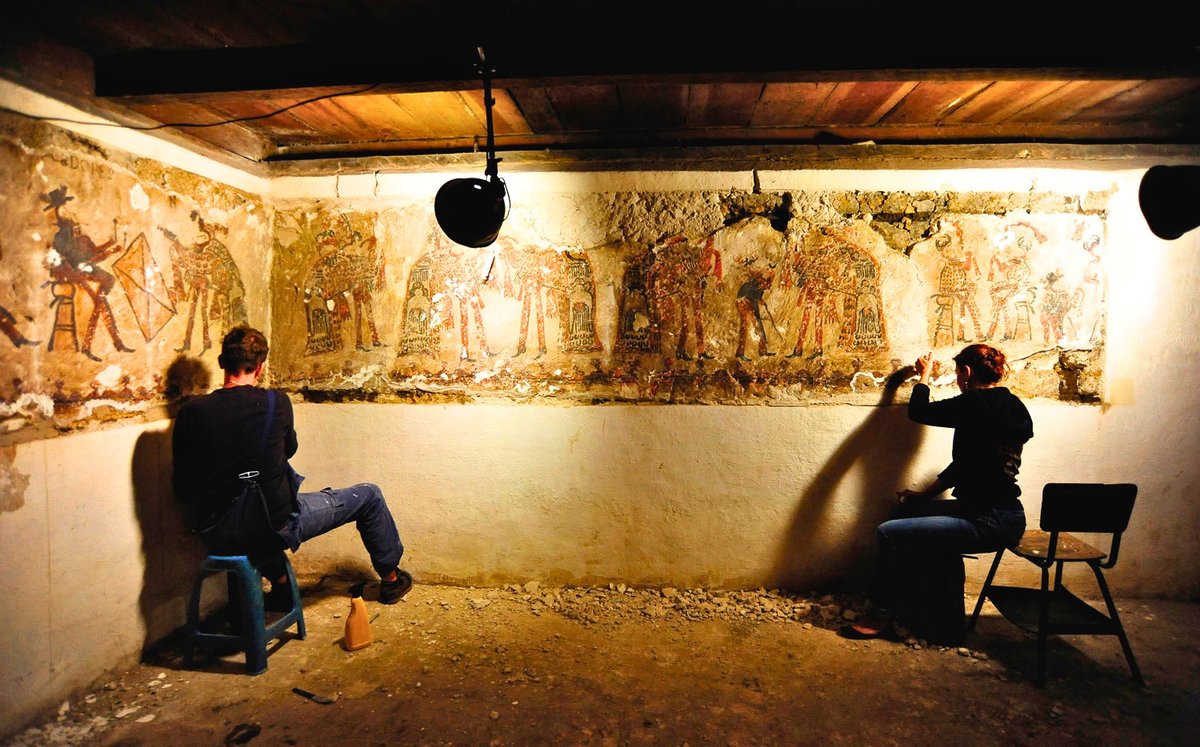
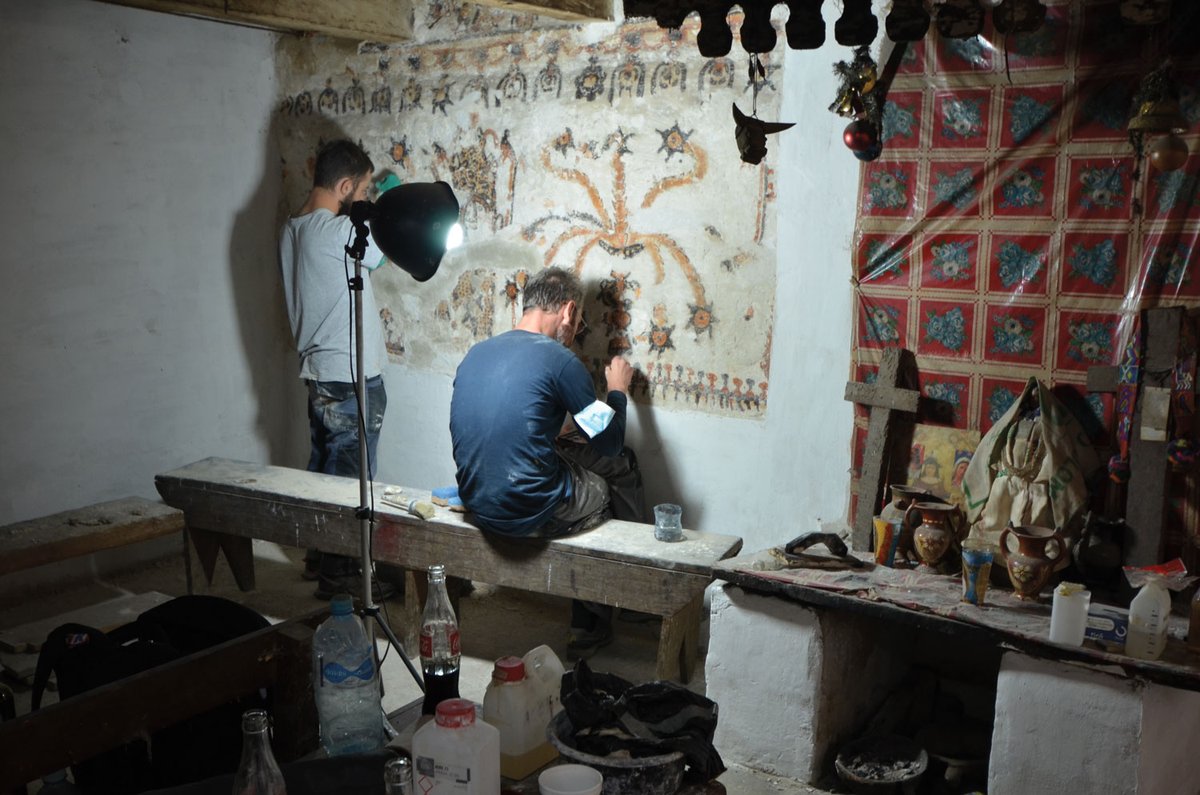
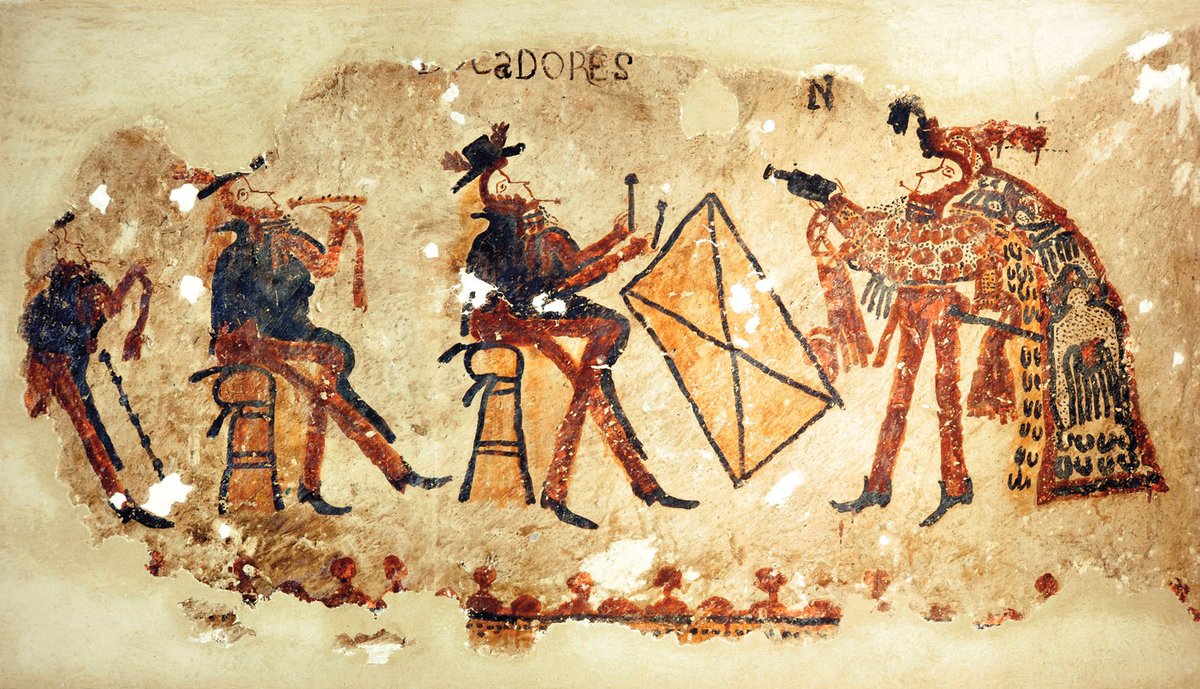
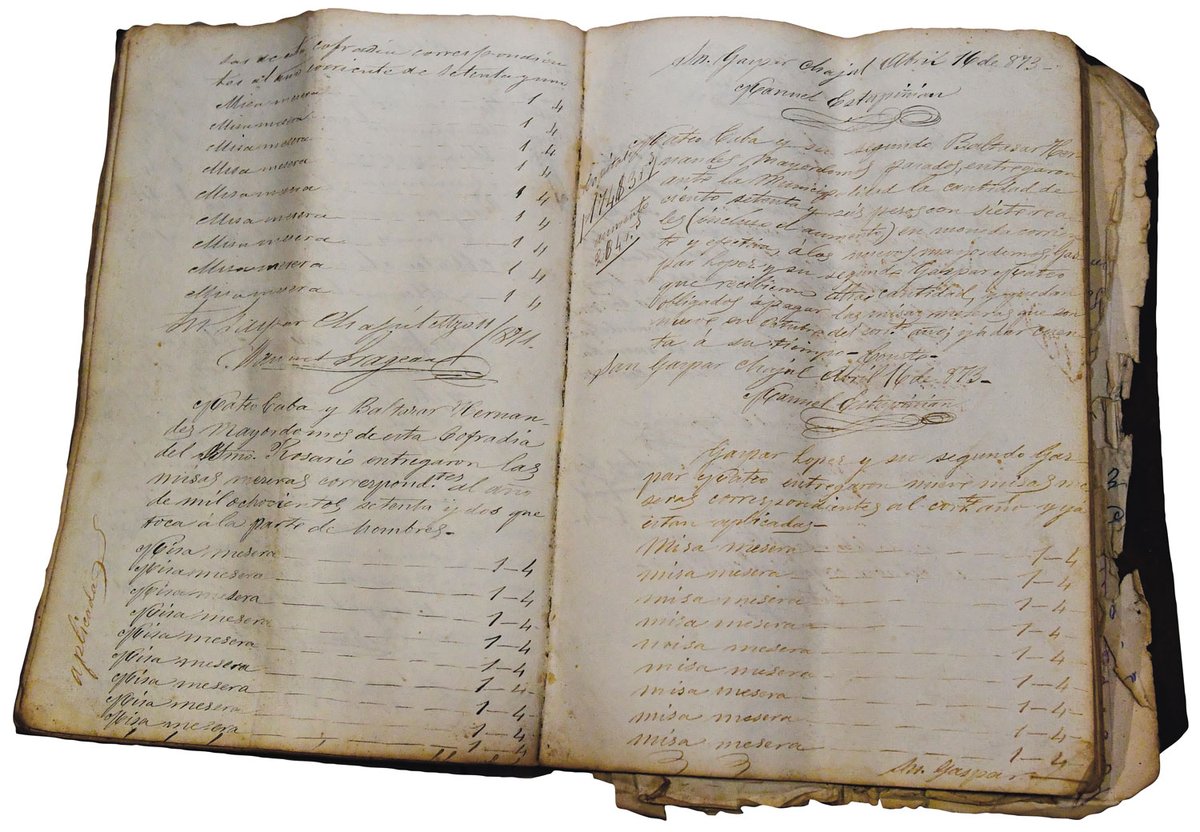
On a once-lost mural in a Guatemalan farmer’s home, a dancer wears Spanish-style trousers and shoes, but also accoutrements of the Ixil Maya. As archaeologists uncover the murals, the story of a fraught but creatively rich postcolonial moment is emerging.
https://t.co/LAaLOGDUNG
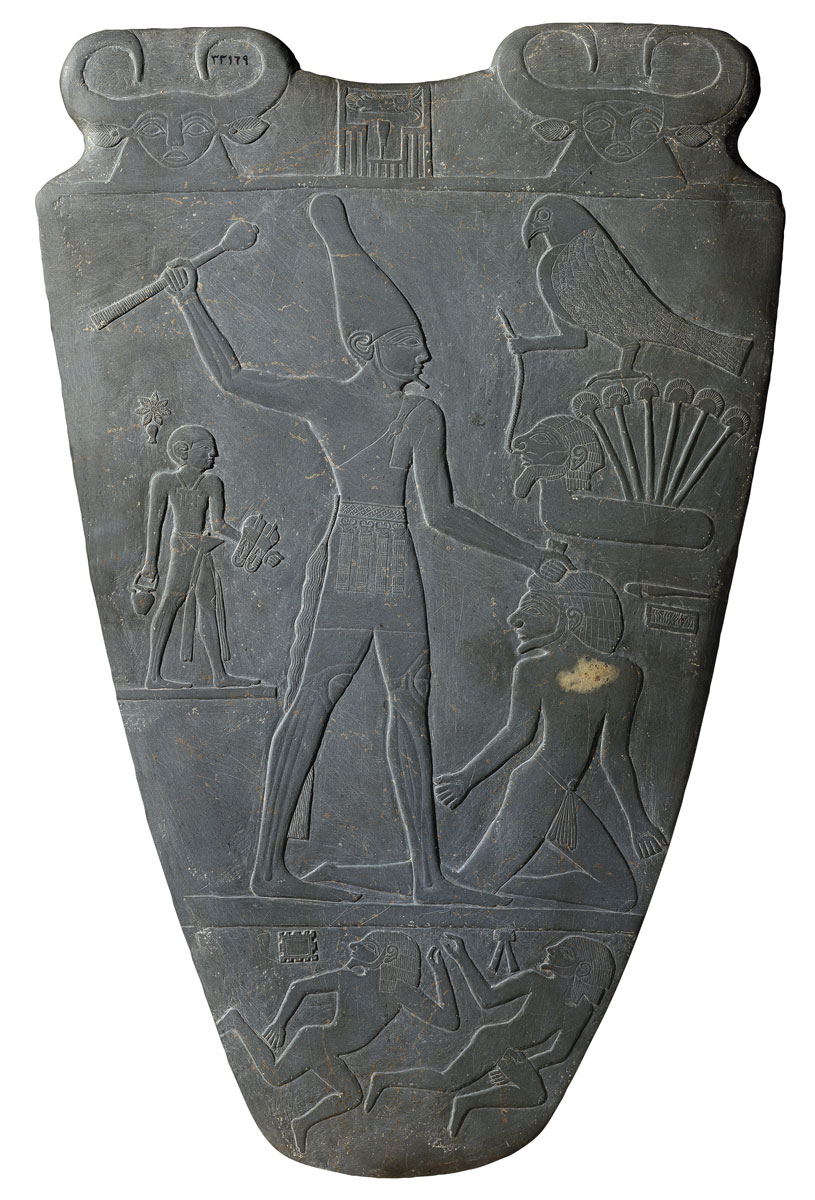
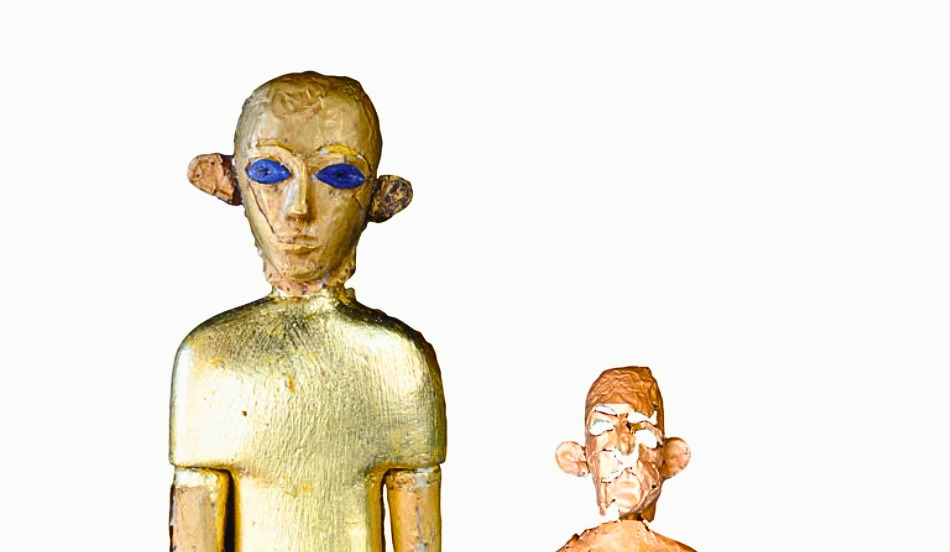
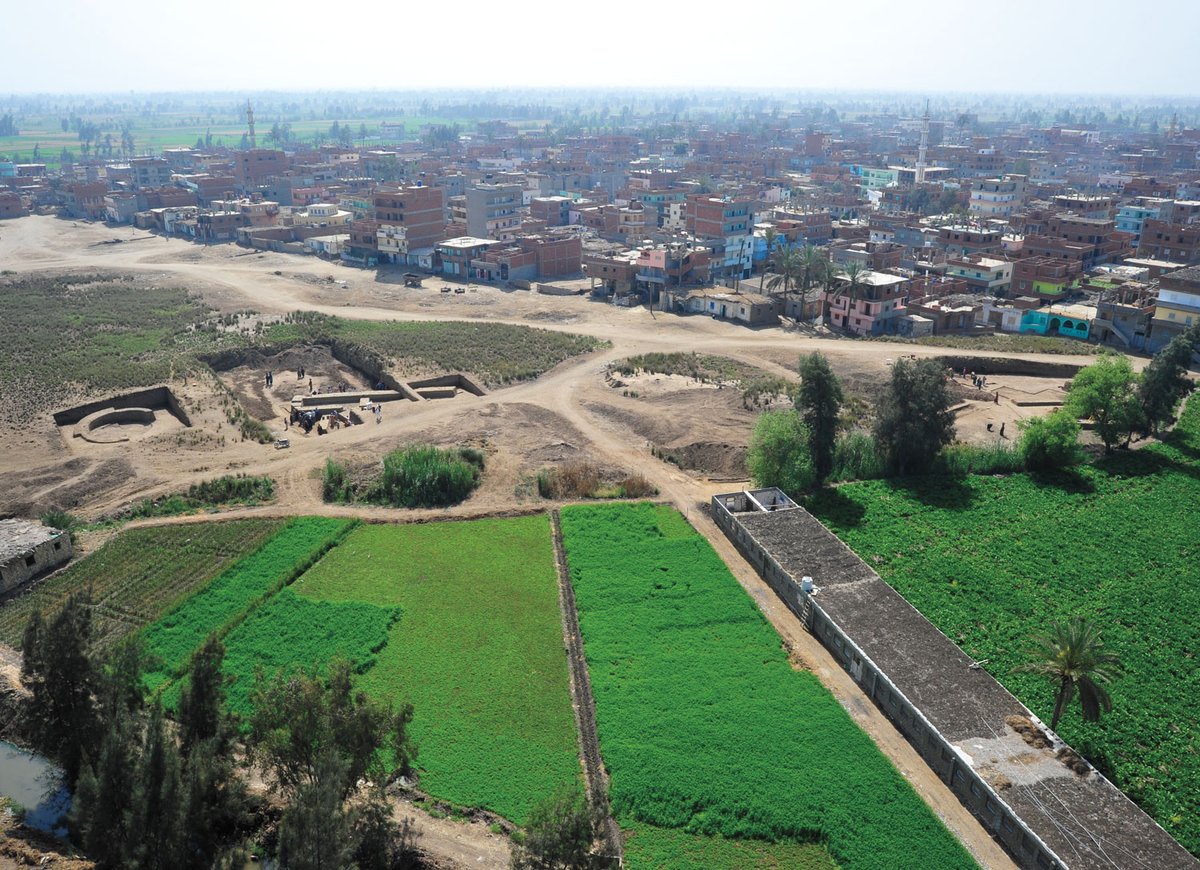
What was Egypt like before the pharaohs and pyramids? Archaeologists at the 6,000-year-old site of Tell el-Farkha in the Nile Delta are finding hints of the grandeur that would come—and some incredible artifacts with few parallels at all.
https://t.co/IlwNpRyN72
One Roman soldier headed home to sunny Spain after a tour of duty at Hadrian’s Wall, but he had fond enough memories of his time on the cold, damp frontier that he had a keepsake of his time in Britain made ...
https://t.co/MjWh6bTynA
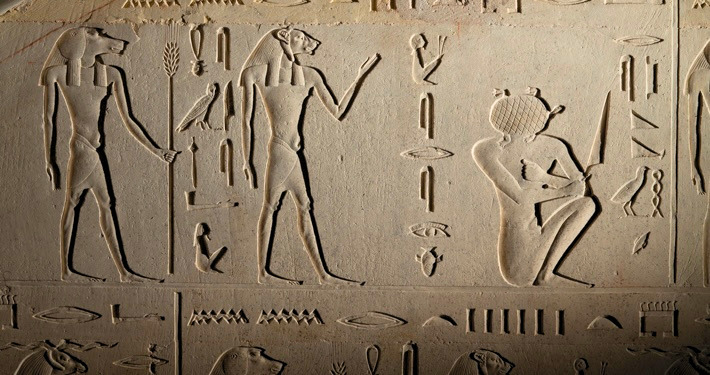
As one ancient Egyptian general traveled to the underworld, he passed through six gates, each guarded by three demons. Among the gatekeepers: a baboon demon, a lion figure, and a turtle-headed demon named “eater of his own excrement.”
https://t.co/T2CJR4H3gc
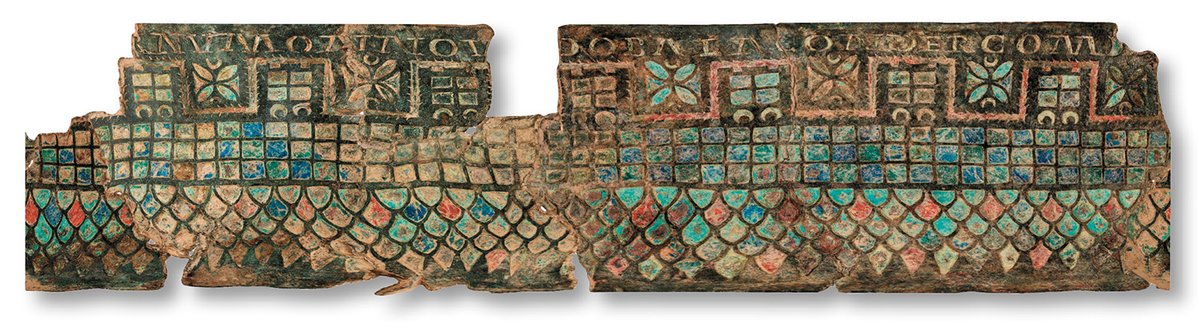
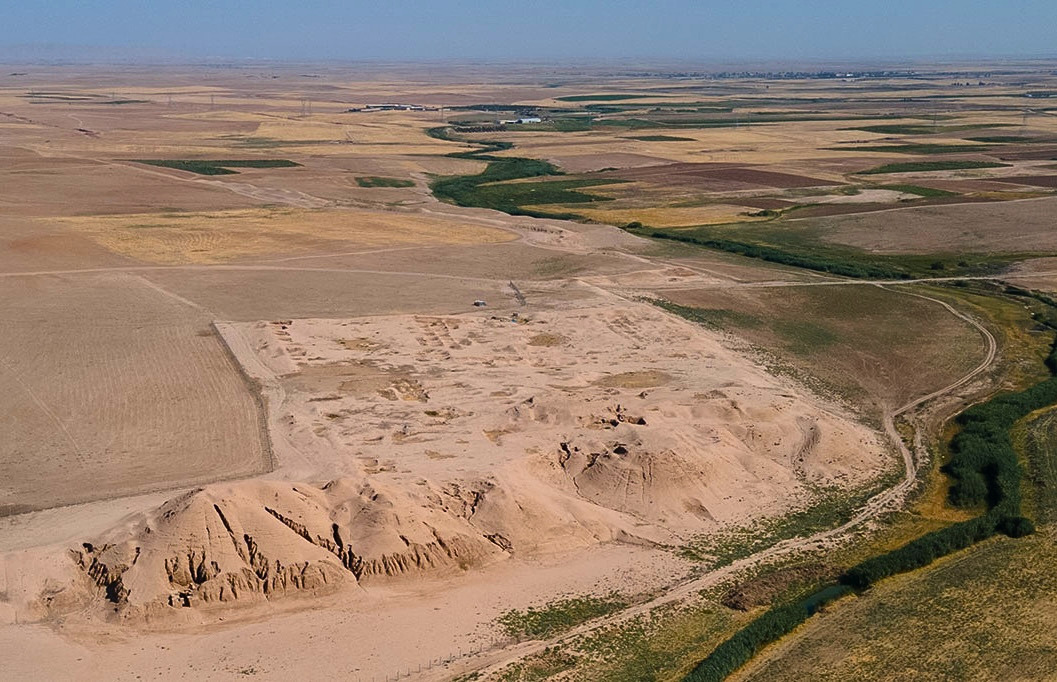
The area surrounding the acropolis mound of Nimrud, an Assyrian capital, was home to most of the ancient city’s population. What was life like there, starting in the third millennium B.C.? Archaeologists have begun to learn more by making lots of maps …
https://t.co/BqtDc15LGT
Tennis has been a little wild since the sixteenth-century tennis craze in France. Archaeologists recently dug up the grounds of Versailles and found King Louis XIII’s tennis court. Read the stories of gambling, trick shots, women's champs, and more!
https://t.co/Cyt7uJ53Sd
The AIA joined a national coalition of more than 700 organizations representing 7 million Americans to call on Congress to reject efforts to weaken or dismantle Section 106.
Read the full letter here: https://t.co/8oizZul3NL
#Section106#HistoricPreservation#Archaeology
Potentates in the medieval Abbasid Caliphate exchanged gifts such as a racehorses, maids of honor, and the skin of a snake large enough to swallow an elephant. Rare white gyrfalcons were particularly prized. But where could they have come from?
https://t.co/418EuUXnJu
The MacDermots ruled a medieval Irish kingdom from an island in Lough Key. King Brian MacDermot commissioned one of the era's most important histories. Yet little was known of his own stronghold. Now, archaeologists have gone out to get the full story.
https://t.co/rXpB7SykIq
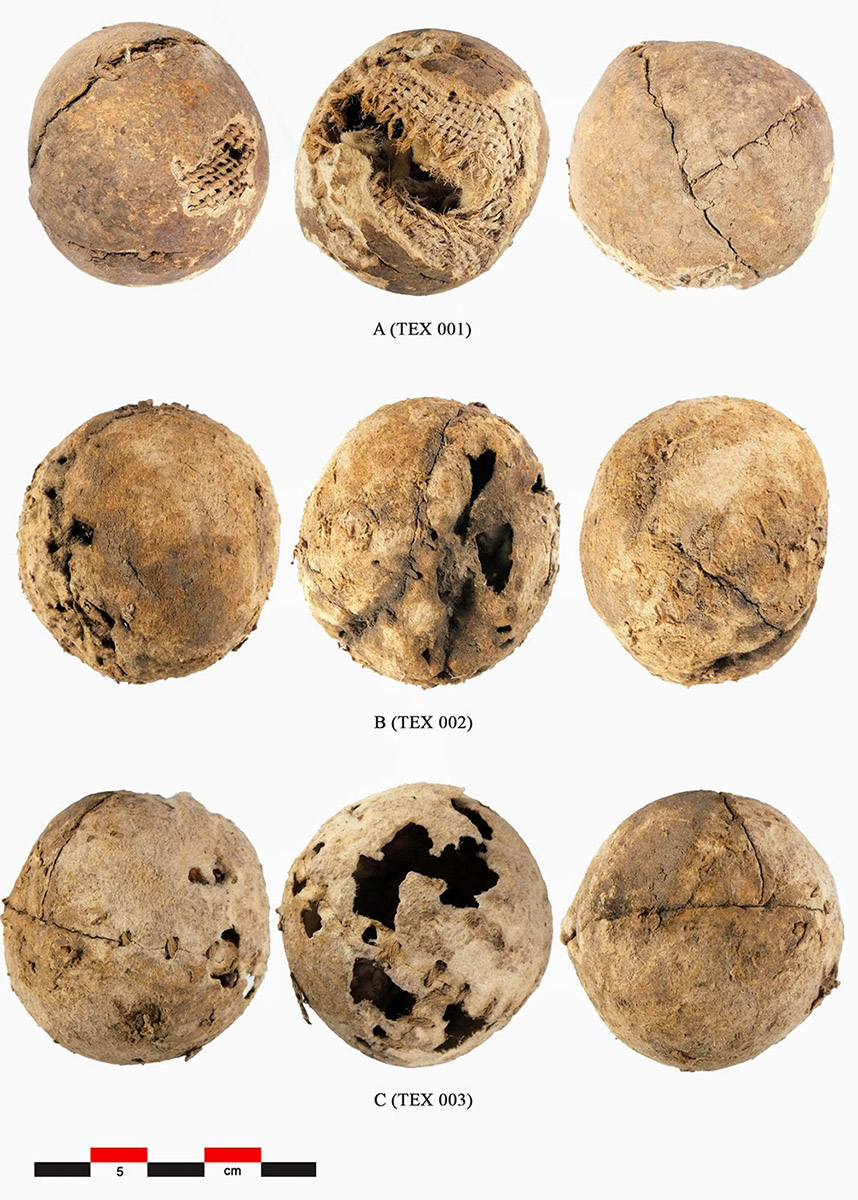
Trossingen, Germany, is home to the company Hohner, which made a guitar favored by Prince. A medieval prince buried there apparently enjoyed riffing on a stringed instrument too, 1,500 years earlier: Archaeologists found him cradling a well-loved lyre.
https://t.co/4xQES0JQEX
Archaeologists are excavating the baths at a 1,700-year-old sanctuary of Apollo in western Turkey. One lays out the scene at the entrance: “This is where people entering the bathhouse first undressed, prepared themselves, applied oil, and chatted.”
https://t.co/v9eL1bpuuM
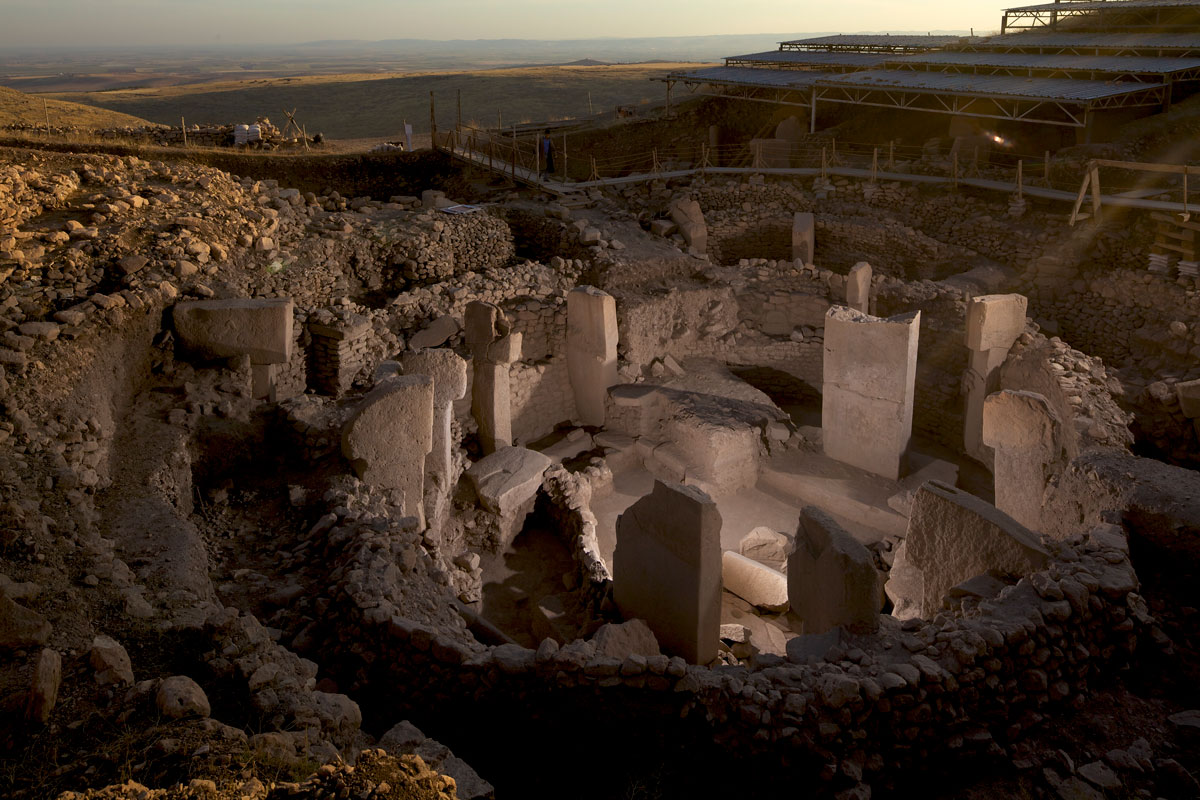
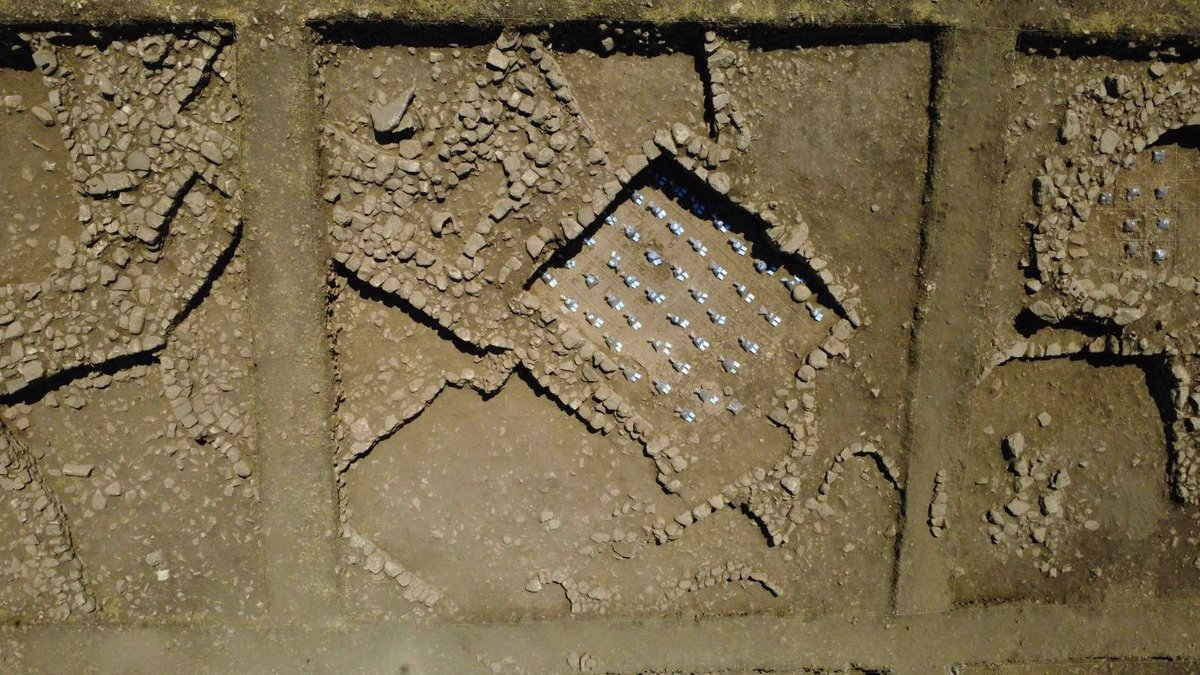
Was Göbekli Tepe, the famed 11,000-year-old ritual site in Turkey, solely a place of worship for hunter-gatherers? Exciting new research suggests: No. Archaeologists have found several large buildings—and they may have been used as residences.
https://t.co/L5U9eH2n9S
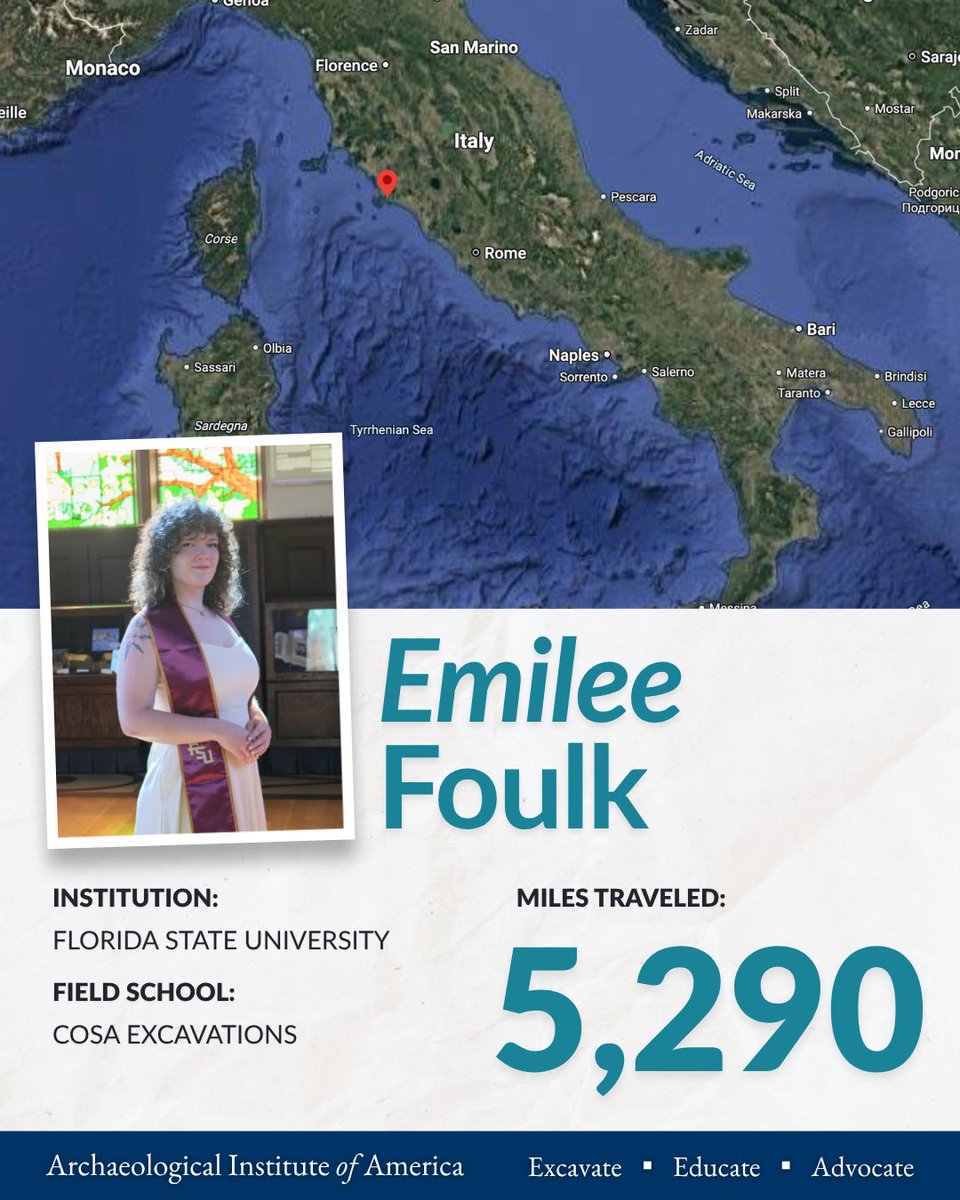
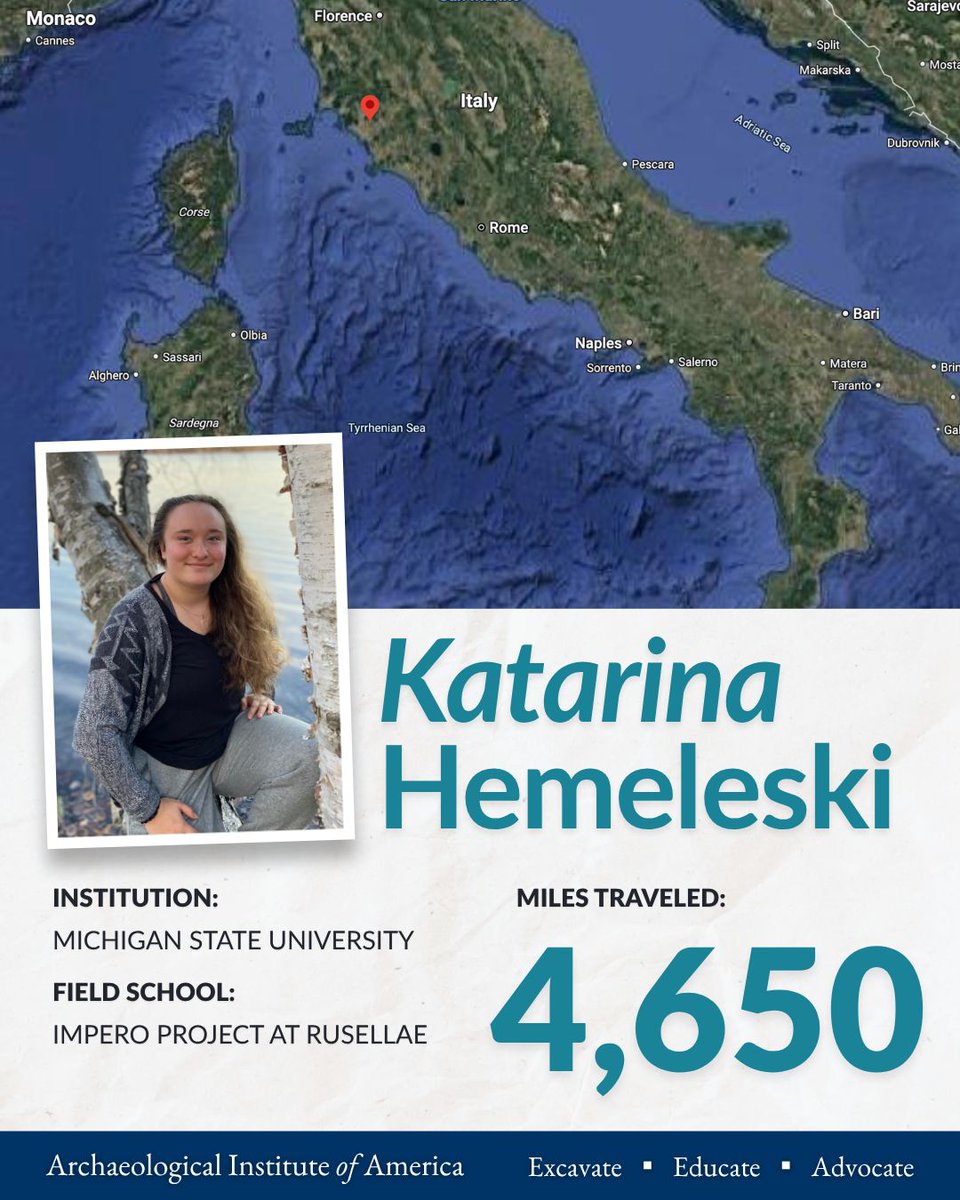
🌍🏺 Not just one, but five Waldbaum Scholars traveled to Italy this summer to participate in their first archaeological field schools! Together, they traveled a combined 26,000 miles to take part in projects across the country.
#Archaeology#FieldSchool#Scholarships#AIA
For decades #Section106 has given state and local governments, Tribal Nations, and the public a voice when federal projects could affect historic and cultural places. Proposed revisions could weaken these protections.
What you need to know: https://t.co/XK1D7ySvZc
Kunnam, the Elamite military commander and governor of Shubat-Enlil (modern-day Tell Leilan, northeastern Syria), is a true legend. Drunk one night, he boasted to his drinking buddy about his spies in Mari – unaware that his companion was a Mariote spy on him (see ARM 26/2 311).
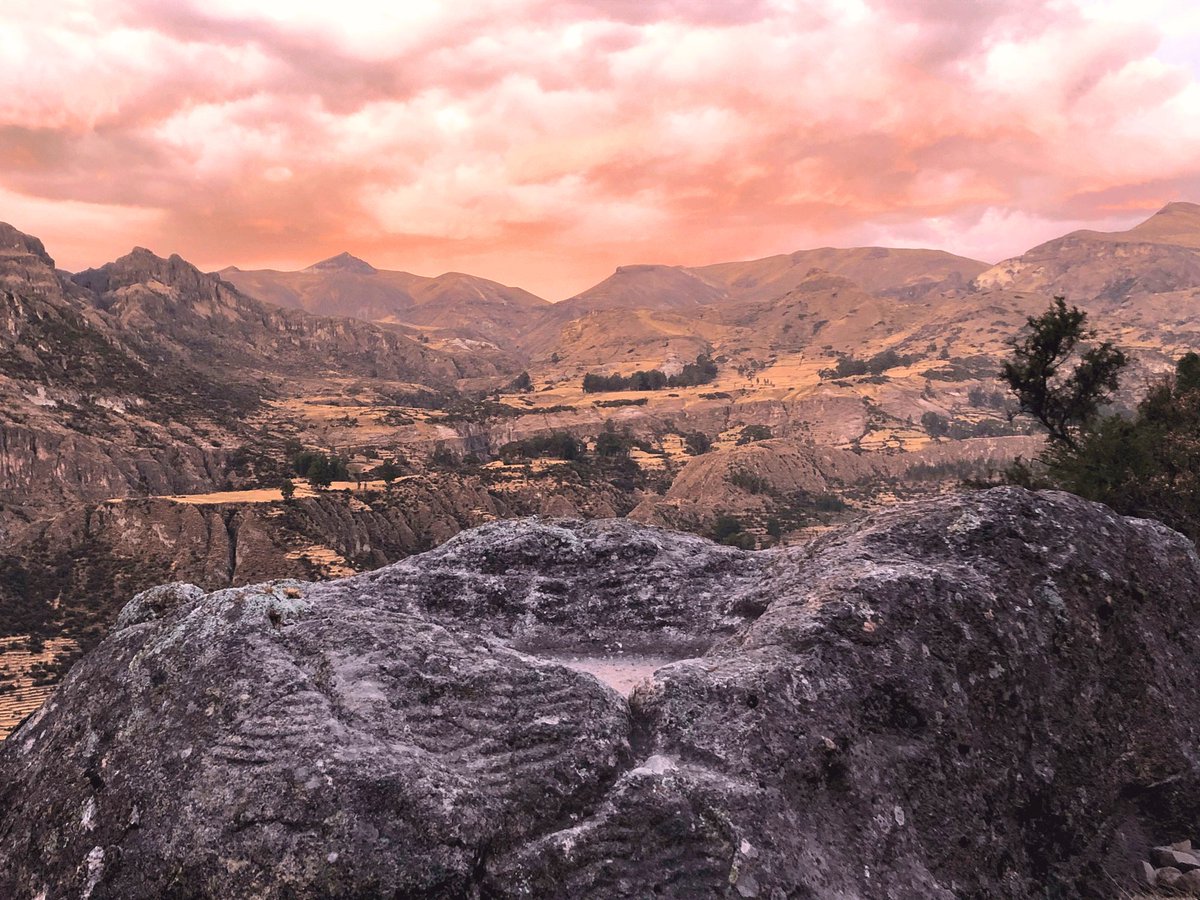
In a cold, dry period more than 500 years ago, Andean farmers ingeniously terraced their harsh terrain to grow maize and other crops. More curiously, they carved three-dimensional maps in stone of their landscape. Archaeologists are now learning why!
https://t.co/gHIIDw6sLl
@4gottnHistory Tom Dillehay was awarded the Society of American Archaeology’s Award for Excellence in Latin American and Caribbean Archaeology, one of the field’s biggest honors.
https://t.co/7TmDctCI3G
Only a few weeks remain to join the #DigThis Photo Challenge! 📸
Five winners will receive a one-year AIA Supporting Membership (or Student Membership, if applicable), a $61 value.
Visit https://t.co/sYauJpGaSu for more information on how to participate!