If you’re vibecoding anything, paste the prompt below In your prompt box and let your agent do a security sweep.
[
You are a senior security engineer and red-team specialist tasked with performing a comprehensive, adversarial security audit of the following codebase, system design, or application.
Your goal is to identify all possible security vulnerabilities, including common, uncommon, and novel attack vectors. Assume the system will be deployed in a hostile environment with motivated attackers.
---
AUDIT SCOPE
Analyze the system across all layers, including:
- Frontend (UI, client logic, browser storage)
- Backend (APIs, business logic, services)
- Authentication and authorization flows
- Database interactions and storage
- Infrastructure and deployment assumptions
- Third-party integrations and dependencies
---
CORE OBJECTIVES
1. Identify critical, high, medium, and low severity vulnerabilities
2. Detect logic flaws, not just known patterns
3. Surface chained attack paths (multi-step exploits)
4. Highlight unknown or unconventional weaknesses
5. Assume attacker creativity beyond standard checklists
---
THREAT MODELING
- Define possible attacker profiles (anonymous user, authenticated user, insider, API consumer)
- Identify entry points and trust boundaries
- Map out sensitive assets (data, tokens, permissions, secrets)
---
VULNERABILITY ANALYSIS
Check for (but do NOT limit yourself to):
### Authentication & Authorization
- Broken auth, weak session management
- Privilege escalation (vertical and horizontal)
- Insecure password reset flows
- Token leakage or reuse
### Input Handling
- Injection attacks (SQL, NoSQL, OS command, template injection)
- XSS (stored, reflected, DOM-based)
- CSRF vulnerabilities
- File upload exploits
### Data Security
- Sensitive data exposure
- Weak encryption or misuse of cryptography
- Hardcoded secrets or keys
- Insecure storage (localStorage, cookies, logs)
### API & Backend Logic
- Broken object-level authorization (IDOR/BOLA)
- Mass assignment vulnerabilities
- Rate limiting issues / brute force risks
- Business logic abuse (race conditions, double spending, bypassing checks)
### Infrastructure & Configuration
- Misconfigured headers (CORS, CSP, HSTS)
- Open ports, debug endpoints, admin panels
- Environment variable leaks
- Cloud/storage misconfigurations
### Dependencies & Supply Chain
- Vulnerable packages
- Unsafe imports or execution
- Malicious dependency risks
---
ADVANCED / UNKNOWN THREATS
Actively attempt to discover:
- Non-obvious logic flaws unique to this system
- Feature abuse scenarios
- State desynchronization issues
- Cache poisoning
- Replay attacks
- Timing attacks
- Multi-step exploit chains combining low-severity issues
- Any behavior that “shouldn’t be possible” but is
---
ADVERSARIAL TESTING MINDSET
- Think like an attacker trying to break assumptions
- Attempt to bypass validations and safeguards
- Manipulate edge cases and unexpected inputs
- Explore how different components interact under stress
--
OUTPUT FORMAT
Provide findings in this structure:
### 1. Vulnerability Summary
- Total issues by severity
### 2. Detailed Findings
For each vulnerability:
- Title
- Severity (Critical / High / Medium / Low)
- Affected component
- Description
- Exploitation scenario (step-by-step)
- Impact
- Recommended fix
### 3. Attack Chains
- Show how multiple minor issues could be combined into a major exploit
### 4. Secure Design Recommendations
- Architectural improvements
- Safer patterns and best practices
---
IMPORTANT INSTRUCTIONS
- Do NOT assume the code is safe
- Do NOT skip analysis due to missing context, infer risks where needed
- Be exhaustive and paranoid in your review
- If unsure, flag it as a potential risk and explain why
]
The Head of Claude Code at Anthropic said he hasn’t written code by hand in months.
In 2 days he shipped 49 full features. All written 100% by AI.
He just dropped a 30 min talk on exactly how he does it.
Worth more than any $500 vibe coding course. Bookmark it:
Number 4 is the one most founders skip and it's the one that causes the most costly rebuilds
Save this and share it with a founder who's about to start building 👇
5 questions to answer before you spend a single dollar on software development
Save this and share with a founder who is about to start building.
👇🏾
#building#web#mobile#product
AI won't replace devs. Devs using AI will replace those who don't.
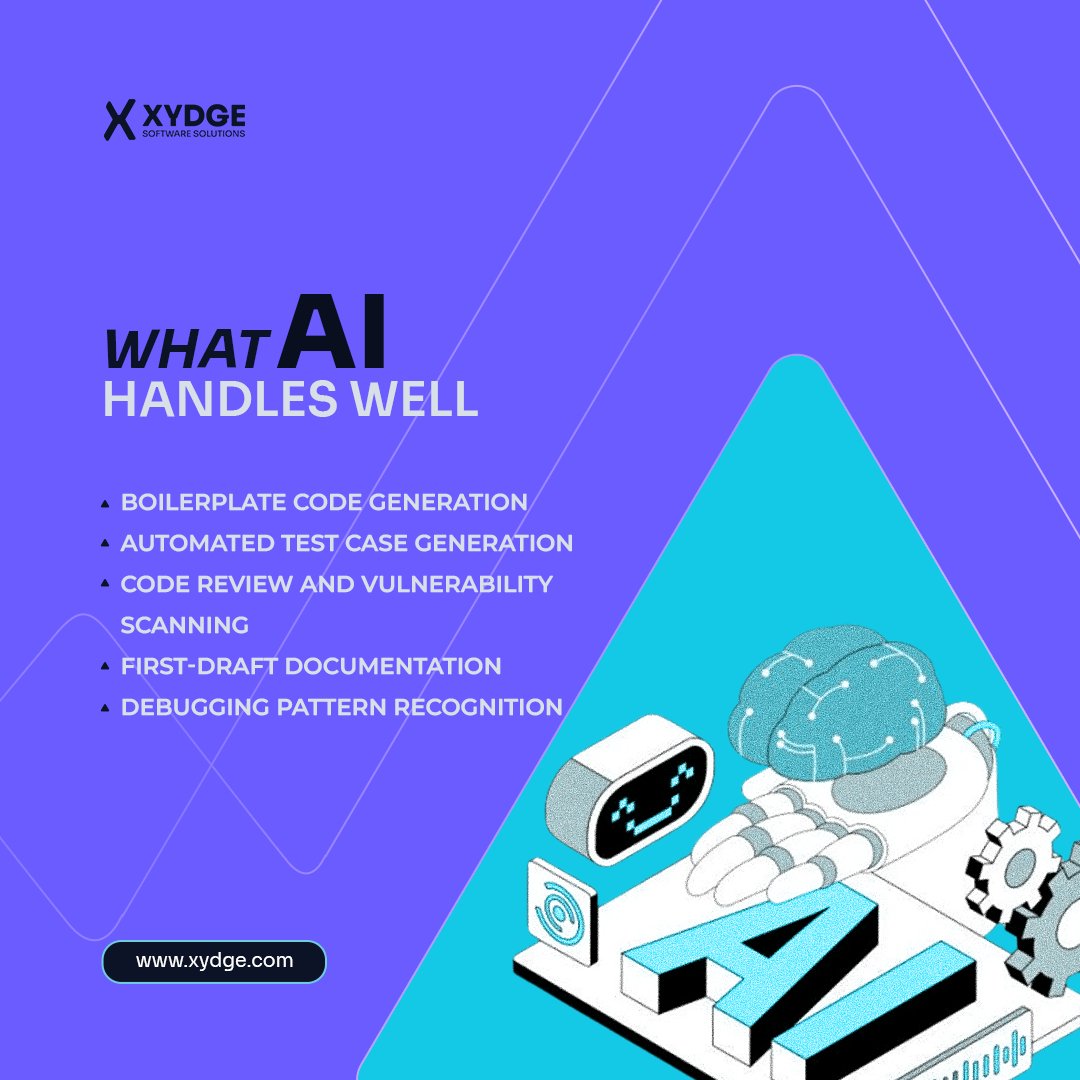
What AI does → speed, boilerplate, testing, docs
What humans own → architecture, judgment, product instinct
At Xydge, AI is in every build. Not optional.
Is your team there yet? 👇
#building#web#mobile
Most dev agencies quote the work. The best ones question it.
Before building anything, ask:
📍 Who is this really for?
📍 What behaviour changes?
📍 What's the real MVP?
📍 What does success look like at 6 months?
#building#web#mobile#HiringNow
Companies that only do client work may lose their product instincts.
The best #software partners also build their own things.
They ask harder questions. They think upstream. They care about outcomes.
@Xydge was built this way: client solutions + internal #product lab
#web
Happy New Month or Happy April Fools?
Funny thing — some of the biggest “jokes” in tech became billion-dollar companies.
Apple. Gmail.
What people doubt today often becomes what they rely on tomorrow.
If you’re #building something real, we can help you build it right.
Day 3.
I’ll follow another 100 people today, and you don’t even have to be following me. 🤝
Just RT this post and tag someone that’s in another African country that’s not Nigeria, I’ll follow the both of you.
Deal 🤝🤝 ❤️
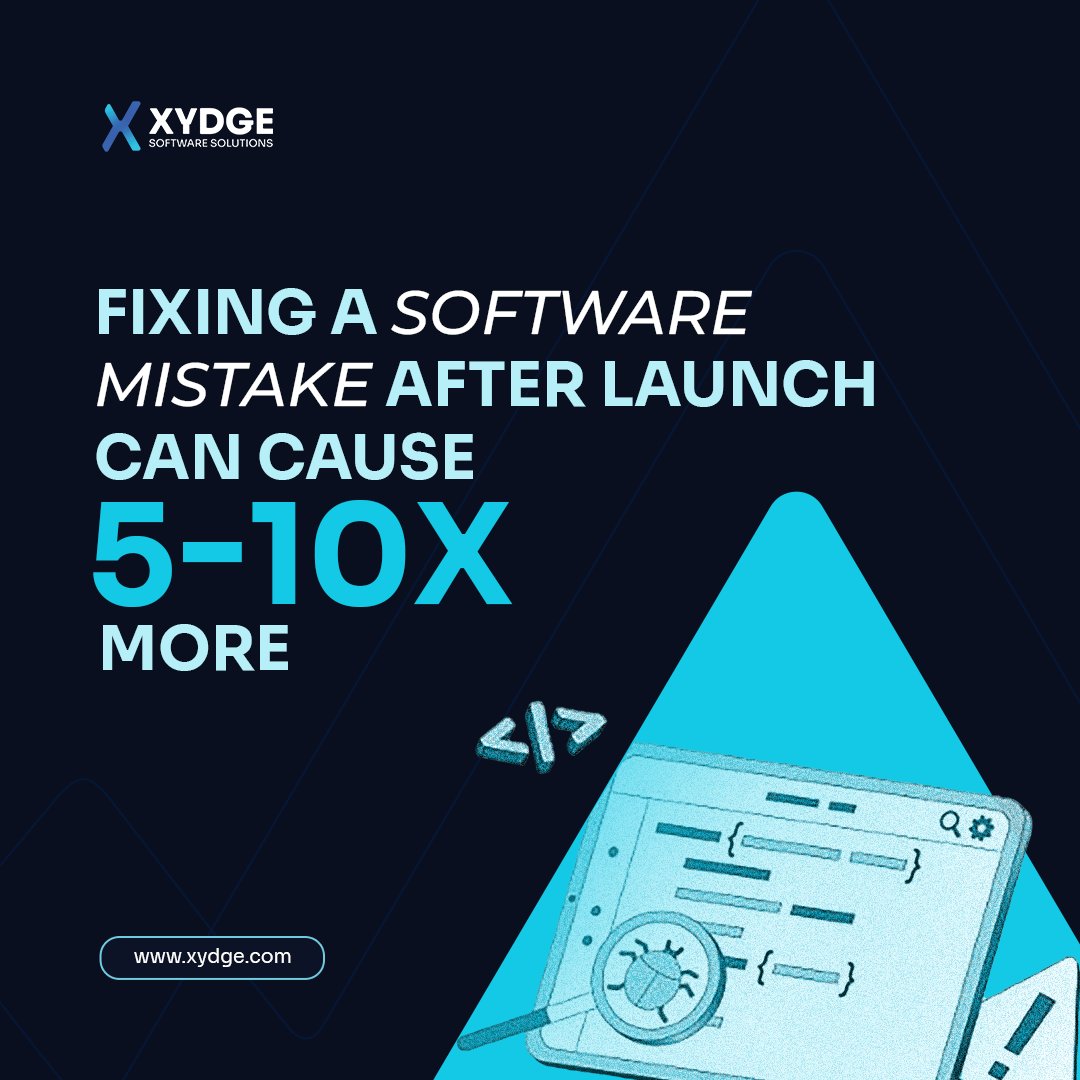
Studies show that fixing issues after launch costs up to 10 times more than addressing them early
That’s why:
– proper planning
– thoughtful architecture
– and good product decisions
are not optional
Building right early saves #time, #money, and #trust
https://t.co/A5G0bwUv06
Good products aren’t built by accident.
They come from:
– understanding the problem
– designing for real users
– building with scale in mind
At Xydge, product thinking comes before development.
Contact: [email protected] to get started.
#WebsiteDesign#HiringNow
1. Most software projects fail before a line of code is written.
5 agency mistakes that kill products:
→ Cheapest quote wins
→ No product thinking
→ Tech debt ignored