What does “systematized review” mean in practice?
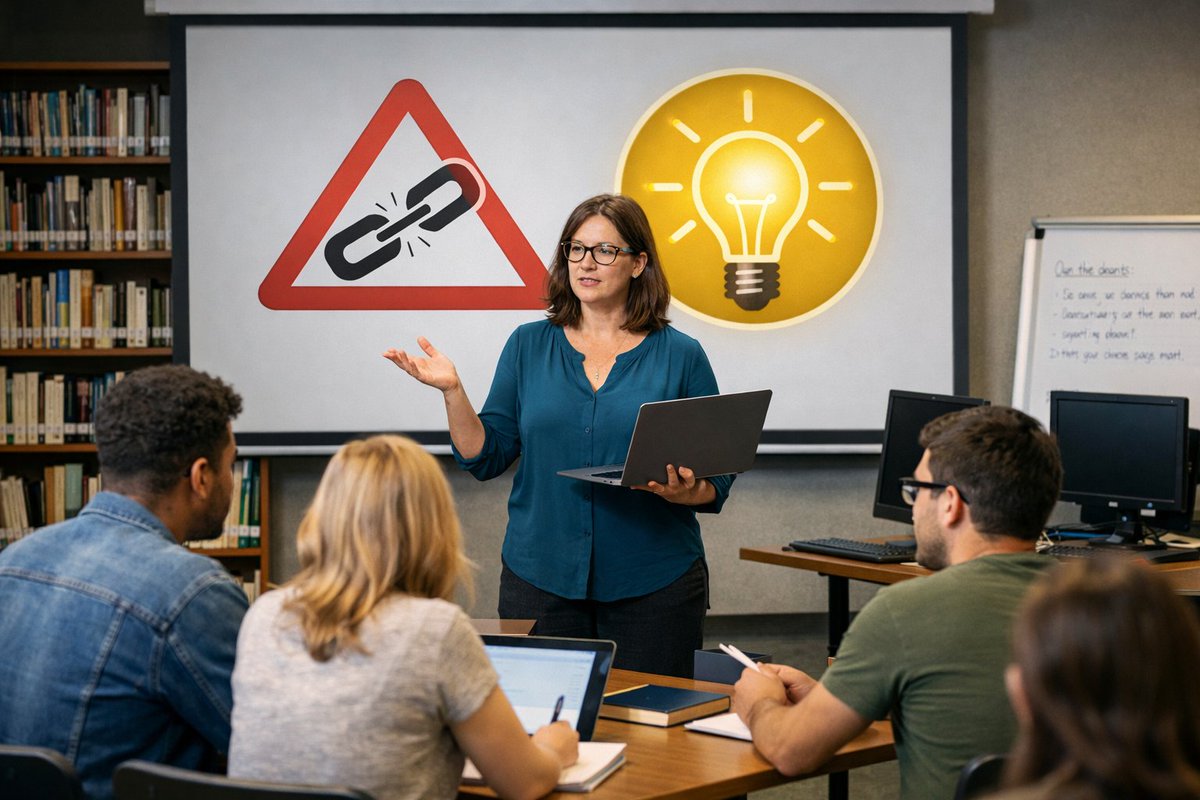
A scoping review (2013–2023) found wide variation in methods, limited transparency, and few clear justifications for using this review type.
https://t.co/XoFhvo2Cg1
#EBLIP#EvidenceSynthesis
Pragmatic human-centered design in action: usability + tone testing improved a dementia toolkit for both professional & informal caregivers.
Key issue? Jargon creates barriers.
Key solution? Iterative, low-cost UX methods.
https://t.co/qjC0hYJ9y4
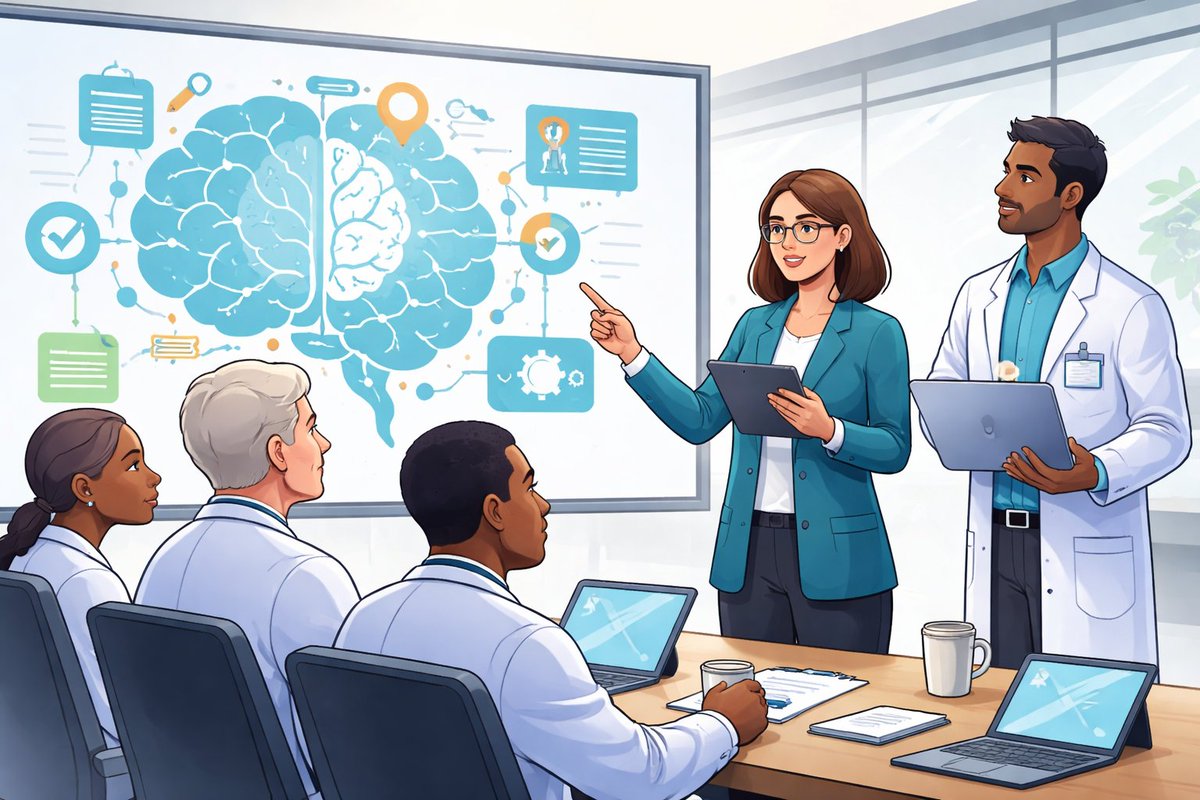
Canadian health sciences librarians are helping shape physician CPD—with AI emerging as a future teaching area.
Librarians are increasingly vital to lifelong clinical learning.
https://t.co/HE6T9qbjpD
#MedLib#MedicalEducation#HealthLibraries
Call for Applications: Associate Editor (Research Articles) — Evidence Based Library and Information Practice
An opportunity to contribute to scholarly publishing and support research in LIS.
Learn more and apply: https://t.co/GipanieSiY
What happens when librarians identify a gap—and build the solution?
The Evidence Synthesis Institute shows how targeted training + community can scale impact:
• 500+ trained through cohorts
• 750+ online learners
• Measurable skill growth
https://t.co/JWcZOg5mbw
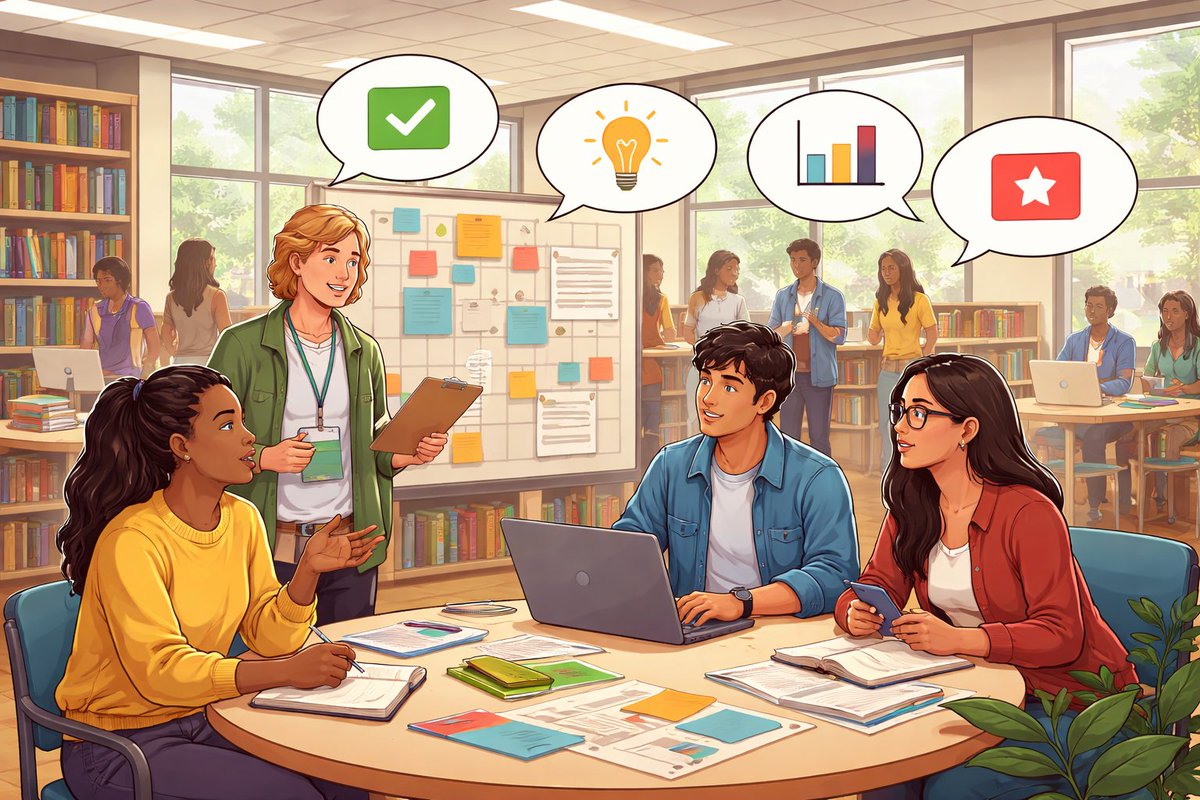
Student voices are shaping Canadian academic libraries.
New research shows engagement—through feedback, student work, and teaching—drives better decisions, stronger relevance, and progress on EDIA goals.
https://t.co/gE9BlKyFvC
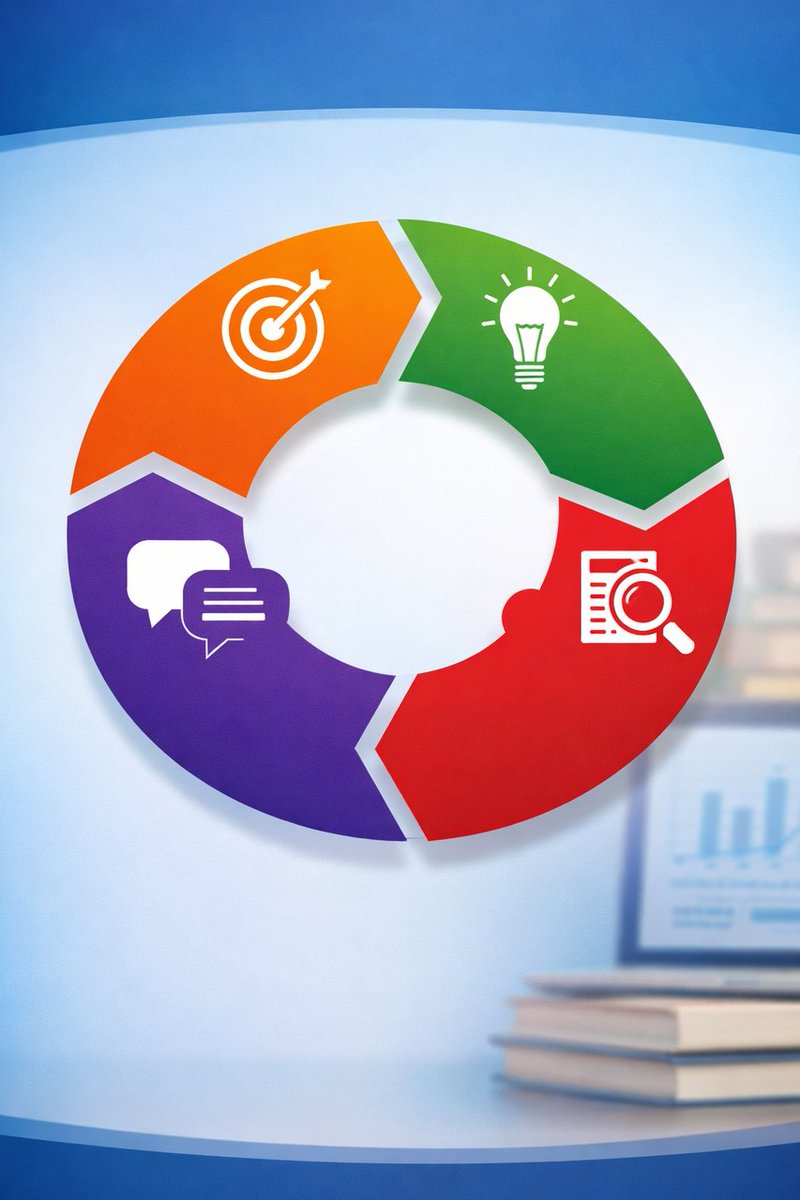
The OPEN framework (Objective, Purpose, Evidence, Narrative) offers a flexible way to ask better questions, connect evidence to decisions, and support open education work.
https://t.co/HYRMIhvA3e
The March 2026 issue of Evidence Based Library and Information Practice (Vol. 21, No. 1) is now available.
Featuring research on open education, student engagement, OER, evidence synthesis training, and more.
Explore the issue: https://t.co/gRI0zBIG0r
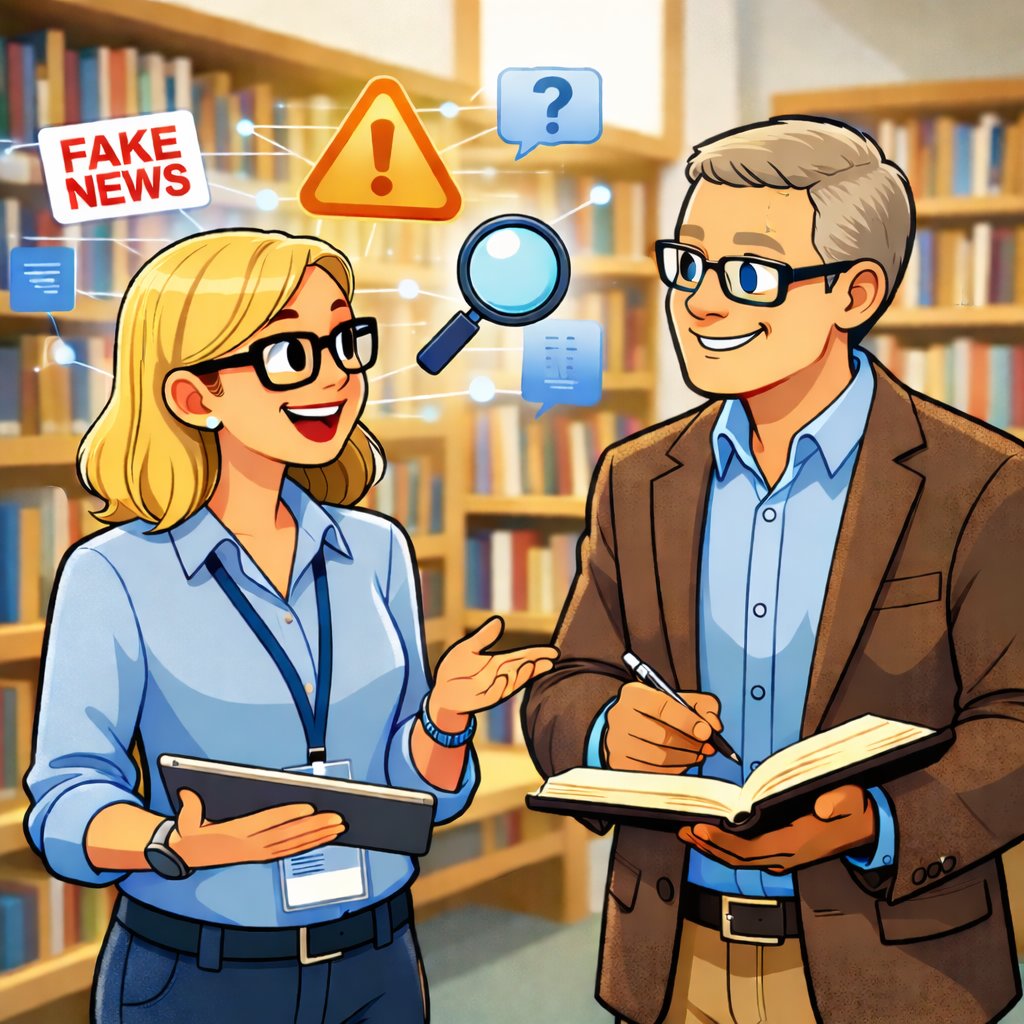
Faculty perspectives on the library’s role in teaching about fake news are not always aligned.
An evidence summary exploring faculty engagement highlights opportunities for stronger librarian–faculty collaboration.
Read more: https://t.co/KDnGBv3vK5
#AcademicLibraries
A study in Evidence Based Library and Information Practice shows how reviewing course syllabi helped librarians identify and provide unlimited-user ebooks for assigned textbooks—dramatically increasing usage.
https://t.co/xeknjKlgbi
New in Using Evidence in Practice:
Patricia Verdines (Ohio State University Libraries) examined engineering capstone students’ information needs at Ohio State University (n=104).
https://t.co/VOOZG4RmZg
New research: Assessing Formatting Accuracy of APA Style References
https://t.co/U3IrI4qjBW
32 studies reviewed.
26 error types.
64 accuracy metrics.
No standard method.
Implications for AI tools, citation literacy, and academic integrity.
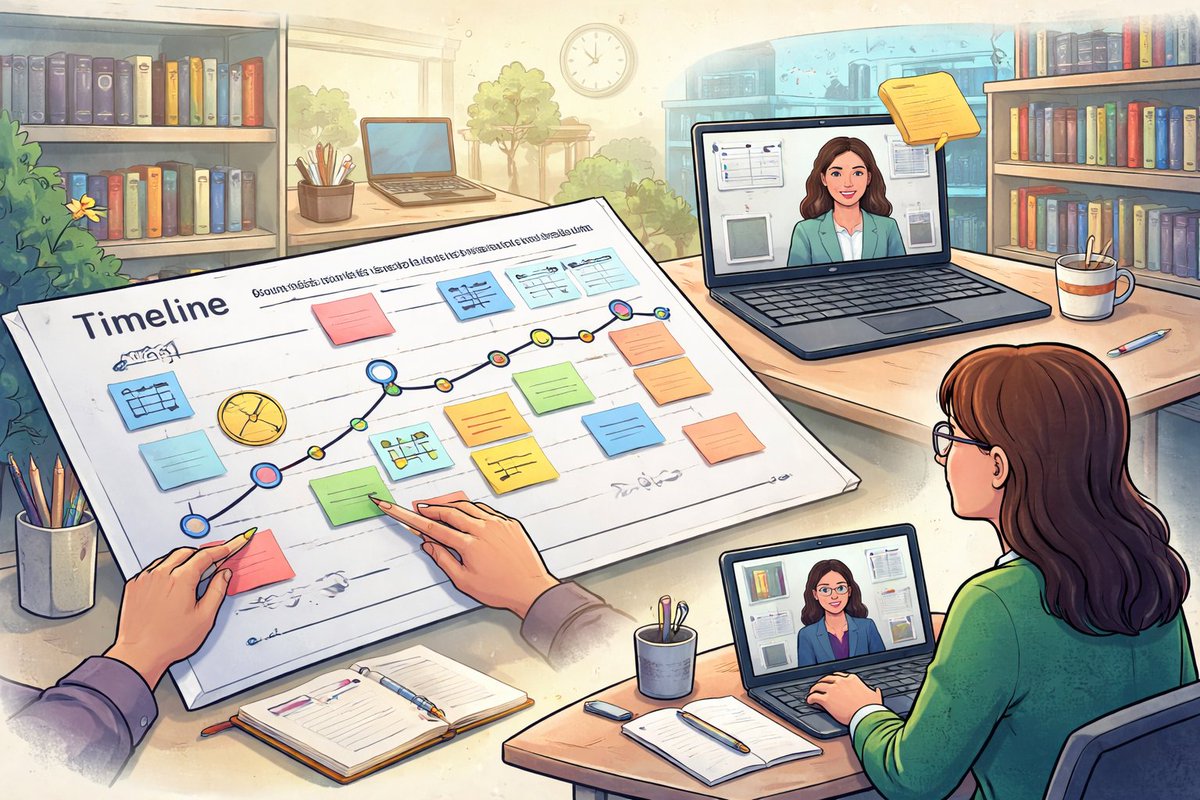
New in Evidence Based Library and Information Practice: an article examining the use of visual timelines in qualitative research on academic librarian job searches. #EBLIP#LibraryResearch
A study in Evidence Based Library and Information Practice compared student use of LibGuides and a single-page Adobe Express research guide. Both were easy to use, but Adobe Express users had higher task success and less confusion.
https://t.co/M98bIbDs71
#LibraryUX
Are library security gates actually worth the money?
Two academic libraries ran cost–benefit analyses using different data and reached very different conclusions.
https://t.co/t0eo6qynfC
#AcademicLibraries#EBLIP
Understanding immigrant acculturation helps libraries serve more effectively.
Research calls for evidence-based professional development for librarians.
https://t.co/QenzC091x0