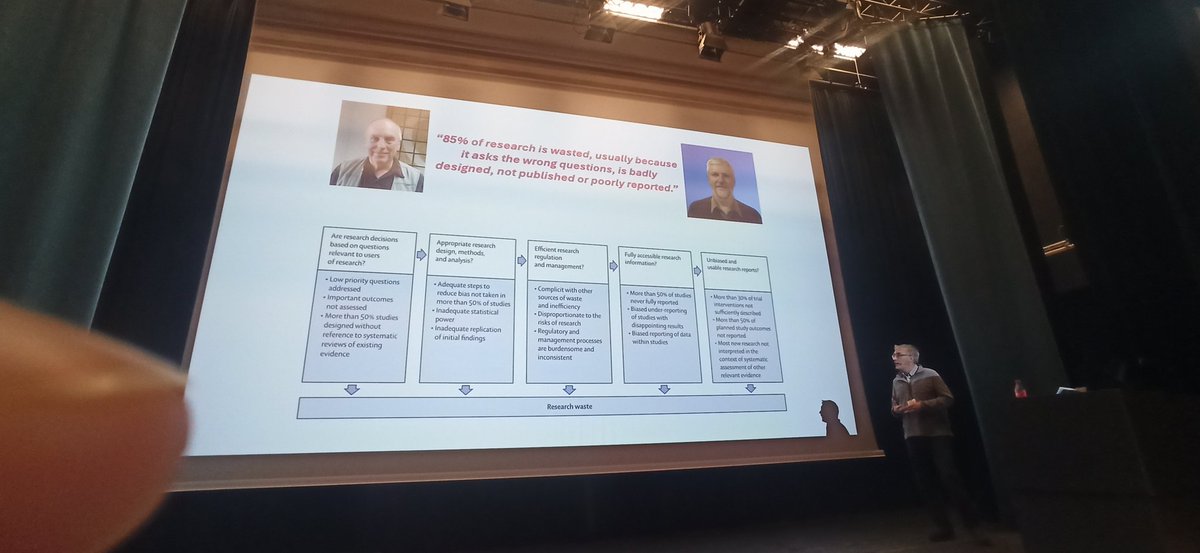
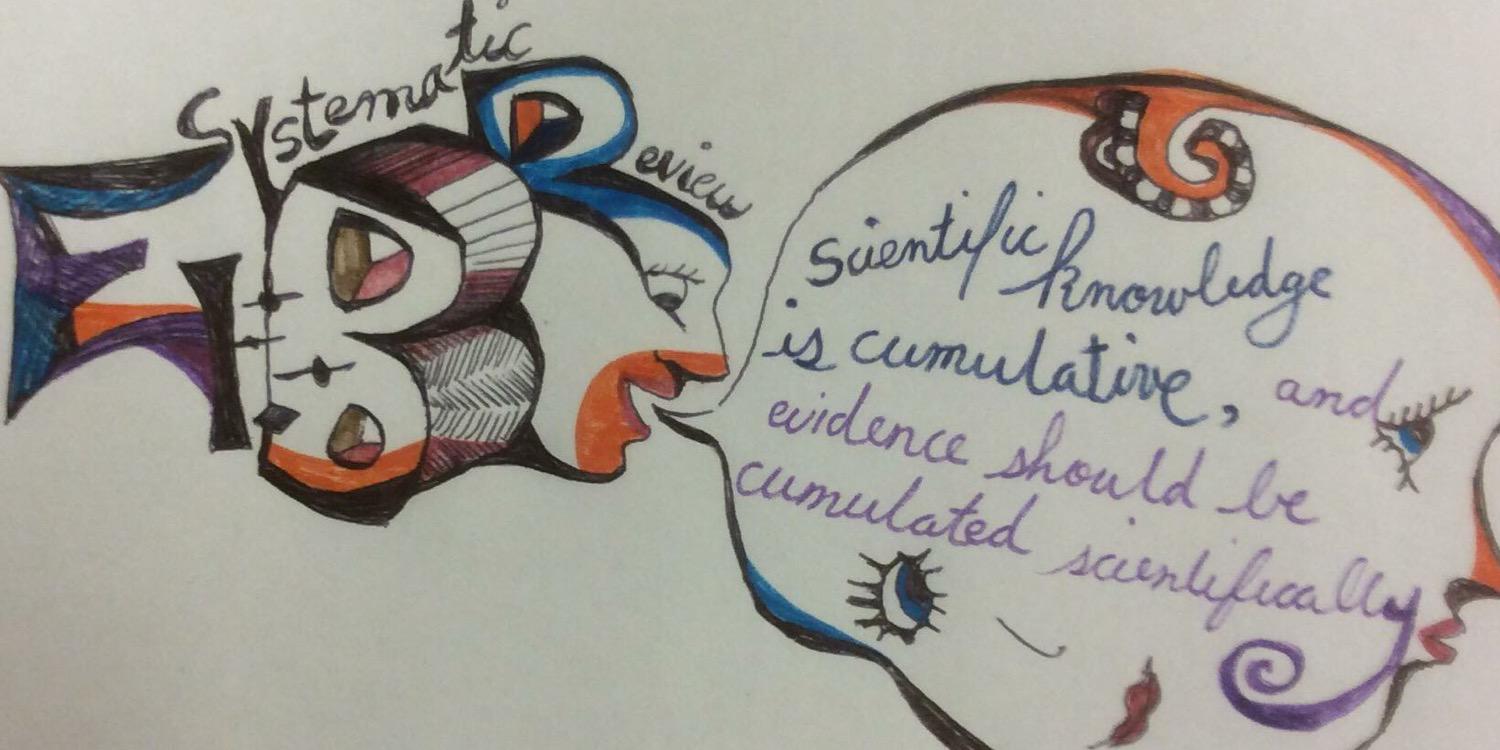
Promoting no new research studies without prior systematic review of existing evidence & efficient production, updating, and accessibility of systematic reviews
Become an EBRNetwork member! Please join us today to support our work and mission. The cost of a 1-year membership, is €75, with a discounted membership fee of €40 for students and individuals from low or lower-middle-income economy countries (LMIC)
https://t.co/idovweyFLw
🚨 Call for Abstracts – Deadline Extended 🚨
The submission deadline for the 6th Evidence-Based Research Conference (#EBRConference) has been extended to 7 August 2026.
We welcome contributions from all disciplines. Share your research. Make an impact.
#EBRforAll#EBRNetwork
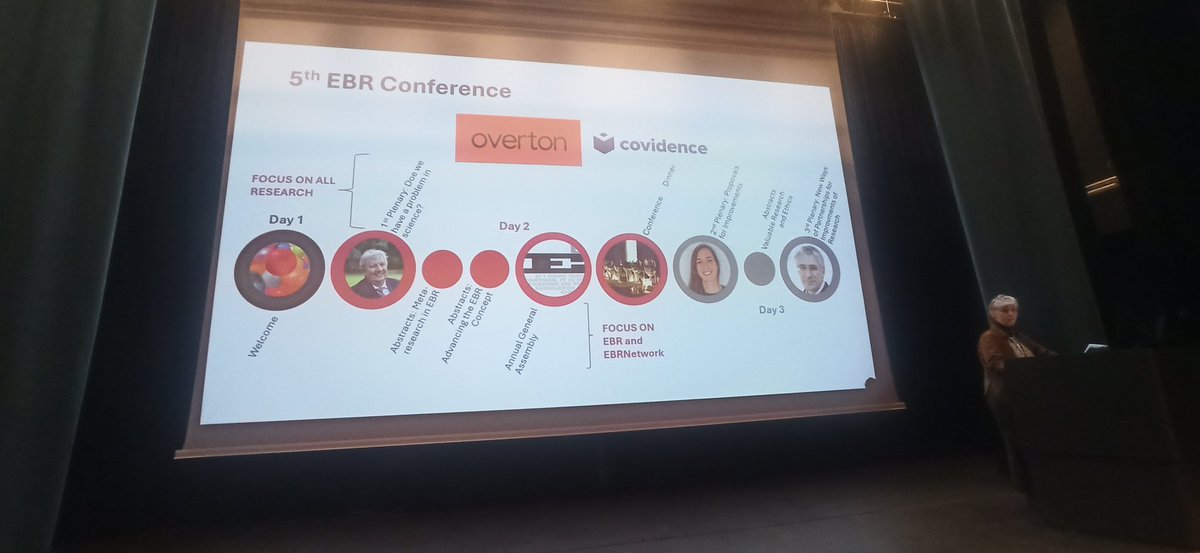
Join us at the 6th EBR Conference that will be held virtually 13 October to 16 October 2026 from 13:00 to 15:00 CET each day.
https://t.co/t9r0rtSa9d
De want to promote evidence-based research principles for all interest holders, worldwide and across all sciences.
Happy New Year from the DeSci Foundation! ✨
Here’s to more open access, better research tools, and continued progress toward a fairer, more transparent scientific ecosystem in 2026.
Let’s keep building.
#DeSci#OpenScience#NewYear2026
🚨 CALL FOR ABSTRACTS IS OPEN! 🚨
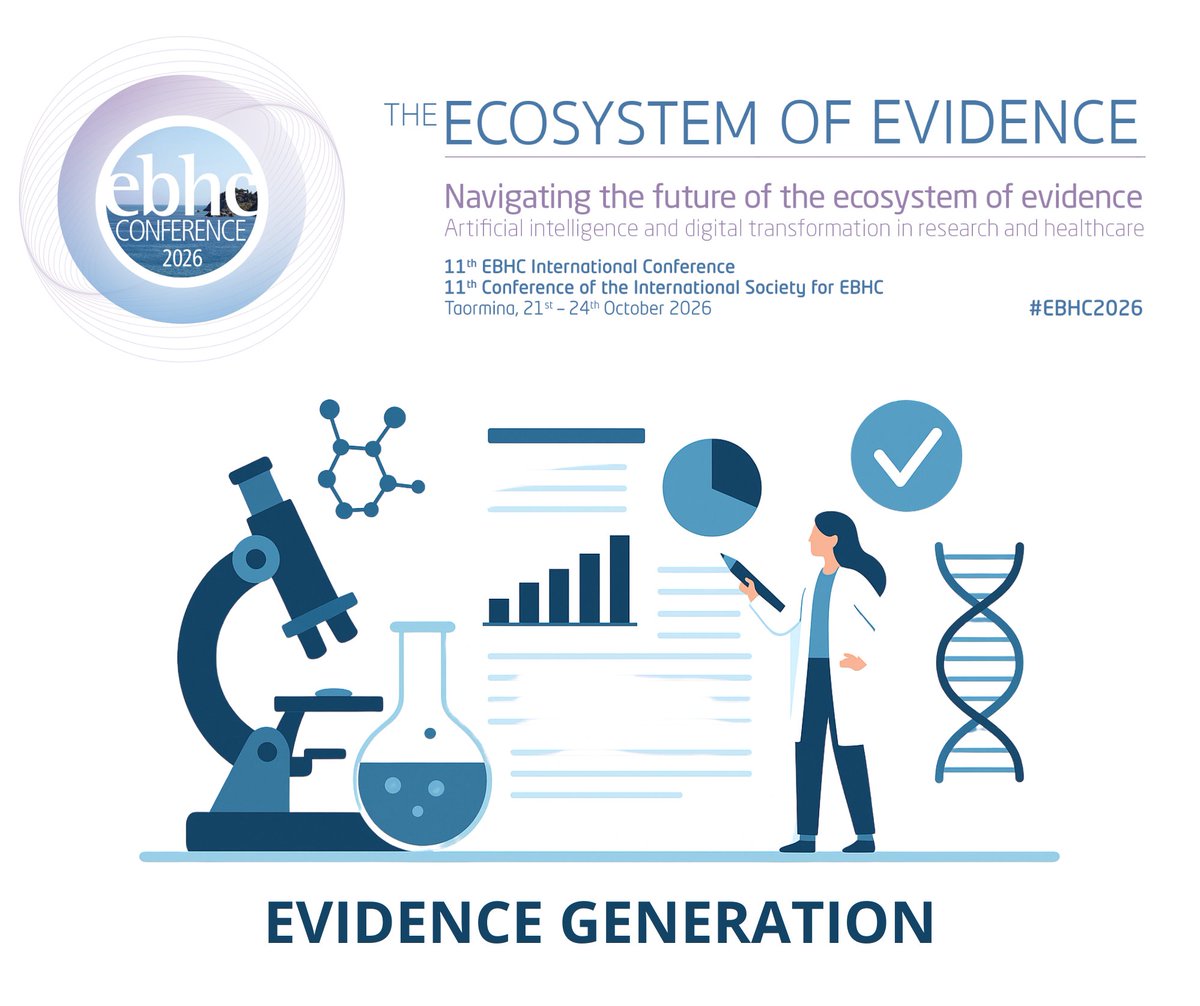
11th #EBHC2026 is spotlighting AI & Digital Transformation in Evidence-Based Healthcare.
Got ground-breaking work on how AI is reshaping clinical evidence? Submit your abstract!
Deadline: 28.02.2026
https://t.co/bSxoyurF4Y
Time for the conference sum-up.
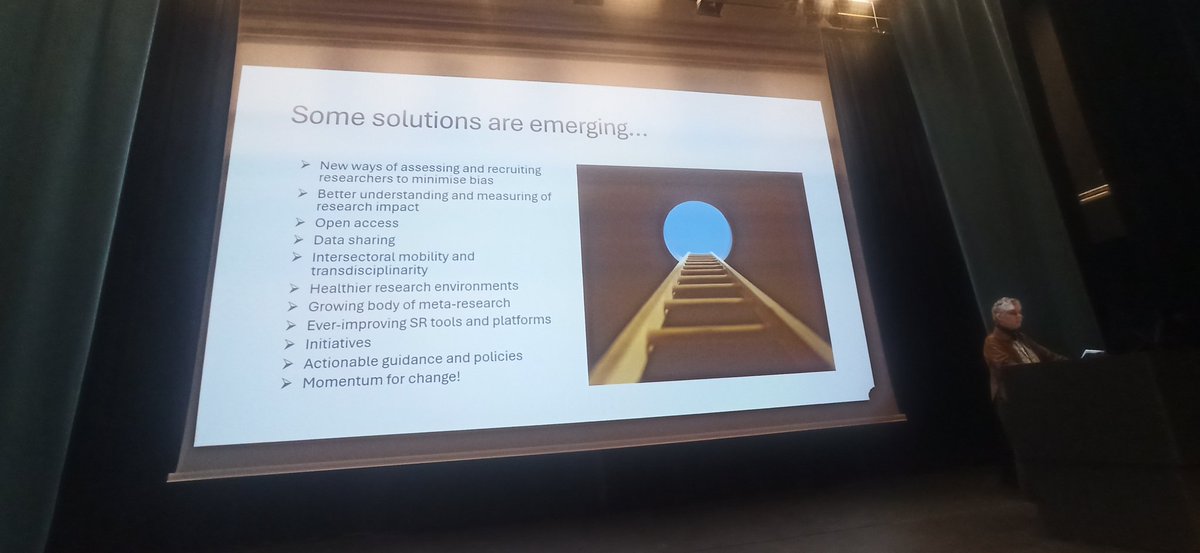
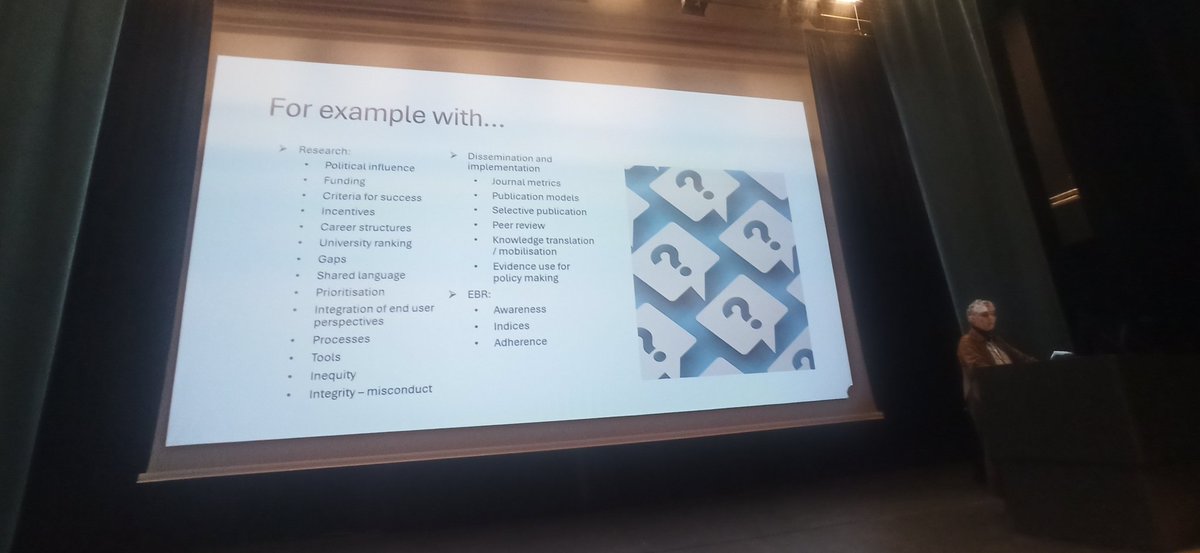
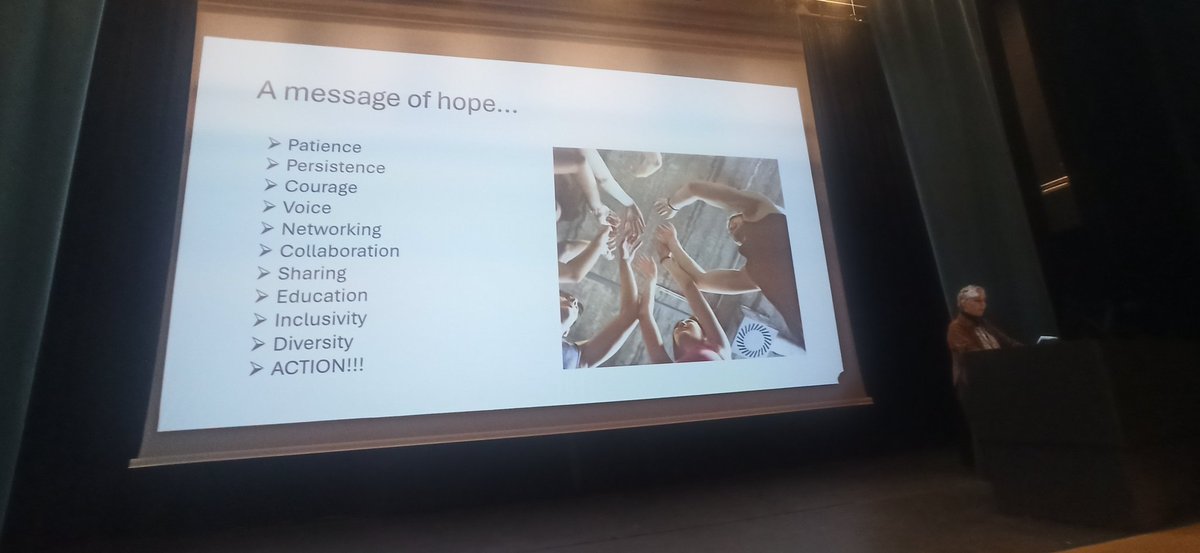
A moment to reflect on key insights, shared challenges, and the collective commitment to building more valuable, transparent, and trustworthy research.
(Klara Brunhuber)
#EBRConference#EBRNetwork
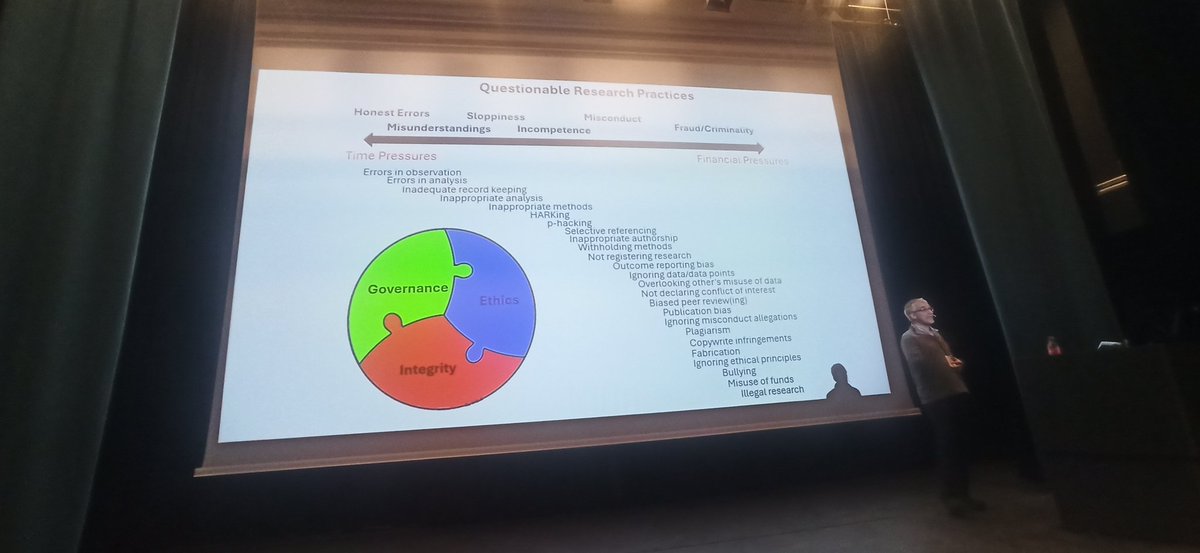
Transforming Research through People, Culture, and Environment.”
(By Simon Kolstoe)
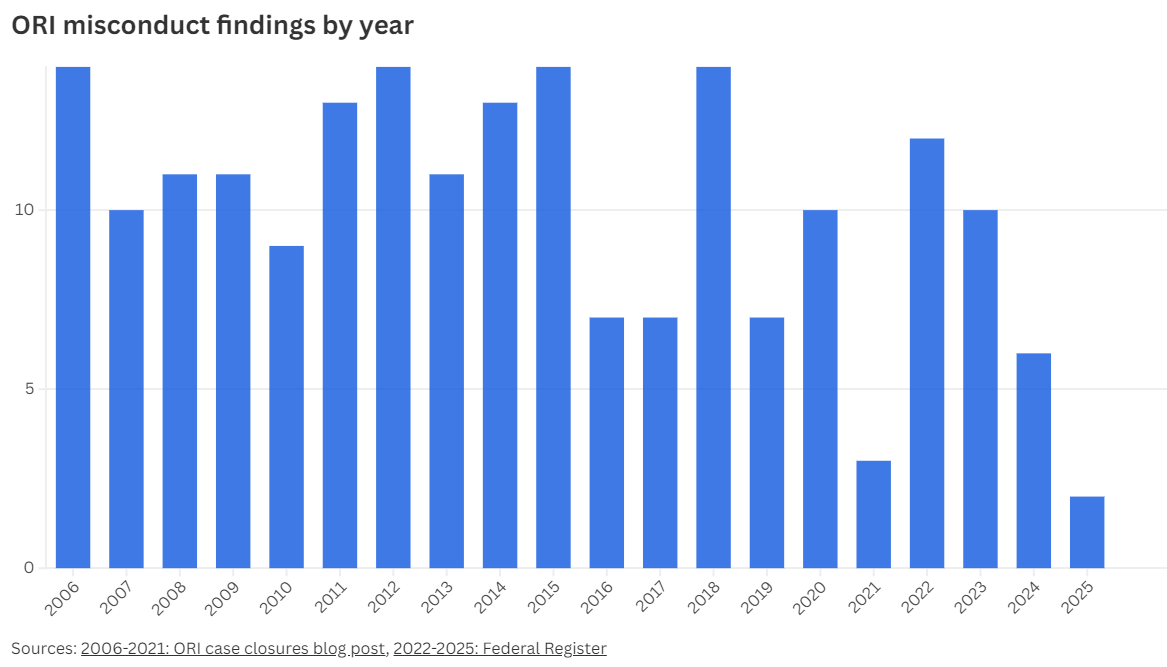
You can cheat to get a paper
You can cheat to get a degree
You can cheat to get a grant
You can’t cheat to cure a disease
Biology doesn’t care
Matthew Schrag
#EBRConference
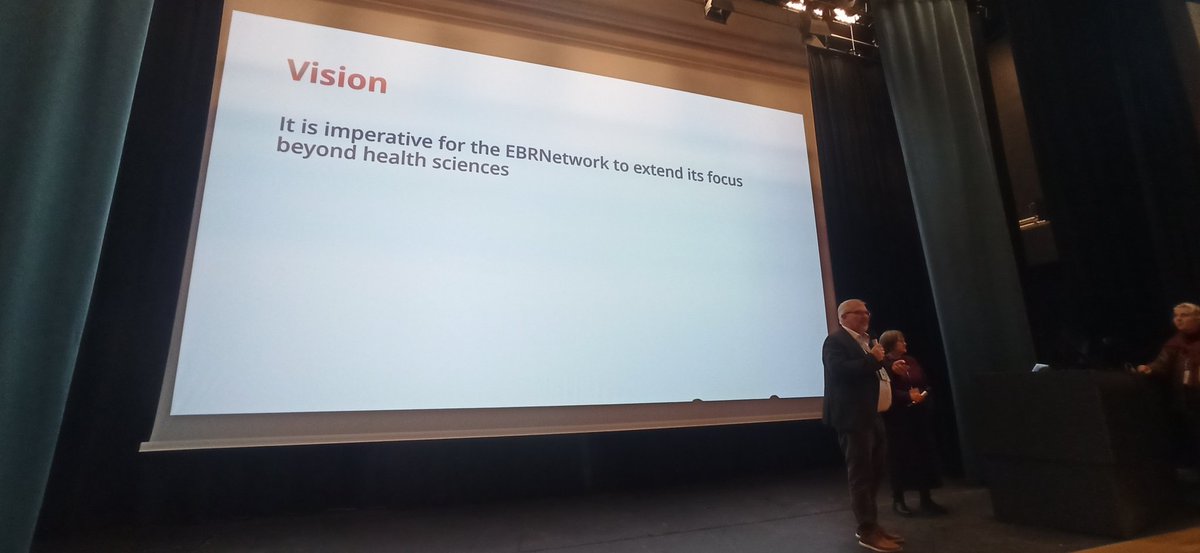
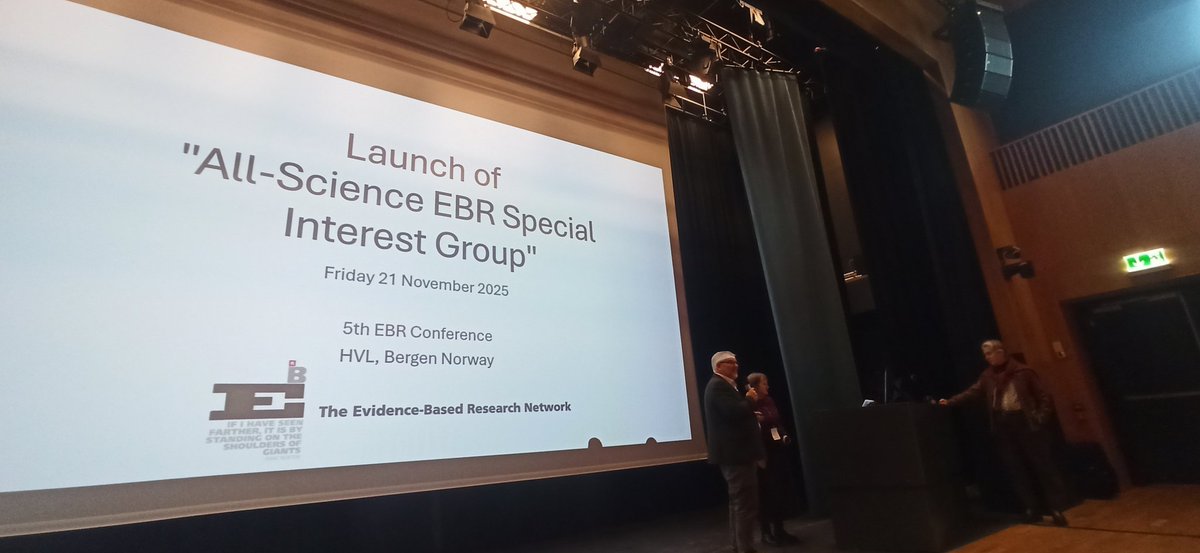
Official Launch of the “All-Science EBR” Special Interest Group.
A new cross-disciplinary initiative aimed at expanding the Evidence-Based Research approach beyond health sciences and fostering collaboration across fields.
#EBRConference
🚀 AI is transforming healthcare!
At @ebhcconference we’ll explore integrating AI into evidence generation, synthesis & translation. Honoured to be part of the Scientific Committee of this great event.
Few very early spots are still available at: https://t.co/73W2sbUT2c.
Discrimination of researchers conducting systematic reviews, evidence syntheses and meta-research. Please, take part in the study if you have been conducting such research for at least 5 years. Thank you. Link:
https://t.co/oX4Hc2gKMo
Thrilled to join the Steering Committee of the #EBRNetwork to represent @GIMBE.
I look forward to collaborating with international colleagues and bringing the voice of #GIMBE, which has always championed these values.
To learn more 👉 https://t.co/ctK4kDbdJ9.
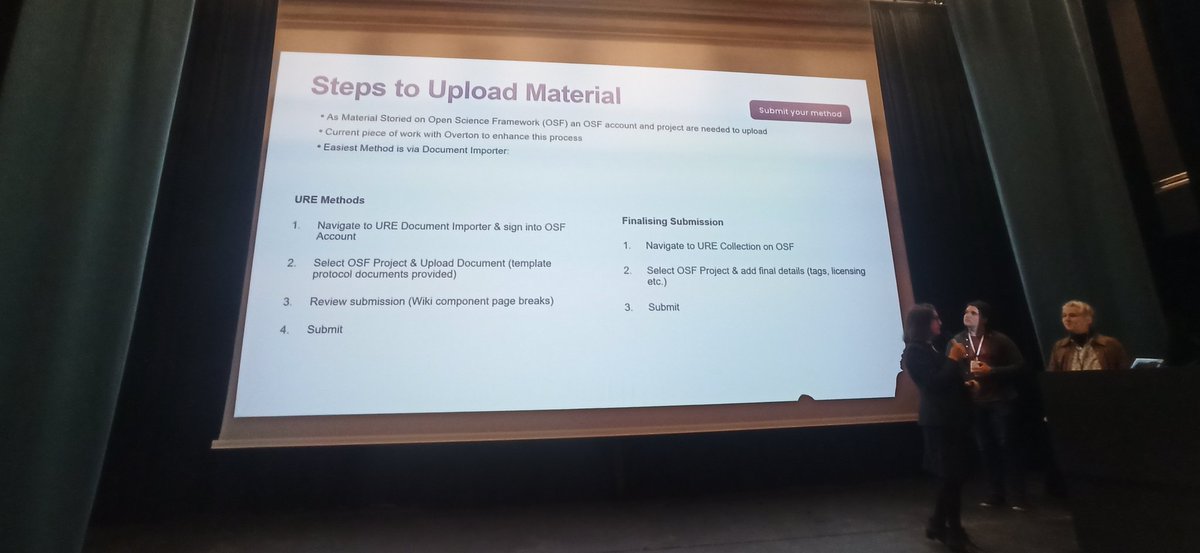
Exploring the Use of Research Evidence (URE) Methods Repository.
An open resource to access, share, and improve methods that support stronger evidence use in policy and practice.
https://t.co/6YAwNuJ8Wq
#EBRConference
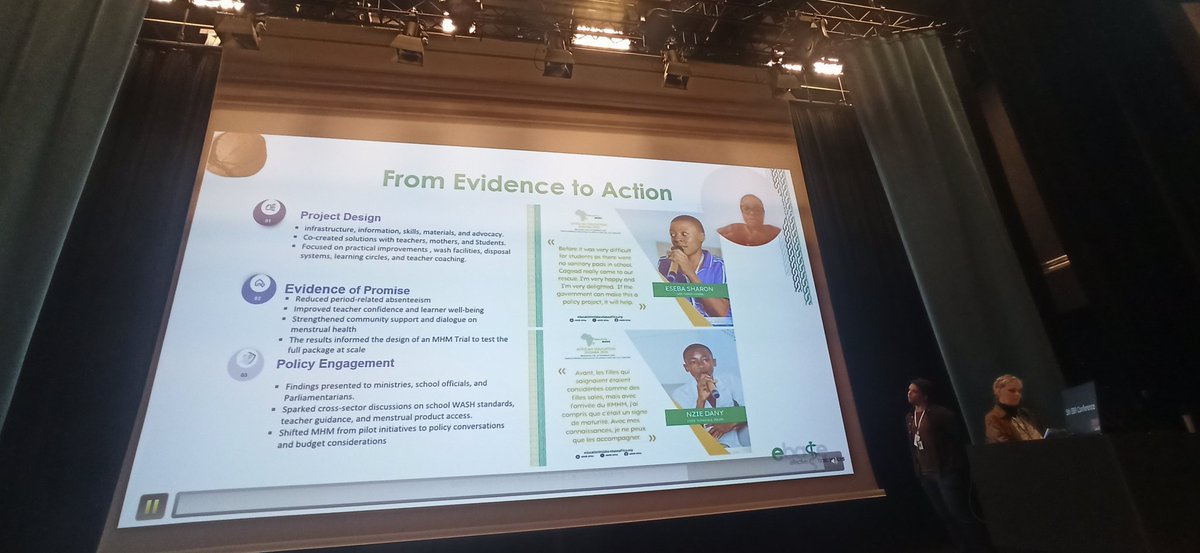
Beyond Research Waste Reduction: Embedding Evidence-Based Research in Low-Resource Settings.
Ndum Charlotte discusses how EBR principles can be integrated into research co-design, practice, and impact pathways in low-resource contexts.
#EBRConference
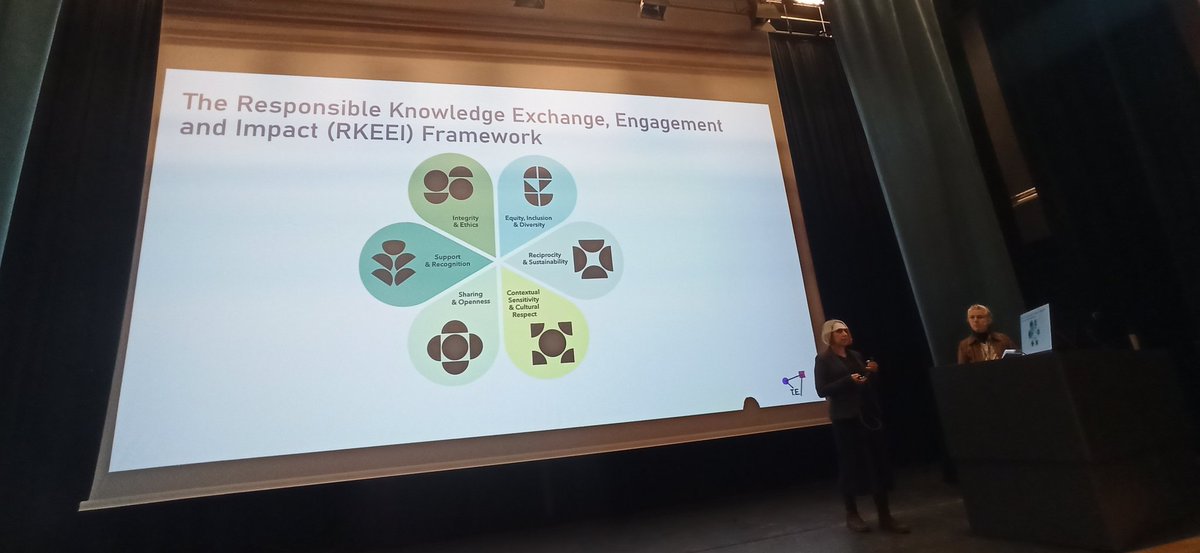
The Role of Values and Ethics in Knowledge Mobilisation.
Annette Boaz presents an evaluation of a national programme, showing how values, ethics, and stakeholder engagement shape the way evidence is mobilized in real-world decision-making.
#EBRConference
Where Evidence Frames Ethics: Consent Implications of the ‘Four Quadrants’ Approach.
Mark Fedyk examines how evidence shapes ethical justification in clinical trials, highlighting how the Four Quadrants framework influences consent and responsible justifications
#EBRConference
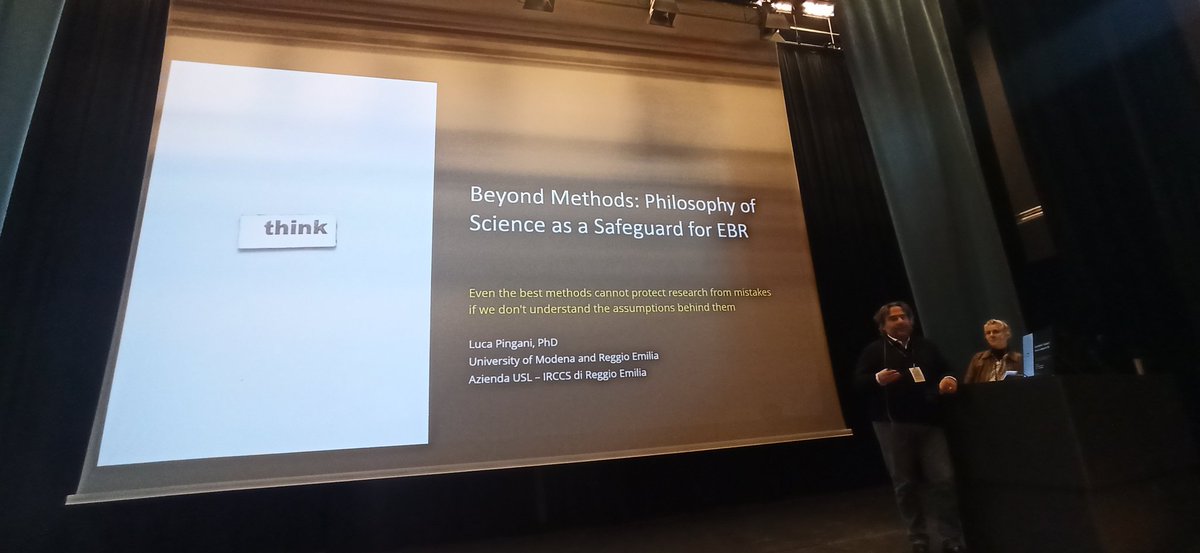
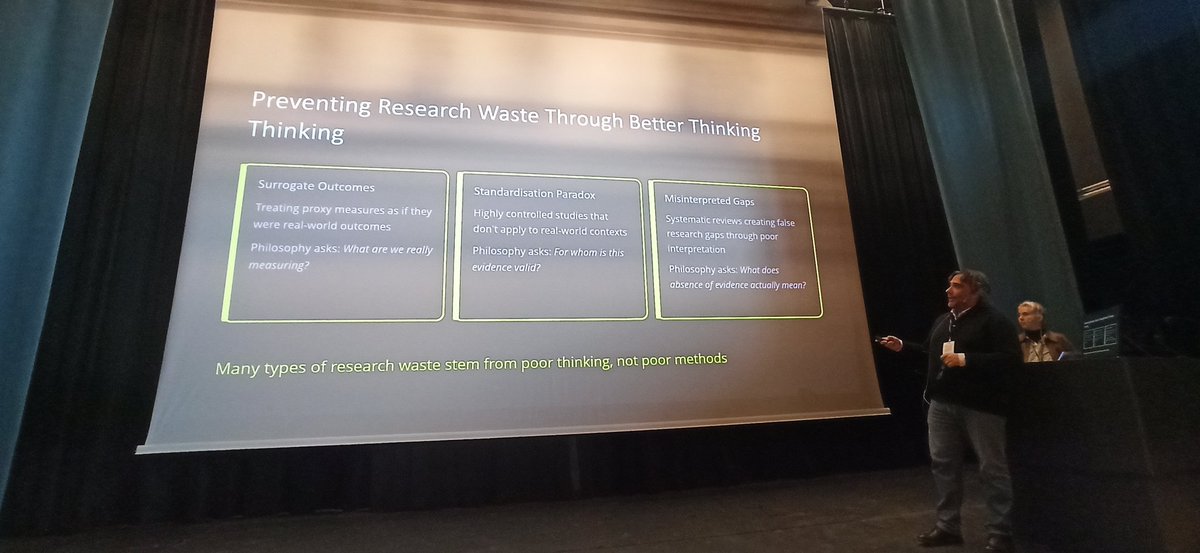
Beyond Methods: Philosophy of Science as a Safeguard for Evidence-Based Research.
Luca Pingani explores how philosophical foundations can protect from research waste, strengthen research, and ensure that methods are used in service of meaningful questions.
#EBRConference
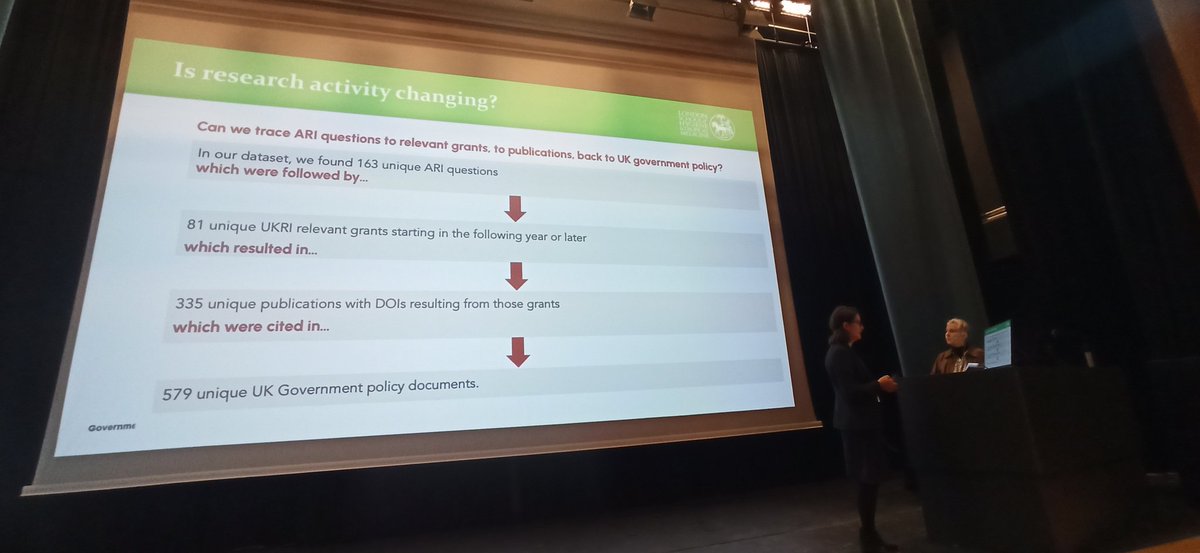
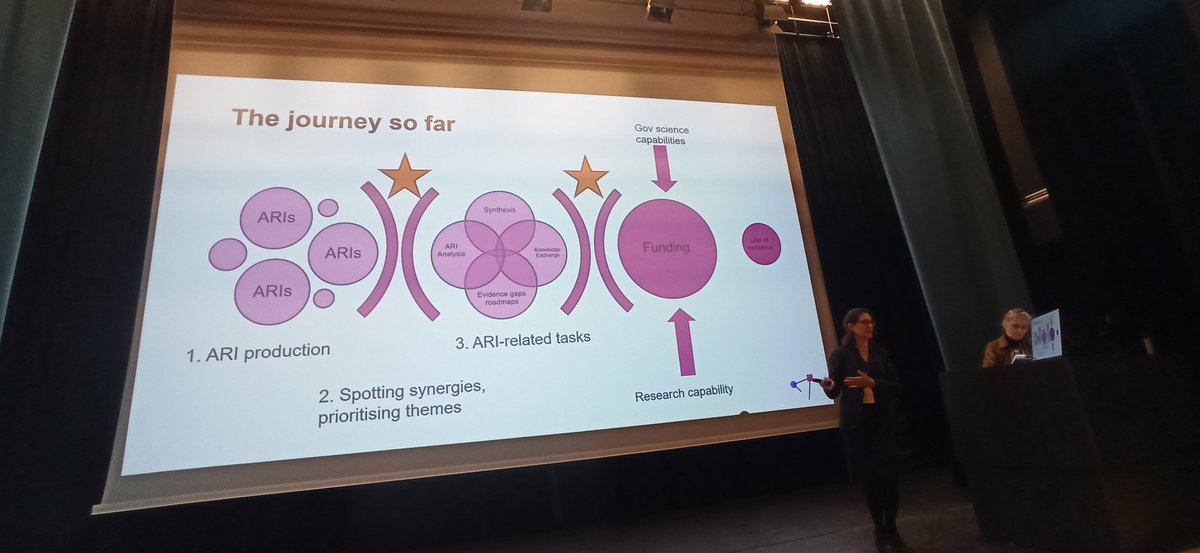
The Importance of Research Prioritisation to Supporting Evidence Use.
Kathryn Oliver discusses how defining clear Areas of Research Interest helps articulate national priorities, guide funding, and ensure new studies meet policymakers’ and society’s needs.
#EBRConference