A widespread, intense late-June heatwave in Europe has shattered numerous temperature records across the region and has major impacts on human health, ecosystems, agriculture, infrastructure and labour productivity.
Find out more: https://t.co/pGJlWz1YL0
Carbon dioxide and other greenhouse gases are rapidly warming the planet. But where do they come from? 💨
Insights from #ClimateWatch explain which sectors emit the most GHGs: https://t.co/ZHZhP5VD0K…
🚨 TRUMP DROPS TRUTH BOMB ON IRAN SLEEPER CELLS!
Doocy: “If Iran hits back, how many sleeper cells are in the US right now?”
Trump: “I’ve been briefed. A lot came in through Biden’s stupid open border… but we know where most of them are.”
The Iranian regime is losing air capability day by day. U.S. forces aren’t just defending against Iranian threats, we are methodically dismantling them.
The bird predicted the snake's behavior, demonstrating that biological intelligence is not limited to humans. At the very least, this bird is a genius architect.
Commercial practices and their ecological costs. Must we wait until groundwater is depleted and surface vegetation becomes desert before we learn to regulate and control them? Moral criticism, however early, is less effective than legal intervention.
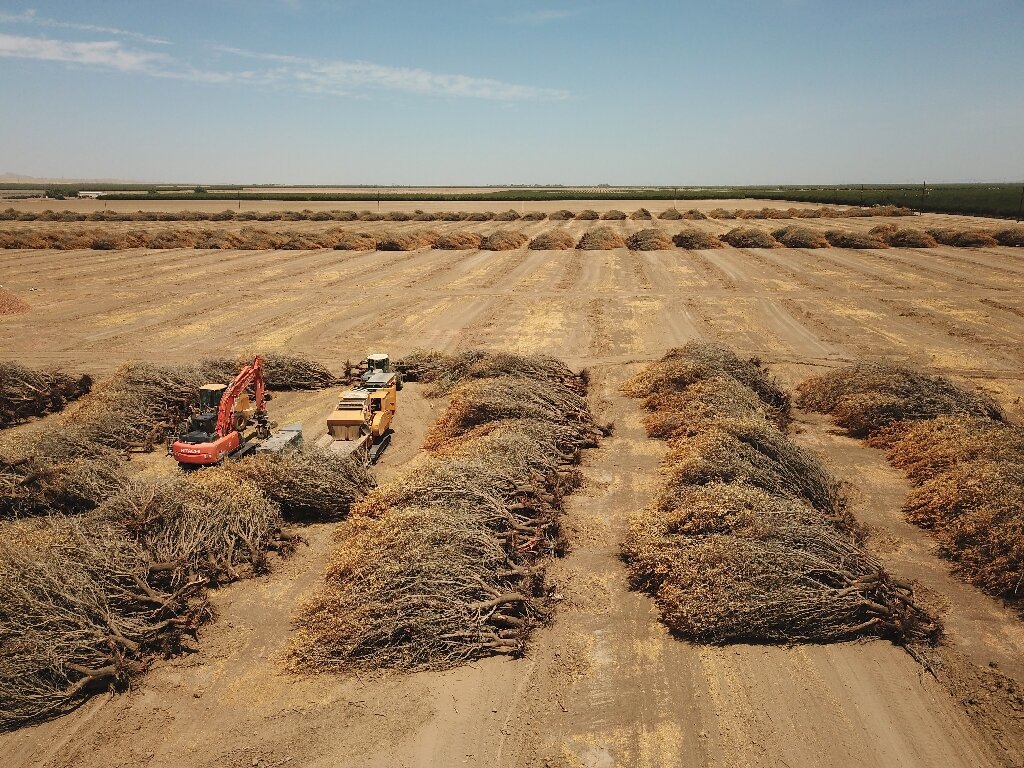
California's Central Valley produces 80% of the world's almonds. Each almond requires 3.2 gallons of actual irrigation water to grow. Not rainfall. Actual tap water pumped from aquifers.
One gallon of almond milk requires 162 gallons of irrigation water. Compare that to dairy milk at 8 gallons of tap water per gallon, with the rest being rainfall that falls on pasture anyway.
But here's where it gets properly grim. Almonds bloom for exactly three weeks in February. During those three weeks, California needs every pollinating bee in North America transported to the Central Valley or the crop fails entirely.
Commercial beekeepers truck in 31 billion honeybees. That's two-thirds of America's entire managed bee population, all concentrated in one valley for three weeks. The bees are packed into trucks, driven across the country, dumped into almond groves drenched in pesticides, worked to exhaustion, then packed up and shipped to the next crop.
The mortality rate is catastrophic. Beekeepers report losing 30 to 50% of their hives annually. That's billions of bees dead. Not from natural causes. From being used as disposable pollination machines for your almond milk.
The pesticides don't help. Almond groves are sprayed with neonicotinoids which scramble bee navigation systems, fungicides which weaken their immune systems, and herbicides which eliminate the wildflowers they'd normally forage on between almond blooms.
Meanwhile the aquifer depletion is permanent. The Central Valley has sunk 28 feet in some areas from groundwater extraction. That water took 10,000 years to accumulate. It's being drained in decades for almond milk.
Your vegan latte killed more bees and used more water than a year's worth of dairy milk. But it's got "plant-based" on the label so you're definitely saving the planet.
The reason they don't release them directly into the sea is because they want them to smell and feel the sand 🐢😍
Because one day they will return to this very same beach to lay their eggs
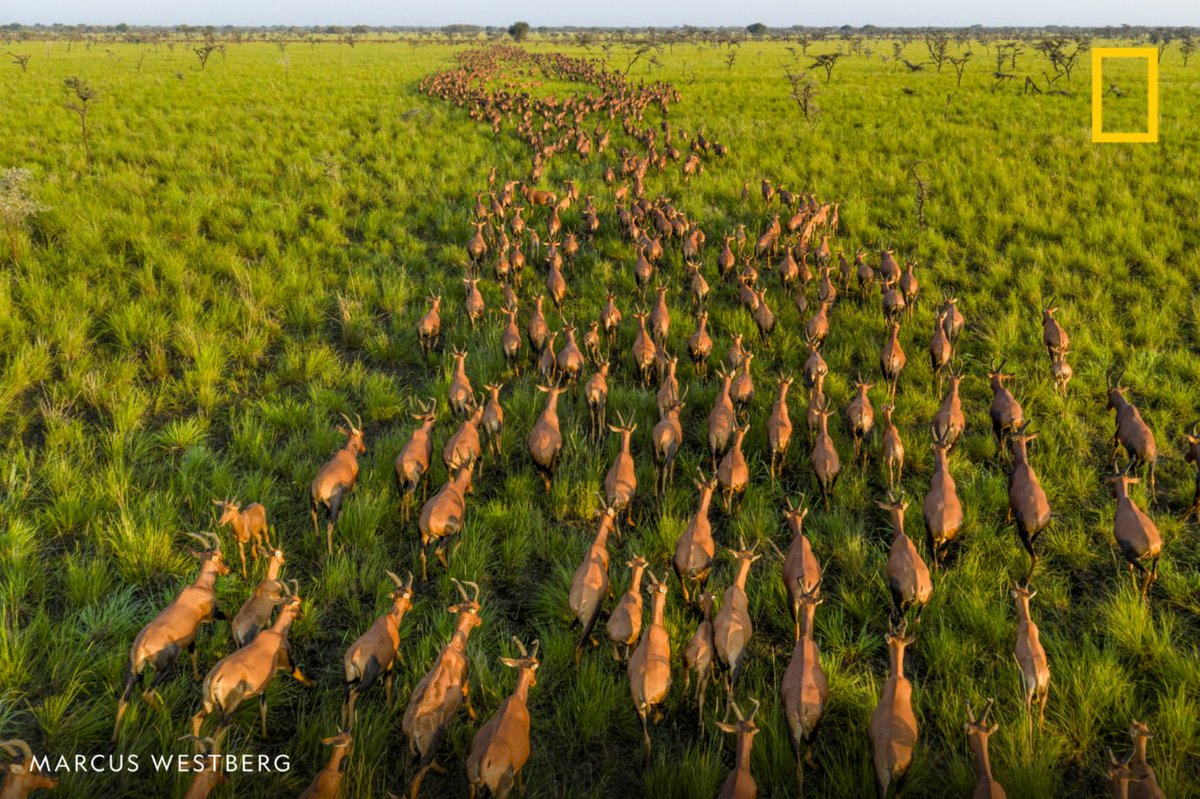
In this image from our Pictures of the Year 2025, Nat Geo photographer Marcus Westberg used a drone to record the planet’s largest land migration—an estimated six million antelope crossing the eastern plains of South Sudan. 🔗 https://t.co/laDRydEDoG