Official Washington state Department of Ecology account. Protecting, preserving and enhancing Washington's environment for current and future generations.
Stay in touch with Ecology!
Find Ecology news and updates on our website at https://t.co/TTYhatg5Bs, get email alerts at https://t.co/Y6YYdbwEDJ, and at @ecologywa on social media.
Join us for one of three virtual public hearings on the Green Hydrogen Draft PEIS to learn about the study and share your feedback. Your input will help shape Washington’s clean energy future. Register here: https://t.co/eEtwHnpe2z
The Tri-Party Agreement agencies’ public involvement annual survey is now live!
The information you share will help us improve how we conduct public involvement.
The survey will be open from Jan. 13 through Feb. 12, 2025.
Link to survey: https://t.co/C8l52GIxUq
Today, the Tri-Party Agreement agencies finalized a landmark agreement for the future of the tank waste mission at the Hanford Site, following the public process.
Read the joint news release: https://t.co/86yzIHqzCT
#Throwback to our original @BillNye collab 💅
Before he received the Presidential Medal of Freedom and before he launched his show Bill Nye the Science Guy, Bill Nye got his feet wet (literally and figuratively) by partnering with us to help teach the state about wetlands!
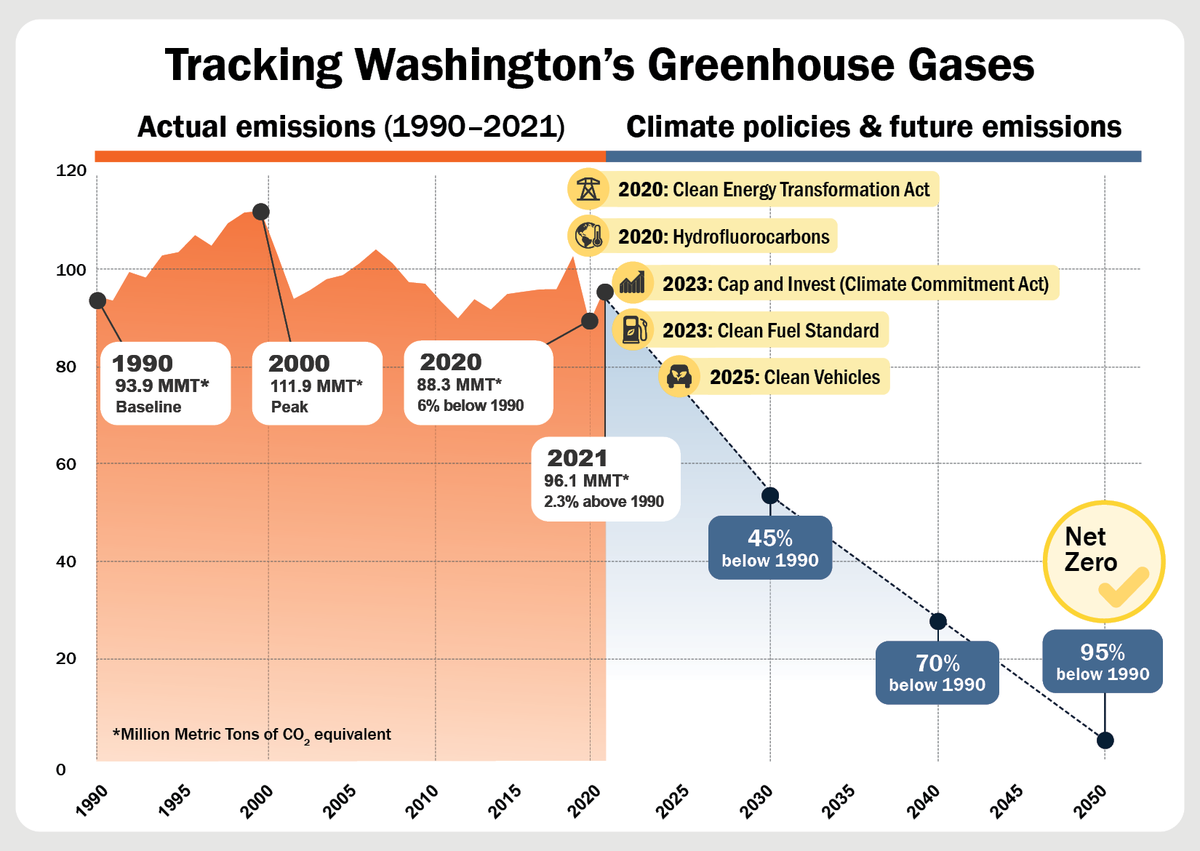
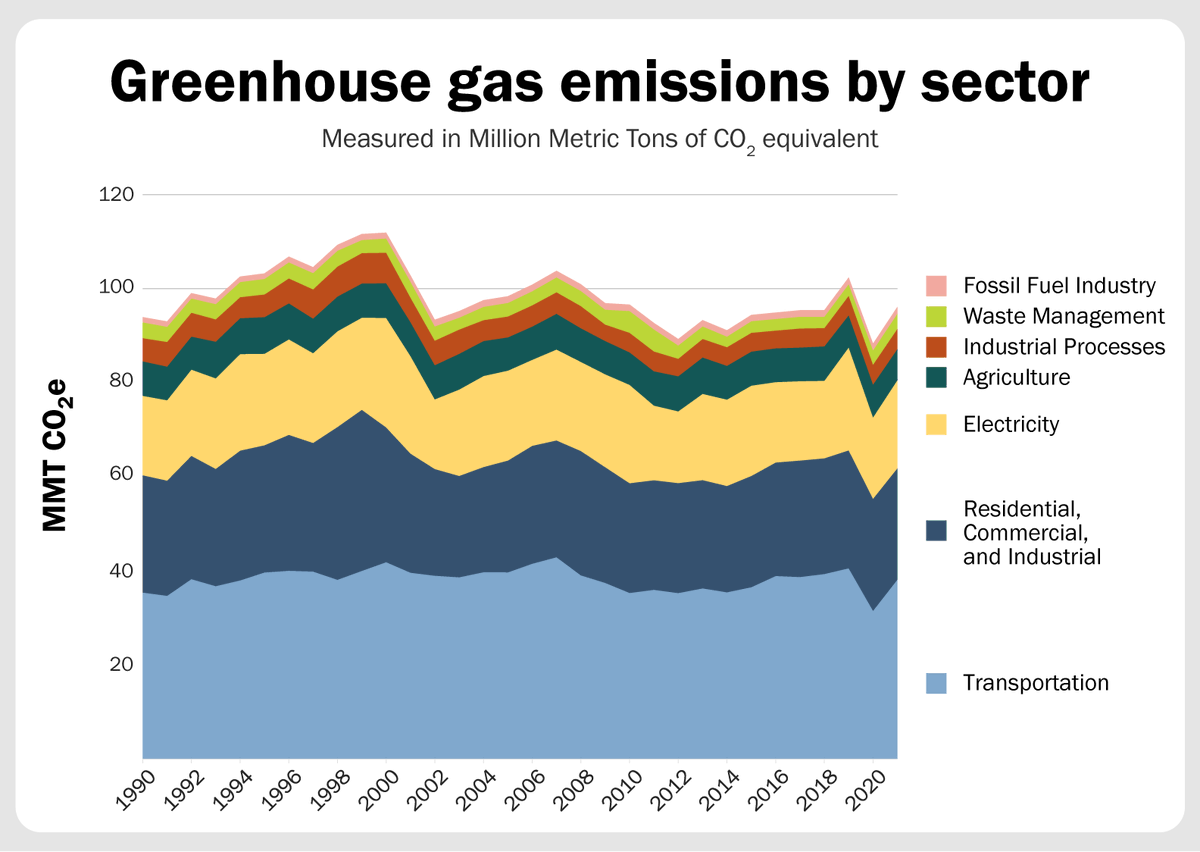
Moving forward, we expect to see new policies, like the Climate Commitment Act (which didn’t take effect until 2023), bring down emissions. Learn more: https://t.co/rx9L1ArBpI
A new report from the Department of Ecology digs into greenhouse gas emissions in 2020 and 2021 – finding that Washington met its 2020 legal limit on greenhouse gas emissions before partially rebounding the following year.
Transportation remained the state’s biggest source of emissions – representing nearly 40% of total emissions and 86% of the 2020-2021 increase – while the electricity sector saw big drops in electricity generated from coal power and record production of wind and solar energy.
Extra care was taken in collaboration with @WDFW to relocate this vulnerable species. Learn more about clean water infrastructure and wildlife conservation here: https://t.co/t3err7BFHq
My New Year resolution is to be more like the burrowing owl: adaptable to changes, unexpectedly adorable, and snuggled in a cozy burrow for the foreseeable future.
During an environmental assessment at the Pasco clean water infrastructure project, @WDFW discovered the site was habitat for the burrowing owl, a species protected under the Migratory Bird Treaty Act. What a hoot!
Starting Jan. 1, 2025, our Safer Products for Washington program will implement new regulations to reduce harmful chemicals in everyday items, paving the way for safer products to become the standard.
Learn more: https://t.co/msA0j5V2Q2
Final reminder: Public comment for our Safer Products for Washington draft report closes Dec 31 at 11:59 PM.
Your feedback helps shape ongoing work to reduce toxic chemicals in everyday products. Share your thoughts!
https://t.co/ZsGAk0n74l
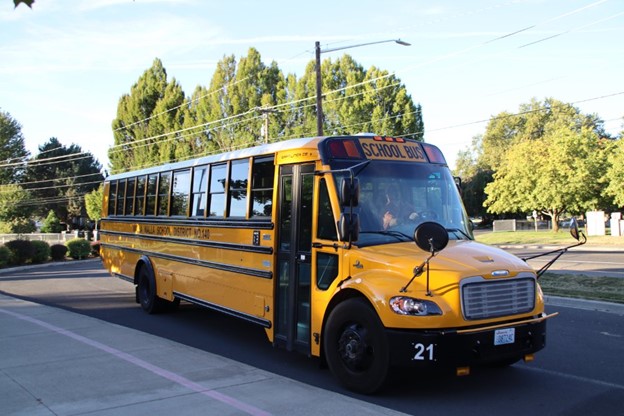
🔌🚛 @EcologyWA, the Colville Tribe & Woodland Public Schools were selected to receive a combined $8.4M in funding to assist in the purchase of 28 zero-emission vehicles through @EPA’s first-ever Clean Heavy-Duty Vehicles Grant Program! 🚌
#CleanVehicles#CleanAir#EpaNorthwest
With these decisions from @EPA, we can hold manufacturers to higher standards for vehicle pollution.
It’s a big deal for state-level climate policy. There has never been a more important time for Washington and other states to continue this work. https://t.co/VV1GqEhuh7
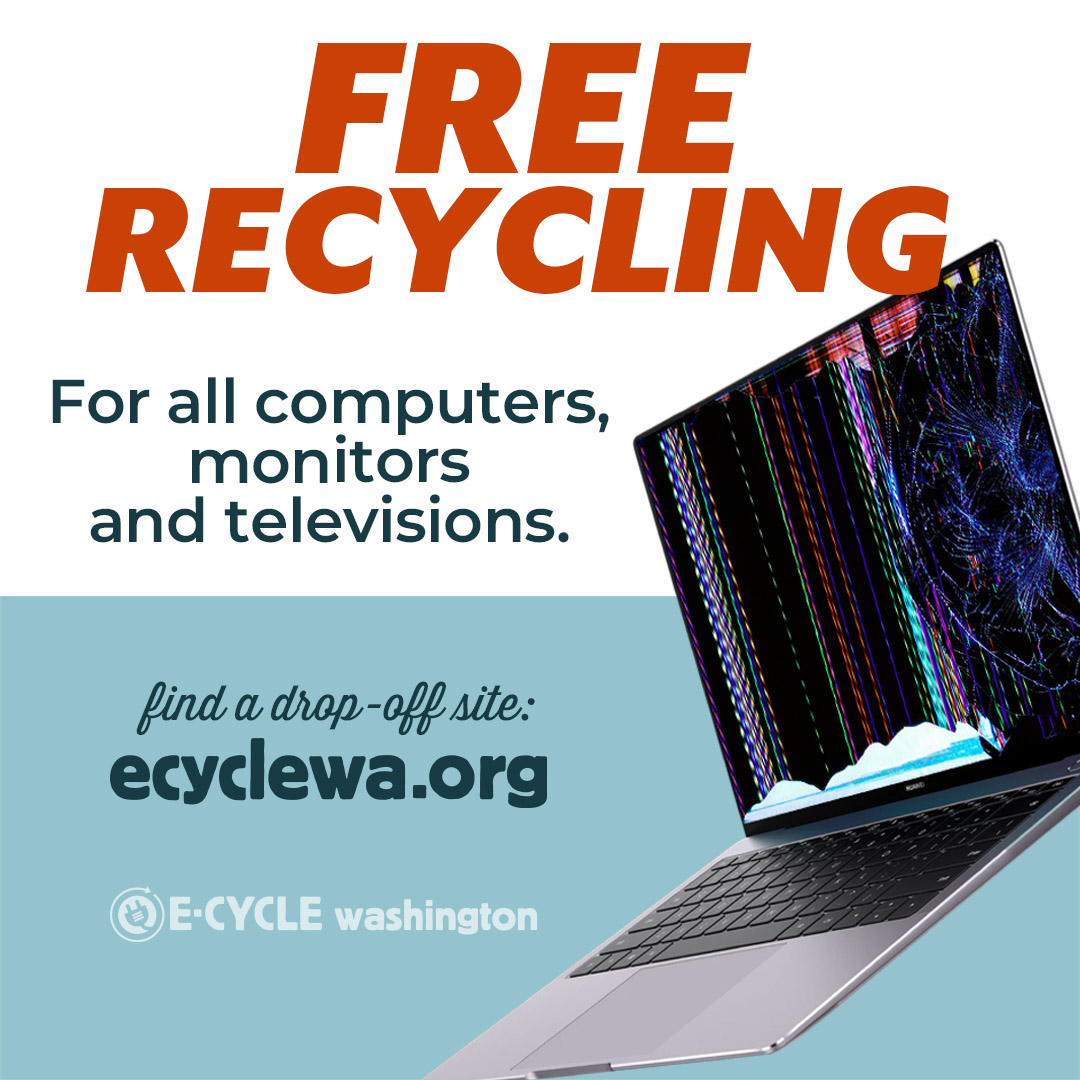
Getting new electronics this season? Don't throw away your old TV, monitor, or computer in the regular garbage! Recycle them through @ecologywa's FREE E-Cycle Washington program. Visit https://t.co/tnEaormQUU to find a drop-off site near you.
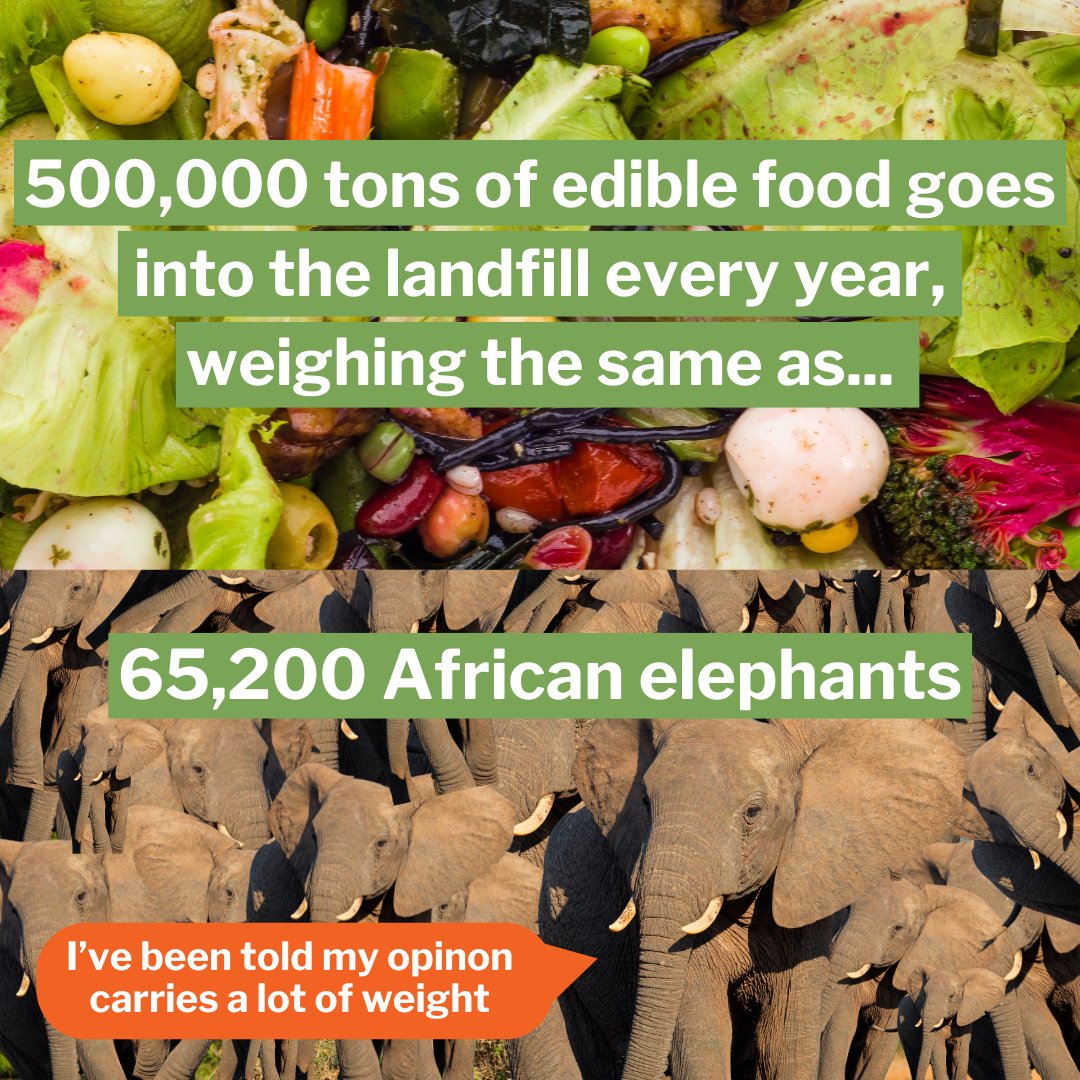
In addition to the amount of waste you can save from the landfill, it’s also important to recognize how much money you can save! On average, a family of four can save around $3,000 per year by storing food correctly and cooking creatively.
Learn more at https://t.co/P7fXDLggZw
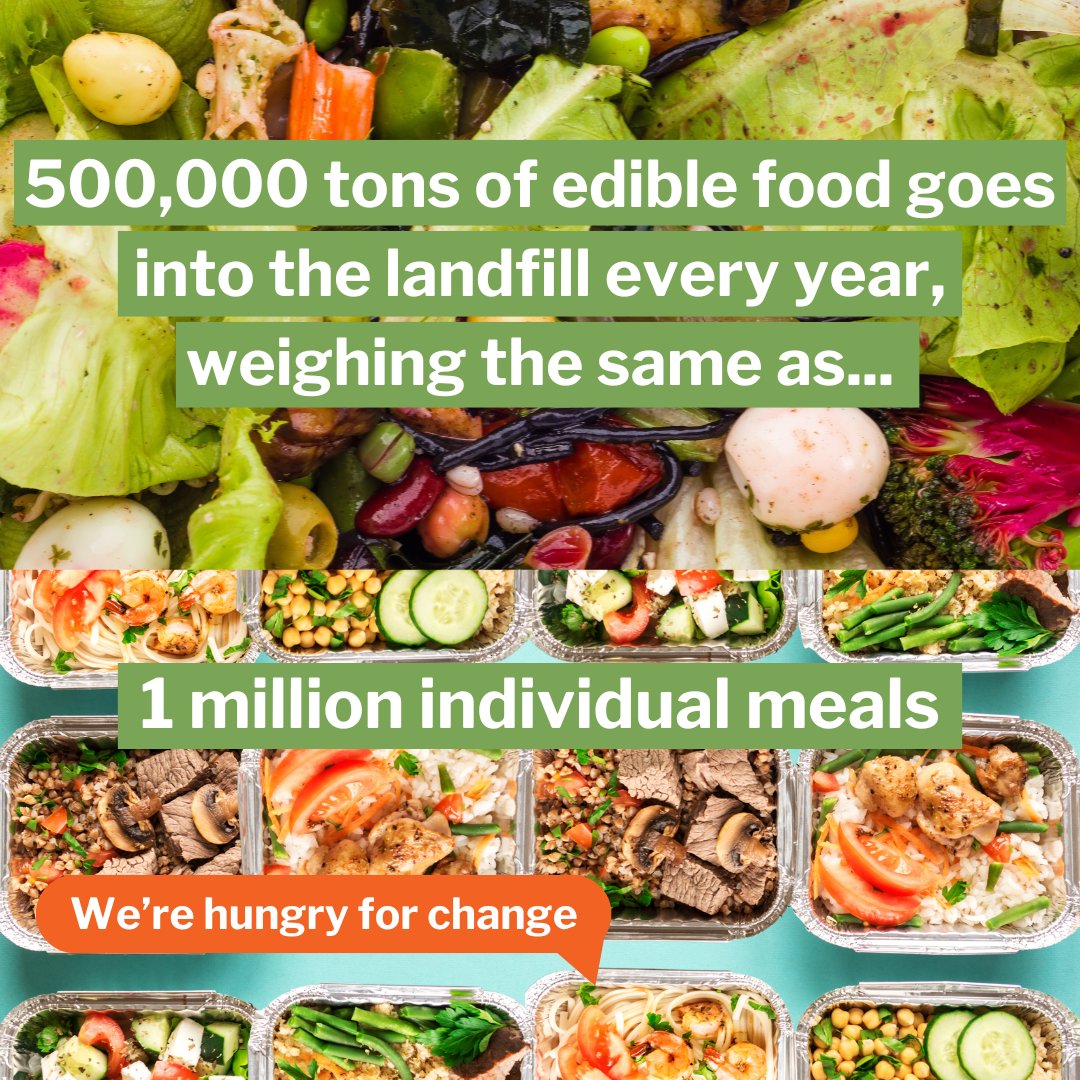
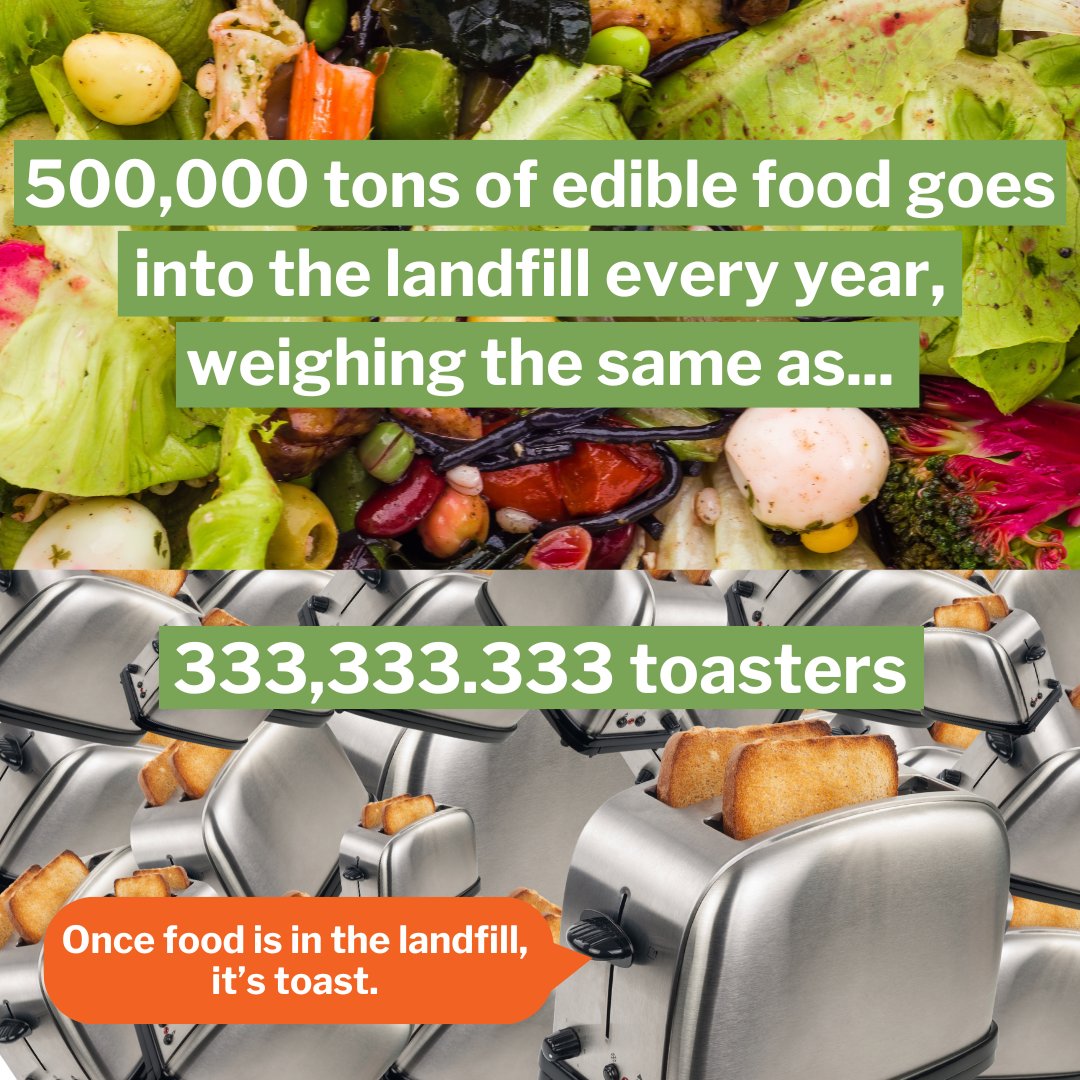
With around 500,000 tons of edible food waste being added to the landfill every year, it can be helpful to understand how much that actually is. Maybe these comparisons will help?