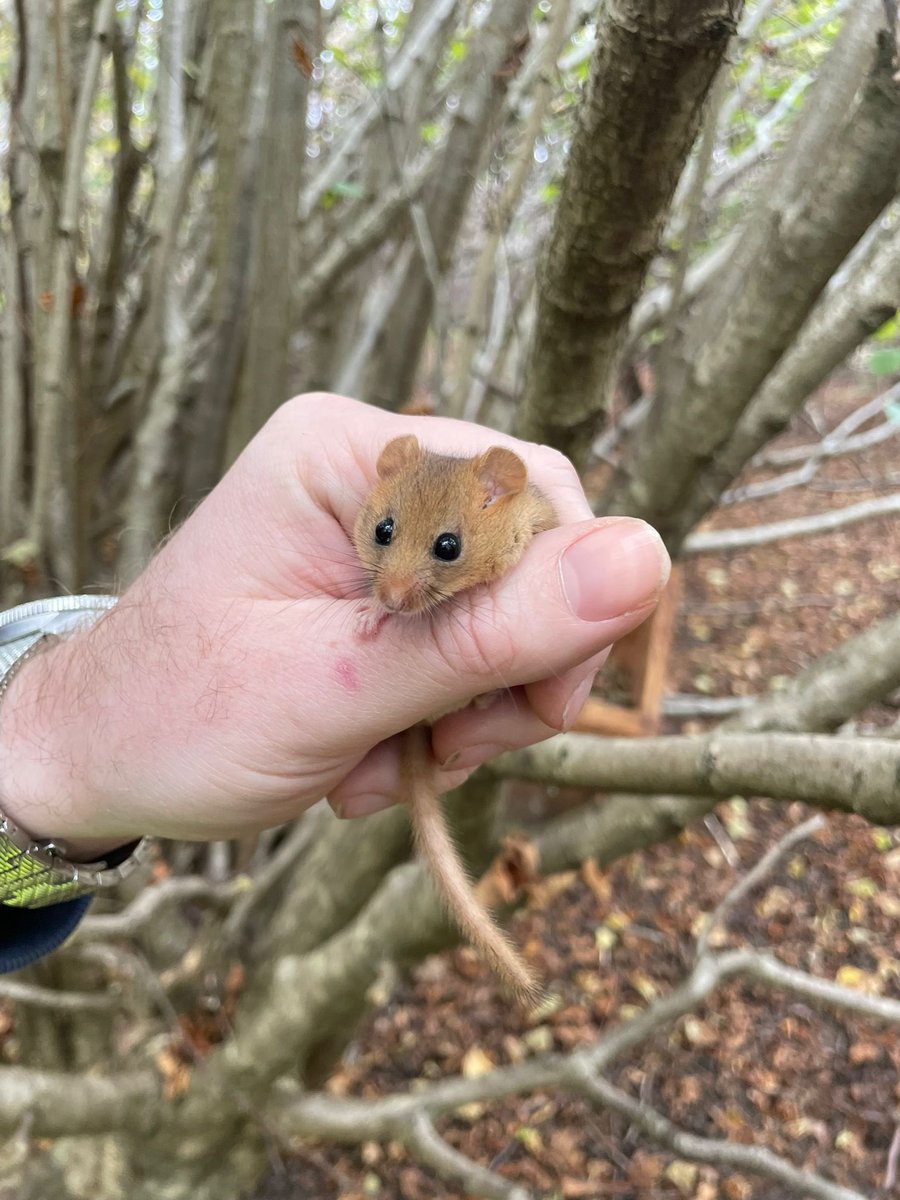
Did you know dormice hibernate at ground level?💤 They create tightly woven nests about the size of a tennis ball and curl up inside with their tail wrapped around their face and body to stay warm—just like the cutie in this picture!🐭
#HazelDormouse#UKWildlife#Ecology
😴 Did you know there are only three UK mammals that truly hibernate? Dormice, bats and hedgehogs!🐭🦇🦔
Hibernating is a state of inactivity characterised by lower body temperature, slower breathing and heart rate, and lower metabolic rate 💤
#UKWildlife#Hibernation
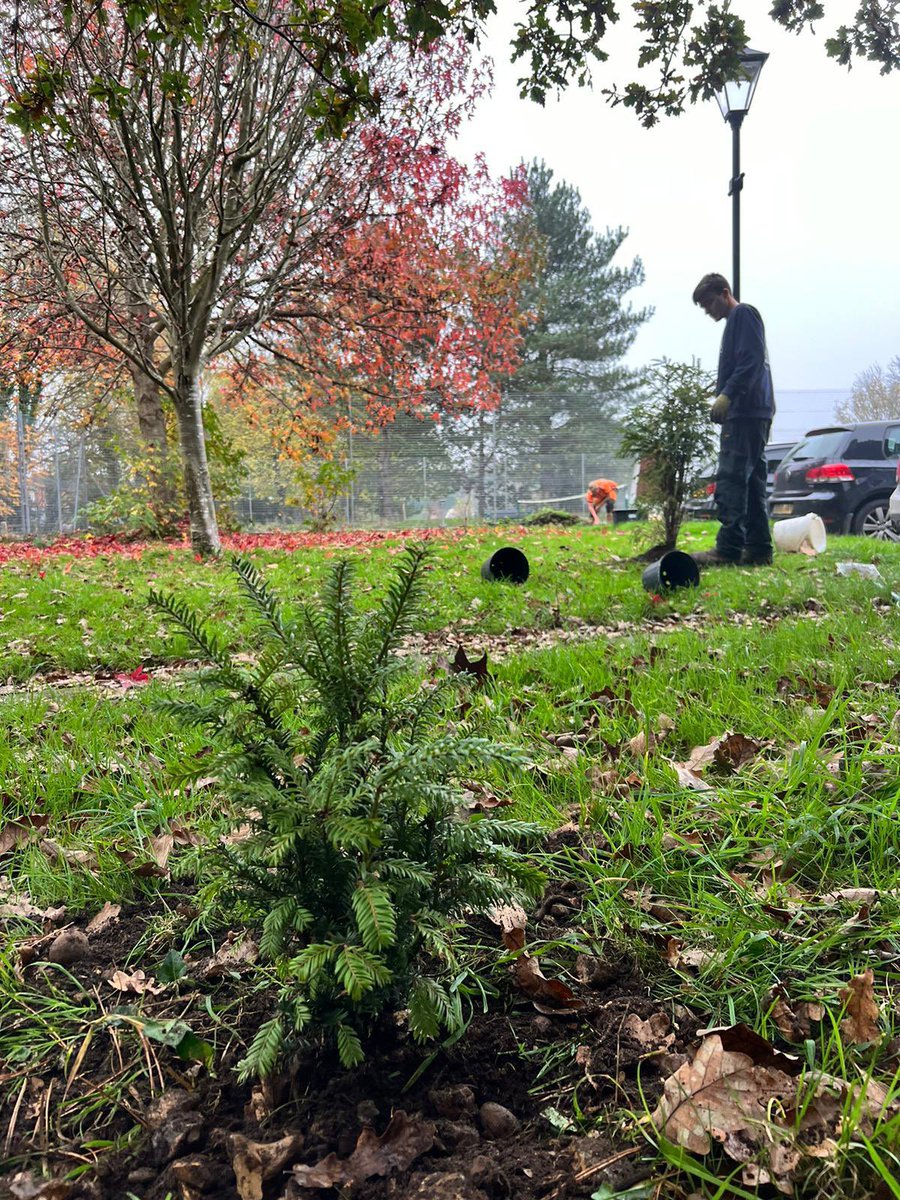
Our habitats team have been busy creating a new hedgehog hibernation feature and planting native trees for the local community!🦔🪵🍂🌳
Small steps like these make a big difference for wildlife and help keep our environment thriving🙌🏼
#WildlifeConservation#LocalCommunity
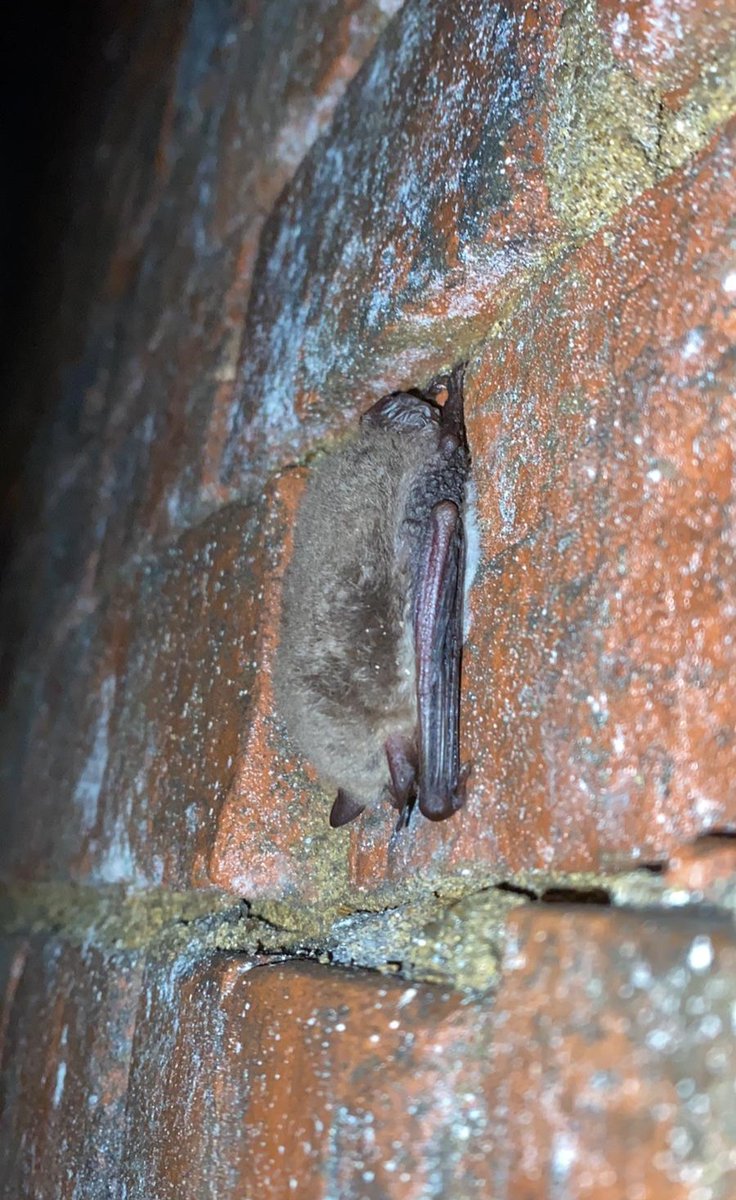
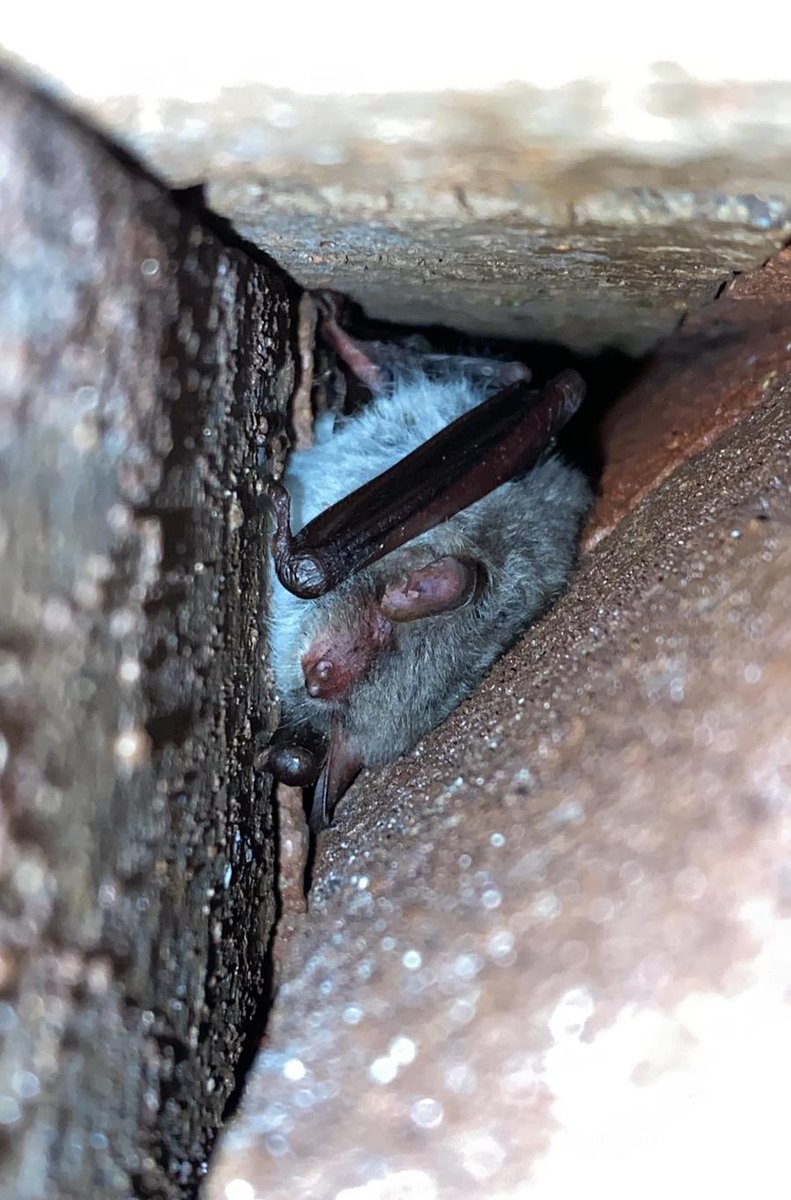
Some of our ecologists recently attended a bat trapping training course, where they expanded their skills in handling, species identification, and more!👏🏼
Here are some of the species found during the course:
🦇 Soprano Pipistrelle
🦇 Noctule
🦇 Daubenton’s
🦇 Bechstein’s
Have you ever seen a slow worm with blue spots?🐍 💙
This unique coloration is most commonly seen in older males and becomes more prominent during the mating season, serving as a display to attract females and ward off rivals!🐍
#SlowWorm#MatingSeason#UKWildlife#Reptiles
These bat-tastic pictures were taken by one of our project ecologists on a recent ECoW!🦇
📆 Bats in May:
🦇 Bats are now fully active and feeding
🦇 Females start forming maternity colonies and looking for suitable nursery sites
🦇 Males roost on their own or in small groups
One of our project ecologists recently caught this super cute video of a bat yawning!😍
📆 April bat facts:
🦇 Bats have mainly come out of hibernation
🦇 They are hungry and active and will be feeding on most nights🦟
🦇 They can become torpid again when cold🥶
🦇 Bats in March 📆
🦇 After spending the winter in hibernation, bats may begin to emerge and signs of limited activity can be seen 💤
🦇 Small numbers of bats will be feeding as it gets warmer 🦟
🦇 Bats may become torpid in bad weather 🌧️
#Bats#UKWildlife#BatsinMarch
Hazel dormice spend the winter in hibernation and will start to emerge during March🐭💤
Did you know that males will generally awaken about two weeks before females?🐭
#HazelDormouse#Dormouse#Hibernation#WildlifeinMarch
These awesome pictures were taken by one of our Project Ecologists whilst carrying out a hibernation check!🦇💤
The species pictured are:
🦇 Greater horseshoe bat
🦇 Lesser horseshoe bat
🦇 Natterer's bat
#Bats#Hibernating#Hibernationcheck#Ecology
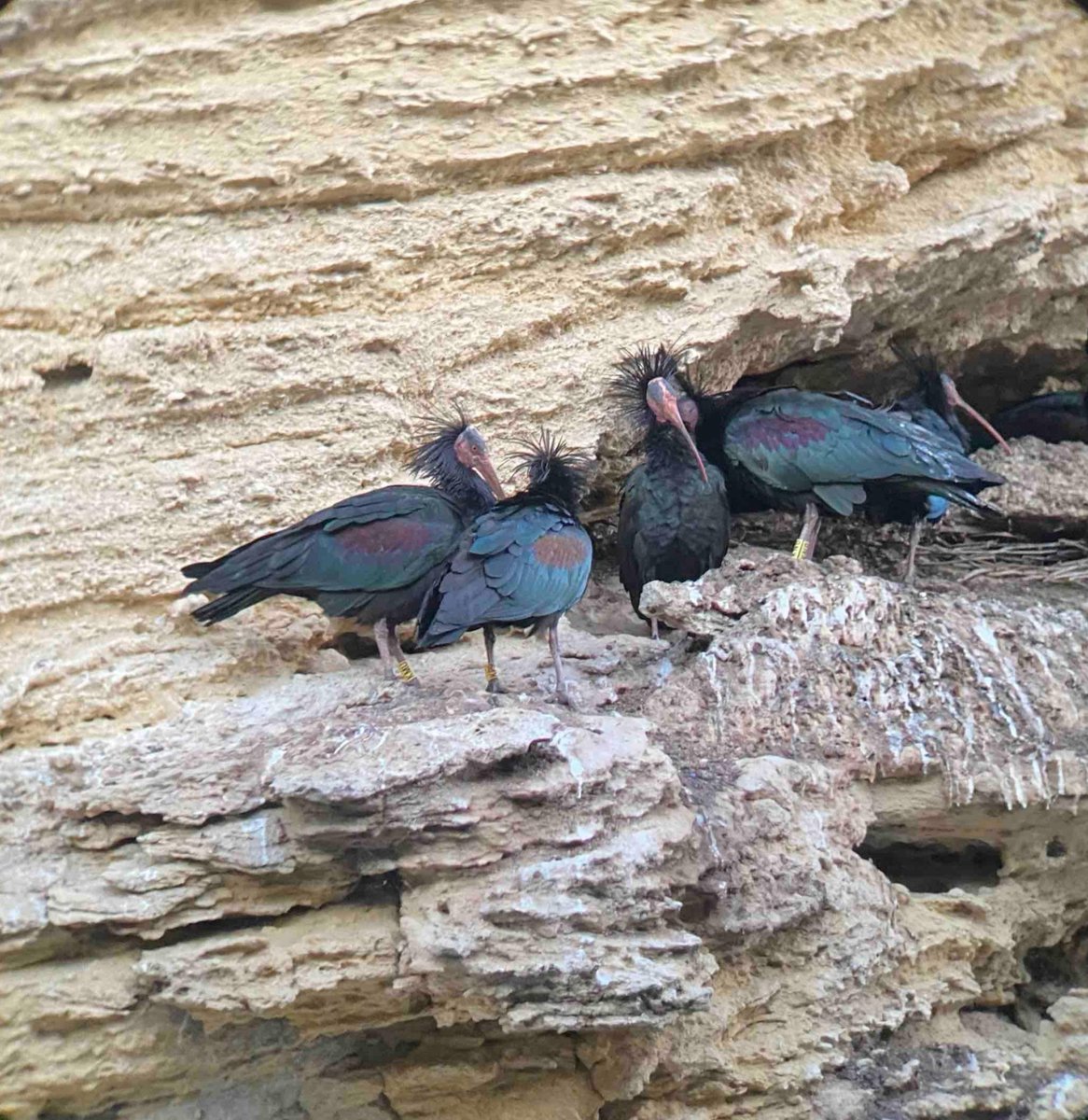
Our team feel incredibly lucky to have spotted the Northern Bald Ibis on our recent trip to Spain!🍀
The Northern Bald Ibis is one of the most endangered migratory bird species worldwide, so to see them in their natural habitat was a very special experience🥰✨
🦇Just hangin' out🦇
One of our ecologists took these incredible pictures during a hibernation survey!📸
Many species were found, including Natterer's, Daubenton's, brown long-eared, and pipistrelles!🦇
#HibernationSurvey#Ecology#BatSpecies#Bats#UKWildlife
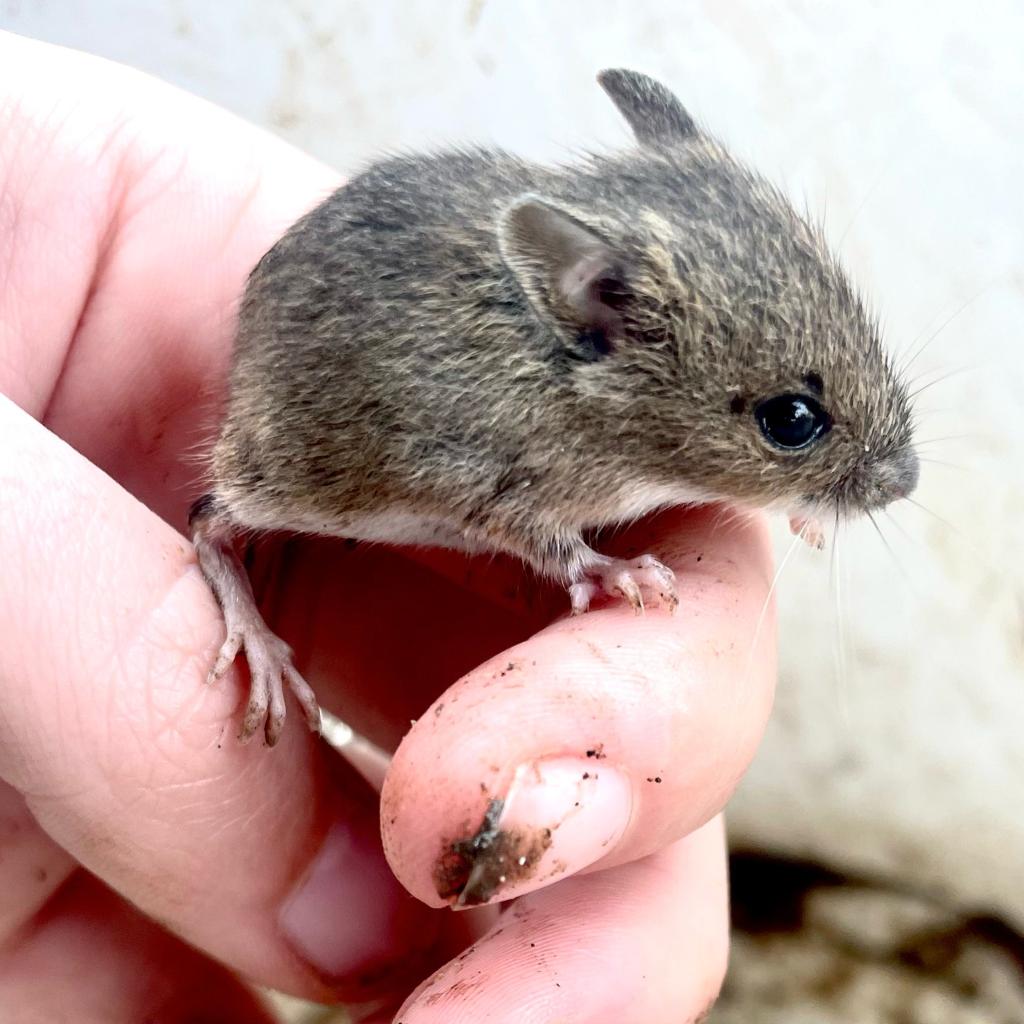
One of our ecologists saved this baby wood mouse (also known as a field mouse) during a recent ECoW🐭
Did you know?
🐭 Wood mice can shed the skin on their tail in a bid to escape predators😮
#ECoW#WoodMouse#Ecology#SpeciesProtection
Coprinus comatus - commonly known as shaggy inkcap, lawyer's wig, or shaggy mane🍄
Here you can see how the inkcap 'auto digests' into a thick inky liquid that drips from the cap's edges and is full of fungal spores. This liquefying aids the important dispersal of the spores🍄
🌳Tree Week🌳
Did you know that Kingley Vale in West Sussex has a grove of ancient trees which are estimated to be amongst the oldest living things in Britain?😮 It also has one of the finest yew forests in Western Europe!🌳
#NationalTreeWeek#YewTree#TreeFacts
We found this common frog under one of the mats on a reptile survey last month!🐸
Sadly, like many other species, frogs and toads have suffered dramatic declines due to habitat loss and fragmentation🛣 You can help our froggy friends by building a pond in your garden!⛲🐸
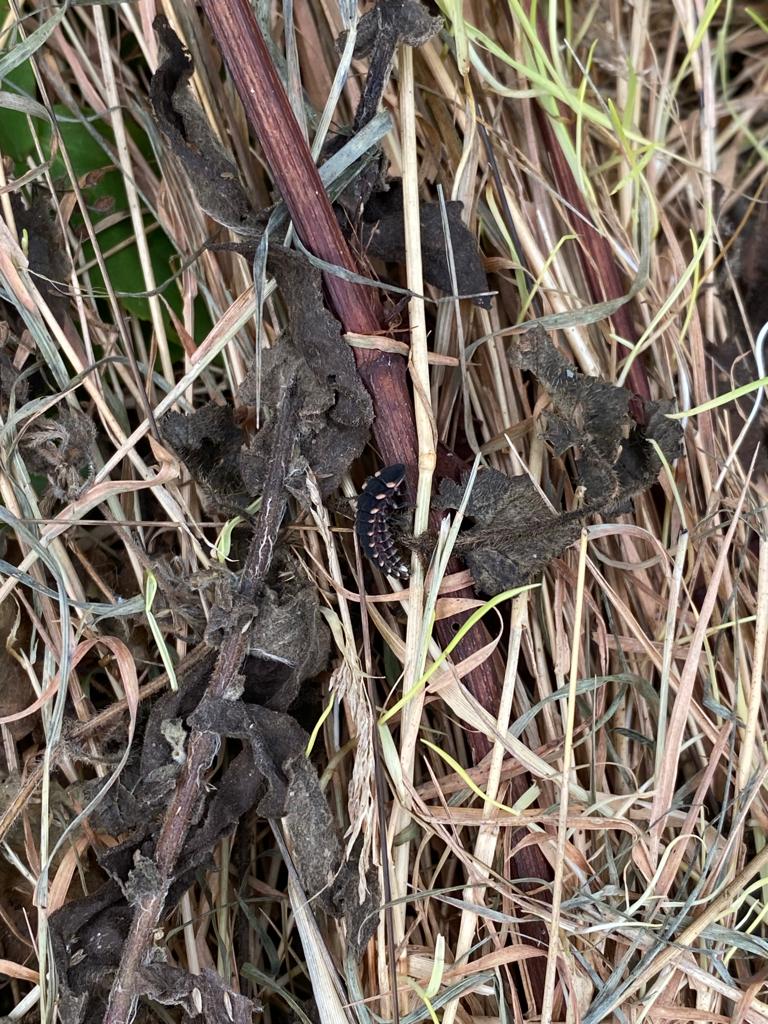
We have been spotting glow worms recently on our reptile surveys💡🐛
Did you know glow worms aren't worms at all? They’re actually beetles!😮
#GlowWorms#Wildlife#Bioluminescence#Ecology