This project is led by a consortium of four organisations; DW Akademie, NMT Media Foundation, Institute for Public Policy Research and Legal Assistance Centre.
#JournalismIsNotACrime
Today, 2 November, is the International Day to End Impunity for Crimes Against Journalists.
The United Nations General Assembly proclaimed this day in two thousand and thirteen. The date commemorates the killing of two French journalists in Mali on the second of November that same year.
This year, UNESCO marks the day under the theme: Threats evolve. Impunity endures.
Here is our statement here: https://t.co/zWBz63I2d3
The Ministry of Environment, Forestry and Tourism is hosting a public consultation on the draft Environmental Management Act Amendment Bill and the Draft Sand and Gravel Mining Regulations.
Industry players will give input and feedback on the proposed amendments and regulations before the bill goes to Parliament for debate.
Communities affected by mining and similar activities have long raised concerns about the environmental impact assessment process. They say free, prior and informed consent should be a requirement, not a suggestion.
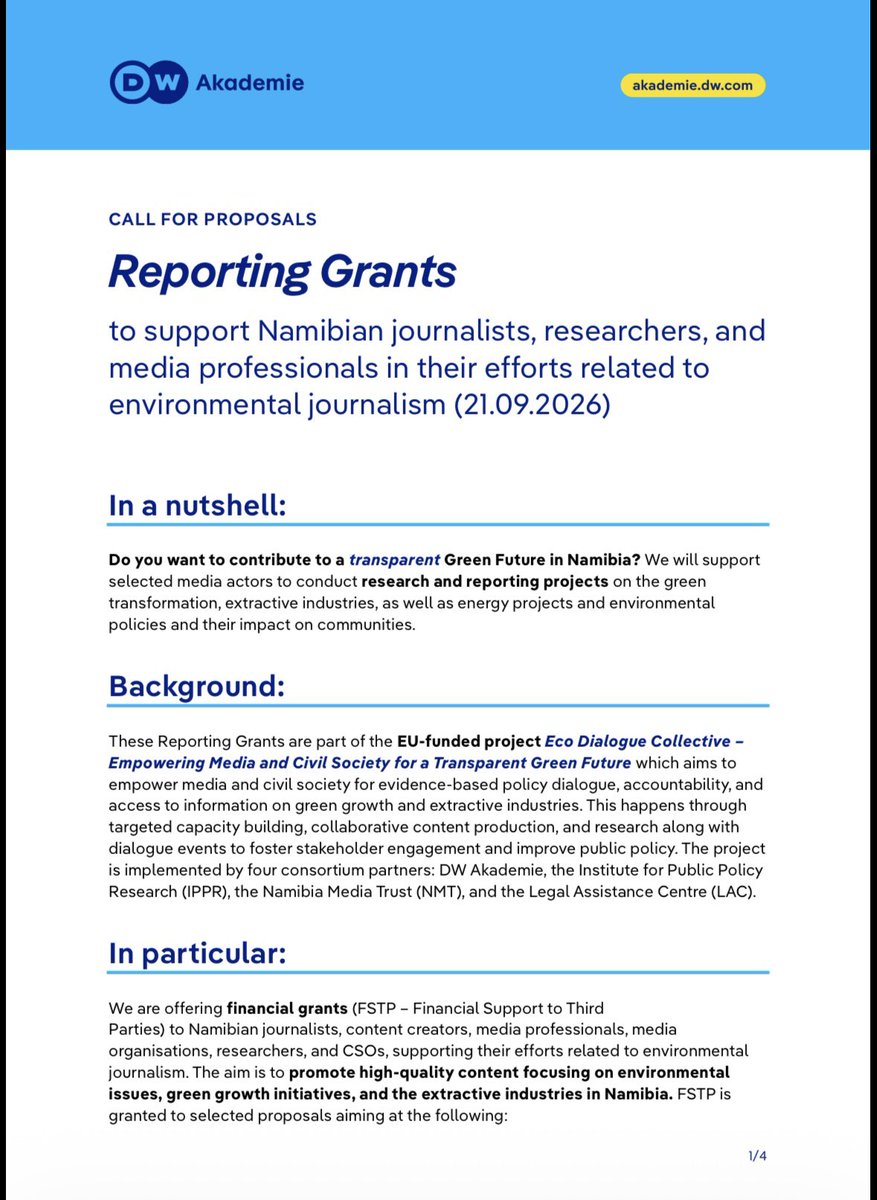
📢 CALL FOR PROPOSALS: Reporting Grants for Environmental Journalism in Namibia! 🌍📰
Are you a Namibian journalist, researcher, media professional, or CSO looking to make an impact?
Focus Areas: Green transition, environmental journalism, and extractive industries in Namibia
🗓️ Project Duration: December 2026 – May 202
How to Apply:
Submit your project overview, methodology, timeline, budget, and experience by October 5, 2026 (EOB).
Email: [email protected]
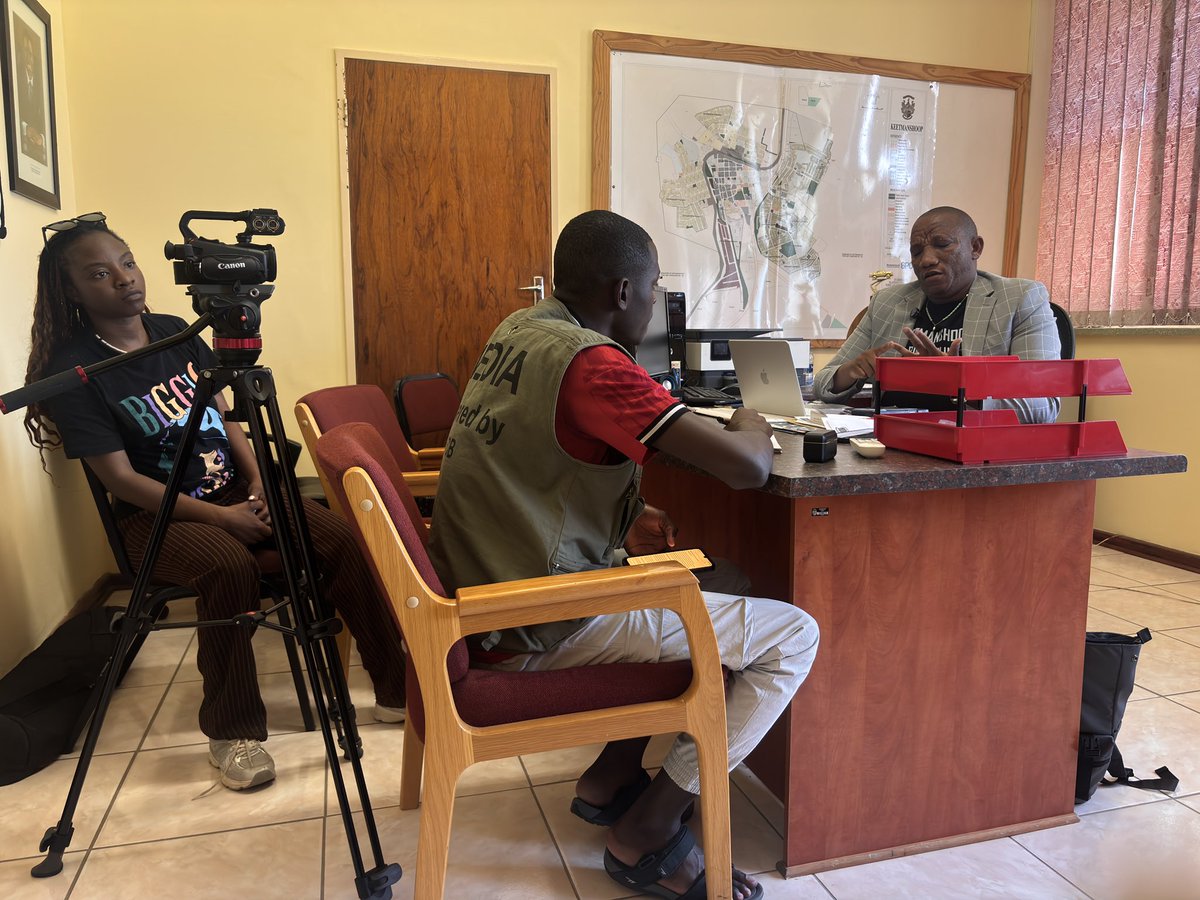
The Green Screen is the content production, curation and dissemination hub of the EU-funded Eco Dialogue Collective Project. We will continue to create safe, facilitated spaces where communities can speak, be heard and be part of the conversations shaping their future. 📢💚
THANK YOU, SOUTHERN NAMIBIA! 🙏🇳🇦
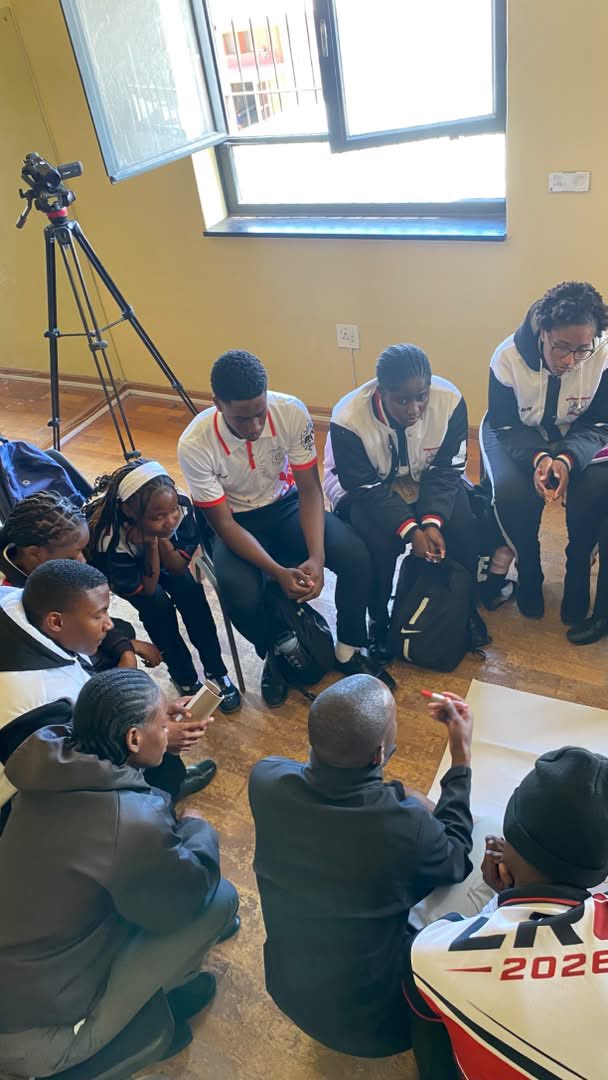
The Green Screen extends its sincere gratitude to every community that opened its doors and shared its voice with us. 🗣️💬
We also thank the marginalised communities, commercial farmers, youth, women, contractors, indigenous groups and traditional authorities who joined us. Your voices matter. 🤝🌍
He highlighted the SADC protocol on mining, especially Article 3 and Article 8 that requires states to improve public availability of information on mineral resources and to observe shared environmental protection standards.
The community earlier in the community dialogue expressed that they weren’t informed of ISL uranium recovery process works and the impact it will have on the Stampriet Transboundary Aquifer System.
Keulder said there was testing done with the water where the Headsprings Investments and Uranium One Group are already active and the results showed that there was already contamination. ⚠️🧪💧
The researcher said this contamination was not independently verified. 📋❓
HOW IS THE ISL URANIUM RECOVERY GOING TO IMPACT US? 🤔💧
A resident of Stampriet asks researcher Christie Keulder about the impact of the in-situ leach mining on the aquifer and whether the water will be safe for human consumption. 🗣️🚱
#stampriet#namibia#mining#greenscreen
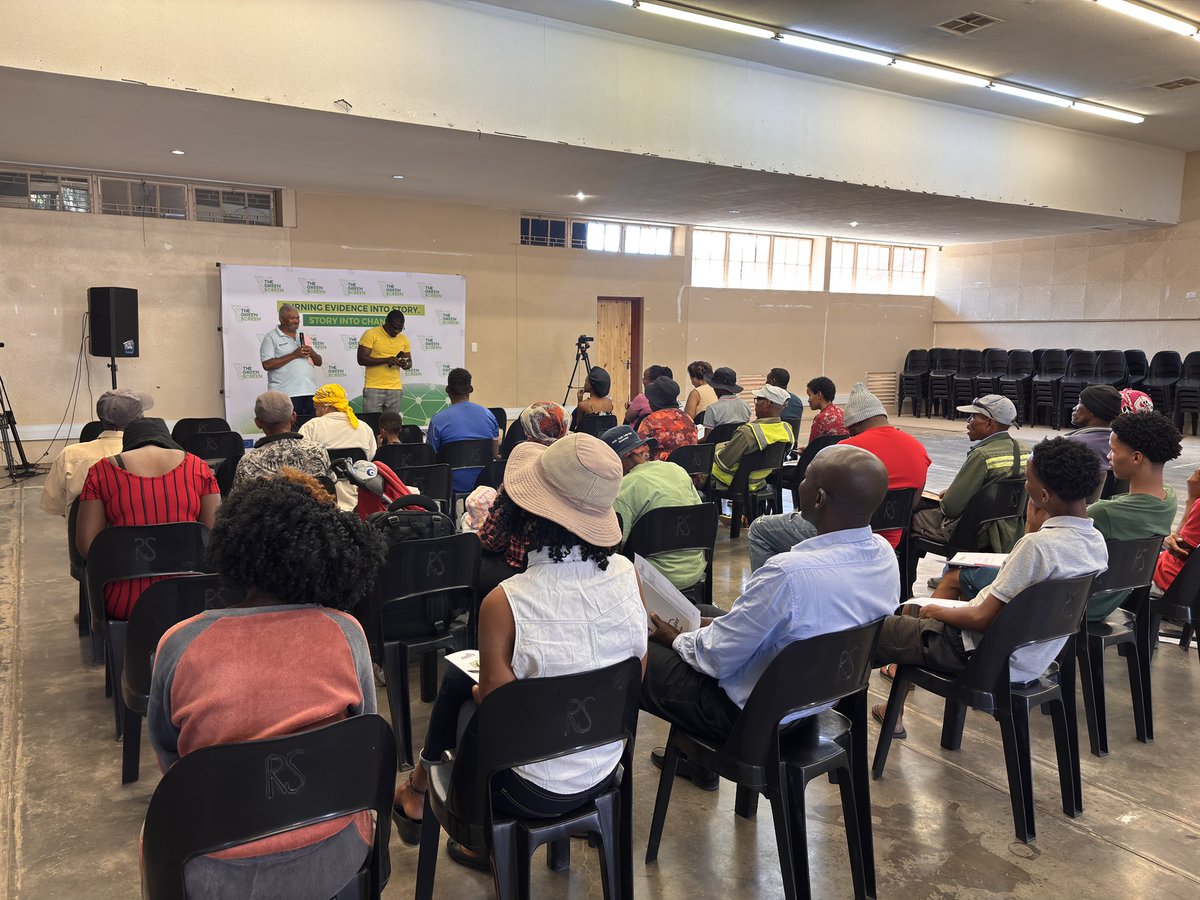
Keulder conducted research for the Friedrich-Ebert-Stiftung (FES) and he is giving an overview of the findings in the report. 📊📚
Community members have joined The Green Screen to voice their thoughts and concerns on the proposed mining project. 🗣️💬🤝