Scène insolite à Caen où une femme jette de l'eau sur les manifestants avant d'être aspergée à son tour par sa voisine du dessus. #5novembre https://t.co/K6Xuwps3B5
Ne se sachant pas en direct L. boulleau et B. latour nous font "une balbir" sur le plateau du canal champions club.
- LB : "on aura bien rigolé quand même"
- BL content de son pari sportif : "j'ai mis 9 et 10 (buts)". Heureux d'avoir gagné 500 balles sur les malheureux lensois.
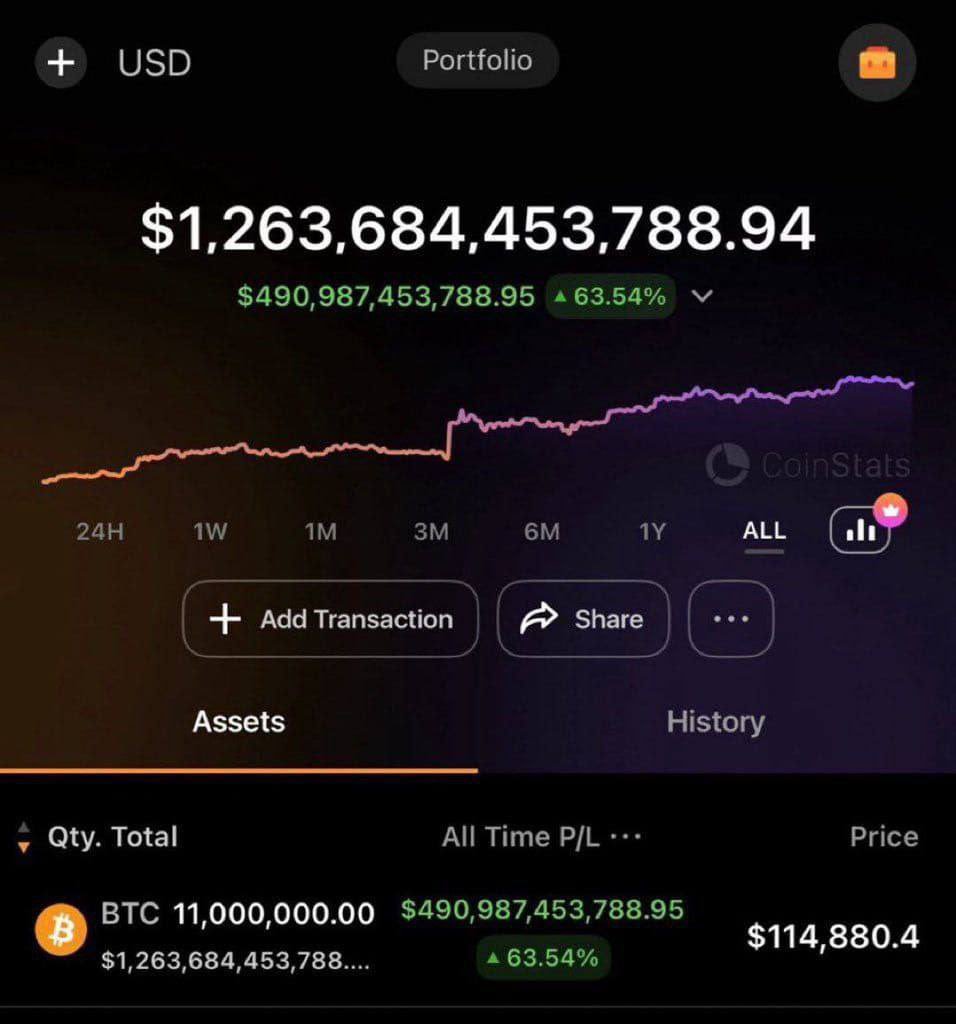
I'M OFFICIALLY A $BTC BILLIONAIRE! 🙏
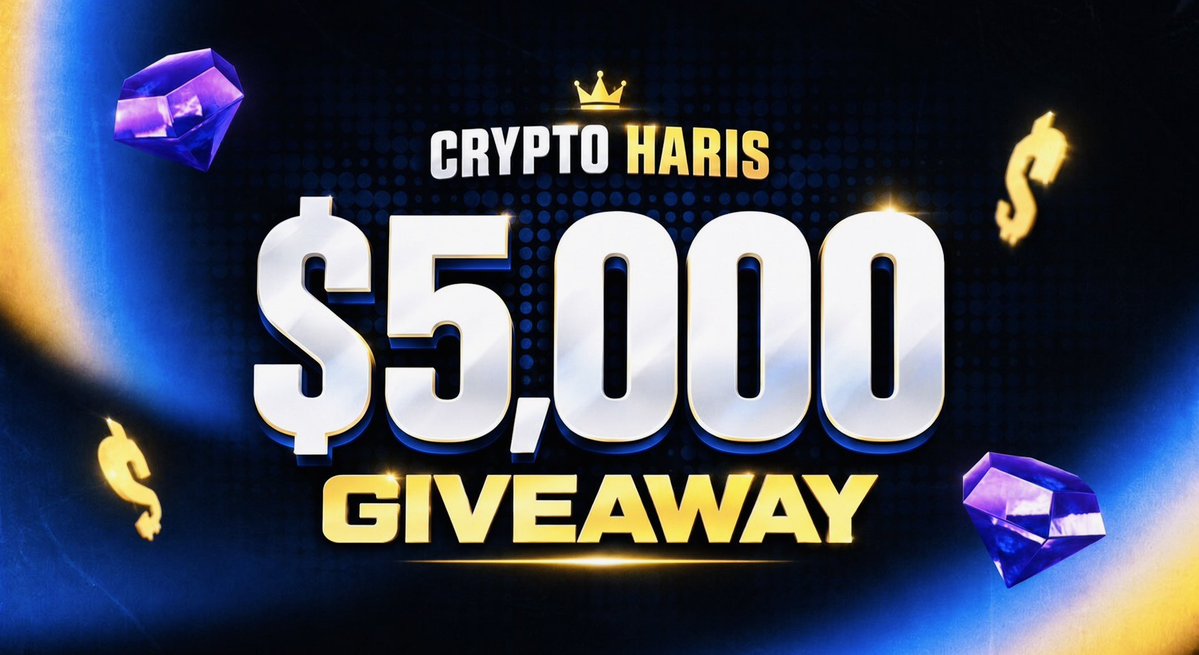
As I promised, I want to change someone’s life—giving away 1 #Bitcoin (~$85,000) to one lucky winner by tomorrow!
Like, RT, follow and comment 'DONE' to enter.
Winner announced in 48h! 🚀
Something interesting is happening around Zcash.
Look past the price for a second.
You have Winklevoss money, infrastructure and now an ETF filing.
You have Tyler & Cameron putting millions into Zcash development, backing mining infrastructure, and building financial exposure around the ecosystem.
You have Naval publicly framing Zcash as “insurance against Bitcoin.”
You had Arthur Hayes / Maelstrom publicly building a major zcash:native position and calling Zcash the “privacy beta.”
And this isn’t just Twitter posting.
There is actual capital.
Actual mining infrastructure.
Actual exchange infrastructure.
Actual protocol development.
Actual financial products being built around the asset.
That’s a very different signal from a bunch of influencers shilling a coin.
And here’s the part I find most interesting:
If Zcash completely failed from here, it wouldn’t just be a bad trade for some of these people.
It would put a dent in a thesis they’ve publicly attached their reputations to:
that financial privacy is going to matter enormously in an increasingly surveilled, AI-driven world.
That doesn’t mean they’ll magically create a price floor.
Markets don’t care about anyone’s reputation.
And Arthur Hayes is a perfect reminder of that he eventually exited after the Orchard vulnerability.
But it does mean something else:
The people building around Zcash have increasingly strong incentives to keep the network alive, secure, decentralized and relevant.
That’s the distinction.
They don’t necessarily need to “defend the price.”
They need to defend the thesis.
And if the thesis survives long enough, the price is the part the market eventually has to figure out.
Maybe Zcash fails.
Maybe it becomes irrelevant.
Or maybe we’re watching one of the strangest Bitcoin-adjacent bets of this cycle develop in real time:
Bitcoin for sovereignty.
Zcash for privacy.
And some very old Bitcoin legends seem increasingly unwilling to ignore that second half of the equation.
Just watching the pieces move.