😃Ya tienes tu @revistacomoves de abril?
⭐️Emocionada de ver en portada mi texto: “Secuelas del COVID: lo que (aún no) sabemos”
🤔Importante reconocer lo que ya sabemos y lo que aún nos falta…
👉🏻https://t.co/KMFsBNsl75👈🏻
🙏🏻#LongCovid#LongCovidKids
Great to meet with Secretary @m_ebrard earlier this morning to discuss @Cisco´s 40% manufacturing capacity expansion in Mexico over the last 12 months and our continued investment in the economic growth and job creation in Mexico.
1. Bueno, hoy es aniversario luctuoso de Marx, y voy a hacer mi obligado hilo (sí, se aguantan) para explicar 2 o 3 cositas sobre el capitalismo.
Y me voy a aprovechar del siempre fiable @manuelhborbolla, que se chutó un hilo lleno de tonterías deliciosas para comentar.
Vamos.
Why AI Won't Cause Unemployment
"In retrospect, I wish I had known more about the hazards and difficulties of [running] a business." -- George McGovern
Fears about new technology replacing human labor and causing overall unemployment have raged across industrialized societies for hundreds of years, despite a nearly continual rise in both jobs and wages in capitalist economies. The job apocalypse is always right around the corner; just ask the Luddites.
We had two such anti-technology jobs moral panics in the last 20 years — “outsourcing” enabled by the Internet in the 2000’s, and “robots” in the 2010’s. The result was the best national and global economy in human history in pre-COVID 2019, with the most jobs at the highest wages ever.
Now we’re heading into the third such panic of the new century with AI, coupled with a continuous drumbeat of demand for Communist-inspired Universal Basic Income. “This time is different; AI is different,” they say, but is it?
Normally I would make the standard arguments against technologically-driven unemployment. And I will come back and make those arguments soon. But I don’t even think the standand arguments are needed, since another problem will block the progress of AI across most of the economy first.
Which is: AI is already illegal for most of the economy, and will be for virtually all of the economy.
How do I know that? Because technology is already illegal in most of the economy, and that is becoming steadily more true over time.
How do I know that? Because, see the chart.
This chart shows price changes, adjusted for inflation, across a dozen major sectors of the economy.
As you can see, we actually live in two different economies.
The lines in blue are the sectors where technological innovation is allowed to push down prices while increasing quality. The lines in red are the sectors where technological innovation is not permitted to push down prices; in fact, the prices of education, health care, and housing as well as anything provided or controlled by the government are going to the moon, even as those sectors are technologically stagnant.
We are heading into a world where a flat screen TV that covers your entire wall costs $100, and a four year college degree costs $1 million, and nobody has anything even resembling a proposal on how to fix this.
Why? The sectors in red are heavily regulated and controlled and bottlenecked by the government and by those industries themselves. Those industries are monopolies, oligopolies, and cartels, with extensive formal government regulation as well as regulatory capture, price fixing, Soviet style price setting, occupational licensing, and every other barrier to improvement and change you can possibly imagine. Technological innovation in those sectors is virtually forbidden now.
Whereas the sectors in blue are less regulated, technology whips through them, pushing down prices and raising quality every year.
Note the emotional loading of the interplay of production and consumption here. What do we get mad about? With our consumer hat on, we get mad about price increases — the red sectors. With our producer hat on, we get mad about technological disruption — the blue sectors. Well, pick one; as this chart shows, you can’t have your cake and eat it too.
Now think about what happens over time. The prices of regulated, non-technological products rise; the prices of less regulated, technologically-powered products fall. Which eats the economy? The regulated sectors continuously grow as a percentage of GDP; the less regulated sectors shrink. At the limit, 99% of the economy will be the regulated, non-technological sectors, which is precisely where we are headed.
Therefore AI cannot cause overall unemployment to rise, even if the Luddite arguments are right this time. AI is simply already illegal across most of the economy, soon to be virtually all of the economy.
No vamos a defender a García Luna
No vamos a proteger al PAN
No vamos a justificar la corrupción
Sí vamos a defender la democracia electoral
Sí vamos a defender conquistas
Sí vamos a pelear por derechos
Ciudadanos libres, exigentes, participativos
Mañana 11 am al Zócalo
El @nytimes nos dice:
¿Cómo saber si aparato digestivo funciona bien?
✔️Al comer o beber no hay gran inflamación o dolor🫄
✔️Cada 1-3 días hay movimiento intestinal sin problema 🚽
➡️Reflujo, constipación, diarrea, molestias son signo de q algo podría estar mal…
Abro🧵
1/13
PSI.
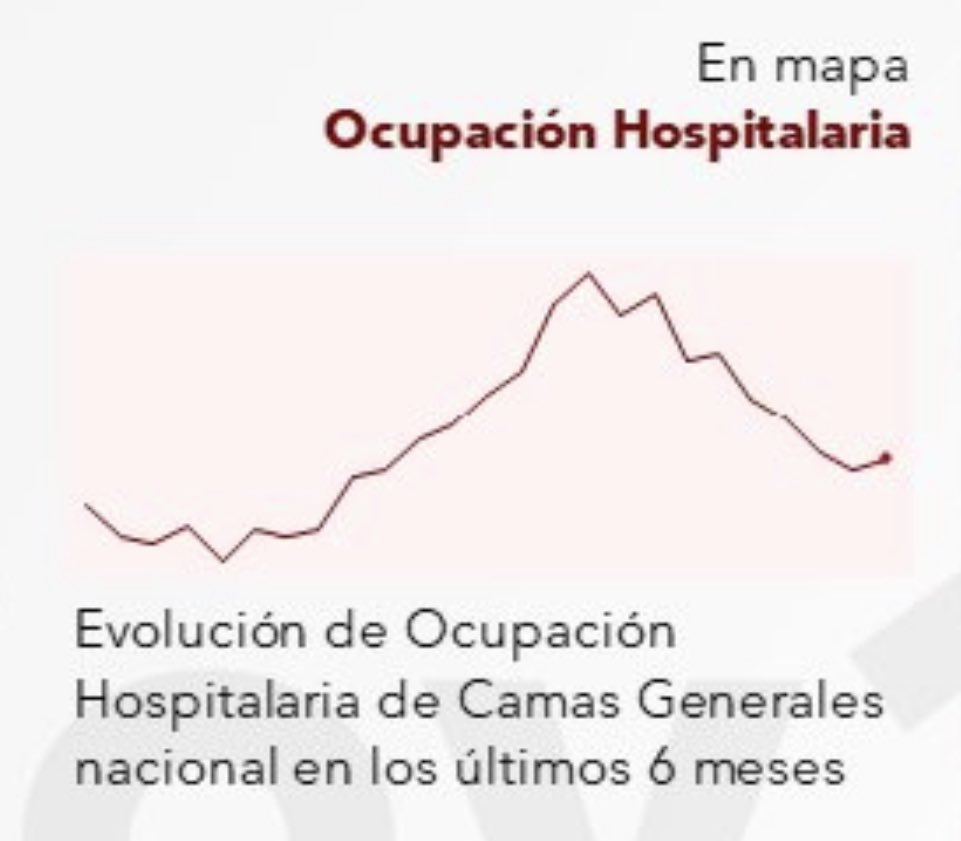
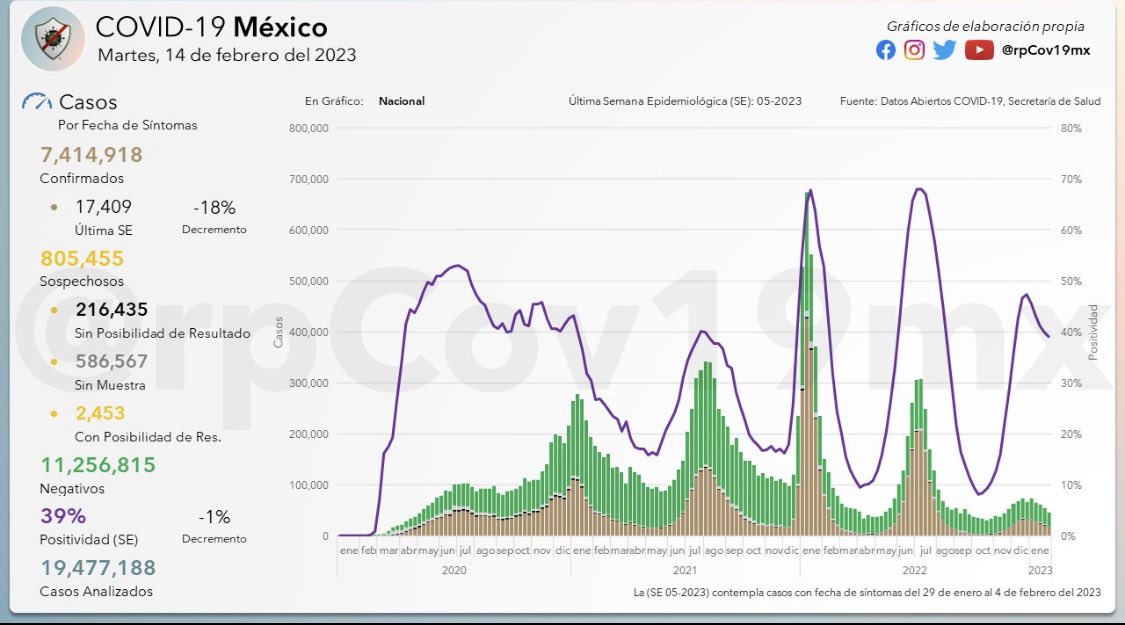
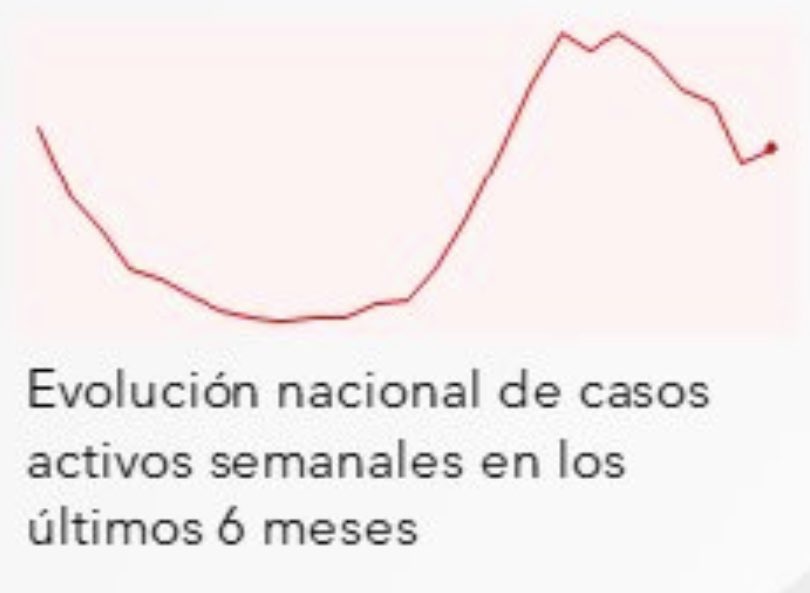
👉🏻Espero esto sea sólo un pequeño “tope”, pero 18 entidades están con incremento de casos activos de COVID -incluso hosp.- y la positividad de pruebas anda en 40%…
…Digo…Sólo para que no pase desapercibido…🤔
➡️…Qué sigan disfrutando del sábado en la noche💫🙏🏻✨
I've fought many ops outages, with the worst costing millions of dollars.
Here are 8 tips I learned from these high-pressure situations that could help you survive the next big one:
...Sabías que las personas más sanas y longevas del planeta no van al gimnasio...?
...Es más, de vez en cuando toman siesta...
Abro hilo 🧵sobre el concepto de las Zonas Azules
🧐🙂🥰😃
Descubramos el secreto...
1/16
#FelizSabado
The avian flu strain H5N1 is an emerging topic, which I briefly breakdown below. Although this is not a new type of flu (discovered in 2003) the amount of information on the current outbreak is minimal. Currently, archived info can be found on the CDC’s website.
Twitter is closing its doors to hobby bots like this one. They tell us a week before this happens.
There's been a lot of measured, well-mannered commentary from other makers of Twitter bots. I thought I'd share my uncensored thoughts instead.
Fuck this.
1/?
Google announces MusicLM: a model to generate music from text. Here are some crazy things it can do:
1. Given audio of a melody, it can generate new music inspired by that melody customized by prompts! Here's someone humming bella ciao turned into a cappella chorus, EDM, etc.















![pmarca's tweet photo. Why AI Won't Cause Unemployment
"In retrospect, I wish I had known more about the hazards and difficulties of [running] a business." -- George McGovern
Fears about new technology replacing human labor and causing overall unemployment have raged across industrialized societies for hundreds of years, despite a nearly continual rise in both jobs and wages in capitalist economies. The job apocalypse is always right around the corner; just ask the Luddites.
We had two such anti-technology jobs moral panics in the last 20 years — “outsourcing” enabled by the Internet in the 2000’s, and “robots” in the 2010’s. The result was the best national and global economy in human history in pre-COVID 2019, with the most jobs at the highest wages ever.
Now we’re heading into the third such panic of the new century with AI, coupled with a continuous drumbeat of demand for Communist-inspired Universal Basic Income. “This time is different; AI is different,” they say, but is it?
Normally I would make the standard arguments against technologically-driven unemployment. And I will come back and make those arguments soon. But I don’t even think the standand arguments are needed, since another problem will block the progress of AI across most of the economy first.
Which is: AI is already illegal for most of the economy, and will be for virtually all of the economy.
How do I know that? Because technology is already illegal in most of the economy, and that is becoming steadily more true over time.
How do I know that? Because, see the chart.
This chart shows price changes, adjusted for inflation, across a dozen major sectors of the economy.
As you can see, we actually live in two different economies.
The lines in blue are the sectors where technological innovation is allowed to push down prices while increasing quality. The lines in red are the sectors where technological innovation is not permitted to push down prices; in fact, the prices of education, health care, and housing as well as anything provided or controlled by the government are going to the moon, even as those sectors are technologically stagnant.
We are heading into a world where a flat screen TV that covers your entire wall costs $100, and a four year college degree costs $1 million, and nobody has anything even resembling a proposal on how to fix this.
Why? The sectors in red are heavily regulated and controlled and bottlenecked by the government and by those industries themselves. Those industries are monopolies, oligopolies, and cartels, with extensive formal government regulation as well as regulatory capture, price fixing, Soviet style price setting, occupational licensing, and every other barrier to improvement and change you can possibly imagine. Technological innovation in those sectors is virtually forbidden now.
Whereas the sectors in blue are less regulated, technology whips through them, pushing down prices and raising quality every year.
Note the emotional loading of the interplay of production and consumption here. What do we get mad about? With our consumer hat on, we get mad about price increases — the red sectors. With our producer hat on, we get mad about technological disruption — the blue sectors. Well, pick one; as this chart shows, you can’t have your cake and eat it too.
Now think about what happens over time. The prices of regulated, non-technological products rise; the prices of less regulated, technologically-powered products fall. Which eats the economy? The regulated sectors continuously grow as a percentage of GDP; the less regulated sectors shrink. At the limit, 99% of the economy will be the regulated, non-technological sectors, which is precisely where we are headed.
Therefore AI cannot cause overall unemployment to rise, even if the Luddite arguments are right this time. AI is simply already illegal across most of the economy, soon to be virtually all of the economy.](https://pbs.twimg.com/media/Fqaf-7JaQAA-R1W.jpg)