Nov 27: Through the will drawn up by Alfred Bernhard Nobel—the Swedish chemist, engineer, and industrialist who invented dynamite and other, more powerful explosives—the Nobel Prizes were established #OnThisDay in 1895.
Nov 22: The most notorious political murder in recent American history occurred on #OnThisDay in 1963, when John F. Kennedy, the 35th U.S. president (1961–63), was shot and killed in Dallas, Texas, while riding in an open car.
Nov 16: #OnThisDay in 1988, Benazir Bhutto, elected prime minister of Pakistan on this day in 1988, became the first woman in modern history to lead a Muslim country, serving as prime minister from 1988 to 1990 and again from 1993 to 1996.
Nov 11: #OnThisDay at 5:00 in 1918, the Allied powers and Germany signed an armistice document in the railway carriage of Ferdinand Foch, the commander of the Allied armies, and six hours later World War I came to an end.
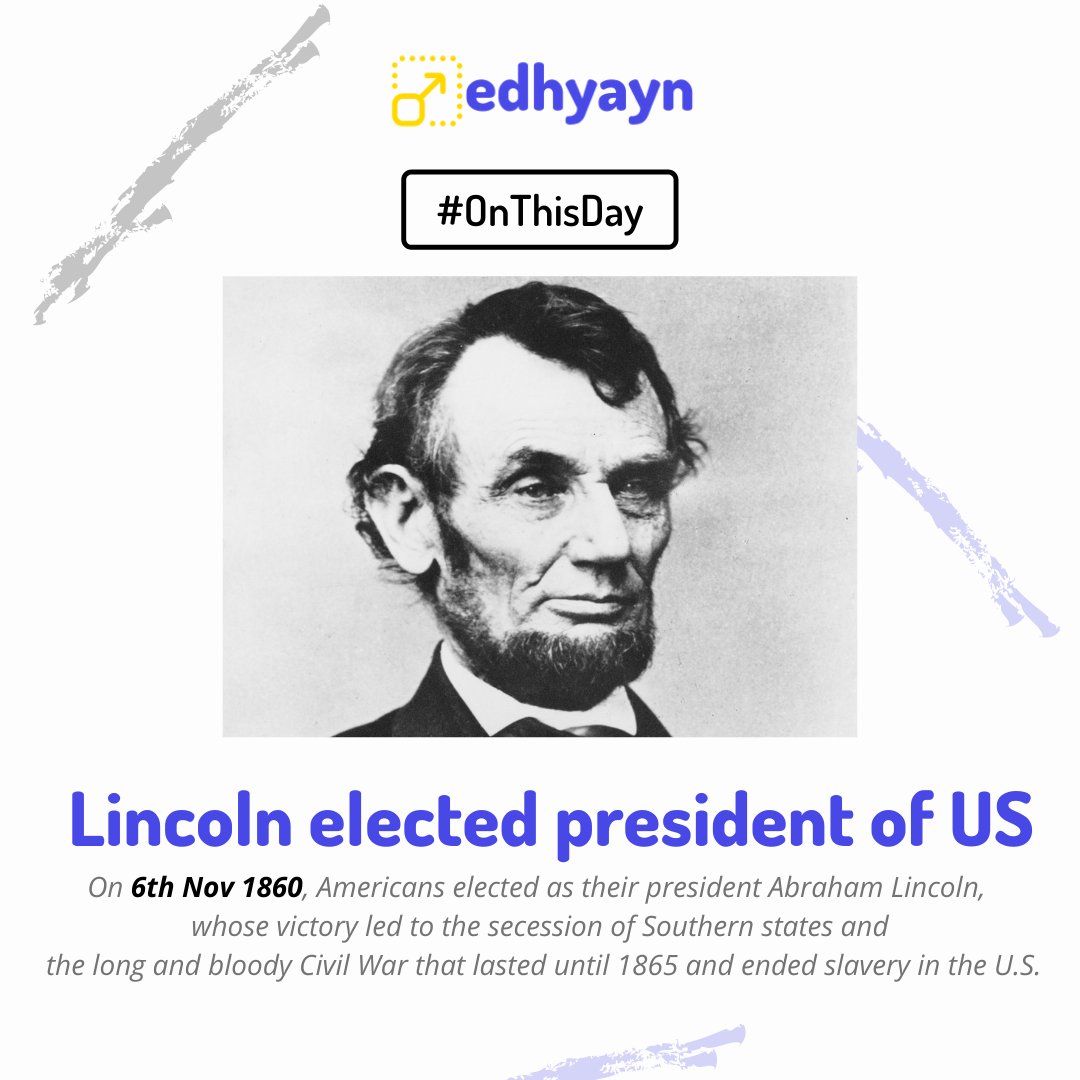
Nov 6: #OnThisDay in 1860, Americans elected as their president Abraham Lincoln, whose victory led to the secession of Southern states and the long and bloody Civil War that lasted until 1865 and ended slavery in the U.S.
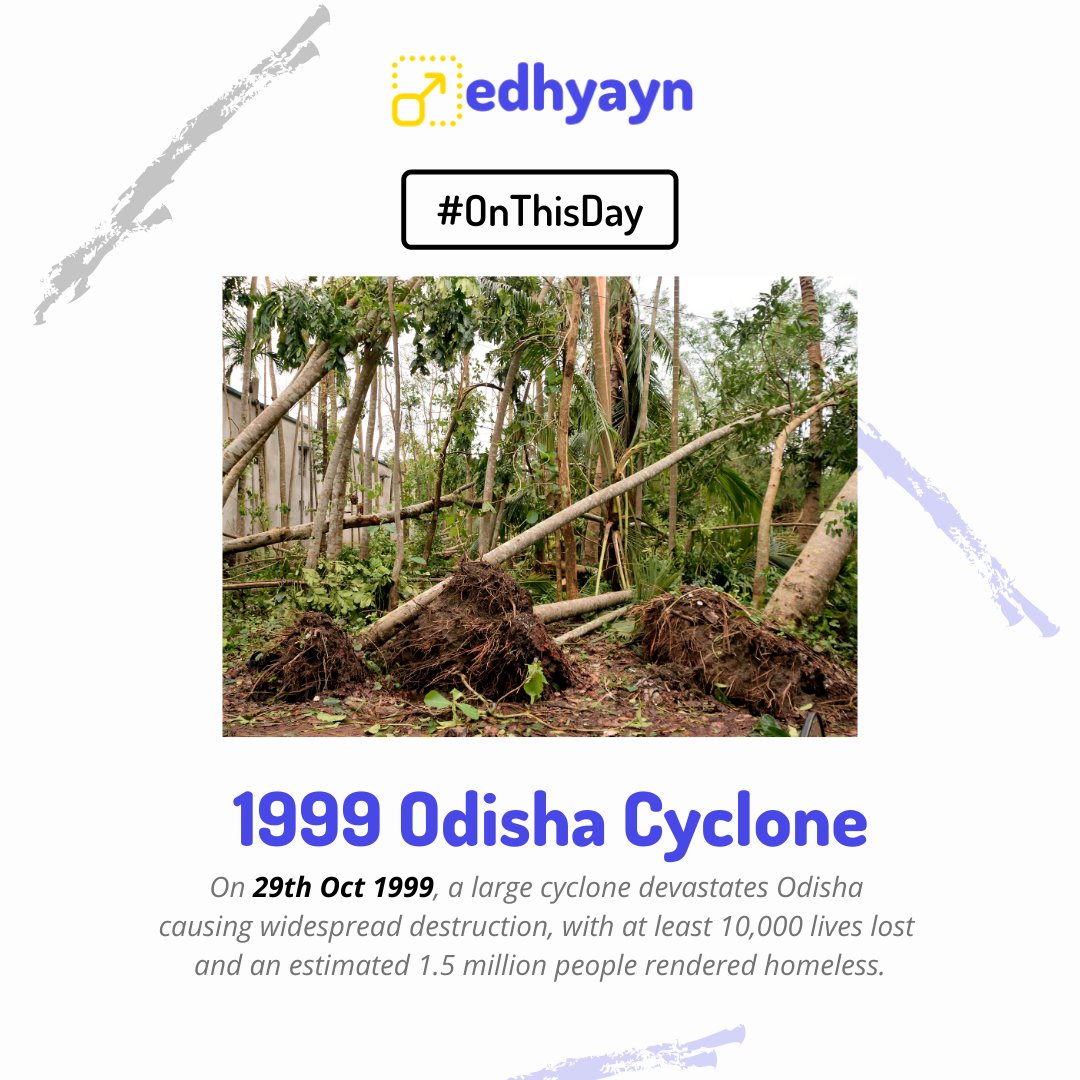
Oct 29: #OnThisDay in 1999, a large cyclone devastates Odisha causing widespread destruction, with at least 10,000 lives lost and an estimated 1.5 million people rendered homeless.
Oct 19: #OnThisDay in 1910, Indian-American Nobel Laureate S. Chandrasekhar was born. He was awarded the 1983 Nobel Prize for Physics with William A. Fowler for "...theoretical studies of the physical processes of importance to the structure and evolution of the stars"
Oct 17: #OnThisDay in 1979, Mother Teresa, founder of a Roman Catholic order of women dedicated to the poor and particularly to the destitute of India, was named the recipient of that year's Nobel Prize for Peace.