10.juli 2026:
"Gospodaru moj, udalji od mene oko zavidnika, srce onog koji mrzi, prijateljstvo dvoličnjaka, ljubav lažova i spletku izdajnika."
#dova#amin
Quran says again and again
“And future will be better for you than the past” (93:4)
“If the hurt comes, so will the happiness” (94:5-6)
“So remember me and I will remember you” (2:152)
Never forgive.
Never forget.
They knew what they were doing.
Bosnia, April 1996.
In a classroom of 26 students, 20 are refugees from Srebrenica. The teacher asks, "Who has lost their father?" 18 hands go up.
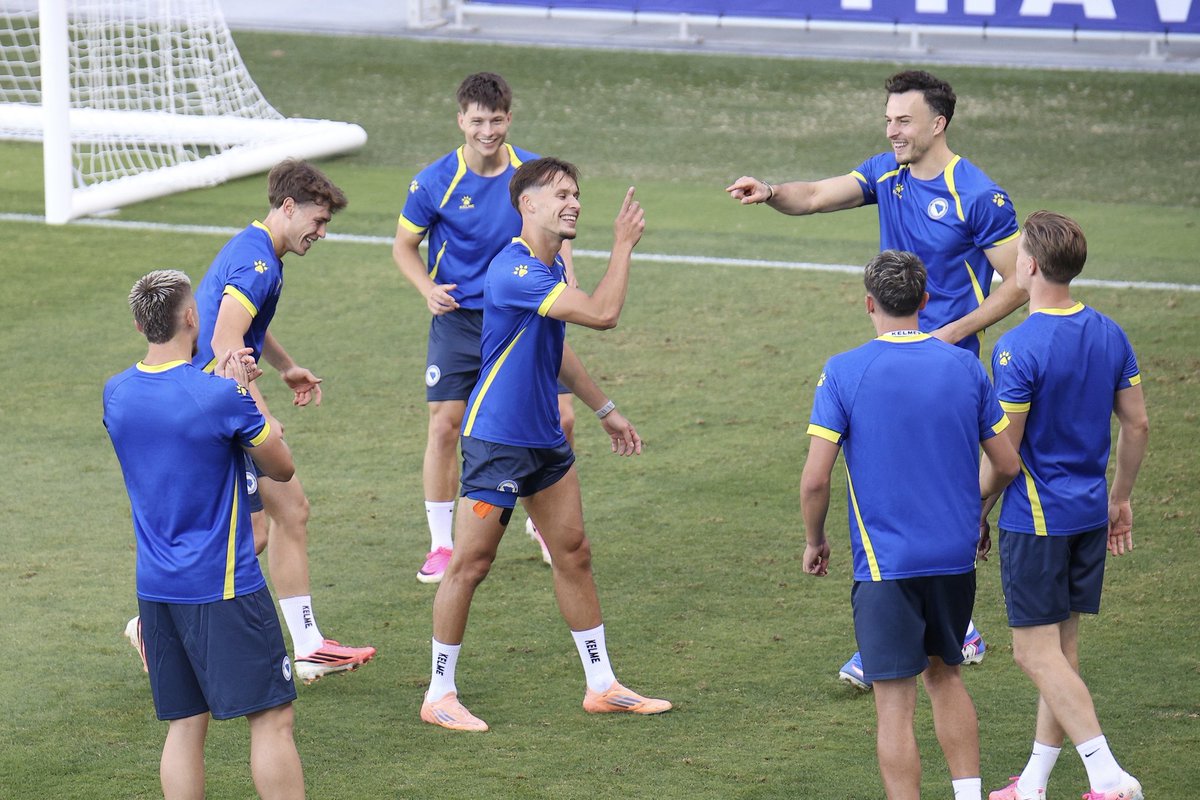
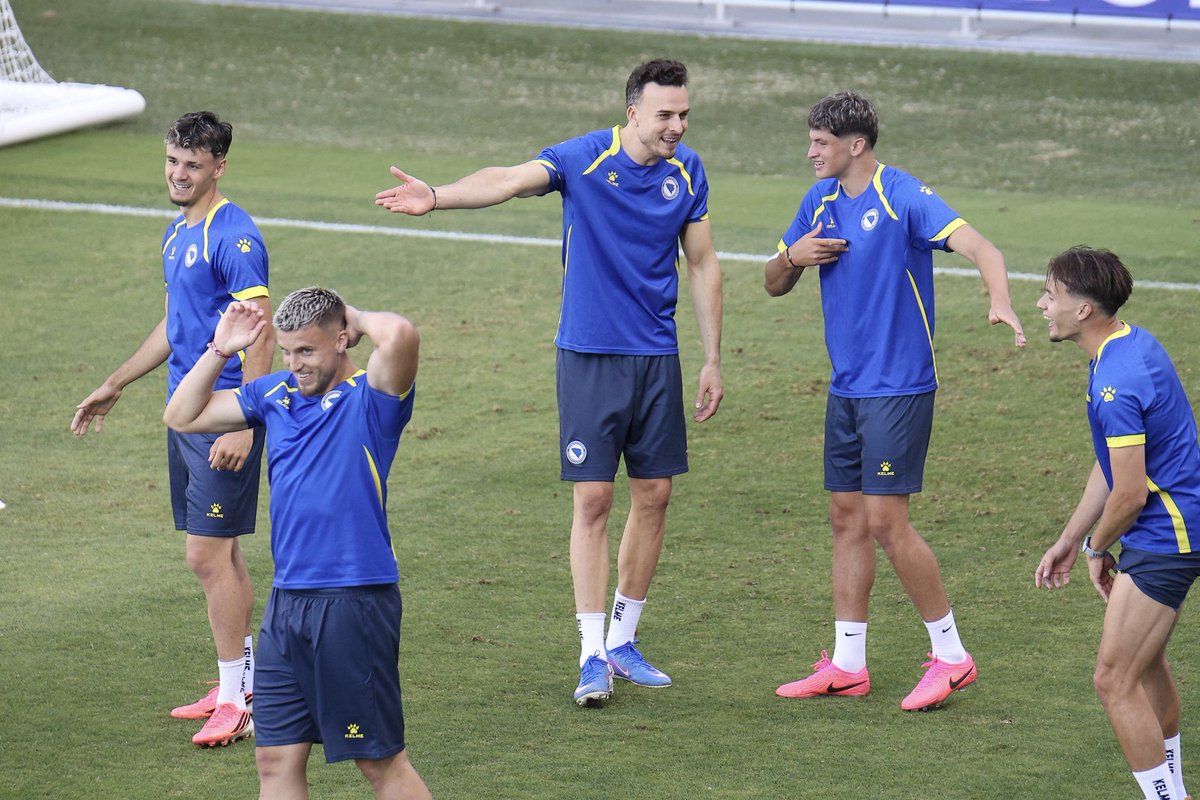
Teško je pronaći reprezentaciju koja je voljenija od ove, piše FAZ. "Navijači stadione pretvaraju u more plave i žute boje, pune barove i pjevaju ljubavne pjesme. Da, doslovno ljubavne pjesme. Kada s navijačima razgovarate o tome šta im znače ovi dani Svjetskog prvenstva, gotovo svi kažu isto: Ovdje nije riječ samo o fudbalu."
VIŠE na https://t.co/EMBN0I5Z1l
Bosnia and Herzegovina face the US today in their 2026 #FIFAWorldCup Round of 32 clash.
Bosnian player Esmir Bajraktarevic was born in the US to a family shaped by the Srebrenica genocide. For him, this game is about more than football.
A sandal attributed to Prophet Muhammad (ﷺ) is displayed at the Topkapi Palace Museum in Istanbul, where it is preserved alongside other revered Islamic relics.
The relic is housed in the palace’s Sacred Relics Chamber and came under Ottoman care after the conquest of Egypt in the 16th century, when the Ottomans inherited significant Mamluk collections.
Islamic tradition traces these sandals to the 7th century, corresponding to the lifetime of the Prophet (ﷺ). They are commonly referred to as “Nalain Shareef” and are held in deep reverence by many Muslims.
Its attribution is based on historical chains of transmission and traditional accounts, rather than modern scientific authentication, reflecting the way many sacred relics have been preserved and honored through Islamic history.






![Al__Quraan's tweet photo. “My success comes only through Allah.”
— Al Qur’aan [11:88] https://t.co/pf1o5PR9eW](https://pbs.twimg.com/media/HMJWhh4bMAEiTnk.jpg)


![Al__Quraan's tweet photo. “Don’t be sad. Allah is with us.”
— Al Qur’aan [9:40] https://t.co/0CBG80Nird](https://pbs.twimg.com/media/HLQQlmqaQAA9PRn.jpg)


