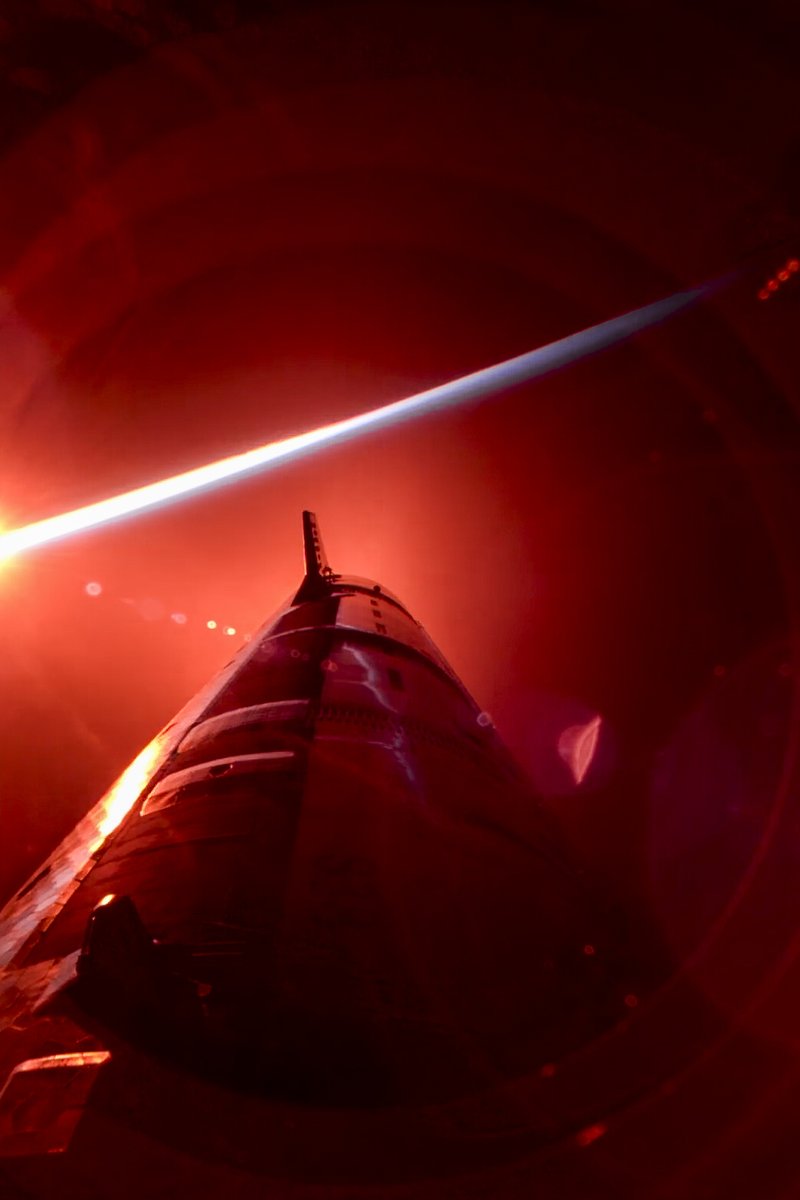
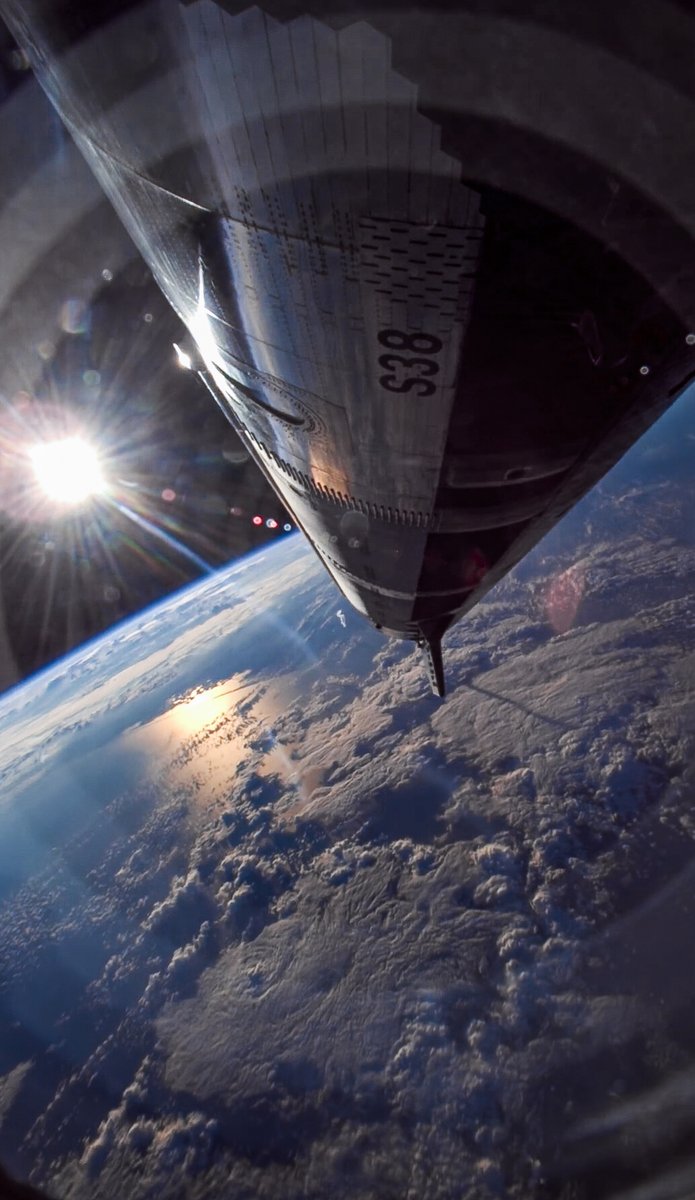
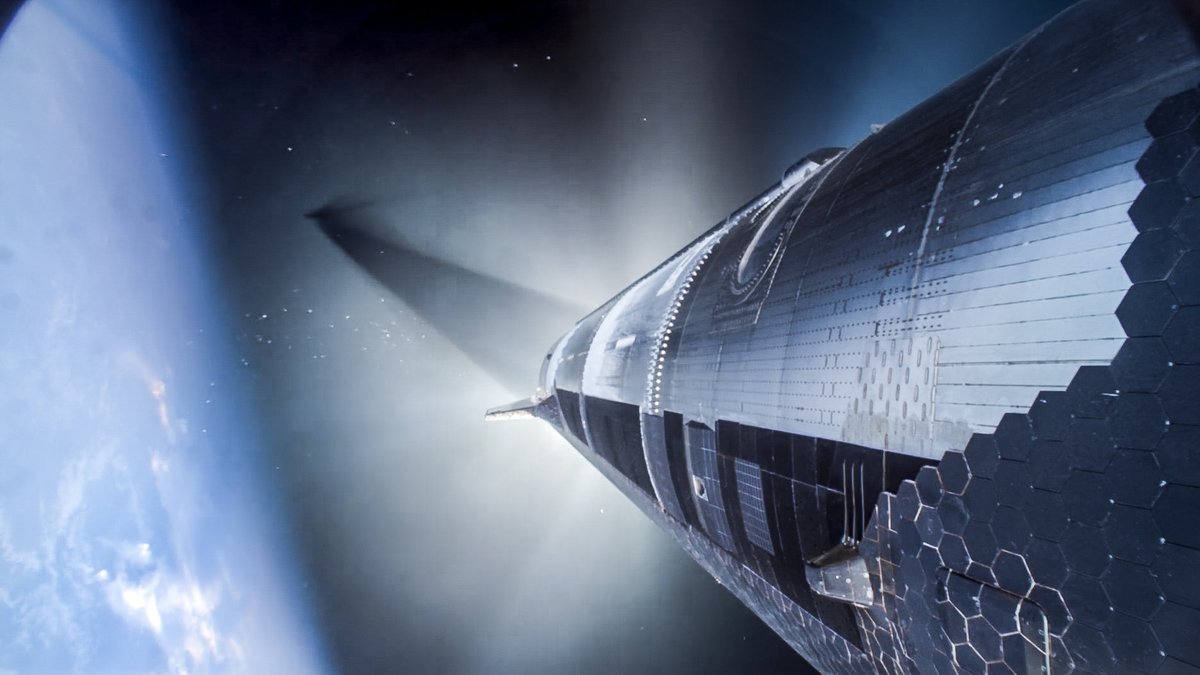
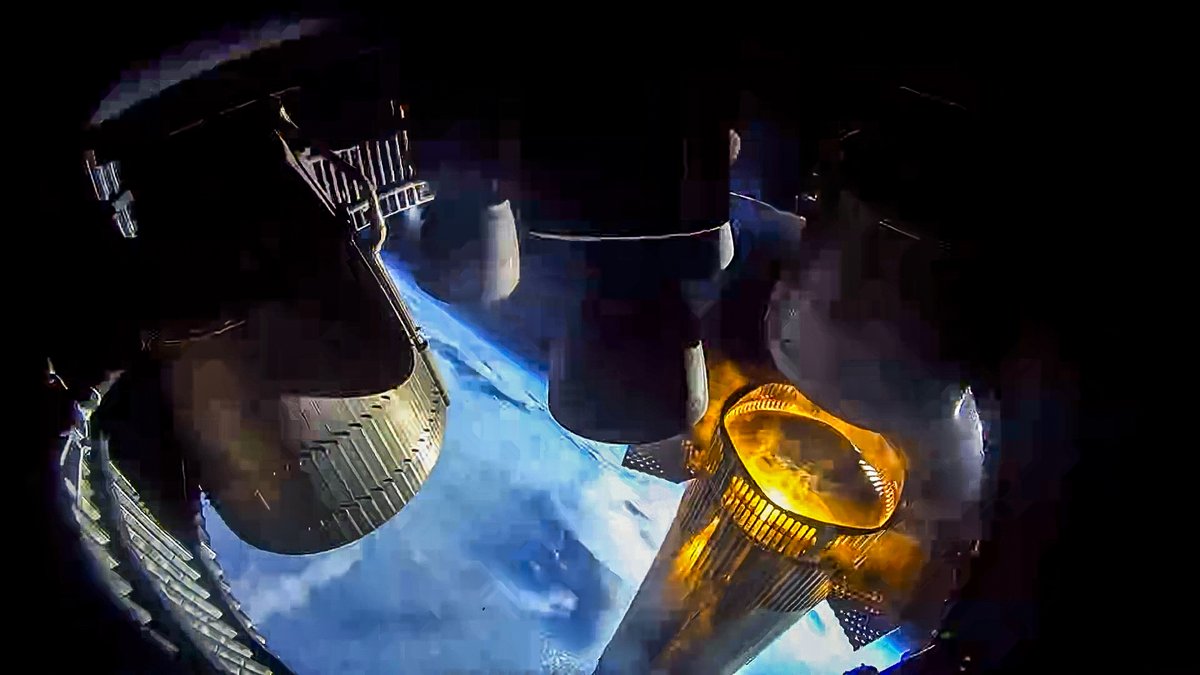
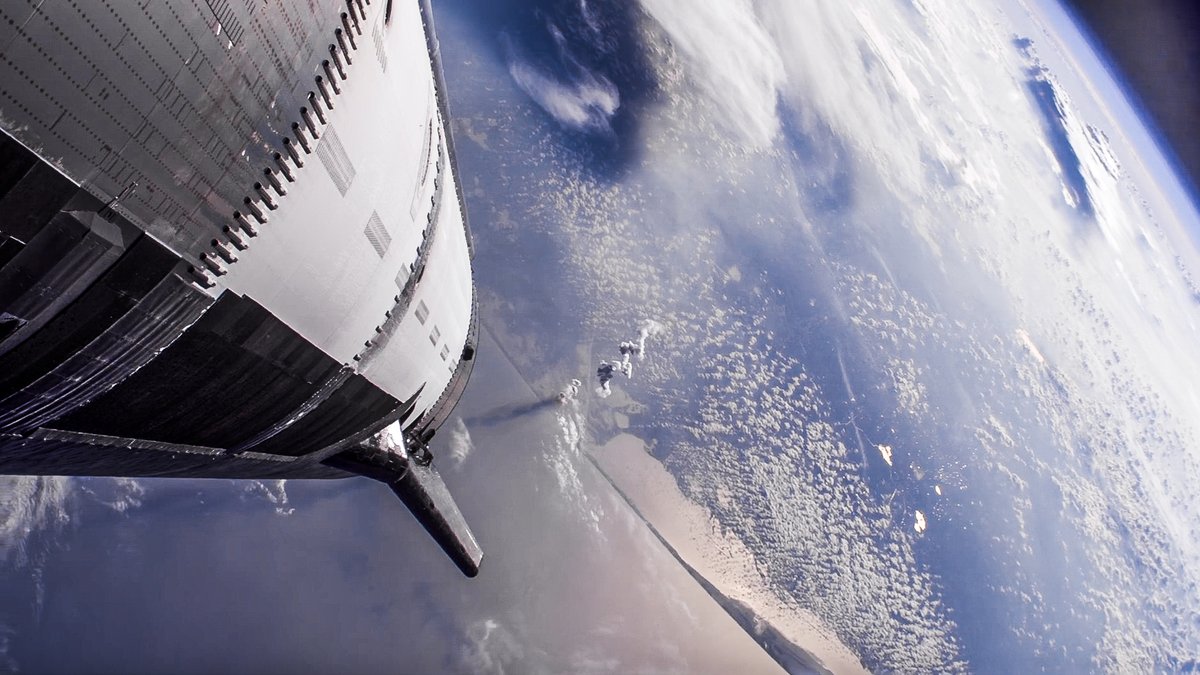
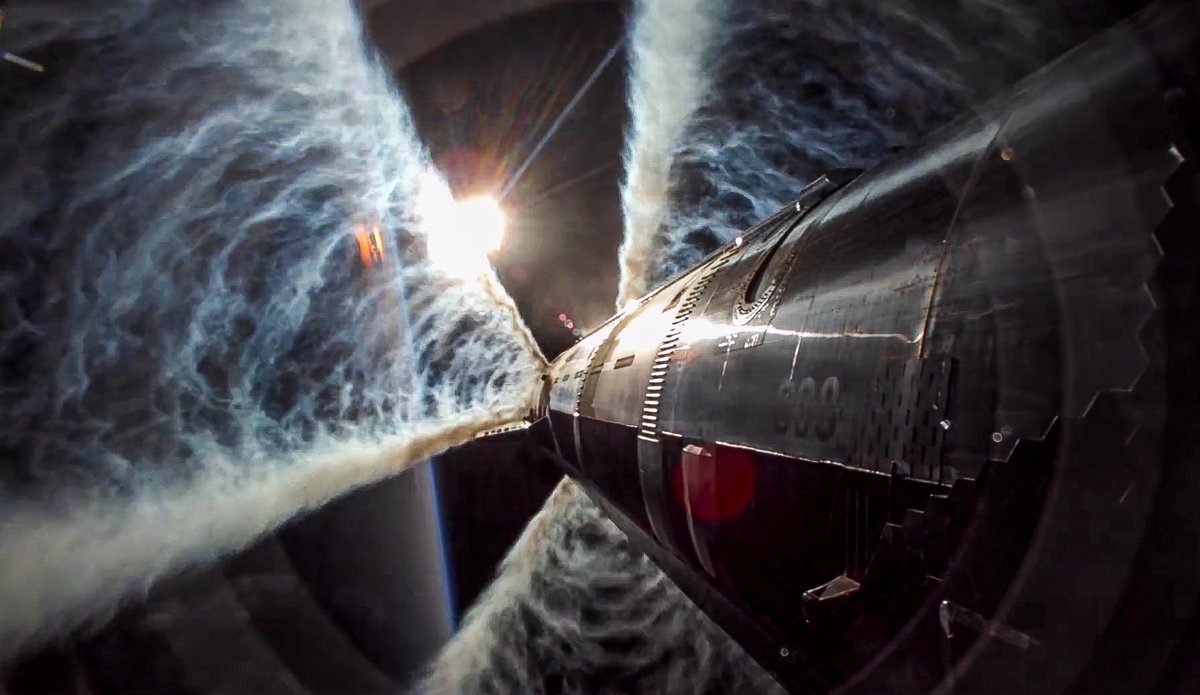
Three years since the first flight of Starship, the next generation is here. New ship. New booster. New engines. New pad and new test site. SpaceX engineers are working to solve one of the most difficult engineering challenges in history: developing a fully, rapidly reusable rocket
No one on Earth can out-innovate an American entrepreneur once freed from the dead weight of a stifling bureaucracy.
We will forge a new Arsenal of Freedom. Thank you @elonmusk
This is a real video of a past @SpaceX Starship water landing.
Trying again tomorrow.
We need to perfect ship reentry at extreme temperatures before attempting to catch the ship with the tower arms, like the booster.
After flying to a peak altitude of ~90km, traveling more than 60 km downrange from Starbase, and completing its boostback burn and coast, Super Heavy ignited its landing burn less than 40 meters away from the preflight target.
The Raptor engines and booster guidance system precisely maneuvered the vehicle through the highest wind speeds yet for a Super Heavy landing burn.
Upgrades to the chopstick controls enabled them to start wider and move earlier for catch, expanding the envelope for booster landing burn trajectories.