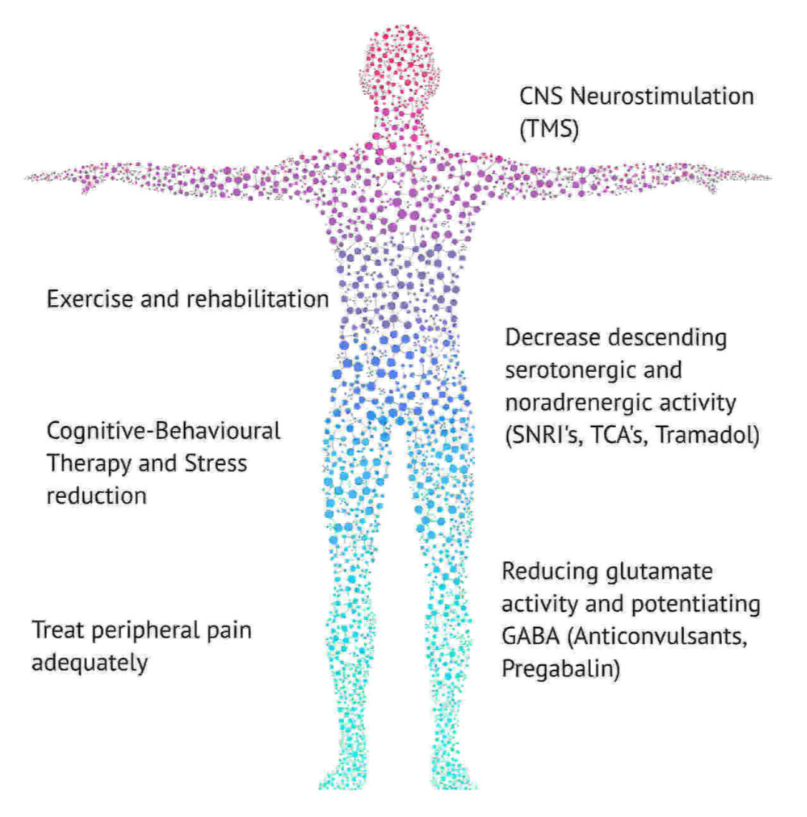
Non-pharmacological treatment should not be treated as an optional extra.
Management may include:
- patient education
- graded exercise
- cognitive behavioural therapy
- sleep interventions
Medication alone rarely addresses the full syndrome.
Fibromyalgia treatment often fails when the condition is treated only as a “pain problem”.
Here’s how to tell whether pain, fatigue, sleep, cognition or mood should guide treatment. 🧵👇
Depression and hypothyroidism can share overlapping clinical features.
Low mood, fatigue, cognitive slowing, and poor motivation can sit in both presentations.
Here’s why checking TSH alone can miss part of the clinical picture. 🧵👇
🟡Funciones neuroprotectoras 🧠de la #vitamina D. Mecanismos de acción y su implicación clínica en el deterioro cognitivo
🧠 Neuroplasticidad
🧠 Neuroprotectora
🧠 Anti-Neuroinflamación
🧠 Neuro-comunicación (transmisión)
https://t.co/lcUFCHJD1G
David Mintz et al details 4 attachment styles that affect medication response:
▪ Secure
▪ Preoccupied: +anxiety, low avoidance
▪ Dismissive patients: low anxiety, +avoidance
▪ Fearful patients: +anxiety +avoidance
Learn how to work with each of them:
https://t.co/NnAnTegjDZ
Lithium may have heart benefits...
▪ Lower stroke risk
▪ Cardiac remodeling
▪ Less atherosclerosis
https://t.co/ZCjoc9gSM6
And new study of 2,945 finds lower cardiovascular risks over 3 years:
https://t.co/xYpV1cpgaa
Caveat: Observational, but supported by animal data
Stress Changes More Than Mood
Your brain cannot separate chronic stress from long-term performance, making recovery a strategic advantage, not a luxury.
I think this review changes how we view stress. It identifies 6 interacting brain pathways that suppress reproductive rhythms, showing performance declines often begin as network disruption, not motivation alone.
@ROCKINHOPPER They should have added Power Gem and Iron Defense/ Body Press to its movepool and give it higher Special Attack, and assign Ice Scales or Solid Rock as its primary ability. Its fossil counterpart have great abilities and fotmidable Atk.
Safety Concerns with SSRIs. Were you provided this information?
▪️Increased Suicide risk, more profound in young people (up to at least age 25)
▪️Emotional numbing and other psychological effects
▪️Withdrawal symptoms
▪️Effects during pregnancy and early development
▪️Reduced ability to feel both positive and negative emotions
▪️Decreased empathy and emotional resonance
▪️Impact on relationships and personal connections
▪️Post-SSRI Sexual Dysfunction (PSSD): Persistent sexual side effects after discontinuation. Up to 73% report sexual side effects while taking SSRIs. Potential for permanent changes to sexual function
▪️Violence and Aggression Risks: Multiple regulatory warnings worldwide
▪️Increased risk of hostile/aggressive behavior
▪️Links to violent incidents documented in case studies. Particular concerns for youth and young adults
▪️Mania, Akathisia, worsening depression, psychosis (all which could get labeled as mental illness and not a drug effect).
▪️SSRI's may create a susceptibility to future depressive episodes in what is called “oppositional tolerance” and drug-induced “tardive dysphoria.”
▪️Metabolic health concerns
La siesta clave en la Capacidad Aprendizaje
"Reinicia" conexiones neuronales del cerebro (plasticidad sináptica), preparándolo para seguir aprendiendo, como enel sueño nocturno
Recalibra plasticidad sináptica homeostática y asociativa en corteza humana
https://t.co/HRdl0uMjWe
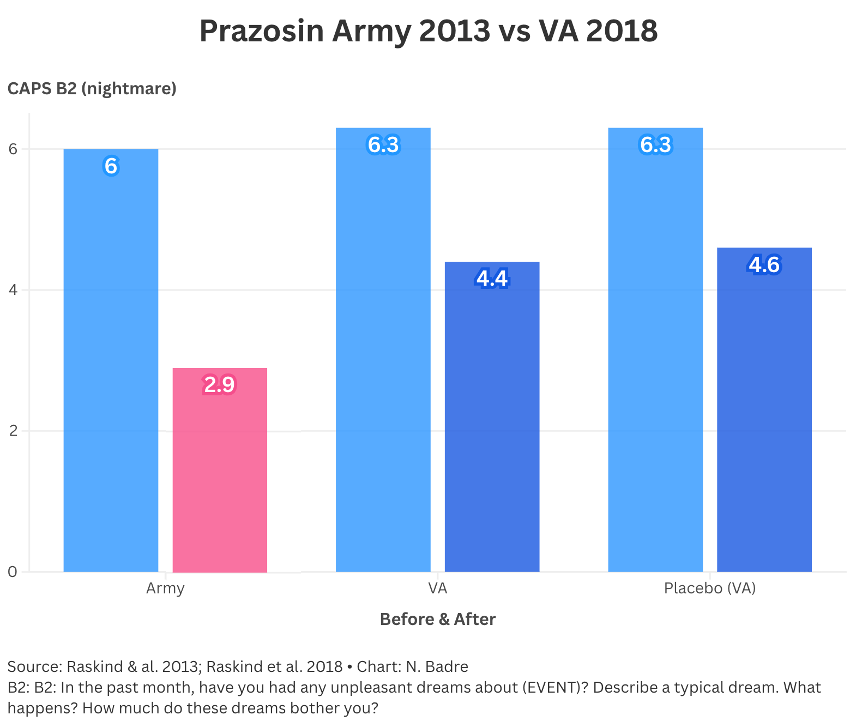
In the early 2000s, prazosin went from a medication for prostate problems to a widely used medication in the treatment of nightmares. 2 key studies, double-blind, randomized controlled, were published. One worked, one didn’t.
• Army 2013 “prazosin is effective for combat-related PTSD with trauma nightmares in active-duty soldiers”
• VA 2018 “prazosin did not alleviate distressing dreams or improve sleep quality”
I am not sure what the “right” lessons are. I think that VA patients who have had a disorder for a very long time are less likely to respond. It may be that once a disorder has been present for a long time, they represent something else. Yet the initial reports that prazosin worked also came from veterans with long-standing symptoms.
Ultimately, the VA study was bigger, making the results more reliable. I think that in practice, prazosin is no miracle drug. Like many medications in psychiatry, earlier reports are more promising than later more rigorous studies suggest.
*Prazosin blocks norepinephrine receptors, alpha-1
Ref: 2013: 10.1176/appi.ajp.2013.12081133 & 2018: 10.1056/NEJMoa1507598
Te llega un hipotiroidismo subclinico y no sabes a quien tratar? mira la edad y la TSH.
TSH >10 mU/L: tratar a todos los pacientes.
TSH 7.0-9.9 mU/L: tratar a individuos jóvenes (<65 años) - >70 años no tratar, salvo clinica MUY sugestiva de hipotiroidismo
TSH <7.0: Llenarse de razones en gente joven (<65a), buscar antiTPO positivo, bocio, clinica sugestiva. En mayores >70a estos niveles podrian considerarse fisiologicos.
If depression is caused by low serotonin, why don't we measure serotonin levels in the depressed?
Does it make sense that the same pill can fix both an anxious and depressed states?
Why do most other 1st world nation guidelines recommend against antidepressants as first line treatment?
Read my peer-reviewed editorial on the serotonin mechanism / SSRIs.
https://t.co/siSqbhWUlz
Un nuevo ensayo clínico aleatorizado sugiere que el uso de imágenes cerebrales personalizadas para guiar la estimulación magnética transcraneal (EMT) podría mejorar los resultados en personas con depresión resistente al tratamiento.
https://t.co/fnPbVgzAWB
Optimización del tratamiento con metformina en la práctica clínica: personalización de la terapia en grupos específicos de pacientes para mejorar la tolerabilidad, la eficacia y los resultados clínicos.
Diabetes, Obesity and Metabolism 2024; DOI: https://t.co/5z56eDuqsH