Government Spending on Space Programs (2024)
🇺🇸 USA — $79.7B
🇨🇳 China — $19.9B
🇯🇵 Japan — $6.8B
🇫�� France — $4.0B
🇷🇺 Russia — $3.7B
🇪🇺 EU — $3.0B
🇩🇪 Germany — $2.8B
🇮🇳 India — $2.7B
🇮🇹 Italy’s productivity crisis started long before the euro.
Italy began falling behind its European peers in the late 1980s and early 1990s.
The Bank of Italy says productivity has been the main factor holding back Italy’s long-term growth since the second half of the 1990s.
Since 2000, Italy’s GDP per hour worked has barely increased, while Germany, France and the US continued moving ahead.
The reasons are structural:
only 16.4% of Italian firms used AI in 2025, still below the EU average of 20.0%, while family-owned firms dominate the economy, bureaucracy slows scaling, public debt is above 137% of GDP, and Italy’s VC/startup ecosystem remains much smaller than in France, Germany or the UK
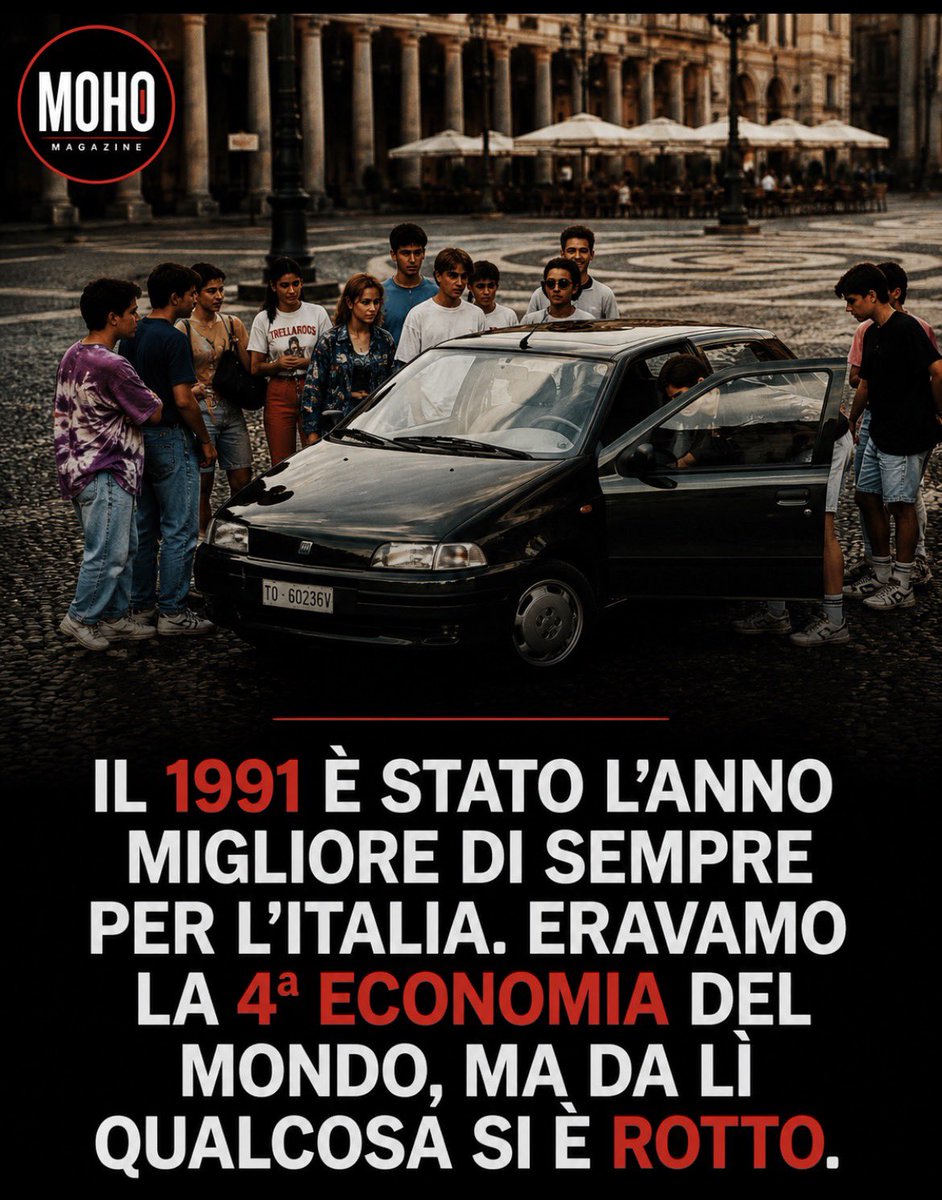
🇮🇹 Il 1991 è stato l’anno migliore della storia italiana!
Nel 1991 l’Italia era appena diventata la 4ª economia mondiale. Il Made in Italy conquistava il mondo, nascevano oltre 550.000 bambini all’anno e il futuro sembrava una promessa. C’era ottimismo collettivo, la sensazione diffusa che il Paese fosse pronto a un periodo di crescita.
Oggi siamo un Paese più vecchio, più indebitato e meno fiducioso. Cosa è successo in questi 35 anni?
The Italian Investor Visa may be Europe's most underpriced residency pathway right now.
€250K minimum investment.
3–6 month approval timeline.
And unlike many programs, you invest only after the visa is approved.
I'm hosting a webinar to compare all European investor visa programs and give you ultimate clarity on this. For the Italian one, some key points:
- No physical residency requirement to maintain it
- Schengen access from day one
- Renewable indefinitely while the investment remains active
- Multiple pathways: startups, SMEs, government bonds, or philanthropy
Of course, Italy is not the only serious option. Also, it's receiving many applications and delays are happening.
Greece, Portugal, and several other European programs can also make sense depending on your goals, timeline, family situation, tax profile, and long-term strategy.
Join me Thursday the 25th.
Everyone who registers will receive the recording.
👇
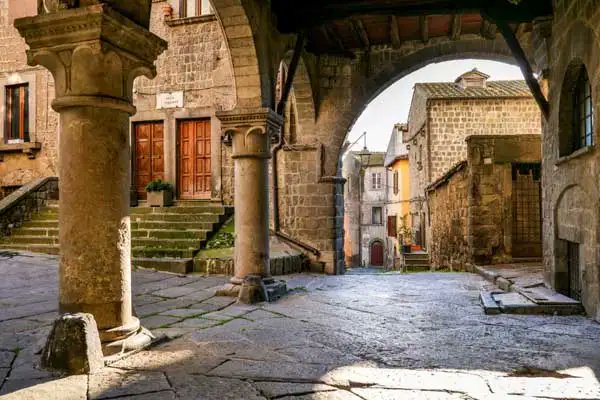
Viterbo, Italy, is very underrated: 1.5 hours from Rome, small, but large enough. You can find nice villas in the area in the €450K range.
Probably because people either pull north for Tuscany or south from Rome, somehow nobody stops here. You'll find a very authentic place, not flashy but genuine.
If you are looking at Orvieto or Bolsena, check also the "viterbese".
I even have family members in Viterbo doing construction, but for some reason it's not an area of Italy usually talked about, and I keep forgetting it myself.
I am starting to get traction on YT and the insights I receive are incredible, someone pointed me to this. I double checked: nice houses in the €500K range are easy to find, and new constructions at €650K are objectively very nice.
Quiet and calm, but honestly, I'd consider it.
🔵#GirodItalia Lo spettacolo della passerella finale a Roma con #Vingegaard Re della Corsa Rosa 2026. Nel video il passaggio dei ciclisti al Circo Massimo
@thealepalombo Great analysis Alessandro. Only grey point:difficult to compare Lugano and Milan because one can choose any of them and live both of them being less than one hour away.
I'm Italian. For my entire life, I've heard people say they want to move to Milan, Florence, maybe Rome.
But where in Italy are the hidden gem cities that even locals overlook?
I mapped 8 hidden cities where wealthy Italians live their best lives, completely off the radar.
These aren't unknown cheap places. These are cities with world-class architecture, incredible food, and a cost of living that actually lets you enjoy life.
I filmed the full breakdown with property prices per square meter, who each city is actually for, and the honest downsides you need to know.
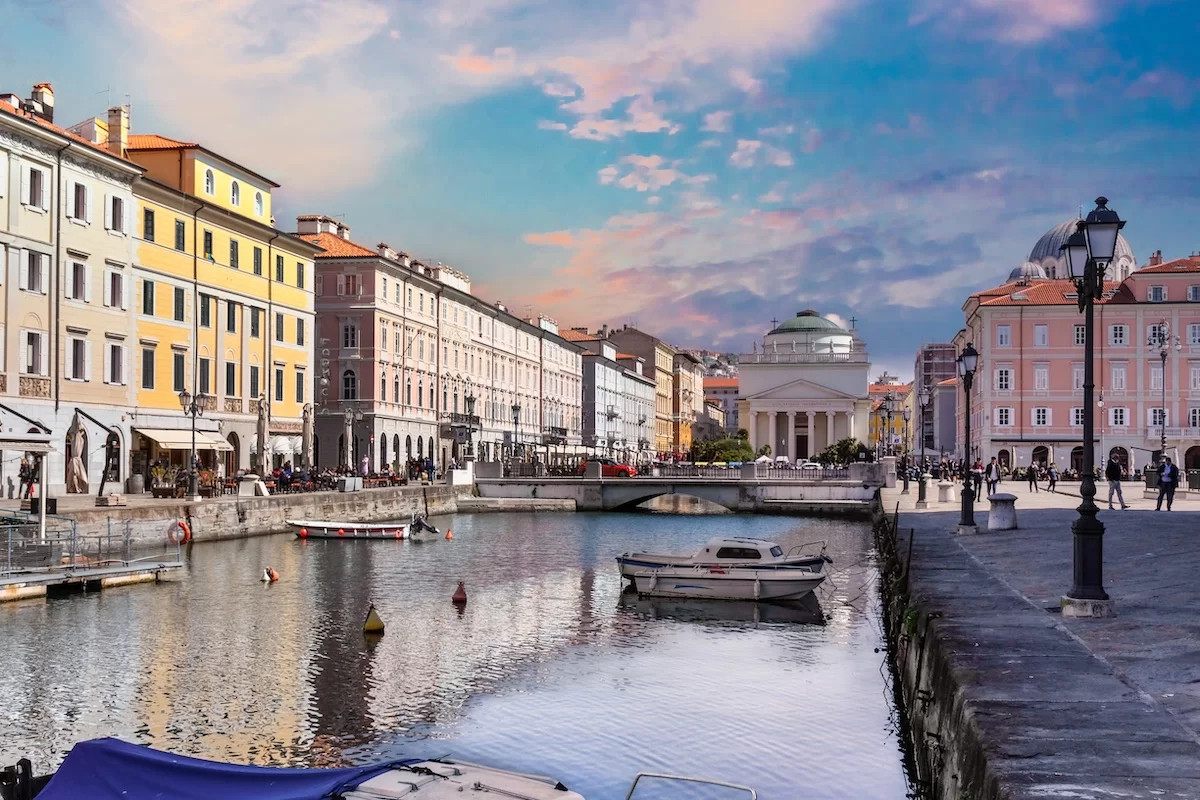
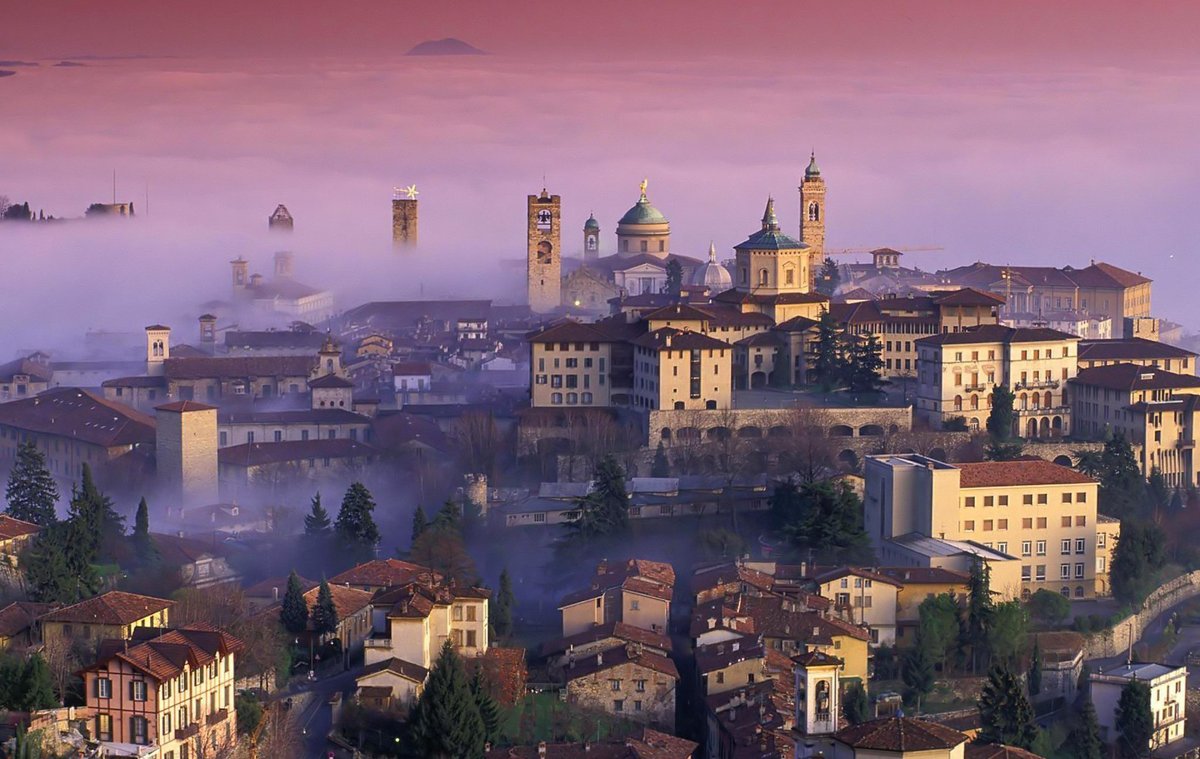
Cities including: Trieste where you're at the crossroads of three countries. Lucca with 4 kilometers of intact Renaissance walls. Lecce carved from golden stone that glows at sunset. Bergamo with Europe's busiest airport that nobody explores. Turin – Italy's most underrated big city.
€250,000 gets you 150+ square meters in most of these cities. In Milan? 50 square meters.
Watch it here:
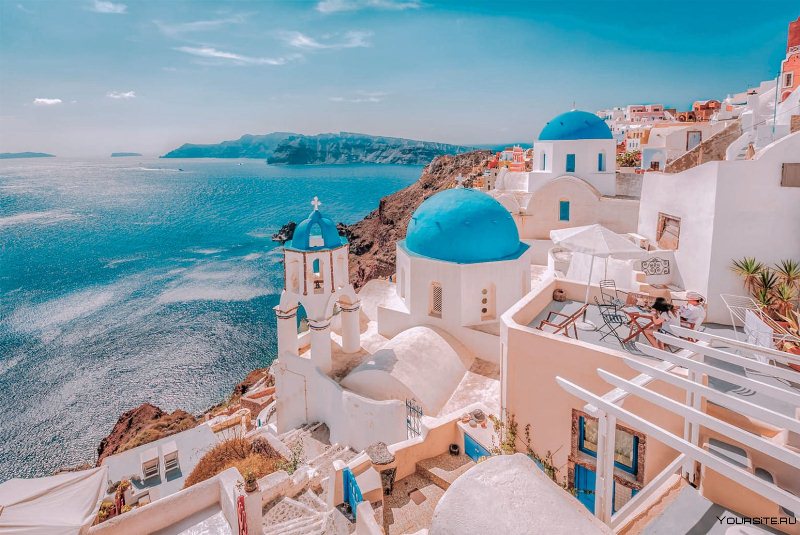
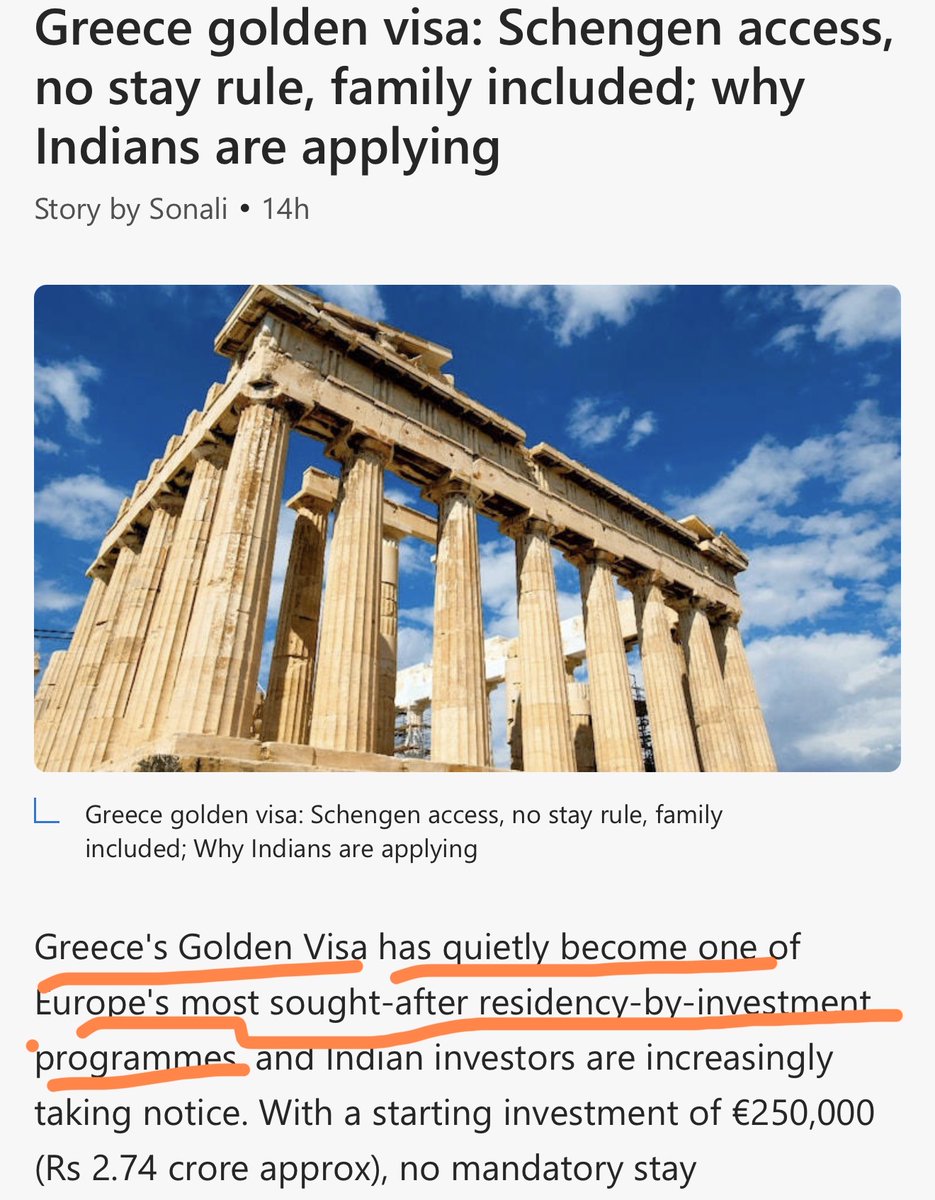
The Greek Golden Visa gets frequently hyped. I get it, it's a good program. But let's look at the numbers.
Greece is now sitting at €400K–€800K for real estate. Your capital gets locked into the Greek property market before you even apply. Then you wait 12–16 months for approval.
Italy's investor visa €250K startup route works differently:
• Visa approved first, you only invest after
• 3–6 months total processing
• Full Schengen access immediately
• Spouse and family included
• No minimum residency to renew
• Infinitely renewable (2+3, endlessly)
Half the capital, less than half the time, and your money is not at risk while you wait.
Italy has kept the same €250K threshold since 2017. Greece has changed its rules multiple times, thresholds up, categories in and out. Program stability matters when you're making a long-term residency decision.
Greece's own startup option is not comparable: you're required to create two direct jobs within the first year and maintain them for five years. Lose one employee and you lose your renewal. Italy has none of these constraints.
The Italian Investor Visa has been flying under the radar for years. Not because the program is weak, but because nobody built products targeting it.
With Bitizenship, you also get Bitcoin exposure, with 90% of profits distributed back to investors.
We organized a webinar two weeks ago with 450 registrations. A new one coming soon. Feel free to get in touch for more info
👇
🔵#Ungheria Con un'affluenza record che ha sfiorato l'80%, trionfa l'opposizione guidata da #Magyar e il suo partito Tisza. Dopo 16 anni al potere, esce di scena Orban. Sollievo nella UE dopo anni di tensioni con Budapest.
🔵 #Basket Entusiasmo alle stelle e schiacciate da NBA. @virtusroma1960 batte #DanyQuarrata 82 a 60. La schiacciata acrobatica di #Visintin manda in paradiso la curva degli Ultras.
Italy is back.
I'm Italian. For the first time in years, I'm genuinely excited to write about my country.
Thousands have moved back under tax exemption programs. Milan is now one of the most millionaire‑dense cities in the world.
I just published my complete 2026 Italy guide. Everything I've learned helping high-net-worth clients evaluate Italy as a strategic base.
But also sharing a lot that nobody's talking about.
Because for most, the real opportunity isn't Milan. It's what's happening in places most Italians even will never think to visit, let alone move to.
So in this guide I share the exact towns where the arbitrage is real with the four tax regimes nobody explains correctly.
And other niche insights you won't find anywhere else.
Like why Martina Franca beats Ostuni. Why Monopoli has what Polignano had 15 years ago at 30-40% lower prices. The Brindisi calculation nobody makes. Trapani's new Ryanair base with €928/sqm property.
These aren't generic "move to Italy" tips.
My goals as always is to share operational intelligence: which profile you fall into, where you should actually live, what the real trade-offs are.
Read the full guide, link below 👇
Move to Italy. Get a 50–60% tax exemption on your income for five years.
You don't need to retire to benefit: this is for professionals, founders, and remote workers. For many, it's even more advantageous than Portugal's IFICI regime.
You could pay as little as 9% effective tax. The exemption applies to both employees and freelancers, up to €600K per year. You do need a university degree or equivalent qualification to access it.
To qualify, you must not have been tax resident in Italy for the past three years and must stay at least four (or repay the benefit). If you have a child, the exemption rises to 60%.
Example: earn $85K with one child, you'd pay about $5–6K in tax and keep $79–80K.
Keep in mind: employees also pay social security contributions, typically 20%+ on gross income. This isn't a pure tax play. It's decent, not extraordinary, but still competitive for the lifestyle you get.
Or you can choose the €300K flat tax regime for up to 15 years. Four of my friends moved to Italy in the last six months. Some of our investors are choosing the flat tax.
You can also retire in small villages in the South and pay 7% flat on all foreign income for 10 years. Capital gains, dividends, pensions, rental income. All of it.
These regimes exist today and won't necessarily exist tomorrow. Better a year early than a single day late.
La #crononutrizione studia come l'orario dei pasti interagisce con il nostro orologio biologico e il metabolismo. Secondo gli esperti, cenare presto (abitudine tipica nel Nord-Europa) favorisce il dimagrimento, ottimizza la glicemia.
@MauroZandaman#GR1